mirror of
https://github.com/felt/tippecanoe.git
synced 2026-11-24 09:21:18 +01:00
Compare commits
6
Commits
| Author | SHA1 | Date | |
|---|---|---|---|
 Erica Fischer |
68ab8dcc22 | ||
|
Drew Good
|
6dd49be6c9 | ||
|
Drew Good
|
c2a973d8f6 | ||
|
Drew Good
|
8ac730718a | ||
|
Erica Fischer
|
2d548bed06 | ||
|
Erica Fischer
|
94929b048c |
@@ -1,3 +1,19 @@
|
||||
# 2.79.0
|
||||
|
||||
* When deduplicating features by ID in tippecanoe-overzoom, be careful
|
||||
to track even features that have been clipped away.
|
||||
|
||||
# 2.78.0
|
||||
|
||||
* Fix potential infinite loops in as-needed dropping and coalescing.
|
||||
When the threshold cannot be increased, it is now an error, rather than
|
||||
falling back to trying to lower the detail.
|
||||
* Cleaning of complex polygon geometries now happens in stages
|
||||
to avoid performance problems when there are very large numbers
|
||||
of vertices.
|
||||
* Label point generation happens earlier in tiling, to avoid doing slow
|
||||
operations on polygons that will not be retained anyway.
|
||||
|
||||
# 2.77.0
|
||||
|
||||
* Add --deduplicate-by-id option to tippecanoe-overzoom
|
||||
|
||||
+5
-5
@@ -1,19 +1,19 @@
|
||||
## [Visualizing a Month of Lightning](http://rousseau.io/2015/03/23/visualizing-a-month-of-lightning) by Jordan Rousseau
|
||||
## [Visualizing a Month of Lightning](https://medium.com/@jvrousseau/visualizing-a-month-of-lightning-8ab63d040d8c) by Jordan Rousseau
|
||||
|
||||

|
||||
|
||||
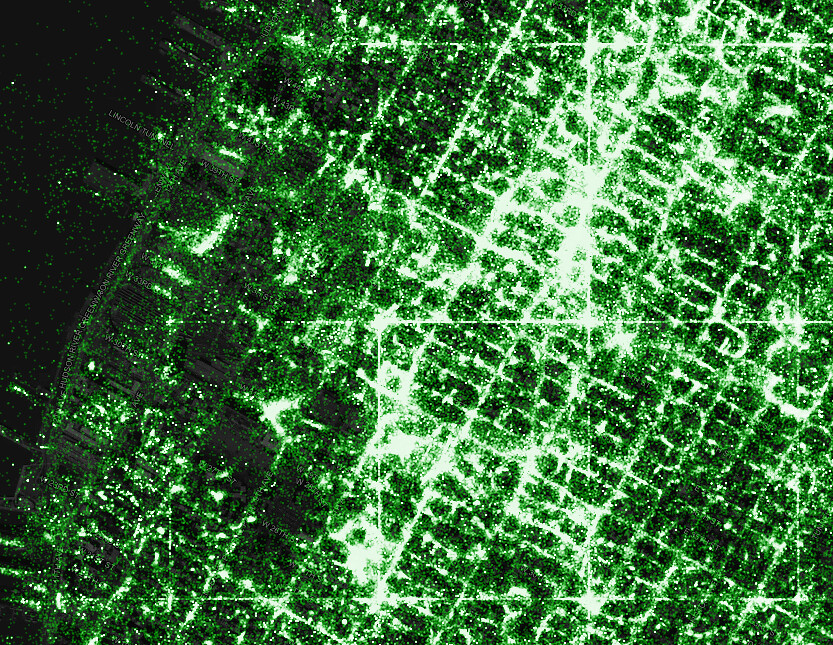
## [Making the most detailed tweet map ever](https://www.mapbox.com/blog/twitter-map-every-tweet/) by Eric Fischer
|
||||
## [Making the most detailed tweet map ever](https://web.archive.org/web/20161220144946/https://www.mapbox.com/blog/twitter-map-every-tweet/) by Eric Fischer
|
||||
|
||||
|
||||
|
||||
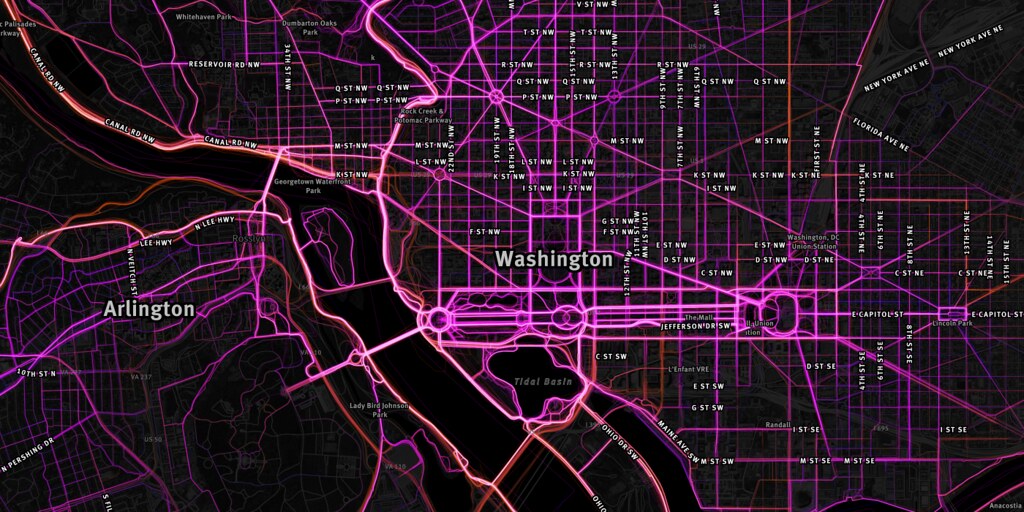
## [Superpowering Runkeeper's 1.5 million walks, runs, and bike rides](https://www.mapbox.com/blog/runkeeper-million-routes/)
|
||||
## [Superpowering Runkeeper's 1.5 million walks, runs, and bike rides](https://web.archive.org/web/20161219225305/https://www.mapbox.com/blog/runkeeper-million-routes/)
|
||||
|
||||
|
||||
|
||||
## [The Geotaggers' World Atlas](https://www.mapbox.com/blog/geotaggers-world-atlas/) by Eric Fischer
|
||||
## [The Geotaggers' World Atlas](https://web.archive.org/web/20170319084321/https://www.mapbox.com/blog/geotaggers-world-atlas/) by Eric Fischer
|
||||
|
||||

|
||||
|
||||
## [Atmospheric River](https://www.mapbox.com/blog/atmospheric-river/)
|
||||
## [Atmospheric River](https://web.archive.org/web/20161011171030/https://www.mapbox.com/blog/atmospheric-river/)
|
||||
|
||||

|
||||
|
||||
@@ -446,11 +446,11 @@ overzoom-test: tippecanoe-overzoom
|
||||
# Deduplication by feature ID
|
||||
./tippecanoe -z0 -f -e tests/pbf/1.json.dir -l layer tests/pbf/1.json
|
||||
./tippecanoe -z0 -f -e tests/pbf/2.json.dir -l layer tests/pbf/2.json
|
||||
./tippecanoe-overzoom -o tests/pbf/merged-nodedup.pbf -t 0/0/0 tests/pbf/1.json.dir/0/0/0.pbf 0/0/0 tests/pbf/2.json.dir/0/0/0.pbf 0/0/0
|
||||
./tippecanoe-decode tests/pbf/merged-nodedup.pbf 0 0 0 > tests/pbf/merged-nodedup.pbf.json.check
|
||||
./tippecanoe-overzoom -b0 -o tests/pbf/merged-nodedup.pbf -t 1/1/0 tests/pbf/1.json.dir/0/0/0.pbf 0/0/0 tests/pbf/2.json.dir/0/0/0.pbf 0/0/0
|
||||
./tippecanoe-decode tests/pbf/merged-nodedup.pbf 1 1 0 > tests/pbf/merged-nodedup.pbf.json.check
|
||||
cmp tests/pbf/merged-nodedup.pbf.json.check tests/pbf/merged-nodedup.pbf.json
|
||||
./tippecanoe-overzoom --deduplicate-by-id -o tests/pbf/merged-dedup.pbf -t 0/0/0 tests/pbf/1.json.dir/0/0/0.pbf 0/0/0 tests/pbf/2.json.dir/0/0/0.pbf 0/0/0
|
||||
./tippecanoe-decode tests/pbf/merged-dedup.pbf 0 0 0 > tests/pbf/merged-dedup.pbf.json.check
|
||||
./tippecanoe-overzoom -b0 --deduplicate-by-id -o tests/pbf/merged-dedup.pbf -t 1/1/0 tests/pbf/1.json.dir/0/0/0.pbf 0/0/0 tests/pbf/2.json.dir/0/0/0.pbf 0/0/0
|
||||
./tippecanoe-decode tests/pbf/merged-dedup.pbf 1 1 0 > tests/pbf/merged-dedup.pbf.json.check
|
||||
cmp tests/pbf/merged-dedup.pbf.json.check tests/pbf/merged-dedup.pbf.json
|
||||
rm -r tests/pbf/1.json.dir tests/pbf/2.json.dir tests/pbf/merged-nodedup.pbf tests/pbf/merged-nodedup.pbf.json.check tests/pbf/merged-dedup.pbf.json.check
|
||||
|
||||
|
||||
@@ -475,7 +475,7 @@ the same layer, enclose them in an `all` expression so they will all be evaluate
|
||||
* `-K` _distance_ or `--cluster-distance=`_distance_: Cluster points (as with `--cluster-densest-as-needed`, but without the experimental discovery process) that are approximately within _distance_ of each other. The units are tile coordinates within a nominally 256-pixel tile, so the maximum value of 255 allows only one feature per tile. Values around 10 are probably appropriate for typical marker sizes. See `--cluster-densest-as-needed` below for behavior.
|
||||
* `-k` _zoom_ or `--cluster-maxzoom=`_zoom_: Max zoom on which to cluster points if clustering is enabled.
|
||||
* `-kg` or `--cluster-maxzoom=g`: Set `--cluster-maxzoom=` to `maxzoom - 1` so that all features are visible at the maximum zoom level.
|
||||
* `--preserve-point-density-threshold=`_level_: At the low zoom levels, do not reduce point density below the specified _level_, even if the specfied drop rate would normally call for it, so that low-density areas of the map do not appear blank. The unit is the distance between preserved points, as a fraction of the size of a tile. Values of 32 or 64 are probably appropriate for typical marker sizes.
|
||||
* `--preserve-point-density-threshold=`_level_: At the low zoom levels, do not reduce point density below the specified _level_, even if the specified drop rate would normally call for it, so that low-density areas of the map do not appear blank. The unit is the distance between preserved points, as a fraction of the size of a tile. Values of 32 or 64 are probably appropriate for typical marker sizes.
|
||||
|
||||
### Dropping a fraction of features to keep under tile size limits
|
||||
|
||||
@@ -719,7 +719,7 @@ and perhaps
|
||||
make install
|
||||
|
||||
Tippecanoe now requires features from the 2011 C++ standard. If your compiler is older than
|
||||
that, you will need to install a newer one. On MacOS, updating to the lastest XCode should
|
||||
that, you will need to install a newer one. On MacOS, updating to the latest XCode should
|
||||
get you a new enough version of `clang++`. On Linux, you should be able to upgrade `g++` with
|
||||
|
||||
```
|
||||
|
||||
@@ -571,8 +571,7 @@ drawvec remove_noop(drawvec geom, int type, int shift) {
|
||||
}
|
||||
|
||||
if (geom[i + 1].op == VT_CLOSEPATH) {
|
||||
// followed by closepath: not possible
|
||||
fprintf(stderr, "Shouldn't happen\n");
|
||||
// followed by closepath: only possible after close_poly()
|
||||
i++; // also remove unused closepath
|
||||
continue;
|
||||
}
|
||||
@@ -2146,6 +2145,9 @@ std::string overzoom(std::vector<source_tile> const &tiles, int nz, int nx, int
|
||||
long long b = outtilesize * buffer / 256;
|
||||
if (xmax < -b || ymax < -b || xmin > outtilesize + b || ymin > outtilesize + b) {
|
||||
// quick exclusion by bounding box
|
||||
if (deduplicate_by_id && feature.has_id) {
|
||||
deduplicate_by_id_set->insert(feature.id);
|
||||
}
|
||||
continue;
|
||||
}
|
||||
|
||||
@@ -2161,6 +2163,9 @@ std::string overzoom(std::vector<source_tile> const &tiles, int nz, int nx, int
|
||||
|
||||
if (geom.size() == 0) {
|
||||
// clipped away
|
||||
if (deduplicate_by_id && feature.has_id) {
|
||||
deduplicate_by_id_set->insert(feature.id);
|
||||
}
|
||||
continue;
|
||||
}
|
||||
|
||||
@@ -2195,6 +2200,10 @@ std::string overzoom(std::vector<source_tile> const &tiles, int nz, int nx, int
|
||||
|
||||
std::set<std::string> exclude_attributes;
|
||||
if (filter != NULL && !evaluate(feature, layer, filter, exclude_attributes, nz, unidecode_data)) {
|
||||
// filtered away
|
||||
if (deduplicate_by_id && feature.has_id) {
|
||||
deduplicate_by_id_set->insert(feature.id);
|
||||
}
|
||||
continue;
|
||||
}
|
||||
|
||||
@@ -2232,6 +2241,14 @@ std::string overzoom(std::vector<source_tile> const &tiles, int nz, int nx, int
|
||||
geom = close_poly(geom);
|
||||
}
|
||||
|
||||
if (geom.size() == 0) {
|
||||
// simplified away
|
||||
if (deduplicate_by_id && feature.has_id) {
|
||||
deduplicate_by_id_set->insert(feature.id);
|
||||
}
|
||||
continue;
|
||||
}
|
||||
|
||||
tile_feature tf;
|
||||
tf.geom = std::move(geom);
|
||||
tf.t = t;
|
||||
@@ -2469,3 +2486,88 @@ drawvec fix_polygon(const drawvec &geom, bool use_winding, bool reverse_winding)
|
||||
|
||||
return out;
|
||||
}
|
||||
|
||||
bool line_is_too_small(drawvec const &geometry, int z, int detail) {
|
||||
if (geometry.size() == 0) {
|
||||
return true;
|
||||
}
|
||||
|
||||
long long x = 0, y = 0;
|
||||
for (auto &g : geometry) {
|
||||
if (g.op == VT_MOVETO) {
|
||||
x = std::llround((double) g.x / (1LL << (32 - detail - z)));
|
||||
y = std::llround((double) g.y / (1LL << (32 - detail - z)));
|
||||
} else {
|
||||
long long xx = std::llround((double) g.x / (1LL << (32 - detail - z)));
|
||||
long long yy = std::llround((double) g.y / (1LL << (32 - detail - z)));
|
||||
|
||||
if (xx != x || yy != y) {
|
||||
return false;
|
||||
}
|
||||
}
|
||||
}
|
||||
|
||||
return true;
|
||||
}
|
||||
|
||||
void coalesce_polygon(drawvec &geom, bool scale_up) {
|
||||
// wagyu should be able to straightforwardly handle
|
||||
// anything under a few hundred thousand vertices
|
||||
if (geom.size() < 100000) {
|
||||
geom = clean_or_clip_poly(geom, 0, 0, false, scale_up);
|
||||
return;
|
||||
}
|
||||
|
||||
// These geometries were assembled in geometric order,
|
||||
// so sub-batches of them should hopefully union into
|
||||
// reasonable sets.
|
||||
//
|
||||
// Find the first outer ring after halfway point.
|
||||
|
||||
for (size_t i = geom.size() / 2; i < geom.size(); i++) {
|
||||
if (geom[i].op == VT_MOVETO) {
|
||||
size_t j;
|
||||
for (j = i + 1; j < geom.size(); j++) {
|
||||
if (geom[j].op != VT_LINETO) {
|
||||
break;
|
||||
}
|
||||
}
|
||||
|
||||
if (get_area(geom, i, j) > 0) {
|
||||
// If we have an outer ring, split there
|
||||
// and coalesce the two halves
|
||||
|
||||
// Copy second half to new vector
|
||||
std::vector<draw> geom2;
|
||||
geom2.resize(geom.size() - i);
|
||||
for (size_t k = i; k < geom.size(); k++) {
|
||||
geom2[k - i] = geom[k];
|
||||
}
|
||||
|
||||
// Resize vector to include only first half
|
||||
geom.resize(i);
|
||||
|
||||
// Clean each half individually
|
||||
coalesce_polygon(geom, scale_up);
|
||||
coalesce_polygon(geom2, scale_up);
|
||||
|
||||
// Copy second half back with first
|
||||
size_t brk = geom.size();
|
||||
geom.resize(brk + geom2.size());
|
||||
for (size_t k = 0; k < geom2.size(); k++) {
|
||||
geom[brk + k] = geom2[k];
|
||||
}
|
||||
geom2.clear();
|
||||
|
||||
// Clean the combined geometry
|
||||
geom = clean_or_clip_poly(geom, 0, 0, false, scale_up);
|
||||
return;
|
||||
}
|
||||
|
||||
i = j - 1;
|
||||
}
|
||||
}
|
||||
|
||||
// Can't find a breakpoint; take what we can get.
|
||||
geom = clean_or_clip_poly(geom, 0, 0, false, scale_up);
|
||||
}
|
||||
|
||||
@@ -173,4 +173,7 @@ void get_quadkey_bounds(long long xmin, long long ymin, long long xmax, long lon
|
||||
|
||||
clipbbox parse_clip_poly(std::string arg);
|
||||
|
||||
bool line_is_too_small(drawvec const &geometry, int z, int detail);
|
||||
void coalesce_polygon(drawvec &geom, bool scale_up);
|
||||
|
||||
#endif
|
||||
|
||||
+1
-1
@@ -6,7 +6,7 @@
|
||||
sudo yum install git clang sqlite-devel zlib-devel
|
||||
|
||||
2. Create a ZIP archive with the `tippecanoe` binary at `bin/tippecanoe` and upload as a Lambda layer
|
||||
3. Copy [lambda_function.py](lambda_function.py) (python 3.9 runtime)
|
||||
3. Copy [tippecanoe.py](tippecanoe.py) (python 3.9 runtime)
|
||||
4. set the environment variable `OUTPUT_BUCKET` to your output bucket; give lambda IAM role access to input/output buckets
|
||||
5. Enable ACLs on the output bucket
|
||||
|
||||
|
||||
@@ -9,7 +9,6 @@
|
||||
"maxzoom": "2",
|
||||
"minzoom": "0",
|
||||
"name": "tests/ne_110m_admin_0_countries/out/-z2_--convert-polygons-to-label-points.json.check.mbtiles",
|
||||
"strategies": "[{},{},{\"tiny_polygons\":1}]",
|
||||
"type": "overlay",
|
||||
"version": "2"
|
||||
}, "features": [
|
||||
|
||||
+521
-105
File diff suppressed because one or more lines are too long
+516
-96
File diff suppressed because one or more lines are too long
+3
-3
@@ -1,3 +1,3 @@
|
||||
{"type":"Feature","properties":{"what":"no id"},"geometry":{"type":"Point","coordinates":[0,0]}}
|
||||
{"type":"Feature","id":12345,"properties":{"what":"will survive"},"geometry":{"type":"Point","coordinates":[0,0]}}
|
||||
{"type":"Feature","id":12346,"properties":{"what":"will win over the duplicate"},"geometry":{"type":"Point","coordinates":[0,0]}}
|
||||
{"type":"Feature","properties":{"what":"no id"},"geometry":{"type":"Point","coordinates":[1,1]}}
|
||||
{"type":"Feature","id":12345,"properties":{"what":"will survive"},"geometry":{"type":"Point","coordinates":[1,1]}}
|
||||
{"type":"Feature","id":12346,"properties":{"what":"will win over the duplicate even though it's in another tile"},"geometry":{"type":"Point","coordinates":[-1,-1]}}
|
||||
|
||||
+3
-3
@@ -1,3 +1,3 @@
|
||||
{"type":"Feature","properties":{"what":"no id again"},"geometry":{"type":"Point","coordinates":[0,0]}}
|
||||
{"type":"Feature","id":12346,"properties":{"what":"will be lost as a duplicate"},"geometry":{"type":"Point","coordinates":[0,0]}}
|
||||
{"type":"Feature","id":12347,"properties":{"what":"will be added"},"geometry":{"type":"Point","coordinates":[0,0]}}
|
||||
{"type":"Feature","properties":{"what":"no id again"},"geometry":{"type":"Point","coordinates":[1,1]}}
|
||||
{"type":"Feature","id":12346,"properties":{"what":"will be lost as a duplicate"},"geometry":{"type":"Point","coordinates":[1,1]}}
|
||||
{"type":"Feature","id":12347,"properties":{"what":"will be added"},"geometry":{"type":"Point","coordinates":[1,1]}}
|
||||
|
||||
@@ -1,13 +1,11 @@
|
||||
{ "type": "FeatureCollection", "properties": { "zoom": 0, "x": 0, "y": 0 }, "features": [
|
||||
{ "type": "FeatureCollection", "properties": { "zoom": 1, "x": 1, "y": 0 }, "features": [
|
||||
{ "type": "FeatureCollection", "properties": { "layer": "layer", "version": 2, "extent": 4096 }, "features": [
|
||||
{ "type": "Feature", "properties": { "what": "no id" }, "geometry": { "type": "Point", "coordinates": [ 0.000000, 0.000000 ] } }
|
||||
{ "type": "Feature", "properties": { "what": "no id" }, "geometry": { "type": "Point", "coordinates": [ 0.966797, 0.966751 ] } }
|
||||
,
|
||||
{ "type": "Feature", "id": 12345, "properties": { "what": "will survive" }, "geometry": { "type": "Point", "coordinates": [ 0.000000, 0.000000 ] } }
|
||||
{ "type": "Feature", "id": 12345, "properties": { "what": "will survive" }, "geometry": { "type": "Point", "coordinates": [ 0.966797, 0.966751 ] } }
|
||||
,
|
||||
{ "type": "Feature", "id": 12346, "properties": { "what": "will win over the duplicate" }, "geometry": { "type": "Point", "coordinates": [ 0.000000, 0.000000 ] } }
|
||||
{ "type": "Feature", "properties": { "what": "no id again" }, "geometry": { "type": "Point", "coordinates": [ 0.966797, 0.966751 ] } }
|
||||
,
|
||||
{ "type": "Feature", "properties": { "what": "no id again" }, "geometry": { "type": "Point", "coordinates": [ 0.000000, 0.000000 ] } }
|
||||
,
|
||||
{ "type": "Feature", "id": 12347, "properties": { "what": "will be added" }, "geometry": { "type": "Point", "coordinates": [ 0.000000, 0.000000 ] } }
|
||||
{ "type": "Feature", "id": 12347, "properties": { "what": "will be added" }, "geometry": { "type": "Point", "coordinates": [ 0.966797, 0.966751 ] } }
|
||||
] }
|
||||
] }
|
||||
|
||||
@@ -1,15 +1,13 @@
|
||||
{ "type": "FeatureCollection", "properties": { "zoom": 0, "x": 0, "y": 0 }, "features": [
|
||||
{ "type": "FeatureCollection", "properties": { "zoom": 1, "x": 1, "y": 0 }, "features": [
|
||||
{ "type": "FeatureCollection", "properties": { "layer": "layer", "version": 2, "extent": 4096 }, "features": [
|
||||
{ "type": "Feature", "properties": { "what": "no id" }, "geometry": { "type": "Point", "coordinates": [ 0.000000, 0.000000 ] } }
|
||||
{ "type": "Feature", "properties": { "what": "no id" }, "geometry": { "type": "Point", "coordinates": [ 0.966797, 0.966751 ] } }
|
||||
,
|
||||
{ "type": "Feature", "id": 12345, "properties": { "what": "will survive" }, "geometry": { "type": "Point", "coordinates": [ 0.000000, 0.000000 ] } }
|
||||
{ "type": "Feature", "id": 12345, "properties": { "what": "will survive" }, "geometry": { "type": "Point", "coordinates": [ 0.966797, 0.966751 ] } }
|
||||
,
|
||||
{ "type": "Feature", "id": 12346, "properties": { "what": "will win over the duplicate" }, "geometry": { "type": "Point", "coordinates": [ 0.000000, 0.000000 ] } }
|
||||
{ "type": "Feature", "properties": { "what": "no id again" }, "geometry": { "type": "Point", "coordinates": [ 0.966797, 0.966751 ] } }
|
||||
,
|
||||
{ "type": "Feature", "properties": { "what": "no id again" }, "geometry": { "type": "Point", "coordinates": [ 0.000000, 0.000000 ] } }
|
||||
{ "type": "Feature", "id": 12346, "properties": { "what": "will be lost as a duplicate" }, "geometry": { "type": "Point", "coordinates": [ 0.966797, 0.966751 ] } }
|
||||
,
|
||||
{ "type": "Feature", "id": 12346, "properties": { "what": "will be lost as a duplicate" }, "geometry": { "type": "Point", "coordinates": [ 0.000000, 0.000000 ] } }
|
||||
,
|
||||
{ "type": "Feature", "id": 12347, "properties": { "what": "will be added" }, "geometry": { "type": "Point", "coordinates": [ 0.000000, 0.000000 ] } }
|
||||
{ "type": "Feature", "id": 12347, "properties": { "what": "will be added" }, "geometry": { "type": "Point", "coordinates": [ 0.966797, 0.966751 ] } }
|
||||
] }
|
||||
] }
|
||||
|
||||
@@ -639,7 +639,7 @@ static double simplify_feature(serial_feature *p, drawvec const &shared_nodes, n
|
||||
// unioned exactly
|
||||
//
|
||||
// don't try to scale up because these are still world coordinates
|
||||
geom = clean_or_clip_poly(geom, 0, 0, false, false);
|
||||
coalesce_polygon(geom, false);
|
||||
}
|
||||
|
||||
// continues to simplify to line_detail even if we have extra detail
|
||||
@@ -695,7 +695,7 @@ static void *simplification_worker(void *v) {
|
||||
|
||||
if (!a->trying_to_stop_early) {
|
||||
// we can try scaling up because this is now tile scale
|
||||
geom = clean_or_clip_poly(geom, 0, 0, false, true);
|
||||
coalesce_polygon(geom, true);
|
||||
if (additional[A_DEBUG_POLYGON]) {
|
||||
check_polygon(geom);
|
||||
}
|
||||
@@ -712,12 +712,6 @@ static void *simplification_worker(void *v) {
|
||||
}
|
||||
}
|
||||
|
||||
if (t == VT_POLYGON && additional[A_GENERATE_POLYGON_LABEL_POINTS]) {
|
||||
t = (*features)[i]->t = VT_POINT;
|
||||
geom = checkerboard_anchors(from_tile_scale(geom, z, out_detail), (*features)[i]->tx, (*features)[i]->ty, z, (*features)[i]->label_point);
|
||||
to_tile_scale(geom, z, out_detail);
|
||||
}
|
||||
|
||||
if ((*features)[i]->index == 0) {
|
||||
(*features)[i]->index = i;
|
||||
}
|
||||
@@ -769,7 +763,7 @@ static unsigned long long choose_mingap(std::vector<unsigned long long> &gaps, d
|
||||
std::stable_sort(gaps.begin(), gaps.end());
|
||||
|
||||
size_t ix = (gaps.size() - 1) * (1 - f);
|
||||
while (ix + 1 < gaps.size() && gaps[ix] == existing_gap) {
|
||||
while (ix + 1 < gaps.size() && gaps[ix] <= existing_gap) {
|
||||
ix++;
|
||||
}
|
||||
|
||||
@@ -809,7 +803,7 @@ static long long choose_minextent(std::vector<long long> &extents, double f, lon
|
||||
std::stable_sort(extents.begin(), extents.end());
|
||||
|
||||
size_t ix = (extents.size() - 1) * (1 - f);
|
||||
while (ix + 1 < extents.size() && extents[ix] == existing_extent) {
|
||||
while (ix + 1 < extents.size() && extents[ix] <= existing_extent) {
|
||||
ix++;
|
||||
}
|
||||
|
||||
@@ -824,7 +818,7 @@ static unsigned long long choose_mindrop_sequence(std::vector<unsigned long long
|
||||
std::stable_sort(drop_sequences.begin(), drop_sequences.end());
|
||||
|
||||
size_t ix = (drop_sequences.size() - 1) * (1 - f);
|
||||
while (ix + 1 < drop_sequences.size() && drop_sequences[ix] == existing_drop_sequence) {
|
||||
while (ix + 1 < drop_sequences.size() && drop_sequences[ix] <= existing_drop_sequence) {
|
||||
ix++;
|
||||
}
|
||||
|
||||
@@ -1551,26 +1545,6 @@ bool find_feature_to_accumulate_onto(std::vector<std::shared_ptr<serial_feature>
|
||||
return false;
|
||||
}
|
||||
|
||||
static bool line_is_too_small(drawvec const &geometry, int z, int detail) {
|
||||
if (geometry.size() == 0) {
|
||||
return true;
|
||||
}
|
||||
|
||||
long long x = std::round((double) geometry[0].x / (1LL << (32 - detail - z)));
|
||||
long long y = std::round((double) geometry[0].y / (1LL << (32 - detail - z)));
|
||||
|
||||
for (auto &g : geometry) {
|
||||
long long xx = std::round((double) g.x / (1LL << (32 - detail - z)));
|
||||
long long yy = std::round((double) g.y / (1LL << (32 - detail - z)));
|
||||
|
||||
if (xx != x || yy != y) {
|
||||
return false;
|
||||
}
|
||||
}
|
||||
|
||||
return true;
|
||||
}
|
||||
|
||||
// Keep only a sample of 100K extents for feature dropping,
|
||||
// to avoid spending lots of memory on a complete list when there are
|
||||
// hundreds of millions of features.
|
||||
@@ -1885,6 +1859,35 @@ long long write_tile(decompressor *geoms, std::atomic<long long> *geompos_in, ch
|
||||
extent_previndex = sf.index;
|
||||
}
|
||||
|
||||
// Make label anchors early in tiling, even though it requires simplifying early,
|
||||
// so that if there is no label anchor for this feature in this tile,
|
||||
// we find out now rather than after we have already decided that there
|
||||
// are too_many_bytes.
|
||||
//
|
||||
// label anchors also need to happen before as-needed dropping and coalescing,
|
||||
// so that the geometry type matches for find_feature_to_accumulate_onto.
|
||||
// (or it could happen much later, after all the features are accumulated,
|
||||
// but then it would be too late for too_many_bytes)
|
||||
if (sf.t == VT_POLYGON && additional[A_GENERATE_POLYGON_LABEL_POINTS]) {
|
||||
// exclude features that are invisibly small at this zoom level
|
||||
if (line_is_too_small(sf.geometry, z, line_detail)) {
|
||||
continue;
|
||||
}
|
||||
if (sf.t == VT_POLYGON && get_mp_area(sf.geometry) <= 0) {
|
||||
continue;
|
||||
}
|
||||
|
||||
drawvec ngeom = simplify_lines(sf.geometry, z, tx, ty, line_detail, !(prevent[P_CLIPPING] || prevent[P_DUPLICATION]), sf.simplification, sf.t == VT_POLYGON ? 4 : 0, shared_nodes, NULL, 0, "");
|
||||
if (ngeom.size() == 0) {
|
||||
continue;
|
||||
}
|
||||
sf.geometry = checkerboard_anchors(ngeom, tx, ty, z, sf.label_point);
|
||||
if (sf.geometry.size() == 0) {
|
||||
continue;
|
||||
}
|
||||
sf.t = VT_POINT;
|
||||
}
|
||||
|
||||
unsigned long long drop_sequence = 0;
|
||||
if (additional[A_COALESCE_FRACTION_AS_NEEDED] || additional[A_DROP_FRACTION_AS_NEEDED] || prevent[P_DYNAMIC_DROP]) {
|
||||
drop_sequence = calculate_drop_sequence(sf);
|
||||
@@ -2000,7 +2003,9 @@ long long write_tile(decompressor *geoms, std::atomic<long long> *geompos_in, ch
|
||||
} else if (additional[A_COALESCE_DENSEST_AS_NEEDED]) {
|
||||
add_sample_to(gaps, sf.gap, gaps_increment, seq);
|
||||
if (sf.gap < mingap && find_feature_to_accumulate_onto(features, sf, which_serial_feature, layer_unmaps, LLONG_MAX)) {
|
||||
coalesce_geometry(*features[which_serial_feature], sf);
|
||||
if (sf.t == VT_POINT || !line_is_too_small(sf.geometry, z, line_detail)) {
|
||||
coalesce_geometry(*features[which_serial_feature], sf);
|
||||
}
|
||||
features[which_serial_feature]->coalesced = true;
|
||||
coalesced_area += sf.extent;
|
||||
preserve_attributes(arg->attribute_accum, sf, *features[which_serial_feature], key_pool);
|
||||
@@ -2022,7 +2027,9 @@ long long write_tile(decompressor *geoms, std::atomic<long long> *geompos_in, ch
|
||||
} else if (additional[A_COALESCE_SMALLEST_AS_NEEDED]) {
|
||||
add_sample_to(extents, sf.extent, extents_increment, seq);
|
||||
if (minextent != 0 && sf.extent + coalesced_area <= minextent && find_feature_to_accumulate_onto(features, sf, which_serial_feature, layer_unmaps, minextent)) {
|
||||
coalesce_geometry(*features[which_serial_feature], sf);
|
||||
if (sf.t == VT_POINT || !line_is_too_small(sf.geometry, z, line_detail)) {
|
||||
coalesce_geometry(*features[which_serial_feature], sf);
|
||||
}
|
||||
features[which_serial_feature]->coalesced = true;
|
||||
coalesced_area += sf.extent;
|
||||
preserve_attributes(arg->attribute_accum, sf, *features[which_serial_feature], key_pool);
|
||||
@@ -2042,7 +2049,9 @@ long long write_tile(decompressor *geoms, std::atomic<long long> *geompos_in, ch
|
||||
} else if (additional[A_COALESCE_FRACTION_AS_NEEDED]) {
|
||||
add_sample_to(drop_sequences, drop_sequence, drop_sequences_increment, seq);
|
||||
if (mindrop_sequence != 0 && drop_sequence <= mindrop_sequence && find_feature_to_accumulate_onto(features, sf, which_serial_feature, layer_unmaps, LLONG_MAX)) {
|
||||
coalesce_geometry(*features[which_serial_feature], sf);
|
||||
if (sf.t == VT_POINT || !line_is_too_small(sf.geometry, z, line_detail)) {
|
||||
coalesce_geometry(*features[which_serial_feature], sf);
|
||||
}
|
||||
features[which_serial_feature]->coalesced = true;
|
||||
preserve_attributes(arg->attribute_accum, sf, *features[which_serial_feature], key_pool);
|
||||
strategy.coalesced_as_needed++;
|
||||
@@ -2201,7 +2210,7 @@ long long write_tile(decompressor *geoms, std::atomic<long long> *geompos_in, ch
|
||||
drawvec to_clean = features[simplified_geometry_through]->geometry;
|
||||
|
||||
// don't scale up because this is still world coordinates
|
||||
to_clean = clean_or_clip_poly(to_clean, 0, 0, false, false);
|
||||
coalesce_polygon(to_clean, false);
|
||||
features[simplified_geometry_through]->geometry = std::move(to_clean);
|
||||
}
|
||||
}
|
||||
@@ -2470,7 +2479,7 @@ long long write_tile(decompressor *geoms, std::atomic<long long> *geompos_in, ch
|
||||
if (layer_features[x]->t == VT_POLYGON) {
|
||||
if (layer_features[x]->coalesced) {
|
||||
// we can try scaling up because this is tile coordinates
|
||||
layer_features[x]->geometry = clean_or_clip_poly(layer_features[x]->geometry, 0, 0, false, true);
|
||||
coalesce_polygon(layer_features[x]->geometry, true);
|
||||
}
|
||||
|
||||
layer_features[x]->geometry = close_poly(layer_features[x]->geometry);
|
||||
@@ -2501,6 +2510,7 @@ long long write_tile(decompressor *geoms, std::atomic<long long> *geompos_in, ch
|
||||
// this is maxzoom; ok to stop early still because they said to limit abruptly
|
||||
layer_features.resize(limit_tile_feature_count_at_maxzoom);
|
||||
too_many_features = false; // don't try to drop; we have already truncated
|
||||
too_many_bytes = false; // don't try to drop; we have already truncated
|
||||
skipped = 0; // doesn't matter that we skipped features; we have truncated
|
||||
}
|
||||
} else if (limit_tile_feature_count != 0) {
|
||||
@@ -2508,6 +2518,7 @@ long long write_tile(decompressor *geoms, std::atomic<long long> *geompos_in, ch
|
||||
can_stop_early = false;
|
||||
layer_features.resize(limit_tile_feature_count);
|
||||
too_many_features = false; // don't try to drop; we have already truncated
|
||||
too_many_bytes = false; // don't try to drop; we have already truncated
|
||||
skipped = 0; // doesn't matter that we skipped features; we have truncated
|
||||
}
|
||||
}
|
||||
@@ -2655,8 +2666,14 @@ long long write_tile(decompressor *geoms, std::atomic<long long> *geompos_in, ch
|
||||
continue;
|
||||
} else if (mingap < ULONG_MAX && (additional[A_DROP_DENSEST_AS_NEEDED] || additional[A_COALESCE_DENSEST_AS_NEEDED] || additional[A_CLUSTER_DENSEST_AS_NEEDED])) {
|
||||
mingap_fraction = mingap_fraction * adjusted_max_tile_features / adjusted_feature_count * 0.80;
|
||||
if (mingap_fraction > 0.80) {
|
||||
if (!quiet) {
|
||||
fprintf(stderr, "Need to drop features, but calculated that we should keep %.1f%% of features\n", mingap_fraction * 100.0);
|
||||
}
|
||||
mingap_fraction = 0.80;
|
||||
}
|
||||
unsigned long long m = choose_mingap(gaps, mingap_fraction, mingap);
|
||||
if (m != mingap) {
|
||||
if (m > mingap) {
|
||||
mingap = m;
|
||||
if (mingap > arg->mingap_out) {
|
||||
arg->mingap_out = mingap;
|
||||
@@ -2667,11 +2684,20 @@ long long write_tile(decompressor *geoms, std::atomic<long long> *geompos_in, ch
|
||||
}
|
||||
line_detail++;
|
||||
continue;
|
||||
} else {
|
||||
fprintf(stderr, "Can't increase feature gap threshold further\n");
|
||||
exit(EXIT_INCOMPLETE);
|
||||
}
|
||||
} else if (additional[A_DROP_SMALLEST_AS_NEEDED] || additional[A_COALESCE_SMALLEST_AS_NEEDED]) {
|
||||
minextent_fraction = minextent_fraction * adjusted_max_tile_features / adjusted_feature_count * 0.75;
|
||||
if (minextent_fraction > 0.80) {
|
||||
if (!quiet) {
|
||||
fprintf(stderr, "Need to drop features, but calculated that we should keep %.1f%% of features\n", minextent_fraction * 100.0);
|
||||
}
|
||||
minextent_fraction = 0.80;
|
||||
}
|
||||
long long m = choose_minextent(extents, minextent_fraction, minextent);
|
||||
if (m != minextent) {
|
||||
if (m > minextent) {
|
||||
minextent = m;
|
||||
if (minextent > arg->minextent_out) {
|
||||
arg->minextent_out = minextent;
|
||||
@@ -2682,14 +2708,23 @@ long long write_tile(decompressor *geoms, std::atomic<long long> *geompos_in, ch
|
||||
}
|
||||
line_detail++;
|
||||
continue;
|
||||
} else {
|
||||
fprintf(stderr, "Can't increase feature area threshold further\n");
|
||||
exit(EXIT_INCOMPLETE);
|
||||
}
|
||||
} else if (feature_count > layers.size() && (additional[A_DROP_FRACTION_AS_NEEDED] || additional[A_COALESCE_FRACTION_AS_NEEDED] || prevent[P_DYNAMIC_DROP])) {
|
||||
// The 95% is a guess to avoid too many retries
|
||||
// and probably actually varies based on how much duplicated metadata there is
|
||||
|
||||
mindrop_sequence_fraction = mindrop_sequence_fraction * adjusted_max_tile_features / adjusted_feature_count * 0.95;
|
||||
if (mindrop_sequence_fraction > 0.80) {
|
||||
if (!quiet) {
|
||||
fprintf(stderr, "Need to drop features, but calculated that we should keep %.1f%% of features\n", mindrop_sequence_fraction * 100.0);
|
||||
}
|
||||
mindrop_sequence_fraction = 0.80;
|
||||
}
|
||||
unsigned long long m = choose_mindrop_sequence(drop_sequences, mindrop_sequence_fraction, mindrop_sequence);
|
||||
if (m != mindrop_sequence) {
|
||||
if (m > mindrop_sequence) {
|
||||
mindrop_sequence = m;
|
||||
if (mindrop_sequence > arg->mindrop_sequence_out) {
|
||||
if (!prevent[P_DYNAMIC_DROP]) {
|
||||
@@ -2702,6 +2737,9 @@ long long write_tile(decompressor *geoms, std::atomic<long long> *geompos_in, ch
|
||||
}
|
||||
line_detail++; // to keep it the same when the loop decrements it
|
||||
continue;
|
||||
} else {
|
||||
fprintf(stderr, "Can't increase feature count threshold further\n");
|
||||
exit(EXIT_INCOMPLETE);
|
||||
}
|
||||
} else {
|
||||
fprintf(stderr, "Try using --drop-fraction-as-needed or --drop-densest-as-needed.\n");
|
||||
@@ -2734,7 +2772,7 @@ long long write_tile(decompressor *geoms, std::atomic<long long> *geompos_in, ch
|
||||
}
|
||||
|
||||
if (!quiet) {
|
||||
if (adjusted_tile_size == compressed.size()) {
|
||||
if (adjusted_tile_size != compressed.size()) {
|
||||
fprintf(stderr, "tile %d/%u/%u size is %lld (probably really %zu) with detail %d, >%zu \n", z, tx, ty, (long long) compressed.size(), adjusted_tile_size, line_detail, adjusted_max_tile_size);
|
||||
} else {
|
||||
fprintf(stderr, "tile %d/%u/%u size is %lld with detail %d, >%zu \n", z, tx, ty, (long long) compressed.size(), line_detail, adjusted_max_tile_size);
|
||||
@@ -2765,8 +2803,14 @@ long long write_tile(decompressor *geoms, std::atomic<long long> *geompos_in, ch
|
||||
line_detail++; // to keep it the same when the loop decrements it
|
||||
} else if (mingap < ULONG_MAX && (additional[A_DROP_DENSEST_AS_NEEDED] || additional[A_COALESCE_DENSEST_AS_NEEDED] || additional[A_CLUSTER_DENSEST_AS_NEEDED])) {
|
||||
mingap_fraction = mingap_fraction * adjusted_max_tile_size / adjusted_tile_size * 0.80;
|
||||
if (mingap_fraction > 0.80) {
|
||||
if (!quiet) {
|
||||
fprintf(stderr, "Need to drop features, but calculated that we should keep %.1f%% of features\n", mingap_fraction * 100.0);
|
||||
}
|
||||
mingap_fraction = 0.80;
|
||||
}
|
||||
unsigned long long m = choose_mingap(gaps, mingap_fraction, mingap);
|
||||
if (m != mingap) {
|
||||
if (m > mingap) {
|
||||
mingap = m;
|
||||
if (mingap > arg->mingap_out) {
|
||||
arg->mingap_out = mingap;
|
||||
@@ -2777,11 +2821,20 @@ long long write_tile(decompressor *geoms, std::atomic<long long> *geompos_in, ch
|
||||
}
|
||||
line_detail++;
|
||||
continue;
|
||||
} else {
|
||||
fprintf(stderr, "Can't increase feature gap threshold further\n");
|
||||
exit(EXIT_INCOMPLETE);
|
||||
}
|
||||
} else if (additional[A_DROP_SMALLEST_AS_NEEDED] || additional[A_COALESCE_SMALLEST_AS_NEEDED]) {
|
||||
minextent_fraction = minextent_fraction * adjusted_max_tile_size / adjusted_tile_size * 0.75;
|
||||
if (minextent_fraction > 0.80) {
|
||||
if (!quiet) {
|
||||
fprintf(stderr, "Need to drop features, but calculated that we should keep %.1f%% of features\n", minextent_fraction * 100.0);
|
||||
}
|
||||
minextent_fraction = 0.80;
|
||||
}
|
||||
long long m = choose_minextent(extents, minextent_fraction, minextent);
|
||||
if (m != minextent) {
|
||||
if (m > minextent) {
|
||||
minextent = m;
|
||||
if (minextent > arg->minextent_out) {
|
||||
arg->minextent_out = minextent;
|
||||
@@ -2792,11 +2845,20 @@ long long write_tile(decompressor *geoms, std::atomic<long long> *geompos_in, ch
|
||||
}
|
||||
line_detail++;
|
||||
continue;
|
||||
} else {
|
||||
fprintf(stderr, "Can't increase feature area threshold further\n");
|
||||
exit(EXIT_INCOMPLETE);
|
||||
}
|
||||
} else if (feature_count > layers.size() && (additional[A_DROP_FRACTION_AS_NEEDED] || additional[A_COALESCE_FRACTION_AS_NEEDED] || prevent[P_DYNAMIC_DROP])) {
|
||||
mindrop_sequence_fraction = mindrop_sequence_fraction * adjusted_max_tile_size / adjusted_tile_size * 0.75;
|
||||
if (mindrop_sequence_fraction > 0.80) {
|
||||
if (!quiet) {
|
||||
fprintf(stderr, "Need to drop features, but calculated that we should keep %.1f%% of features\n", mindrop_sequence_fraction * 100.0);
|
||||
}
|
||||
mindrop_sequence_fraction = 0.80;
|
||||
}
|
||||
unsigned long long m = choose_mindrop_sequence(drop_sequences, mindrop_sequence_fraction, mindrop_sequence);
|
||||
if (m != mindrop_sequence) {
|
||||
if (m > mindrop_sequence) {
|
||||
mindrop_sequence = m;
|
||||
if (mindrop_sequence > arg->mindrop_sequence_out) {
|
||||
if (!prevent[P_DYNAMIC_DROP]) {
|
||||
@@ -2809,6 +2871,9 @@ long long write_tile(decompressor *geoms, std::atomic<long long> *geompos_in, ch
|
||||
}
|
||||
line_detail++;
|
||||
continue;
|
||||
} else {
|
||||
fprintf(stderr, "Can't increase feature count threshold further\n");
|
||||
exit(EXIT_INCOMPLETE);
|
||||
}
|
||||
} else {
|
||||
detail_reduced++;
|
||||
|
||||
@@ -152,3 +152,12 @@ TEST_CASE("mvt_geometry bbox") {
|
||||
REQUIRE(start == 0x1c84fc0000000000);
|
||||
REQUIRE(end == 0x1c84ffffffffffff);
|
||||
}
|
||||
|
||||
TEST_CASE("line_is_too_small") {
|
||||
drawvec dv;
|
||||
dv.emplace_back(VT_MOVETO, 4243099709, 2683872952);
|
||||
dv.emplace_back(VT_LINETO, 4243102487, 2683873977);
|
||||
dv.emplace_back(VT_MOVETO, -51867587, 2683872952);
|
||||
dv.emplace_back(VT_LINETO, -51864809, 2683873977);
|
||||
REQUIRE(line_is_too_small(dv, 0, 10));
|
||||
}
|
||||
|
||||
+1
-1
@@ -1,6 +1,6 @@
|
||||
#ifndef VERSION_HPP
|
||||
#define VERSION_HPP
|
||||
|
||||
#define VERSION "v2.77.0"
|
||||
#define VERSION "v2.79.0"
|
||||
|
||||
#endif
|
||||
|
||||
Reference in New Issue
Block a user