mirror of
https://github.com/felt/tippecanoe.git
synced 2026-11-26 10:21:19 +01:00
Compare commits
4
Commits
| Author | SHA1 | Date | |
|---|---|---|---|
 Erica Fischer |
db55813900 | ||
|
Erica Fischer
|
5507f1ebbf | ||
|
Erica Fischer
|
d9ac13e87c | ||
|
Erica Fischer
|
522ac866b9 |
@@ -1,14 +1,3 @@
|
||||
# 2.78.0
|
||||
|
||||
* Fix potential infinite loops in as-needed dropping and coalescing.
|
||||
When the threshold cannot be increased, it is now an error, rather than
|
||||
falling back to trying to lower the detail.
|
||||
* Cleaning of complex polygon geometries now happens in stages
|
||||
to avoid performance problems when there are very large numbers
|
||||
of vertices.
|
||||
* Label point generation happens earlier in tiling, to avoid doing slow
|
||||
operations on polygons that will not be retained anyway.
|
||||
|
||||
# 2.77.0
|
||||
|
||||
* Add --deduplicate-by-id option to tippecanoe-overzoom
|
||||
|
||||
+5
-5
@@ -1,19 +1,19 @@
|
||||
## [Visualizing a Month of Lightning](https://medium.com/@jvrousseau/visualizing-a-month-of-lightning-8ab63d040d8c) by Jordan Rousseau
|
||||
## [Visualizing a Month of Lightning](http://rousseau.io/2015/03/23/visualizing-a-month-of-lightning) by Jordan Rousseau
|
||||
|
||||

|
||||
|
||||
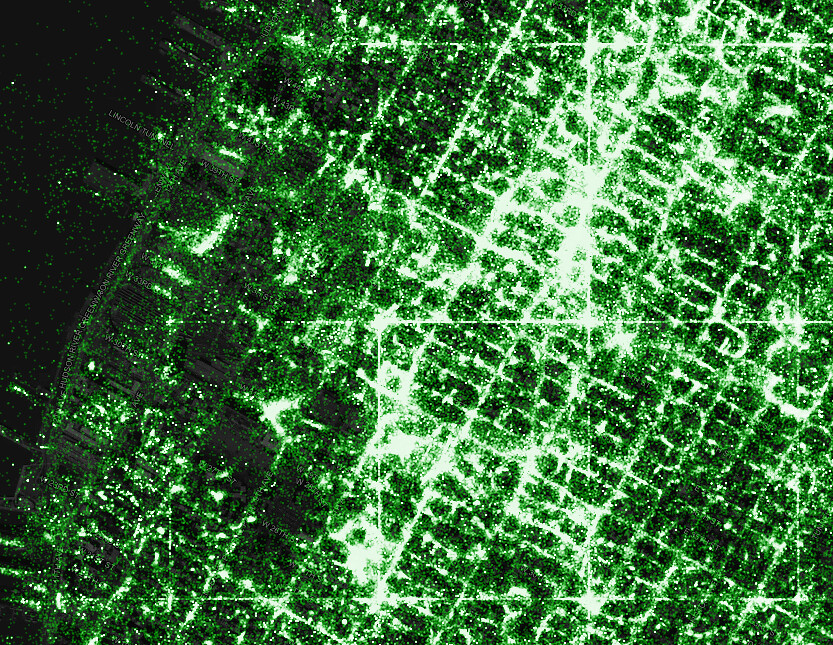
## [Making the most detailed tweet map ever](https://web.archive.org/web/20161220144946/https://www.mapbox.com/blog/twitter-map-every-tweet/) by Eric Fischer
|
||||
## [Making the most detailed tweet map ever](https://www.mapbox.com/blog/twitter-map-every-tweet/) by Eric Fischer
|
||||
|
||||
|
||||
|
||||
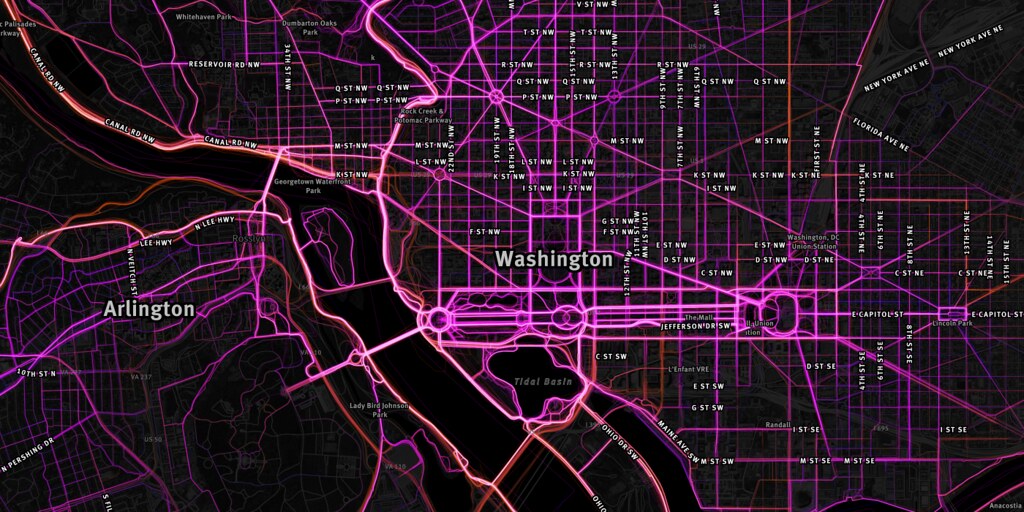
## [Superpowering Runkeeper's 1.5 million walks, runs, and bike rides](https://web.archive.org/web/20161219225305/https://www.mapbox.com/blog/runkeeper-million-routes/)
|
||||
## [Superpowering Runkeeper's 1.5 million walks, runs, and bike rides](https://www.mapbox.com/blog/runkeeper-million-routes/)
|
||||
|
||||
|
||||
|
||||
## [The Geotaggers' World Atlas](https://web.archive.org/web/20170319084321/https://www.mapbox.com/blog/geotaggers-world-atlas/) by Eric Fischer
|
||||
## [The Geotaggers' World Atlas](https://www.mapbox.com/blog/geotaggers-world-atlas/) by Eric Fischer
|
||||
|
||||

|
||||
|
||||
## [Atmospheric River](https://web.archive.org/web/20161011171030/https://www.mapbox.com/blog/atmospheric-river/)
|
||||
## [Atmospheric River](https://www.mapbox.com/blog/atmospheric-river/)
|
||||
|
||||

|
||||
|
||||
@@ -475,7 +475,7 @@ the same layer, enclose them in an `all` expression so they will all be evaluate
|
||||
* `-K` _distance_ or `--cluster-distance=`_distance_: Cluster points (as with `--cluster-densest-as-needed`, but without the experimental discovery process) that are approximately within _distance_ of each other. The units are tile coordinates within a nominally 256-pixel tile, so the maximum value of 255 allows only one feature per tile. Values around 10 are probably appropriate for typical marker sizes. See `--cluster-densest-as-needed` below for behavior.
|
||||
* `-k` _zoom_ or `--cluster-maxzoom=`_zoom_: Max zoom on which to cluster points if clustering is enabled.
|
||||
* `-kg` or `--cluster-maxzoom=g`: Set `--cluster-maxzoom=` to `maxzoom - 1` so that all features are visible at the maximum zoom level.
|
||||
* `--preserve-point-density-threshold=`_level_: At the low zoom levels, do not reduce point density below the specified _level_, even if the specified drop rate would normally call for it, so that low-density areas of the map do not appear blank. The unit is the distance between preserved points, as a fraction of the size of a tile. Values of 32 or 64 are probably appropriate for typical marker sizes.
|
||||
* `--preserve-point-density-threshold=`_level_: At the low zoom levels, do not reduce point density below the specified _level_, even if the specfied drop rate would normally call for it, so that low-density areas of the map do not appear blank. The unit is the distance between preserved points, as a fraction of the size of a tile. Values of 32 or 64 are probably appropriate for typical marker sizes.
|
||||
|
||||
### Dropping a fraction of features to keep under tile size limits
|
||||
|
||||
@@ -719,7 +719,7 @@ and perhaps
|
||||
make install
|
||||
|
||||
Tippecanoe now requires features from the 2011 C++ standard. If your compiler is older than
|
||||
that, you will need to install a newer one. On MacOS, updating to the latest XCode should
|
||||
that, you will need to install a newer one. On MacOS, updating to the lastest XCode should
|
||||
get you a new enough version of `clang++`. On Linux, you should be able to upgrade `g++` with
|
||||
|
||||
```
|
||||
|
||||
@@ -1683,7 +1683,7 @@ static bool feature_out(std::vector<tile_feature> const &features, mvt_layer &ou
|
||||
}
|
||||
}
|
||||
|
||||
outlayer.features.push_back(std::make_shared<mvt_feature>(outfeature));
|
||||
outlayer.features.push_back(std::move(outfeature));
|
||||
return true;
|
||||
}
|
||||
|
||||
@@ -1694,9 +1694,6 @@ static struct preservecmp {
|
||||
bool operator()(const mvt_feature &a, const mvt_feature &b) {
|
||||
return a.seq < b.seq;
|
||||
}
|
||||
bool operator()(const std::shared_ptr<mvt_feature> &a, const std::shared_ptr<mvt_feature> &b) {
|
||||
return a->seq < b->seq;
|
||||
}
|
||||
} preservecmp;
|
||||
|
||||
struct index_event {
|
||||
@@ -1822,10 +1819,49 @@ mvt_tile assign_to_bins(mvt_tile &features,
|
||||
std::set<std::string> exclude,
|
||||
std::vector<std::string> exclude_prefix,
|
||||
int buffer, std::vector<clipbbox> const &clipbboxes) {
|
||||
std::vector<index_event> events;
|
||||
key_pool key_pool;
|
||||
|
||||
if (bins.size() == 0) {
|
||||
return mvt_tile();
|
||||
}
|
||||
|
||||
// Index bins
|
||||
for (size_t i = 0; i < bins.size(); i++) {
|
||||
for (size_t j = 0; j < bins[i].features.size(); j++) {
|
||||
long long xmin, ymin, xmax, ymax;
|
||||
unsigned long long start, end;
|
||||
|
||||
get_bbox(bins[i].features[j].geometry, &xmin, &ymin, &xmax, &ymax, z, x, y, bins[i].detail());
|
||||
get_quadkey_bounds(xmin, ymin, xmax, ymax, &start, &end);
|
||||
events.emplace_back(start, index_event::ENTER, i, j, xmin, ymin, xmax, ymax);
|
||||
events.emplace_back(end, index_event::EXIT, i, j, xmin, ymin, xmax, ymax);
|
||||
}
|
||||
}
|
||||
|
||||
std::map<unsigned long long, std::pair<size_t, size_t>> fid_to_feature;
|
||||
|
||||
// Index points
|
||||
for (size_t i = 0; i < features.layers.size(); i++) {
|
||||
for (size_t j = 0; j < features.layers[i].features.size(); j++) {
|
||||
long long xmin, ymin, xmax, ymax;
|
||||
unsigned long long start, end;
|
||||
|
||||
if (features.layers[i].features[j].geometry.size() > 0) {
|
||||
if (features.layers[i].features[j].has_id) {
|
||||
fid_to_feature.emplace(features.layers[i].features[j].id, std::make_pair(i, j));
|
||||
}
|
||||
|
||||
get_bbox(features.layers[i].features[j].geometry, &xmin, &ymin, &xmax, &ymax, z, x, y, features.layers[i].detail());
|
||||
get_quadkey_bounds(xmin, ymin, xmax, ymax, &start, &end);
|
||||
events.emplace_back(start, index_event::CHECK, i, j, xmin, ymin, xmax, ymax);
|
||||
}
|
||||
}
|
||||
}
|
||||
|
||||
std::sort(events.begin(), events.end());
|
||||
std::set<active_bin> active;
|
||||
|
||||
mvt_layer outlayer;
|
||||
outlayer.extent = bins[0].extent;
|
||||
outlayer.version = 2;
|
||||
@@ -1833,43 +1869,40 @@ mvt_tile assign_to_bins(mvt_tile &features,
|
||||
|
||||
std::vector<std::vector<tile_feature>> outfeatures;
|
||||
|
||||
if (bin_by_id_list.size() > 0) {
|
||||
std::map<unsigned long long, std::pair<size_t, size_t>> fid_to_feature;
|
||||
for (size_t i = 0; i < features.layers.size(); i++) {
|
||||
for (size_t j = 0; j < features.layers[i].features.size(); j++) {
|
||||
if (features.layers[i].features[j]->geometry.size() > 0) {
|
||||
if (features.layers[i].features[j]->has_id) {
|
||||
fid_to_feature.emplace(features.layers[i].features[j]->id, std::make_pair(i, j));
|
||||
}
|
||||
for (auto &e : events) {
|
||||
if (e.kind == index_event::ENTER) {
|
||||
active_bin a(e.layer, e.feature);
|
||||
a.xmin = e.xmin;
|
||||
a.ymin = e.ymin;
|
||||
a.xmax = e.xmax;
|
||||
a.ymax = e.ymax;
|
||||
|
||||
const mvt_feature &bin = bins[e.layer].features[e.feature];
|
||||
|
||||
{
|
||||
tile_feature outfeature;
|
||||
for (auto const &g : bin.geometry) {
|
||||
outfeature.geom.emplace_back(g.op, g.x, g.y);
|
||||
}
|
||||
outfeature.t = bin.type;
|
||||
outfeature.has_id = bin.has_id;
|
||||
outfeature.id = bin.id;
|
||||
outfeature.tags = bin.tags;
|
||||
outfeature.layer = &bins[e.layer];
|
||||
outfeature.seq = e.feature;
|
||||
|
||||
a.outfeature = outfeatures.size();
|
||||
outfeatures.push_back({std::move(outfeature)});
|
||||
}
|
||||
}
|
||||
|
||||
for (auto &binlayer : bins) {
|
||||
size_t seq = 0;
|
||||
for (auto &bin : binlayer.features) {
|
||||
{
|
||||
tile_feature outfeature;
|
||||
for (auto const &g : bin->geometry) {
|
||||
outfeature.geom.emplace_back(g.op, g.x, g.y);
|
||||
}
|
||||
outfeature.t = bin->type;
|
||||
outfeature.has_id = bin->has_id;
|
||||
outfeature.id = bin->id;
|
||||
outfeature.tags = bin->tags;
|
||||
outfeature.layer = &binlayer;
|
||||
outfeature.seq = seq++;
|
||||
|
||||
outfeatures.push_back({std::move(outfeature)});
|
||||
}
|
||||
|
||||
for (size_t k = 0; k < bin->tags.size(); k += 2) {
|
||||
if (binlayer.keys[bin->tags[k]] == bin_by_id_list) {
|
||||
std::vector<size_t> ids = parse_ids_string(binlayer.values[bin->tags[k + 1]]);
|
||||
if (bin_by_id_list.size() > 0) {
|
||||
for (size_t k = 0; k < bin.tags.size(); k += 2) {
|
||||
if (bins[e.layer].keys[bin.tags[k]] == bin_by_id_list) {
|
||||
std::vector<size_t> ids = parse_ids_string(bins[e.layer].values[bin.tags[k + 1]]);
|
||||
for (auto &id : ids) {
|
||||
auto f = fid_to_feature.find(id);
|
||||
if (f != fid_to_feature.end()) {
|
||||
mvt_feature &feature = *features.layers[f->second.first].features[f->second.second];
|
||||
mvt_feature &feature = features.layers[f->second.first].features[f->second.second];
|
||||
if (feature.geometry.size() > 0) {
|
||||
tile_feature outfeature;
|
||||
for (auto const &g : feature.geometry) {
|
||||
@@ -1880,8 +1913,8 @@ mvt_tile assign_to_bins(mvt_tile &features,
|
||||
outfeature.has_id = feature.has_id;
|
||||
outfeature.id = feature.id;
|
||||
outfeature.tags = feature.tags;
|
||||
outfeature.layer = &features.layers[f->second.first];
|
||||
outfeature.seq = f->second.second;
|
||||
outfeature.layer = &features.layers[e.layer];
|
||||
outfeature.seq = e.feature;
|
||||
outfeatures.back().push_back(std::move(outfeature));
|
||||
}
|
||||
}
|
||||
@@ -1890,128 +1923,67 @@ mvt_tile assign_to_bins(mvt_tile &features,
|
||||
}
|
||||
}
|
||||
}
|
||||
}
|
||||
} else {
|
||||
std::vector<index_event> events;
|
||||
|
||||
// Index bins
|
||||
for (size_t i = 0; i < bins.size(); i++) {
|
||||
for (size_t j = 0; j < bins[i].features.size(); j++) {
|
||||
long long xmin, ymin, xmax, ymax;
|
||||
unsigned long long start, end;
|
||||
|
||||
get_bbox(bins[i].features[j]->geometry, &xmin, &ymin, &xmax, &ymax, z, x, y, bins[i].detail());
|
||||
get_quadkey_bounds(xmin, ymin, xmax, ymax, &start, &end);
|
||||
events.emplace_back(start, index_event::ENTER, i, j, xmin, ymin, xmax, ymax);
|
||||
events.emplace_back(end, index_event::EXIT, i, j, xmin, ymin, xmax, ymax);
|
||||
active.insert(std::move(a));
|
||||
} else if (e.kind == index_event::CHECK) {
|
||||
if (bin_by_id_list.size() > 0) {
|
||||
continue; // only bin by id, not geometrically
|
||||
}
|
||||
}
|
||||
|
||||
// Index points
|
||||
for (size_t i = 0; i < features.layers.size(); i++) {
|
||||
for (size_t j = 0; j < features.layers[i].features.size(); j++) {
|
||||
long long xmin, ymin, xmax, ymax;
|
||||
unsigned long long start, end;
|
||||
auto const &feature = features.layers[e.layer].features[e.feature];
|
||||
|
||||
if (features.layers[i].features[j]->geometry.size() > 0) {
|
||||
get_bbox(features.layers[i].features[j]->geometry, &xmin, &ymin, &xmax, &ymax, z, x, y, features.layers[i].detail());
|
||||
get_quadkey_bounds(xmin, ymin, xmax, ymax, &start, &end);
|
||||
events.emplace_back(start, index_event::CHECK, i, j, xmin, ymin, xmax, ymax);
|
||||
if (feature.geometry.size() == 0) {
|
||||
// already assigned by ID
|
||||
continue;
|
||||
}
|
||||
|
||||
// if we can't find a real match,
|
||||
// assign points to the most nearby bin
|
||||
ssize_t which_outfeature = outfeatures.size() - 1;
|
||||
|
||||
for (auto const &a : active) {
|
||||
auto const &bin = bins[a.layer].features[a.feature];
|
||||
|
||||
if (bbox_intersects(e.xmin, e.ymin, e.xmax, e.ymax,
|
||||
a.xmin, a.ymin, a.xmax, a.ymax)) {
|
||||
if (pnpoly_mp(bin.geometry, feature.geometry[0].x, feature.geometry[0].y)) {
|
||||
which_outfeature = a.outfeature;
|
||||
break;
|
||||
}
|
||||
}
|
||||
}
|
||||
}
|
||||
|
||||
std::sort(events.begin(), events.end());
|
||||
std::set<active_bin> active;
|
||||
|
||||
for (auto &e : events) {
|
||||
if (e.kind == index_event::ENTER) {
|
||||
active_bin a(e.layer, e.feature);
|
||||
a.xmin = e.xmin;
|
||||
a.ymin = e.ymin;
|
||||
a.xmax = e.xmax;
|
||||
a.ymax = e.ymax;
|
||||
|
||||
const mvt_feature &bin = *bins[e.layer].features[e.feature];
|
||||
|
||||
{
|
||||
tile_feature outfeature;
|
||||
for (auto const &g : bin.geometry) {
|
||||
outfeature.geom.emplace_back(g.op, g.x, g.y);
|
||||
}
|
||||
outfeature.t = bin.type;
|
||||
outfeature.has_id = bin.has_id;
|
||||
outfeature.id = bin.id;
|
||||
outfeature.tags = bin.tags;
|
||||
outfeature.layer = &bins[e.layer];
|
||||
outfeature.seq = e.feature;
|
||||
|
||||
a.outfeature = outfeatures.size();
|
||||
outfeatures.push_back({std::move(outfeature)});
|
||||
}
|
||||
|
||||
active.insert(std::move(a));
|
||||
} else if (e.kind == index_event::CHECK) {
|
||||
if (bin_by_id_list.size() > 0) {
|
||||
continue; // only bin by id, not geometrically
|
||||
}
|
||||
|
||||
auto const &feature = *features.layers[e.layer].features[e.feature];
|
||||
|
||||
if (feature.geometry.size() == 0) {
|
||||
// already assigned by ID
|
||||
continue;
|
||||
}
|
||||
|
||||
// if we can't find a real match,
|
||||
// assign points to the most nearby bin
|
||||
ssize_t which_outfeature = outfeatures.size() - 1;
|
||||
|
||||
for (auto const &a : active) {
|
||||
auto const &bin = *bins[a.layer].features[a.feature];
|
||||
|
||||
if (bbox_intersects(e.xmin, e.ymin, e.xmax, e.ymax,
|
||||
a.xmin, a.ymin, a.xmax, a.ymax)) {
|
||||
if (pnpoly_mp(bin.geometry, feature.geometry[0].x, feature.geometry[0].y)) {
|
||||
which_outfeature = a.outfeature;
|
||||
break;
|
||||
}
|
||||
}
|
||||
}
|
||||
|
||||
if (which_outfeature >= 0) {
|
||||
tile_feature outfeature;
|
||||
for (auto const &g : feature.geometry) {
|
||||
outfeature.geom.emplace_back(g.op, g.x, g.y);
|
||||
}
|
||||
outfeature.t = feature.type;
|
||||
outfeature.has_id = feature.has_id;
|
||||
outfeature.id = feature.id;
|
||||
outfeature.tags = feature.tags;
|
||||
outfeature.layer = &features.layers[e.layer];
|
||||
outfeature.seq = e.feature;
|
||||
outfeatures[which_outfeature].push_back(std::move(outfeature));
|
||||
}
|
||||
} else /* EXIT */ {
|
||||
auto const &found = active.find({e.layer, e.feature});
|
||||
if (found != active.end()) {
|
||||
active.erase(found);
|
||||
} else {
|
||||
fprintf(stderr, "event mismatch: can't happen\n");
|
||||
exit(EXIT_IMPOSSIBLE);
|
||||
}
|
||||
}
|
||||
}
|
||||
|
||||
key_pool key_pool;
|
||||
for (size_t i = 0; i < outfeatures.size(); i++) {
|
||||
if (outfeatures[i].size() > 1) {
|
||||
if (feature_out(outfeatures[i], outlayer,
|
||||
keep, exclude, exclude_prefix, attribute_accum,
|
||||
accumulate_numeric, key_pool, buffer, true,
|
||||
clipbboxes, z, x, y, NULL)) {
|
||||
mvt_feature &nfeature = *outlayer.features.back();
|
||||
mvt_feature &nfeature = outlayer.features.back();
|
||||
mvt_value val;
|
||||
val.type = mvt_uint;
|
||||
val.numeric_value.uint_value = outfeatures[i].size() - 1;
|
||||
@@ -2097,8 +2069,7 @@ std::string overzoom(std::vector<source_tile> const &tiles, int nz, int nx, int
|
||||
static const std::string retain_points_multiplier_first = "tippecanoe:retain_points_multiplier_first";
|
||||
static const std::string retain_points_multiplier_sequence = "tippecanoe:retain_points_multiplier_sequence";
|
||||
|
||||
for (auto feature_ref : layer.features) {
|
||||
auto feature = *feature_ref; // this needs to be a copy, because tile-join still needs the original unmutated
|
||||
for (auto feature : layer.features) {
|
||||
drawvec geom;
|
||||
int t = feature.type;
|
||||
|
||||
@@ -2572,7 +2543,6 @@ void coalesce_polygon(drawvec &geom, bool scale_up) {
|
||||
|
||||
// Clean the combined geometry
|
||||
geom = clean_or_clip_poly(geom, 0, 0, false, scale_up);
|
||||
return;
|
||||
}
|
||||
|
||||
i = j - 1;
|
||||
|
||||
+3
-3
@@ -60,11 +60,11 @@ void do_stats(mvt_tile &tile, size_t size, bool compressed, int z, unsigned x, u
|
||||
|
||||
size_t points = 0, lines = 0, polygons = 0;
|
||||
for (size_t j = 0; j < tile.layers[i].features.size(); j++) {
|
||||
if (tile.layers[i].features[j]->type == mvt_point) {
|
||||
if (tile.layers[i].features[j].type == mvt_point) {
|
||||
points++;
|
||||
} else if (tile.layers[i].features[j]->type == mvt_linestring) {
|
||||
} else if (tile.layers[i].features[j].type == mvt_linestring) {
|
||||
lines++;
|
||||
} else if (tile.layers[i].features[j]->type == mvt_polygon) {
|
||||
} else if (tile.layers[i].features[j].type == mvt_polygon) {
|
||||
polygons++;
|
||||
}
|
||||
}
|
||||
|
||||
+1
-1
@@ -6,7 +6,7 @@
|
||||
sudo yum install git clang sqlite-devel zlib-devel
|
||||
|
||||
2. Create a ZIP archive with the `tippecanoe` binary at `bin/tippecanoe` and upload as a Lambda layer
|
||||
3. Copy [tippecanoe.py](tippecanoe.py) (python 3.9 runtime)
|
||||
3. Copy [lambda_function.py](lambda_function.py) (python 3.9 runtime)
|
||||
4. set the environment variable `OUTPUT_BUCKET` to your output bucket; give lambda IAM role access to input/output buckets
|
||||
5. Enable ACLs on the output bucket
|
||||
|
||||
|
||||
@@ -278,7 +278,7 @@ bool mvt_tile::decode(const std::string &message, bool &was_compressed) {
|
||||
}
|
||||
}
|
||||
|
||||
layer.features.push_back(std::make_shared<mvt_feature>(feature));
|
||||
layer.features.push_back(std::move(feature));
|
||||
break;
|
||||
}
|
||||
|
||||
@@ -407,16 +407,16 @@ std::string mvt_tile::encode() {
|
||||
std::string feature_string;
|
||||
protozero::pbf_writer feature_writer(feature_string);
|
||||
|
||||
feature_writer.add_enum(3, layers[i].features[f]->type);
|
||||
feature_writer.add_enum(3, layers[i].features[f].type);
|
||||
|
||||
std::vector<unsigned> sorted_tags = layers[i].features[f]->tags;
|
||||
std::vector<unsigned> sorted_tags = layers[i].features[f].tags;
|
||||
for (size_t v = 1; v < sorted_tags.size(); v += 2) {
|
||||
sorted_tags[v] = mapping[sorted_tags[v]];
|
||||
}
|
||||
feature_writer.add_packed_uint32(2, std::begin(sorted_tags), std::end(sorted_tags));
|
||||
|
||||
if (layers[i].features[f]->has_id) {
|
||||
feature_writer.add_uint64(1, layers[i].features[f]->id);
|
||||
if (layers[i].features[f].has_id) {
|
||||
feature_writer.add_uint64(1, layers[i].features[f].id);
|
||||
}
|
||||
|
||||
std::vector<uint32_t> geometry;
|
||||
@@ -426,7 +426,7 @@ std::string mvt_tile::encode() {
|
||||
int cmd = -1;
|
||||
int length = 0;
|
||||
|
||||
std::vector<mvt_geometry> &geom = layers[i].features[f]->geometry;
|
||||
std::vector<mvt_geometry> &geom = layers[i].features[f].geometry;
|
||||
|
||||
for (size_t g = 0; g < geom.size(); g++) {
|
||||
int op = geom[g].op;
|
||||
|
||||
@@ -204,7 +204,7 @@ struct std::hash<mvt_value> {
|
||||
struct mvt_layer {
|
||||
int version = 0;
|
||||
std::string name = "";
|
||||
std::vector<std::shared_ptr<mvt_feature>> features{};
|
||||
std::vector<mvt_feature> features{};
|
||||
std::vector<std::string> keys{};
|
||||
std::vector<mvt_value> values{};
|
||||
long long extent = 0;
|
||||
|
||||
+6
-6
@@ -119,17 +119,17 @@ std::vector<mvt_layer> parse_layers(int fd, int z, unsigned x, unsigned y, std::
|
||||
}
|
||||
|
||||
for (auto const &feature : layer.features) {
|
||||
if (feature->type == mvt_point) {
|
||||
if (feature.type == mvt_point) {
|
||||
ts->second.points++;
|
||||
} else if (feature->type == mvt_linestring) {
|
||||
} else if (feature.type == mvt_linestring) {
|
||||
ts->second.lines++;
|
||||
} else if (feature->type == mvt_polygon) {
|
||||
} else if (feature.type == mvt_polygon) {
|
||||
ts->second.polygons++;
|
||||
}
|
||||
|
||||
for (size_t i = 0; i + 1 < feature->tags.size(); i += 2) {
|
||||
const std::string &key = layer.keys[feature->tags[i]];
|
||||
const mvt_value &val = layer.values[feature->tags[i + 1]];
|
||||
for (size_t i = 0; i + 1 < feature.tags.size(); i += 2) {
|
||||
const std::string &key = layer.keys[feature.tags[i]];
|
||||
const mvt_value &val = layer.values[feature.tags[i + 1]];
|
||||
|
||||
// Nulls can be excluded here because this is the postfilter
|
||||
// and it is nearly time to create the vector representation
|
||||
|
||||
+1
-1
@@ -398,7 +398,7 @@ std::vector<mvt_layer> parse_layers(FILE *fp, int z, unsigned x, unsigned y, int
|
||||
}
|
||||
}
|
||||
|
||||
l->second.features.push_back(std::make_shared<mvt_feature>(feature));
|
||||
l->second.features.push_back(feature);
|
||||
}
|
||||
|
||||
json_free(j);
|
||||
|
||||
@@ -9,6 +9,7 @@
|
||||
"maxzoom": "2",
|
||||
"minzoom": "0",
|
||||
"name": "tests/ne_110m_admin_0_countries/out/-z2_--convert-polygons-to-label-points.json.check.mbtiles",
|
||||
"strategies": "[{},{},{\"tiny_polygons\":1}]",
|
||||
"type": "overlay",
|
||||
"version": "2"
|
||||
}, "features": [
|
||||
|
||||
+6
-6
@@ -243,9 +243,9 @@ void append_tile(std::string message, int z, unsigned x, unsigned y, std::map<st
|
||||
// scaling up is safe while scaling down requires geometry cleaning.
|
||||
|
||||
for (size_t i = 0; i < outlayer.features.size(); i++) {
|
||||
for (size_t j = 0; j < outlayer.features[i]->geometry.size(); j++) {
|
||||
outlayer.features[i]->geometry[j].x = outlayer.features[i]->geometry[j].x * layer.extent / outlayer.extent;
|
||||
outlayer.features[i]->geometry[j].y = outlayer.features[i]->geometry[j].y * layer.extent / outlayer.extent;
|
||||
for (size_t j = 0; j < outlayer.features[i].geometry.size(); j++) {
|
||||
outlayer.features[i].geometry[j].x = outlayer.features[i].geometry[j].x * layer.extent / outlayer.extent;
|
||||
outlayer.features[i].geometry[j].y = outlayer.features[i].geometry[j].y * layer.extent / outlayer.extent;
|
||||
}
|
||||
}
|
||||
|
||||
@@ -261,7 +261,7 @@ void append_tile(std::string message, int z, unsigned x, unsigned y, std::map<st
|
||||
join_keys.resize(layer.features.size());
|
||||
|
||||
for (size_t f = 0; f < layer.features.size(); f++) {
|
||||
mvt_feature &feat = *layer.features[f];
|
||||
mvt_feature &feat = layer.features[f];
|
||||
join_keys[f].type = mvt_no_such_key;
|
||||
|
||||
for (size_t t = 0; t + 1 < feat.tags.size(); t += 2) {
|
||||
@@ -289,7 +289,7 @@ void append_tile(std::string message, int z, unsigned x, unsigned y, std::map<st
|
||||
bool features_added_to_layer = false;
|
||||
|
||||
for (size_t f = 0; f < layer.features.size(); f++) {
|
||||
mvt_feature &feat = *layer.features[f];
|
||||
mvt_feature &feat = layer.features[f];
|
||||
|
||||
std::set<std::string> exclude_attributes;
|
||||
if (filter != NULL && !evaluate(feat, layer, filter, exclude_attributes, z, unidecode_data)) {
|
||||
@@ -520,7 +520,7 @@ void append_tile(std::string message, int z, unsigned x, unsigned y, std::map<st
|
||||
|
||||
features_added++;
|
||||
features_added_to_layer = true;
|
||||
outlayer.features.push_back(std::make_shared<mvt_feature>(outfeature));
|
||||
outlayer.features.push_back(outfeature);
|
||||
|
||||
if (z < tilestats->second.minzoom) {
|
||||
tilestats->second.minzoom = z;
|
||||
|
||||
@@ -1354,7 +1354,7 @@ void *run_prefilter(void *v) {
|
||||
}
|
||||
|
||||
decode_meta(sf, tmp_layer, tmp_feature);
|
||||
tmp_layer.features.push_back(std::make_shared<mvt_feature>(tmp_feature));
|
||||
tmp_layer.features.push_back(tmp_feature);
|
||||
|
||||
layer_to_geojson(tmp_layer, 0, 0, 0, false, true, false, true, sf.index, sf.seq, sf.extent, true, state, 0, std::set<std::string>());
|
||||
}
|
||||
@@ -2003,9 +2003,7 @@ long long write_tile(decompressor *geoms, std::atomic<long long> *geompos_in, ch
|
||||
} else if (additional[A_COALESCE_DENSEST_AS_NEEDED]) {
|
||||
add_sample_to(gaps, sf.gap, gaps_increment, seq);
|
||||
if (sf.gap < mingap && find_feature_to_accumulate_onto(features, sf, which_serial_feature, layer_unmaps, LLONG_MAX)) {
|
||||
if (sf.t == VT_POINT || !line_is_too_small(sf.geometry, z, line_detail)) {
|
||||
coalesce_geometry(*features[which_serial_feature], sf);
|
||||
}
|
||||
coalesce_geometry(*features[which_serial_feature], sf);
|
||||
features[which_serial_feature]->coalesced = true;
|
||||
coalesced_area += sf.extent;
|
||||
preserve_attributes(arg->attribute_accum, sf, *features[which_serial_feature], key_pool);
|
||||
@@ -2027,9 +2025,7 @@ long long write_tile(decompressor *geoms, std::atomic<long long> *geompos_in, ch
|
||||
} else if (additional[A_COALESCE_SMALLEST_AS_NEEDED]) {
|
||||
add_sample_to(extents, sf.extent, extents_increment, seq);
|
||||
if (minextent != 0 && sf.extent + coalesced_area <= minextent && find_feature_to_accumulate_onto(features, sf, which_serial_feature, layer_unmaps, minextent)) {
|
||||
if (sf.t == VT_POINT || !line_is_too_small(sf.geometry, z, line_detail)) {
|
||||
coalesce_geometry(*features[which_serial_feature], sf);
|
||||
}
|
||||
coalesce_geometry(*features[which_serial_feature], sf);
|
||||
features[which_serial_feature]->coalesced = true;
|
||||
coalesced_area += sf.extent;
|
||||
preserve_attributes(arg->attribute_accum, sf, *features[which_serial_feature], key_pool);
|
||||
@@ -2049,9 +2045,7 @@ long long write_tile(decompressor *geoms, std::atomic<long long> *geompos_in, ch
|
||||
} else if (additional[A_COALESCE_FRACTION_AS_NEEDED]) {
|
||||
add_sample_to(drop_sequences, drop_sequence, drop_sequences_increment, seq);
|
||||
if (mindrop_sequence != 0 && drop_sequence <= mindrop_sequence && find_feature_to_accumulate_onto(features, sf, which_serial_feature, layer_unmaps, LLONG_MAX)) {
|
||||
if (sf.t == VT_POINT || !line_is_too_small(sf.geometry, z, line_detail)) {
|
||||
coalesce_geometry(*features[which_serial_feature], sf);
|
||||
}
|
||||
coalesce_geometry(*features[which_serial_feature], sf);
|
||||
features[which_serial_feature]->coalesced = true;
|
||||
preserve_attributes(arg->attribute_accum, sf, *features[which_serial_feature], key_pool);
|
||||
strategy.coalesced_as_needed++;
|
||||
@@ -2510,7 +2504,6 @@ long long write_tile(decompressor *geoms, std::atomic<long long> *geompos_in, ch
|
||||
// this is maxzoom; ok to stop early still because they said to limit abruptly
|
||||
layer_features.resize(limit_tile_feature_count_at_maxzoom);
|
||||
too_many_features = false; // don't try to drop; we have already truncated
|
||||
too_many_bytes = false; // don't try to drop; we have already truncated
|
||||
skipped = 0; // doesn't matter that we skipped features; we have truncated
|
||||
}
|
||||
} else if (limit_tile_feature_count != 0) {
|
||||
@@ -2518,7 +2511,6 @@ long long write_tile(decompressor *geoms, std::atomic<long long> *geompos_in, ch
|
||||
can_stop_early = false;
|
||||
layer_features.resize(limit_tile_feature_count);
|
||||
too_many_features = false; // don't try to drop; we have already truncated
|
||||
too_many_bytes = false; // don't try to drop; we have already truncated
|
||||
skipped = 0; // doesn't matter that we skipped features; we have truncated
|
||||
}
|
||||
}
|
||||
@@ -2587,7 +2579,7 @@ long long write_tile(decompressor *geoms, std::atomic<long long> *geompos_in, ch
|
||||
add_tilestats(layer.name, z, layermaps, tiling_seg, layer_unmaps, "tippecanoe_feature_density", sv);
|
||||
}
|
||||
|
||||
layer.features.push_back(std::make_shared<mvt_feature>(feature));
|
||||
layer.features.push_back(std::move(feature));
|
||||
layer_features[x] = std::make_shared<serial_feature>();
|
||||
}
|
||||
|
||||
|
||||
+1
-1
@@ -1,6 +1,6 @@
|
||||
#ifndef VERSION_HPP
|
||||
#define VERSION_HPP
|
||||
|
||||
#define VERSION "v2.78.0"
|
||||
#define VERSION "v2.77.0"
|
||||
|
||||
#endif
|
||||
|
||||
+1
-1
@@ -270,7 +270,7 @@ void write_coords(json_writer &state, lonlat const &ll, double scale) {
|
||||
|
||||
void layer_to_geojson(mvt_layer const &layer, unsigned z, unsigned x, unsigned y, bool comma, bool name, bool zoom, bool write_dropped, unsigned long long index, long long sequence, long long extent, bool complain, json_writer &state, double scale, std::set<std::string> const &include_attr) {
|
||||
for (size_t f = 0; f < layer.features.size(); f++) {
|
||||
mvt_feature const &feat = *layer.features[f];
|
||||
mvt_feature const &feat = layer.features[f];
|
||||
|
||||
state.json_write_hash();
|
||||
state.json_write_string("type");
|
||||
|
||||
Reference in New Issue
Block a user