mirror of
https://github.com/felt/tippecanoe.git
synced 2026-11-29 20:01:18 +01:00
Compare commits
32
Commits
| Author | SHA1 | Date | |
|---|---|---|---|
 Claude |
d8b9555905 | ||
|
Claude
|
80d79c72f1 | ||
|
Claude
|
bda6004ebe | ||
|
Erica FischerandClaude Opus 5
|
63fcac725a | ||
|
Erica FischerandClaude Opus 5
|
734bba7c78 | ||
|
Erica FischerandClaude Opus 5
|
1820630392 | ||
|
Erica FischerandClaude Opus 5
|
905fe84459 | ||
|
Erica FischerandClaude Opus 5
|
ec727172b1 | ||
|
Erica FischerandClaude Opus 5
|
e6e1ec3263 | ||
|
Brandon Keepers
|
1b060b7faf | ||
|
KBS
|
7c80fccdc1 | ||
|
Brandon Keepers
|
0badb242be | ||
|
Brandon Keepers
|
0dc1e00eee | ||
|
Denis Stadnikovanddstadnikov
|
0c650b881a | ||
|
Bas Couwenberg
|
7fc82a1796 | ||
|
Shane Loeffler
|
cb6cacef15 | ||
|
Shane Loeffler
|
eb9acf9d44 | ||
|
Stefan Keimandindus
|
a5805bd809 | ||
|
James Scott-Brown
|
d7b2892f98 | ||
|
Mike Jones
|
c82e4beee3 | ||
|
Erica Fischer
|
9a7ac5733f | ||
|
Erica Fischer
|
533e000faa | ||
|
Erica Fischer
|
68ab8dcc22 | ||
|
Drew Good
|
6dd49be6c9 | ||
|
Drew Good
|
c2a973d8f6 | ||
|
Drew Good
|
8ac730718a | ||
|
Erica Fischer
|
2d548bed06 | ||
|
Erica Fischer
|
94929b048c | ||
|
Erica Fischer
|
bfb62ee2db | ||
|
Robert Martin
|
a0532e73ac | ||
|
Denis Govorkov
|
9d1637f7c1 | ||
|
cbobinec
|
de4e1e478f |
@@ -19,3 +19,20 @@ jobs:
|
||||
run: brew install sqlite3
|
||||
- run: uname -a; BUILDTYPE=${{ matrix.version }} make
|
||||
- run: make test
|
||||
|
||||
docs:
|
||||
runs-on: ubuntu-latest
|
||||
steps:
|
||||
- uses: actions/checkout@v3
|
||||
# Pinned, because different go-md2man versions produce different roff
|
||||
# for the same input, which would make this check fail spuriously.
|
||||
- name: Install go-md2man
|
||||
run: go install github.com/cpuguy83/go-md2man/v2@v2.0.7
|
||||
- name: Regenerate the man page
|
||||
run: PATH="$PATH:$(go env GOPATH)/bin" make -B docs
|
||||
- name: Check that the man page is up to date with README.md
|
||||
run: |
|
||||
git diff --exit-code man/tippecanoe.1 || {
|
||||
echo "::error::man/tippecanoe.1 is out of date. Run 'make docs' and commit the result."
|
||||
exit 1
|
||||
}
|
||||
|
||||
@@ -38,6 +38,9 @@ tippecanoe-json-tool
|
||||
tippecanoe-overzoom
|
||||
unit
|
||||
|
||||
# Left behind if man page generation fails
|
||||
man/tippecanoe.1.tmp
|
||||
|
||||
# Tests
|
||||
tests/**/*.mbtiles
|
||||
tests/**/*.check
|
||||
|
||||
-110
@@ -1,110 +0,0 @@
|
||||
language: node_js
|
||||
node_js:
|
||||
- "6"
|
||||
|
||||
sudo: false
|
||||
|
||||
matrix:
|
||||
include:
|
||||
# test on docker+centos7
|
||||
- os: linux
|
||||
compiler: clang
|
||||
services:
|
||||
- docker
|
||||
sudo: true
|
||||
dist: trusty
|
||||
env: DOCKERFILE=Dockerfile.centos7
|
||||
before_install: []
|
||||
install:
|
||||
- docker build -t tippecanoe-image -f ${DOCKERFILE} .
|
||||
script:
|
||||
- docker run -it tippecanoe-image
|
||||
# test on docker+ubuntu
|
||||
- os: linux
|
||||
compiler: clang
|
||||
services:
|
||||
- docker
|
||||
sudo: true
|
||||
dist: trusty
|
||||
env: DOCKERFILE=Dockerfile
|
||||
before_install: []
|
||||
install:
|
||||
- docker build -t tippecanoe-image -f ${DOCKERFILE} .
|
||||
script:
|
||||
- docker run -it tippecanoe-image
|
||||
# debug+integer-santizer build
|
||||
- os: linux
|
||||
compiler: clang
|
||||
env: CLANG_VERSION='3.8.0' BUILDTYPE=Debug CC="clang-3.8" CXX="clang++-3.8" CXXFLAGS="-fsanitize=integer" CFLAGS="-fsanitize=integer" LDFLAGS="-fsanitize=integer"
|
||||
addons:
|
||||
apt:
|
||||
sources: ['ubuntu-toolchain-r-test' ]
|
||||
packages: [ 'libstdc++6','libstdc++-5-dev' ]
|
||||
# debug+leak+address-sanitizer build
|
||||
- os: linux
|
||||
compiler: clang
|
||||
env: CLANG_VERSION='3.8.0' BUILDTYPE=Debug ASAN_OPTIONS=detect_leaks=1 CC="clang-3.8" CXX="clang++-3.8" CXXFLAGS="-fsanitize=address,undefined" CFLAGS="-fsanitize=address,undefined" LDFLAGS="-fsanitize=address,undefined" FEWER=true
|
||||
addons:
|
||||
apt:
|
||||
sources: ['ubuntu-toolchain-r-test' ]
|
||||
packages: [ 'libstdc++6','libstdc++-5-dev' ]
|
||||
# coverage+debug build
|
||||
- os: linux
|
||||
compiler: clang
|
||||
env: CLANG_VERSION='3.8.0' BUILDTYPE=Debug CC="clang-3.8" CXX="clang++-3.8" CXXFLAGS="--coverage" CFLAGS="--coverage" LDFLAGS="--coverage"
|
||||
after_script:
|
||||
- mason install llvm-cov 3.9.1
|
||||
- mason link llvm-cov 3.9.1
|
||||
- which llvm-cov
|
||||
- curl -S -f https://codecov.io/bash -o codecov
|
||||
- chmod +x codecov
|
||||
- ./codecov -x "llvm-cov gcov" -Z
|
||||
addons:
|
||||
apt:
|
||||
sources: ['ubuntu-toolchain-r-test' ]
|
||||
packages: [ 'libstdc++6','libstdc++-5-dev' ]
|
||||
# release+linux+g++
|
||||
- os: linux
|
||||
compiler: gcc
|
||||
env: BUILDTYPE=Release CC="gcc-4.9" CXX="g++-4.9"
|
||||
addons:
|
||||
apt:
|
||||
sources: ['ubuntu-toolchain-r-test']
|
||||
packages: [ 'g++-4.9' ]
|
||||
# release+linux+clang++
|
||||
- os: linux
|
||||
compiler: clang
|
||||
env: CLANG_VERSION='3.8.0' BUILDTYPE=Release CC="clang-3.8" CXX="clang++-3.8"
|
||||
addons:
|
||||
apt:
|
||||
sources: ['ubuntu-toolchain-r-test' ]
|
||||
packages: [ 'libstdc++6','libstdc++-5-dev' ]
|
||||
# release+osx
|
||||
- os: osx
|
||||
compiler: clang
|
||||
env: BUILDTYPE=Release
|
||||
# debug+osx
|
||||
- os: osx
|
||||
compiler: clang
|
||||
env: BUILDTYPE=Debug
|
||||
|
||||
before_install:
|
||||
- DEPS_DIR="${TRAVIS_BUILD_DIR}/deps"
|
||||
- export PATH=${DEPS_DIR}/bin:${PATH} && mkdir -p ${DEPS_DIR}
|
||||
- |
|
||||
if [[ ${CLANG_VERSION:-false} != false ]]; then
|
||||
export CCOMPILER='clang'
|
||||
export CXXCOMPILER='clang++'
|
||||
CLANG_URL="https://mason-binaries.s3.amazonaws.com/${TRAVIS_OS_NAME}-x86_64/clang/${CLANG_VERSION}.tar.gz"
|
||||
travis_retry wget --quiet -O - ${CLANG_URL} | tar --strip-components=1 -xz -C ${DEPS_DIR}
|
||||
fi
|
||||
|
||||
install:
|
||||
- BUILDTYPE=${BUILDTYPE} make -j
|
||||
|
||||
script:
|
||||
- npm install geobuf
|
||||
- if [ -n "${FEWER}" ]; then
|
||||
BUILDTYPE=${BUILDTYPE} make fewer-tests; else
|
||||
BUILDTYPE=${BUILDTYPE} make test geobuf-test;
|
||||
fi
|
||||
@@ -1,3 +1,100 @@
|
||||
# 2.81.0
|
||||
|
||||
* Add `--drop-by-attribute-as-needed=`*attribute* to drop the features with
|
||||
the lowest values of a numeric attribute from oversized tiles, and
|
||||
`--drop-by-attribute-order=desc` to drop the highest values instead.
|
||||
Features exactly at the threshold are kept rather than dropped. (#384, #385)
|
||||
* Add `--exclude-all-tile-geometries` to tile-join, to produce tiles that
|
||||
carry only attributes. (#382)
|
||||
* Generate each tool's usage message from the same option table that
|
||||
`getopt_long()` reads, so the hand-written lists in tile-join,
|
||||
tippecanoe-overzoom, tippecanoe-json-tool, tippecanoe-decode, and
|
||||
tippecanoe-enumerate can no longer fall behind the options actually
|
||||
accepted. Options previously reachable only by their short names are now
|
||||
listed. tippecanoe-overzoom reports a missing `-o` instead of passing a
|
||||
null pointer to `fopen()`, and tippecanoe prints its usage when run with
|
||||
no arguments. (#409)
|
||||
* Fix the radix sort used by `--prefer-radix-sort`. A bucket written out
|
||||
directly rather than through the merge was written one byte longer than
|
||||
its length prefix claimed, desynchronizing everything read from the
|
||||
geometry after it. Subdividing could also recurse forever once it ran out
|
||||
of files to split with, shifting by the full width of the index and
|
||||
writing past the end of the arrays of buckets. Radix-sorted output is now
|
||||
checked against the in-memory sort rather than against a stored copy. (#404)
|
||||
* Read FlatGeobuf integer and float properties as numbers. They were tagged
|
||||
with types that the rest of tippecanoe does not treat as numeric, so they
|
||||
were reported in tilestats as "mixed", with quoted values and no min or
|
||||
max, and warned when used as a feature ID. ULong properties are now also
|
||||
read as unsigned rather than signed. (#395)
|
||||
* Respect the `-t` temporary directory option in sorting operations, which
|
||||
previously always used the system temporary directory. (#368)
|
||||
* Keep `--generate-variable-depth-tile-pyramid` from silently dropping
|
||||
features whose explicit per-feature `minzoom` is deeper than the zoom at
|
||||
which their region becomes a leaf. Such a feature was excluded from the
|
||||
leaf tile while its children were never generated, so it appeared at no
|
||||
zoom at all. (#397, #399)
|
||||
* Drop a polygon hole that no remaining ring can parent, instead of failing
|
||||
the whole run. Degenerate input could abort tiling over a single
|
||||
unrepresentable sliver. (#401)
|
||||
* Clamp the feature extent to the `long long` range before converting it,
|
||||
at both ends. The previous `extent <= LLONG_MAX` guard was doubly wrong:
|
||||
`LLONG_MAX` is not representable as a double and rounds up, so an extent
|
||||
at the very top of the range overflowed the conversion and came out as the
|
||||
most negative value rather than the largest, and the guard admitted
|
||||
everything below `LLONG_MIN` as well, which overflowed the other way. Areas
|
||||
are signed, so holes that outweigh their rings can reach the low end. (#406)
|
||||
* Initialize the full width of the `mvt_value` numeric union, which left the
|
||||
bytes of the wider unused member indeterminate even though the implicit
|
||||
copy constructor copies the union as a whole. (#406)
|
||||
* Replace all variable-length arrays with `std::vector` and `std::string`,
|
||||
and build with `-Wvla`. VLAs are a compiler extension rather than standard
|
||||
C++, and clang warns about every one of them by default. (#406)
|
||||
* Remove the unused Dockerfiles, Travis configuration, and lambda
|
||||
directory. (#365)
|
||||
* Correct README statements that disagreed with the code. Among them, `-aD`
|
||||
and `-aS` were documented the wrong way round,
|
||||
`--limit-base-zoom-to-maximum-zoom` was given as `-Pb` rather than `-pb`,
|
||||
and the dot-dropping description had both the fraction and the zoom
|
||||
direction backwards: tippecanoe keeps 1/2.5 of the dots at zooms below the
|
||||
base zoom, rather than dropping that share above it. (#410)
|
||||
* Generate `man/tippecanoe.1` with go-md2man rather than md2man-roff, which
|
||||
is packaged only as a Ruby gem and so had let the page drift out of date.
|
||||
The page now has a proper header and a NAME section, so `man -k` and
|
||||
`whatis` can find it, and no longer silently drops or mangles text the old
|
||||
converter mishandled. CI checks it against README.md. (#408)
|
||||
* Documentation fixes: correct three misspellings in the README and man
|
||||
page, repair the dead All Streets link, and tag more README code blocks
|
||||
with their language. (#375, #391, #400)
|
||||
|
||||
# 2.80.0
|
||||
|
||||
* Remove undocumented command-line options
|
||||
|
||||
# 2.79.0
|
||||
|
||||
* When deduplicating features by ID in tippecanoe-overzoom, be careful
|
||||
to track even features that have been clipped away.
|
||||
|
||||
# 2.78.0
|
||||
|
||||
* Fix potential infinite loops in as-needed dropping and coalescing.
|
||||
When the threshold cannot be increased, it is now an error, rather than
|
||||
falling back to trying to lower the detail.
|
||||
* Cleaning of complex polygon geometries now happens in stages
|
||||
to avoid performance problems when there are very large numbers
|
||||
of vertices.
|
||||
* Label point generation happens earlier in tiling, to avoid doing slow
|
||||
operations on polygons that will not be retained anyway.
|
||||
|
||||
# 2.77.0
|
||||
|
||||
* Add --deduplicate-by-id option to tippecanoe-overzoom
|
||||
|
||||
# 2.76.0
|
||||
|
||||
* Add missing case for accumulating the mean of attributes that are inconsistently present
|
||||
* Add --keep-point-cluster-position (#326)
|
||||
|
||||
# 2.75.1
|
||||
|
||||
* Further reduce memory consumption in attribute sorting and tilestats tracking
|
||||
|
||||
-20
@@ -1,20 +0,0 @@
|
||||
FROM ubuntu:22.04 AS tippecanoe-builder
|
||||
|
||||
RUN apt-get update \
|
||||
&& apt-get -y install make gcc g++ libsqlite3-dev zlib1g-dev
|
||||
|
||||
COPY . /tmp/tippecanoe-src
|
||||
WORKDIR /tmp/tippecanoe-src
|
||||
|
||||
RUN make
|
||||
|
||||
CMD make test
|
||||
|
||||
# Using multistage build reduces the docker image size by alot by only copying the needed binaries
|
||||
FROM ubuntu:22.04
|
||||
RUN apt-get update \
|
||||
&& apt-get -y install libsqlite3-0 \
|
||||
&& rm -rf /var/lib/apt/lists/*
|
||||
COPY --from=tippecanoe-builder /tmp/tippecanoe-src/tippecanoe* /usr/local/bin/
|
||||
COPY --from=tippecanoe-builder /tmp/tippecanoe-src/tile-join /usr/local/bin/
|
||||
WORKDIR /app
|
||||
@@ -1,15 +0,0 @@
|
||||
FROM centos:centos8
|
||||
|
||||
RUN yum install -y make sqlite-devel zlib-devel bash git gcc-c++
|
||||
|
||||
# Create a directory and copy in all files
|
||||
RUN mkdir -p /tmp/tippecanoe-src
|
||||
WORKDIR /tmp/tippecanoe-src
|
||||
COPY . /tmp/tippecanoe-src
|
||||
|
||||
# Build tippecanoe
|
||||
RUN make \
|
||||
&& make install
|
||||
|
||||
# Run the tests
|
||||
CMD make test
|
||||
+5
-5
@@ -1,19 +1,19 @@
|
||||
## [Visualizing a Month of Lightning](http://rousseau.io/2015/03/23/visualizing-a-month-of-lightning) by Jordan Rousseau
|
||||
## [Visualizing a Month of Lightning](https://medium.com/@jvrousseau/visualizing-a-month-of-lightning-8ab63d040d8c) by Jordan Rousseau
|
||||
|
||||

|
||||
|
||||
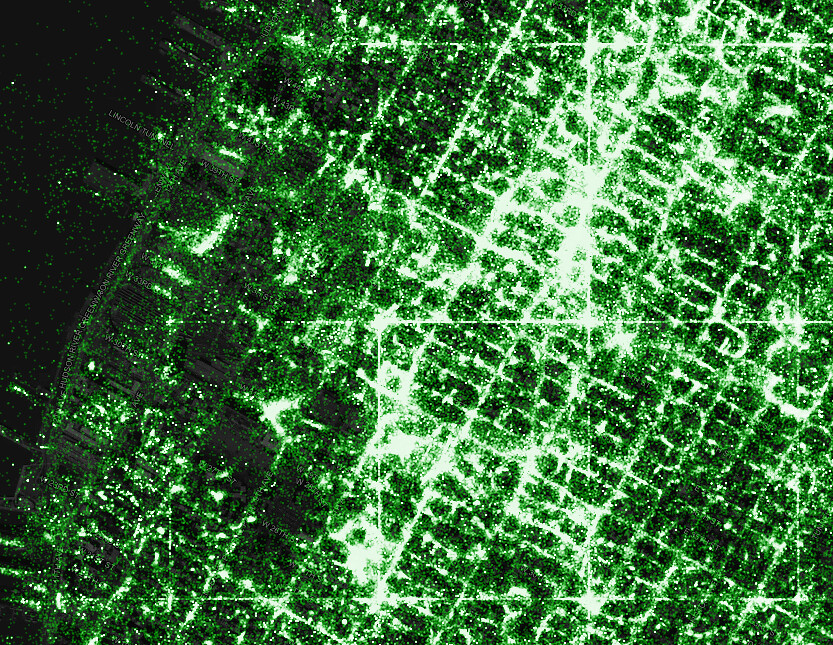
## [Making the most detailed tweet map ever](https://www.mapbox.com/blog/twitter-map-every-tweet/) by Eric Fischer
|
||||
## [Making the most detailed tweet map ever](https://web.archive.org/web/20161220144946/https://www.mapbox.com/blog/twitter-map-every-tweet/) by Eric Fischer
|
||||
|
||||
|
||||
|
||||
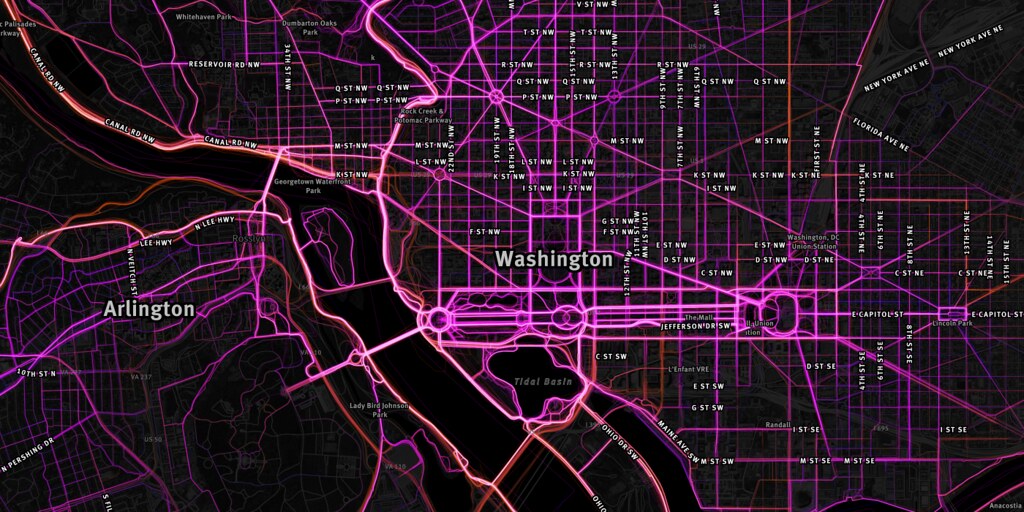
## [Superpowering Runkeeper's 1.5 million walks, runs, and bike rides](https://www.mapbox.com/blog/runkeeper-million-routes/)
|
||||
## [Superpowering Runkeeper's 1.5 million walks, runs, and bike rides](https://web.archive.org/web/20161219225305/https://www.mapbox.com/blog/runkeeper-million-routes/)
|
||||
|
||||
|
||||
|
||||
## [The Geotaggers' World Atlas](https://www.mapbox.com/blog/geotaggers-world-atlas/) by Eric Fischer
|
||||
## [The Geotaggers' World Atlas](https://web.archive.org/web/20170319084321/https://www.mapbox.com/blog/geotaggers-world-atlas/) by Eric Fischer
|
||||
|
||||

|
||||
|
||||
## [Atmospheric River](https://www.mapbox.com/blog/atmospheric-river/)
|
||||
## [Atmospheric River](https://web.archive.org/web/20161011171030/https://www.mapbox.com/blog/atmospheric-river/)
|
||||
|
||||

|
||||
|
||||
@@ -11,7 +11,7 @@ CXX := $(CXX)
|
||||
CFLAGS := $(CFLAGS) -fPIE -DBUILD_INFO=$(BUILD_INFO)
|
||||
CXXFLAGS := $(CXXFLAGS) -std=c++17 -fPIE -DBUILD_INFO=$(BUILD_INFO)
|
||||
LDFLAGS := $(LDFLAGS)
|
||||
WARNING_FLAGS := -Wall -Wshadow -Wsign-compare -Wextra -Wunreachable-code -Wuninitialized -Wshadow
|
||||
WARNING_FLAGS := -Wall -Wshadow -Wsign-compare -Wextra -Wunreachable-code -Wuninitialized -Wshadow -Wvla
|
||||
RELEASE_FLAGS := -O3 -DNDEBUG
|
||||
DEBUG_FLAGS := -O0 -DDEBUG -fno-inline-functions -fno-omit-frame-pointer
|
||||
|
||||
@@ -48,8 +48,44 @@ install: tippecanoe tippecanoe-enumerate tippecanoe-decode tile-join tippecanoe-
|
||||
uninstall:
|
||||
rm $(PREFIX)/bin/tippecanoe $(PREFIX)/bin/tippecanoe-enumerate $(PREFIX)/bin/tippecanoe-decode $(PREFIX)/bin/tile-join $(MANDIR)/tippecanoe.1 $(PREFIX)/bin/tippecanoe-json-tool
|
||||
|
||||
# The man page is generated from README.md by go-md2man, which is packaged for
|
||||
# most systems (`brew install go-md2man`, `apt-get install go-md2man`) or can be
|
||||
# built with `go install github.com/cpuguy83/go-md2man/v2@v2.0.7`. CI checks that
|
||||
# the committed man page matches the README, so you don't have to regenerate it
|
||||
# yourself if you don't have go-md2man installed.
|
||||
#
|
||||
# README.md has no .TH or NAME section of its own, since neither would make sense
|
||||
# on GitHub, so prepend them here. go-md2man reads the leading "%" line as the
|
||||
# man page's title, section, date, and source. The version deliberately doesn't
|
||||
# appear there: it would make this page a build product of version.hpp, so every
|
||||
# release would have to regenerate it just to rewrite that one line, and the docs
|
||||
# CI job would fail on any version bump that forgot to.
|
||||
#
|
||||
# Two fixups on the way out:
|
||||
#
|
||||
# - README.md's own title heading becomes the second .SH, right below the NAME
|
||||
# section added above, which reads as a stray "tippecanoe" section. Rename it
|
||||
# to DESCRIPTION, where the text under it belongs anyway.
|
||||
# - go-md2man separates paragraphs with a blank line in addition to the .PP
|
||||
# macro, and a blank line is itself a break in roff, so the two together
|
||||
# double-space the whole page. Drop them, except within .EX and .TS blocks,
|
||||
# where a blank line is part of the example or table rather than spacing.
|
||||
man/tippecanoe.1: README.md
|
||||
md2man-roff README.md > man/tippecanoe.1
|
||||
{ \
|
||||
echo '% TIPPECANOE 1 "" "tippecanoe"'; \
|
||||
echo; \
|
||||
echo '# NAME'; \
|
||||
echo; \
|
||||
echo 'tippecanoe - build vector tilesets from GeoJSON, FlatGeobuf, or CSV features'; \
|
||||
echo; \
|
||||
cat README.md; \
|
||||
} | go-md2man \
|
||||
| awk ' \
|
||||
/^\.SH / && ++sh == 2 { print ".SH DESCRIPTION"; next } \
|
||||
/^\.(EX|TS)$$/ { lit = 1 } \
|
||||
/^\.(EE|TE)$$/ { lit = 0 } \
|
||||
lit || !/^$$/ \
|
||||
' > $@.tmp && mv $@.tmp $@
|
||||
|
||||
PG=
|
||||
|
||||
@@ -59,25 +95,25 @@ C = $(wildcard *.c) $(wildcard *.cpp)
|
||||
INCLUDES = -I/usr/local/include -I. -Iclipper2/include
|
||||
LIBS = -L/usr/local/lib
|
||||
|
||||
tippecanoe: geojson.o jsonpull/jsonpull.o tile.o pool.o mbtiles.o geometry.o projection.o memfile.o mvt.o serial.o main.o platform.o text.o dirtiles.o pmtiles_file.o plugin.o read_json.o write_json.o geobuf.o flatgeobuf.o evaluator.o geocsv.o csv.o geojson-loop.o json_logger.o visvalingam.o compression.o clip.o sort.o attribute.o thread.o shared_borders.o clipper2/src/clipper.engine.o
|
||||
tippecanoe: geojson.o jsonpull/jsonpull.o tile.o pool.o mbtiles.o geometry.o projection.o memfile.o mvt.o serial.o main.o platform.o text.o dirtiles.o pmtiles_file.o plugin.o read_json.o write_json.o geobuf.o flatgeobuf.o evaluator.o geocsv.o csv.o geojson-loop.o json_logger.o visvalingam.o compression.o clip.o sort.o attribute.o thread.o shared_borders.o usage.o clipper2/src/clipper.engine.o
|
||||
$(CXX) $(PG) $(LIBS) $(FINAL_FLAGS) $(CXXFLAGS) -o $@ $^ $(LDFLAGS) -lm -lz -lsqlite3 -lpthread
|
||||
|
||||
tippecanoe-enumerate: enumerate.o
|
||||
tippecanoe-enumerate: enumerate.o usage.o
|
||||
$(CXX) $(PG) $(LIBS) $(FINAL_FLAGS) $(CXXFLAGS) -o $@ $^ $(LDFLAGS) -lsqlite3
|
||||
|
||||
tippecanoe-decode: decode.o projection.o mvt.o write_json.o text.o jsonpull/jsonpull.o dirtiles.o pmtiles_file.o
|
||||
tippecanoe-decode: decode.o projection.o mvt.o write_json.o text.o jsonpull/jsonpull.o dirtiles.o pmtiles_file.o usage.o
|
||||
$(CXX) $(PG) $(LIBS) $(FINAL_FLAGS) $(CXXFLAGS) -o $@ $^ $(LDFLAGS) -lm -lz -lsqlite3
|
||||
|
||||
tile-join: tile-join.o platform.o projection.o mbtiles.o mvt.o memfile.o dirtiles.o jsonpull/jsonpull.o text.o evaluator.o csv.o write_json.o pmtiles_file.o clip.o attribute.o thread.o read_json.o clipper2/src/clipper.engine.o
|
||||
tile-join: tile-join.o platform.o projection.o mbtiles.o mvt.o memfile.o dirtiles.o jsonpull/jsonpull.o text.o evaluator.o csv.o write_json.o pmtiles_file.o clip.o attribute.o thread.o read_json.o usage.o clipper2/src/clipper.engine.o
|
||||
$(CXX) $(PG) $(LIBS) $(FINAL_FLAGS) $(CXXFLAGS) -o $@ $^ $(LDFLAGS) -lm -lz -lsqlite3 -lpthread
|
||||
|
||||
tippecanoe-json-tool: jsontool.o jsonpull/jsonpull.o csv.o text.o geojson-loop.o
|
||||
tippecanoe-json-tool: jsontool.o jsonpull/jsonpull.o csv.o text.o geojson-loop.o usage.o
|
||||
$(CXX) $(PG) $(LIBS) $(FINAL_FLAGS) $(CXXFLAGS) -o $@ $^ $(LDFLAGS) -lm -lz -lsqlite3 -lpthread
|
||||
|
||||
unit: unit.o text.o sort.o mvt.o projection.o clip.o attribute.o jsonpull/jsonpull.o evaluator.o read_json.o clipper2/src/clipper.engine.o
|
||||
$(CXX) $(PG) $(LIBS) $(FINAL_FLAGS) $(CXXFLAGS) -o $@ $^ $(LDFLAGS) -lm -lz -lsqlite3 -lpthread
|
||||
|
||||
tippecanoe-overzoom: overzoom.o mvt.o clip.o evaluator.o jsonpull/jsonpull.o text.o attribute.o read_json.o projection.o read_json.o clipper2/src/clipper.engine.o
|
||||
tippecanoe-overzoom: overzoom.o mvt.o clip.o evaluator.o jsonpull/jsonpull.o text.o attribute.o read_json.o projection.o read_json.o usage.o clipper2/src/clipper.engine.o
|
||||
$(CXX) $(PG) $(LIBS) $(FINAL_FLAGS) $(CXXFLAGS) -o $@ $^ $(LDFLAGS) -lm -lz -lsqlite3 -lpthread
|
||||
|
||||
-include $(wildcard *.d)
|
||||
@@ -97,7 +133,7 @@ indent:
|
||||
TESTS = $(wildcard tests/*/out/*.json)
|
||||
SPACE = $(NULL) $(NULL)
|
||||
|
||||
test: tippecanoe tippecanoe-decode $(addsuffix .check,$(TESTS)) raw-tiles-test parallel-test pbf-test join-test enumerate-test decode-test join-filter-test unit json-tool-test allow-existing-test csv-test layer-json-test pmtiles-test decode-pmtiles-test overzoom-test accumulate-test
|
||||
test: tippecanoe tippecanoe-decode $(addsuffix .check,$(TESTS)) raw-tiles-test parallel-test radix-sort-test pbf-test join-test enumerate-test decode-test join-filter-test unit json-tool-test allow-existing-test csv-test layer-json-test pmtiles-test decode-pmtiles-test overzoom-test flatgeobuf-test
|
||||
./unit
|
||||
|
||||
suffixes = json json.gz
|
||||
@@ -108,6 +144,7 @@ suffixes = json json.gz
|
||||
# %22 for quoted quote
|
||||
# %2f for /
|
||||
# %3a for :
|
||||
# %3d for =
|
||||
# %5f for _
|
||||
# %7b for {
|
||||
|
||||
@@ -115,10 +152,11 @@ testargs = \
|
||||
$(subst %20,' ',\
|
||||
$(subst %22,'"',\
|
||||
$(subst %3a,:,\
|
||||
$(subst %2f,/,\
|
||||
$(subst %7b,'{',\
|
||||
$(subst %5f,'_',\
|
||||
$(subst _, ,$(1))))))))
|
||||
$(subst %3d,=,\
|
||||
$(subst %2f,/,\
|
||||
$(subst %7b,'{',\
|
||||
$(subst %5f,'_',\
|
||||
$(subst _, ,$(1)))))))))
|
||||
|
||||
%.json.check:
|
||||
./tippecanoe -q -a@ -f -o $@.mbtiles $(call testargs,$(patsubst %.json.check,%,$(word 4,$(subst /, ,$@)))) $(foreach suffix,$(suffixes),$(sort $(wildcard $(subst $(SPACE),/,$(wordlist 1,2,$(subst /, ,$@)))/*.$(suffix)))) < /dev/null
|
||||
@@ -132,7 +170,7 @@ nogeobuf = tests/overflow/out/-z0.json $(wildcard tests/stringid/out/*.json)
|
||||
geobuf-test: tippecanoe-json-tool $(addsuffix .checkbuf,$(filter-out $(nogeobuf),$(TESTS)))
|
||||
|
||||
# For quicker address sanitizer build, hope that regular JSON parsing is tested enough by parallel and join tests
|
||||
fewer-tests: tippecanoe tippecanoe-decode geobuf-test raw-tiles-test parallel-test pbf-test join-test enumerate-test decode-test join-filter-test unit
|
||||
fewer-tests: tippecanoe tippecanoe-decode geobuf-test raw-tiles-test parallel-test radix-sort-test pbf-test join-test enumerate-test decode-test join-filter-test unit
|
||||
|
||||
# XXX Use proper makefile rules instead of a for loop
|
||||
%.json.checkbuf:
|
||||
@@ -143,6 +181,42 @@ fewer-tests: tippecanoe tippecanoe-decode geobuf-test raw-tiles-test parallel-te
|
||||
cmp $@.out $(patsubst %.checkbuf,%,$@)
|
||||
rm $@.out $@.mbtiles
|
||||
|
||||
# The result of the sort must not depend on how the sort was performed, so instead of
|
||||
# checking the sorted output against an expected copy of it, check that sorting by radix
|
||||
# produces the same tiles as sorting in memory. --prefer-radix-sort lowers the memory
|
||||
# limit to 8K, which radix() then halves again, so the radix subdivision has to recurse
|
||||
# until each bucket is under 4K. How deeply that recurses depends on how many files the
|
||||
# machine will let us open at once, but the sorted result is the same either way, so
|
||||
# this comparison doesn't depend on that.
|
||||
#
|
||||
# What sends the sort down its rarely-taken paths is the shape of the input rather than
|
||||
# the size of it: a feature whose geometry alone is bigger than the memory limit is
|
||||
# sorted as a bucket of its own, and features that share a long run of leading index
|
||||
# bits have to be subdivided until there are no bits left. The first two inputs are
|
||||
# each one of those on purpose -- several separated features too big to sort in memory,
|
||||
# and many features at one location -- and the rest are for breadth.
|
||||
radix-sort-test: tippecanoe tippecanoe-decode
|
||||
mkdir -p tests/radix-sort
|
||||
perl -e 'for ($$f = 0; $$f < 8; $$f++) { print "{ \"type\": \"Feature\", \"properties\": { \"f\": $$f }, \"geometry\": { \"type\": \"LineString\", \"coordinates\": ["; for ($$i = 0; $$i < 2000; $$i++) { print "," unless $$i == 0; printf "[%f,%f]", $$f * 40 - 175 + $$i * 0.001, $$i % 2 * 0.5 - 20; } print "] } }\n"; }' > tests/radix-sort/bigfeatures.json
|
||||
perl -e 'for ($$i = 0; $$i < 500; $$i++) { print "{ \"type\": \"Feature\", \"properties\": { \"i\": $$i }, \"geometry\": { \"type\": \"Point\", \"coordinates\": [ 17, 42 ] } }\n"; }' > tests/radix-sort/onelocation.json
|
||||
$(MAKE) radix-sort-compare RADIXIN="tests/radix-sort/bigfeatures.json" RADIXARGS="-z4"
|
||||
$(MAKE) radix-sort-compare RADIXIN="tests/radix-sort/onelocation.json" RADIXARGS="-z4"
|
||||
$(MAKE) radix-sort-compare RADIXIN="tests/feature-filter/in.json" RADIXARGS="-z4"
|
||||
$(MAKE) radix-sort-compare RADIXIN="tests/ne_110m_ocean/in.json" RADIXARGS="-z4"
|
||||
$(MAKE) radix-sort-compare RADIXIN="tests/border/in.json" RADIXARGS="-z4"
|
||||
$(MAKE) radix-sort-compare RADIXIN="tests/loop/in.json" RADIXARGS="-z4"
|
||||
$(MAKE) radix-sort-compare RADIXIN="tests/tl_2022_11_tract/in.json.gz" RADIXARGS="-z4"
|
||||
$(MAKE) radix-sort-compare RADIXIN="tests/epsg-3857/in.json" RADIXARGS="-z4 -sEPSG:3857"
|
||||
rm -r tests/radix-sort
|
||||
|
||||
radix-sort-compare:
|
||||
./tippecanoe -q -f $(RADIXARGS) -o tests/radix-sort/memory.mbtiles $(RADIXIN)
|
||||
./tippecanoe -q -f $(RADIXARGS) -aR -o tests/radix-sort/radix.mbtiles $(RADIXIN)
|
||||
./tippecanoe-decode -x generator -x generator_options -x name -x description tests/radix-sort/memory.mbtiles > tests/radix-sort/memory.json
|
||||
./tippecanoe-decode -x generator -x generator_options -x name -x description tests/radix-sort/radix.mbtiles > tests/radix-sort/radix.json
|
||||
cmp tests/radix-sort/memory.json tests/radix-sort/radix.json
|
||||
rm tests/radix-sort/memory.mbtiles tests/radix-sort/radix.mbtiles tests/radix-sort/memory.json tests/radix-sort/radix.json
|
||||
|
||||
parallel-test: $(eval SHELL:=$(ADVSHELL))
|
||||
mkdir -p tests/parallel
|
||||
perl -e 'for ($$i = 0; $$i < 20; $$i++) { $$lon = rand(360) - 180; $$lat = rand(180) - 90; $$k = rand(1); $$v = rand(1); print "{ \"type\": \"Feature\", \"properties\": { \"yes\": \"no\", \"who\": 1, \"$$k\": \"$$v\" }, \"geometry\": { \"type\": \"Point\", \"coordinates\": [ $$lon, $$lat ] } }\n"; }' > tests/parallel/in1.json
|
||||
@@ -322,7 +396,7 @@ overzoom-test: tippecanoe-overzoom
|
||||
# Filtering
|
||||
# 243 features in the source tile tests/pbf/0-0-0-pop.pbf
|
||||
# 27 of them match the filter and are retained
|
||||
./tippecanoe-overzoom -y NAME -j'{"*":["SCALERANK","eq",0]}' -o tests/pbf/0-0-0-pop-expr.pbf tests/pbf/0-0-0-pop.pbf 0/0/0 0/0/0
|
||||
./tippecanoe-overzoom -y NAME -j'{"*":["==","SCALERANK",0]}' -o tests/pbf/0-0-0-pop-expr.pbf tests/pbf/0-0-0-pop.pbf 0/0/0 0/0/0
|
||||
./tippecanoe-decode tests/pbf/0-0-0-pop-expr.pbf 0 0 0 > tests/pbf/0-0-0-pop-expr.pbf.json.check
|
||||
cmp tests/pbf/0-0-0-pop-expr.pbf.json.check tests/pbf/0-0-0-pop-expr.pbf.json
|
||||
rm tests/pbf/0-0-0-pop-expr.pbf tests/pbf/0-0-0-pop-expr.pbf.json.check
|
||||
@@ -334,13 +408,13 @@ overzoom-test: tippecanoe-overzoom
|
||||
# Filtering with multiplier
|
||||
# 243 features in the source tile tests/pbf/0-0-0-pop.pbf
|
||||
# 8 features survive into the output, from 9 clusters of 30
|
||||
./tippecanoe-overzoom -y NAME -y SCALERANK -j'{"*":["SCALERANK","eq",0]}' -m -o tests/pbf/0-0-0-filter-mult.pbf tests/pbf/0-0-0-pop.pbf 0/0/0 0/0/0
|
||||
./tippecanoe-overzoom -y NAME -y SCALERANK -j'{"*":["==","SCALERANK",0]}' -m -o tests/pbf/0-0-0-filter-mult.pbf tests/pbf/0-0-0-pop.pbf 0/0/0 0/0/0
|
||||
./tippecanoe-decode tests/pbf/0-0-0-filter-mult.pbf 0 0 0 > tests/pbf/0-0-0-filter-mult.pbf.json.check
|
||||
cmp tests/pbf/0-0-0-filter-mult.pbf.json.check tests/pbf/0-0-0-filter-mult.pbf.json
|
||||
rm tests/pbf/0-0-0-filter-mult.pbf tests/pbf/0-0-0-filter-mult.pbf.json.check
|
||||
# Filtering with multiplier and preserve-input-order
|
||||
# 243 features in the source tile tests/pbf/0-0-0-pop.pbf
|
||||
./tippecanoe-overzoom -y NAME -y SCALERANK -j'{"*":["NAME","cn","e"]}' -m --preserve-input-order -o tests/pbf/0-0-0-filter-mult-order.pbf tests/pbf/0-0-0-pop.pbf 0/0/0 0/0/0
|
||||
./tippecanoe-overzoom -y NAME -y SCALERANK -y LATITUDE -j'{"*":[">","LATITUDE",40]}' -m --preserve-input-order -o tests/pbf/0-0-0-filter-mult-order.pbf tests/pbf/0-0-0-pop.pbf 0/0/0 0/0/0
|
||||
./tippecanoe-decode tests/pbf/0-0-0-filter-mult-order.pbf 0 0 0 > tests/pbf/0-0-0-filter-mult-order.pbf.json.check
|
||||
cmp tests/pbf/0-0-0-filter-mult-order.pbf.json.check tests/pbf/0-0-0-filter-mult-order.pbf.json
|
||||
rm tests/pbf/0-0-0-filter-mult-order.pbf tests/pbf/0-0-0-filter-mult-order.pbf.json.check
|
||||
@@ -352,97 +426,21 @@ overzoom-test: tippecanoe-overzoom
|
||||
./tippecanoe-decode tests/muni/out/out.dir/000.pbf 0 0 0 > tests/muni/out/out.dir/overzoomed.json
|
||||
cmp tests/muni/out/out.dir/overzoomed.json tests/muni/out/out.dir/direct.json
|
||||
rm -rf tests/muni/out/out.dir tests/muni/out/out.mbtiles tests/muni/out/out.dir/overzoomed.json tests/muni/out/out.dir/direct.json
|
||||
# Test filter with null attribute
|
||||
./tippecanoe-overzoom -j '{"*":["name","ni",[1,5,6,9]]}' -o tests/pbf/12-2145-1391-filter1.pbf tests/pbf/12-2145-1391.pbf 12/2145/1391 12/2145/1391
|
||||
./tippecanoe-decode tests/pbf/12-2145-1391-filter1.pbf 12 2145 1391 > tests/pbf/12-2145-1391-filter1.pbf.json.check
|
||||
cmp tests/pbf/12-2145-1391-filter1.pbf.json.check tests/pbf/12-2145-1391-filter1.pbf.json
|
||||
rm tests/pbf/12-2145-1391-filter1.pbf.json.check tests/pbf/12-2145-1391-filter1.pbf
|
||||
# Test filter with null attribute in "ni" list
|
||||
./tippecanoe-overzoom -j '{"*":["name","ni",[1,5,6,9,null]]}' -o tests/pbf/12-2145-1391-filter2.pbf tests/pbf/12-2145-1391.pbf 12/2145/1391 12/2145/1391
|
||||
./tippecanoe-decode tests/pbf/12-2145-1391-filter2.pbf 12 2145 1391 > tests/pbf/12-2145-1391-filter2.pbf.json.check
|
||||
cmp tests/pbf/12-2145-1391-filter2.pbf.json.check tests/pbf/12-2145-1391-filter2.pbf.json
|
||||
rm tests/pbf/12-2145-1391-filter2.pbf.json.check tests/pbf/12-2145-1391-filter2.pbf
|
||||
# Tiny polygon reduction
|
||||
./tippecanoe-overzoom --line-simplification=5 --tiny-polygon-size=50 -o tests/pbf/countries-0-0-0.pbf.out tests/pbf/countries-0-0-0.pbf 0/0/0 0/0/0
|
||||
./tippecanoe-decode tests/pbf/countries-0-0-0.pbf.out 0 0 0 > tests/pbf/countries-0-0-0.pbf.out.json.check
|
||||
cmp tests/pbf/countries-0-0-0.pbf.out.json.check tests/pbf/countries-0-0-0.pbf.out.json
|
||||
rm tests/pbf/countries-0-0-0.pbf.out tests/pbf/countries-0-0-0.pbf.out.json.check
|
||||
# Clipping to bounding box
|
||||
./tippecanoe-overzoom --clip-bounding-box 5,5,25.7,50 -o tests/pbf/countries-0-0-0-clip.pbf.out tests/pbf/countries-0-0-0.pbf 0/0/0 0/0/0
|
||||
./tippecanoe-decode tests/pbf/countries-0-0-0-clip.pbf.out 0 0 0 > tests/pbf/countries-0-0-0-clip.pbf.out.json.check
|
||||
cmp tests/pbf/countries-0-0-0-clip.pbf.out.json.check tests/pbf/countries-0-0-0-clip.pbf.out.json
|
||||
rm tests/pbf/countries-0-0-0-clip.pbf.out tests/pbf/countries-0-0-0-clip.pbf.out.json.check
|
||||
# Binning
|
||||
./tippecanoe-overzoom -o tests/pbf/bin-11-327-791.pbf.out --assign-to-bins tests/pbf/sf-zips.json tests/pbf/muni-11-327-791.pbf 11/327/791 11/327/791
|
||||
./tippecanoe-decode tests/pbf/bin-11-327-791.pbf.out 11 327 791 > tests/pbf/bin-11-327-791.pbf.out.json.check
|
||||
cmp tests/pbf/bin-11-327-791.pbf.out.json.check tests/pbf/bin-11-327-791.pbf.out.json
|
||||
rm tests/pbf/bin-11-327-791.pbf.out.json.check tests/pbf/bin-11-327-791.pbf.out
|
||||
# Binning by id
|
||||
./tippecanoe-overzoom -o tests/pbf/bin-11-327-791-ids.pbf.out --assign-to-bins tests/pbf/sf-zips.json --bin-by-id-list bin-ids tests/pbf/yearbuilt.pbf 11/327/791 11/327/791
|
||||
./tippecanoe-decode tests/pbf/bin-11-327-791-ids.pbf.out 11 327 791 > tests/pbf/bin-11-327-791-ids.pbf.out.json.check
|
||||
cmp tests/pbf/bin-11-327-791-ids.pbf.out.json.check tests/pbf/bin-11-327-791-ids.pbf.out.json
|
||||
rm tests/pbf/bin-11-327-791-ids.pbf.out.json.check tests/pbf/bin-11-327-791-ids.pbf.out
|
||||
# Binning by id, clipping by polygon
|
||||
./tippecanoe-overzoom -o tests/pbf/bin-11-327-791-ids-clip.pbf.out --clip-polygon='{"coordinates":[[[-122.4527379,37.8128815],[-122.4598853,37.7834743],[-122.4280914,37.7959397],[-122.4527379,37.8128815]]],"type":"Polygon"}' --assign-to-bins tests/pbf/sf-zips.json --bin-by-id-list bin-ids tests/pbf/yearbuilt.pbf 11/327/791 11/327/791
|
||||
./tippecanoe-decode tests/pbf/bin-11-327-791-ids-clip.pbf.out 11 327 791 > tests/pbf/bin-11-327-791-ids-clip.pbf.out.json.check
|
||||
cmp tests/pbf/bin-11-327-791-ids-clip.pbf.out.json.check tests/pbf/bin-11-327-791-ids-clip.pbf.out.json
|
||||
rm tests/pbf/bin-11-327-791-ids-clip.pbf.out.json.check tests/pbf/bin-11-327-791-ids-clip.pbf.out
|
||||
# Binning by id, clipping by polygon from file
|
||||
./tippecanoe-overzoom -o tests/pbf/bin-11-327-791-ids-clip.pbf.out --clip-polygon-file=tests/pbf/clip-poly.json --assign-to-bins tests/pbf/sf-zips.json --bin-by-id-list bin-ids tests/pbf/yearbuilt.pbf 11/327/791 11/327/791
|
||||
./tippecanoe-decode tests/pbf/bin-11-327-791-ids-clip.pbf.out 11 327 791 > tests/pbf/bin-11-327-791-ids-clip.pbf.out.json.check
|
||||
cmp tests/pbf/bin-11-327-791-ids-clip.pbf.out.json.check tests/pbf/bin-11-327-791-ids-clip.pbf.out.json
|
||||
rm tests/pbf/bin-11-327-791-ids-clip.pbf.out.json.check tests/pbf/bin-11-327-791-ids-clip.pbf.out
|
||||
# Binning by id, attribute stripping
|
||||
# Note that it still works even if we exclude the ID that we are binning by
|
||||
./tippecanoe-overzoom -yZCTA5CE10 -ytippecanoe:count -o tests/pbf/bin-11-327-791-ids-zip.pbf.out --assign-to-bins tests/pbf/sf-zips.json --bin-by-id-list bin-ids tests/pbf/yearbuilt.pbf 11/327/791 11/327/791
|
||||
./tippecanoe-decode tests/pbf/bin-11-327-791-ids-zip.pbf.out 11 327 791 > tests/pbf/bin-11-327-791-ids-zip.pbf.out.json.check
|
||||
cmp tests/pbf/bin-11-327-791-ids-zip.pbf.out.json.check tests/pbf/bin-11-327-791-ids-zip.pbf.out.json
|
||||
rm tests/pbf/bin-11-327-791-ids-zip.pbf.out.json.check tests/pbf/bin-11-327-791-ids-zip.pbf.out
|
||||
# Binning with longitude wraparound problems
|
||||
./tippecanoe-overzoom -o tests/pbf/0-0-0-pop-2-0-1.pbf.out --accumulate-numeric-attributes=tippecanoe --assign-to-bins tests/pbf/h3-2-0-1.geojson tests/pbf/0-0-0.pbf 2/0/1 2/0/1
|
||||
./tippecanoe-decode tests/pbf/0-0-0-pop-2-0-1.pbf.out 2 0 1 > tests/pbf/0-0-0-pop-2-0-1.pbf.out.json.check
|
||||
cmp tests/pbf/0-0-0-pop-2-0-1.pbf.out.json.check tests/pbf/0-0-0-pop-2-0-1.pbf.out.json
|
||||
rm tests/pbf/0-0-0-pop-2-0-1.pbf.out tests/pbf/0-0-0-pop-2-0-1.pbf.out.json.check
|
||||
./tippecanoe-overzoom -o tests/pbf/0-0-0-pop-1-1-0.pbf.out --accumulate-numeric-attributes=tippecanoe --assign-to-bins tests/pbf/h3-1-1-0.geojson tests/pbf/0-0-0.pbf 1/1/0 1/1/0
|
||||
./tippecanoe-decode tests/pbf/0-0-0-pop-1-1-0.pbf.out 1 1 0 > tests/pbf/0-0-0-pop-1-1-0.pbf.out.json.check
|
||||
cmp tests/pbf/0-0-0-pop-1-1-0.pbf.out.json.check tests/pbf/0-0-0-pop-1-1-0.pbf.out.json
|
||||
rm tests/pbf/0-0-0-pop-1-1-0.pbf.out tests/pbf/0-0-0-pop-1-1-0.pbf.out.json.check
|
||||
./tippecanoe-overzoom -o tests/pbf/0-0-0-pop-0-0-0.pbf.out --accumulate-numeric-attributes=tippecanoe --assign-to-bins tests/pbf/h3-0-0-0.geojson tests/pbf/0-0-0.pbf 0/0/0 0/0/0
|
||||
./tippecanoe-decode tests/pbf/0-0-0-pop-0-0-0.pbf.out 0 0 0 > tests/pbf/0-0-0-pop-0-0-0.pbf.out.json.check
|
||||
cmp tests/pbf/0-0-0-pop-0-0-0.pbf.out.json.check tests/pbf/0-0-0-pop-0-0-0.pbf.out.json
|
||||
rm tests/pbf/0-0-0-pop-0-0-0.pbf.out tests/pbf/0-0-0-pop-0-0-0.pbf.out.json.check
|
||||
# Binning, clipping to bounding box
|
||||
./tippecanoe-overzoom --clip-bounding-box 88,67.5,138,78 -o tests/pbf/0-0-0-pop-1-1-0-clip.pbf.out --accumulate-numeric-attributes=tippecanoe --assign-to-bins tests/pbf/h3-1-1-0.geojson tests/pbf/0-0-0.pbf 1/1/0 1/1/0
|
||||
./tippecanoe-decode tests/pbf/0-0-0-pop-1-1-0-clip.pbf.out 1 1 0 > tests/pbf/0-0-0-pop-1-1-0-clip.pbf.out.json.check
|
||||
cmp tests/pbf/0-0-0-pop-1-1-0-clip.pbf.out.json.check tests/pbf/0-0-0-pop-1-1-0-clip.pbf.out.json
|
||||
rm tests/pbf/0-0-0-pop-1-1-0-clip.pbf.out tests/pbf/0-0-0-pop-1-1-0-clip.pbf.out.json.check
|
||||
# Verify fix for crash
|
||||
./tippecanoe-overzoom '-o' tests/10188-crash/out.pbf '-t' '3/2/2' '--assign-to-bins' 'tests/10188-crash/bins.json' '--bin-by-id-list' 'felt:bin_features' '-b5' 'tests/10188-crash/2-0-0.pbf' '2/0/0'
|
||||
rm tests/10188-crash/out.pbf
|
||||
# Polygon clipping
|
||||
./tippecanoe-overzoom -o tests/pbf/countries-1-1-0-clip.pbf --clip-polygon "`cat tests/pbf/region.json`" tests/pbf/countries-1-1-0.pbf 1/1/0 1/1/0
|
||||
./tippecanoe-decode tests/pbf/countries-1-1-0-clip.pbf 1 1 0 > tests/pbf/countries-1-1-0-clip.json.check
|
||||
cmp tests/pbf/countries-1-1-0-clip.json.check tests/pbf/countries-1-1-0-clip.json
|
||||
rm tests/pbf/countries-1-1-0-clip.pbf tests/pbf/countries-1-1-0-clip.json.check
|
||||
# LineString clipping
|
||||
./tippecanoe-overzoom -o tests/pbf/roads-1-1-0-clip.pbf --clip-polygon "`cat tests/pbf/region.json`" tests/pbf/roads-1-1-0.pbf 1/1/0 1/1/0
|
||||
./tippecanoe-decode tests/pbf/roads-1-1-0-clip.pbf 1 1 0 > tests/pbf/roads-1-1-0-clip.json.check
|
||||
cmp tests/pbf/roads-1-1-0-clip.json.check tests/pbf/roads-1-1-0-clip.json
|
||||
rm tests/pbf/roads-1-1-0-clip.pbf tests/pbf/roads-1-1-0-clip.json.check
|
||||
# Point clipping
|
||||
./tippecanoe-overzoom -o tests/pbf/places-1-1-0-clip.pbf --clip-polygon "`cat tests/pbf/region.json`" tests/pbf/places-1-1-0.pbf 1/1/0 1/1/0
|
||||
./tippecanoe-decode tests/pbf/places-1-1-0-clip.pbf 1 1 0 > tests/pbf/places-1-1-0-clip.json.check
|
||||
cmp tests/pbf/places-1-1-0-clip.json.check tests/pbf/places-1-1-0-clip.json
|
||||
rm tests/pbf/places-1-1-0-clip.pbf tests/pbf/places-1-1-0-clip.json.check
|
||||
# Polygon clipping, with excessively large clip region
|
||||
./tippecanoe-overzoom -b10 -o tests/pbf/countries-8-135-86-bigclip.pbf --clip-polygon "`cat tests/pbf/region.json`" tests/pbf/countries-1-1-0.pbf 1/1/0 8/135/86
|
||||
./tippecanoe-decode tests/pbf/countries-8-135-86-bigclip.pbf 8 135 86 > tests/pbf/countries-8-135-86-bigclip.json.check
|
||||
cmp tests/pbf/countries-8-135-86-bigclip.json.check tests/pbf/countries-8-135-86-bigclip.json
|
||||
rm tests/pbf/countries-8-135-86-bigclip.pbf tests/pbf/countries-8-135-86-bigclip.json.check
|
||||
# Clip region that does not intersect with the tile
|
||||
./tippecanoe-overzoom -o tests/pbf/squirrels-13-2413-3077-clip.pbf --clip-polygon-file tests/pbf/squirrels-clip.json tests/pbf/squirrels-13-2413-3077.pbf 13/2413/3077 13/2413/3077
|
||||
cmp tests/pbf/squirrels-13-2413-3077-clip.pbf /dev/null # clipped away
|
||||
rm tests/pbf/squirrels-13-2413-3077-clip.pbf
|
||||
# Deduplication by feature ID
|
||||
./tippecanoe -z0 -f -e tests/pbf/1.json.dir -l layer tests/pbf/1.json
|
||||
./tippecanoe -z0 -f -e tests/pbf/2.json.dir -l layer tests/pbf/2.json
|
||||
./tippecanoe-overzoom -b0 -o tests/pbf/merged-nodedup.pbf -t 1/1/0 tests/pbf/1.json.dir/0/0/0.pbf 0/0/0 tests/pbf/2.json.dir/0/0/0.pbf 0/0/0
|
||||
./tippecanoe-decode tests/pbf/merged-nodedup.pbf 1 1 0 > tests/pbf/merged-nodedup.pbf.json.check
|
||||
cmp tests/pbf/merged-nodedup.pbf.json.check tests/pbf/merged-nodedup.pbf.json
|
||||
./tippecanoe-overzoom -b0 --deduplicate-by-id -o tests/pbf/merged-dedup.pbf -t 1/1/0 tests/pbf/1.json.dir/0/0/0.pbf 0/0/0 tests/pbf/2.json.dir/0/0/0.pbf 0/0/0
|
||||
./tippecanoe-decode tests/pbf/merged-dedup.pbf 1 1 0 > tests/pbf/merged-dedup.pbf.json.check
|
||||
cmp tests/pbf/merged-dedup.pbf.json.check tests/pbf/merged-dedup.pbf.json
|
||||
rm -r tests/pbf/1.json.dir tests/pbf/2.json.dir tests/pbf/merged-nodedup.pbf tests/pbf/merged-nodedup.pbf.json.check tests/pbf/merged-dedup.pbf tests/pbf/merged-dedup.pbf.json.check
|
||||
|
||||
join-test: tippecanoe tippecanoe-decode tile-join
|
||||
./tippecanoe -q -f -z12 -o tests/join-population/tabblock_06001420.mbtiles -YALAND10:'Land area' -L'{"file": "tests/join-population/tabblock_06001420.json", "description": "population"}'
|
||||
@@ -578,145 +576,6 @@ join-test: tippecanoe tippecanoe-decode tile-join
|
||||
./tippecanoe-decode -x generator tests/ne_110m_ocean/join/joined.mbtiles > tests/ne_110m_ocean/join/joined.mbtiles.json.check
|
||||
cmp tests/ne_110m_ocean/join/joined.mbtiles.json.check tests/ne_110m_ocean/join/joined.mbtiles.json
|
||||
rm -f tests/ne_110m_ocean/join/ocean.mbtiles tests/ne_110m_ocean/join/countries.mbtiles tests/ne_110m_ocean/join/joined.mbtiles tests/ne_110m_ocean/join/joined.mbtiles.json.check
|
||||
#
|
||||
# Test sql join
|
||||
#
|
||||
./tile-join -i -f -o tests/join-sql/countries.pmtiles --join-sqlite tests/join-sql/countries.gpkg --join-table countries --join-tile-attribute ne10-admin0:name_en --join-table-expression 'lower(country)' tests/join-sql/bboxes.pmtiles
|
||||
./tippecanoe-decode -x generator tests/join-sql/countries.pmtiles > tests/join-sql/countries.pmtiles.json.check
|
||||
cmp tests/join-sql/countries.pmtiles.json.check tests/join-sql/countries.pmtiles.json
|
||||
rm -f tests/join-sql/countries.pmtiles tests/join-sql/countries.pmtiles.json.check
|
||||
#
|
||||
# Test sql join with limit
|
||||
#
|
||||
./tile-join --join-count-limit 3 -i -f -o tests/join-sql/countries-limit3.pmtiles --join-sqlite tests/join-sql/countries.gpkg --join-table countries --join-tile-attribute ne10-admin0:name_en --join-table-expression 'lower(country)' tests/join-sql/bboxes.pmtiles
|
||||
./tippecanoe-decode -x generator tests/join-sql/countries-limit3.pmtiles > tests/join-sql/countries-limit3.pmtiles.json.check
|
||||
cmp tests/join-sql/countries-limit3.pmtiles.json.check tests/join-sql/countries-limit3.pmtiles.json
|
||||
rm -f tests/join-sql/countries-limit3.pmtiles tests/join-sql/countries-limit3.pmtiles.json.check
|
||||
|
||||
accumulate-test:
|
||||
# there are 144 features with POP1950 in the original dataset
|
||||
test `grep '"POP1950": [0-9]' tests/ne_110m_populated_places_nulls/in.json | wc -l` == 144
|
||||
# and 99 without it
|
||||
test `grep '"POP1950": null' tests/ne_110m_populated_places_nulls/in.json | wc -l` == 99
|
||||
./tippecanoe -yNAME -yPOP1950 -yclustered:cluster_size -yclustered:unrelated -q -z3 -r1.75 -b0 -f -e tests/pbf/accum.dir --accumulate-numeric-attributes=clustered --set-attribute '{"clustered:cluster_size":1}' --accumulate-attribute '{"clustered:cluster_size":"sum"}' --retain-points-multiplier 3 tests/ne_110m_populated_places_nulls/in.json
|
||||
# at this drop rate, there are 61 points at z0 that have no POP1950s clustered onto them....
|
||||
test `./tippecanoe-decode -c tests/pbf/accum.dir/0/0/0.pbf 0 0 0 | grep -v 'clustered:count:POP1950' | wc -l` == 61
|
||||
# 26 of which have no POP1950 at all
|
||||
test `./tippecanoe-decode -c tests/pbf/accum.dir/0/0/0.pbf 0 0 0 | grep -v 'POP1950' | wc -l` == 26
|
||||
# 35 of which do have POP1950
|
||||
test `./tippecanoe-decode -c tests/pbf/accum.dir/0/0/0.pbf 0 0 0 | grep -v 'clustered:count:POP1950' | grep 'POP1950' | wc -l` == 35
|
||||
# plus 60 that are clustered
|
||||
test `./tippecanoe-decode -c tests/pbf/accum.dir/0/0/0.pbf 0 0 0 | grep 'clustered:count:POP1950' | wc -l` == 60
|
||||
# the 60 clustered POP1950s have a total count of 109
|
||||
test `./tippecanoe-decode -c tests/pbf/accum.dir/0/0/0.pbf 0 0 0 | grep 'clustered:count:POP1950' | sed 's/.*"clustered:count:POP1950": //' | awk '{sum += $$1} END {print sum}'` == 109
|
||||
# we have already established that there are 36 bare POP1950s
|
||||
# which makes a total of 144, which is the total count expected
|
||||
#
|
||||
# meanwhile, regular attribute accumulation.
|
||||
# there are 121 features in the z0 tile, and they all have clustered:cluster_size
|
||||
test `./tippecanoe-decode -c tests/pbf/accum.dir/0/0/0.pbf 0 0 0 | grep 'clustered:cluster_size' | wc -l` == 121
|
||||
# there are no features that lack it.
|
||||
test `./tippecanoe-decode -c tests/pbf/accum.dir/0/0/0.pbf 0 0 0 | grep -v 'clustered:cluster_size' | wc -l` == 0
|
||||
# they add up to the 243 original features
|
||||
test `./tippecanoe-decode -c tests/pbf/accum.dir/0/0/0.pbf 0 0 0 | sed 's/.*clustered:cluster_size": //' | awk '{sum += $$1} END {print sum}'` == 243
|
||||
# Make sure we do *not* accumulate a numeric attribute that already has the magic prefix:
|
||||
test `./tippecanoe-decode -c tests/pbf/accum.dir/0/0/0.pbf 0 0 0 | grep sum:clustered:unrelated | wc -l` == 0
|
||||
# But that we *do* preserve those attributes into the output features:
|
||||
test `./tippecanoe-decode -c tests/pbf/accum.dir/0/0/0.pbf 0 0 0 | grep clustered:unrelated | wc -l` == 61
|
||||
#
|
||||
# on to the sums:
|
||||
# in the original data set, the POP1950s that are present add up to 161590
|
||||
test `grep '"POP1950": [0-9]' tests/ne_110m_populated_places_nulls/in.json | sed 's/.*"POP1950": //' | awk '{sum += $$1} END {print sum}' ` == 161590
|
||||
# in the z0 tile, the clustered POP1950s add up to 116967
|
||||
test `./tippecanoe-decode -c tests/pbf/accum.dir/0/0/0.pbf 0 0 0 | grep 'clustered:sum:POP1950' | sed 's/.*"clustered:sum:POP1950": //' | awk '{sum += $$1} END {print sum}'` == 116967
|
||||
# and the non-clustered ones add up to 44623
|
||||
test `./tippecanoe-decode -c tests/pbf/accum.dir/0/0/0.pbf 0 0 0 | grep -v 'clustered:sum:POP1950' | grep POP1950 | sed 's/.*"POP1950": //' | awk '{sum += $$1} END {print sum}'` == 44623
|
||||
# which is the correct 161590
|
||||
#
|
||||
# OK, so do these still hold after megatile filtering?
|
||||
./tippecanoe-overzoom --accumulate-numeric-attributes=clustered --accumulate-attribute '{"clustered:cluster_size":"sum"}' -m -o tests/pbf/accum-0-0-0.pbf tests/pbf/accum.dir/0/0/0.pbf 0/0/0 0/0/0
|
||||
# Now there are 40 features with POP1950 clusters
|
||||
test `./tippecanoe-decode -c tests/pbf/accum-0-0-0.pbf 0 0 0 | grep 'clustered:count:POP1950' | wc -l` == 40
|
||||
# There are 4 with bare POP1950
|
||||
test `./tippecanoe-decode -c tests/pbf/accum-0-0-0.pbf 0 0 0 | grep -v 'clustered:count:POP1950' | grep 'POP1950' | wc -l` == 4
|
||||
# And 2 with no POP1950 at all
|
||||
test `./tippecanoe-decode -c tests/pbf/accum-0-0-0.pbf 0 0 0 | grep -v 'POP1950' | wc -l` == 2
|
||||
# (which is the same as you get if you don't use -retain-points-multiplier when creating the tileset)
|
||||
#
|
||||
# the clustered and megatile-filtered POP1950s add up to 146370
|
||||
test `./tippecanoe-decode -c tests/pbf/accum-0-0-0.pbf 0 0 0 | grep 'clustered:sum:POP1950' | sed 's/.*"clustered:sum:POP1950": //' | awk '{sum += $$1} END {print sum}'` == 146370
|
||||
# the non-clustered but megatile-filtered POP1950s add up to 15220
|
||||
test `./tippecanoe-decode -c tests/pbf/accum-0-0-0.pbf 0 0 0 | grep -v 'clustered:sum:POP1950' | grep POP1950 | sed 's/.*"POP1950": //' | awk '{sum += $$1} END {print sum}'` == 15220
|
||||
# which add up to 161590 so we have the right global total
|
||||
# Make sure we do *not* accumulate a numeric attribute that already has the magic prefix:
|
||||
test `./tippecanoe-decode -c tests/pbf/accum-0-0-0.pbf 0 0 0 | grep sum:clustered:unrelated | wc -l` == 0
|
||||
# But that we *do* preserve those attributes into the output features:
|
||||
test `./tippecanoe-decode -c tests/pbf/accum-0-0-0.pbf 0 0 0 | grep clustered:unrelated | wc -l` == 22
|
||||
# the cluster sizes still add up to the 243 original features
|
||||
test `./tippecanoe-decode -c tests/pbf/accum-0-0-0.pbf 0 0 0 | sed 's/.*clustered:cluster_size": //' | awk '{sum += $$1} END {print sum}'` == 243
|
||||
#
|
||||
# We actually want to serve point tiles without the numeric accumulations,
|
||||
# but with cluster size, so test that combination:
|
||||
./tippecanoe-overzoom --accumulate-attribute '{"clustered:cluster_size":"sum"}' --exclude-prefix clustered:sum --exclude-prefix clustered:count --exclude-prefix clustered:min --exclude-prefix clustered:max --exclude-prefix clustered:mean -m -o tests/pbf/accum-0-0-0.pbf tests/pbf/accum.dir/0/0/0.pbf 0/0/0 0/0/0
|
||||
# There are no POP1950 clusters
|
||||
test `./tippecanoe-decode -c tests/pbf/accum-0-0-0.pbf 0 0 0 | grep 'clustered:count:POP1950' | wc -l` == 0
|
||||
# But there are still 28 with bare POP1950
|
||||
test `./tippecanoe-decode -c tests/pbf/accum-0-0-0.pbf 0 0 0 | grep -v 'clustered:count:POP1950' | grep 'POP1950' | wc -l` == 28
|
||||
# And 18 with no POP1950 at all
|
||||
test `./tippecanoe-decode -c tests/pbf/accum-0-0-0.pbf 0 0 0 | grep -v 'POP1950' | wc -l` == 18
|
||||
# which matches the 46 features that you get if you tile without --retain-points-multiplier.
|
||||
# the cluster sizes still add up to the 243 original features
|
||||
test `./tippecanoe-decode -c tests/pbf/accum-0-0-0.pbf 0 0 0 | sed 's/.*clustered:cluster_size": //' | awk '{sum += $$1} END {print sum}'` == 243
|
||||
#
|
||||
# Now on to binning!
|
||||
./tippecanoe-overzoom --assign-to-bins tests/pbf/h3-0-0-0.geojson --accumulate-numeric-attributes=clustered --accumulate-attribute '{"clustered:cluster_size":"sum"}' -o tests/pbf/bins-0-0-0.pbf tests/pbf/accum.dir/0/0/0.pbf 0/0/0 0/0/0
|
||||
# Now there are 30 bins with POP1950 clusters
|
||||
test `./tippecanoe-decode -c tests/pbf/bins-0-0-0.pbf 0 0 0 | grep 'clustered:count:POP1950' | wc -l` == 41
|
||||
# There are none with bare POP1950 (which is expected; we should only have summary statistics)
|
||||
test `./tippecanoe-decode -c tests/pbf/bins-0-0-0.pbf 0 0 0 | grep -v 'clustered:count:POP1950' | grep 'POP1950' | wc -l` == 0
|
||||
# And 4 with no POP1950 at all
|
||||
test `./tippecanoe-decode -c tests/pbf/bins-0-0-0.pbf 0 0 0 | grep -v 'POP1950' | wc -l` == 3
|
||||
#
|
||||
# the clustered and megatile-filtered and binned POP1950s add up to 161590
|
||||
test `./tippecanoe-decode -c tests/pbf/bins-0-0-0.pbf 0 0 0 | grep 'clustered:sum:POP1950' | sed 's/.*"clustered:sum:POP1950": //' | awk '{sum += $$1} END {print sum}'` == 161590
|
||||
# which is the right global total
|
||||
# Make sure we do *not* accumulate a numeric attribute that already has the magic prefix:
|
||||
test `./tippecanoe-decode -c tests/pbf/bins-0-0-0.pbf 0 0 0 | grep sum:clustered:unrelated | wc -l` == 0
|
||||
# And those attributes do *not* make it onto the bins
|
||||
test `./tippecanoe-decode -c tests/pbf/bins-0-0-0.pbf 0 0 0 | grep clustered:unrelated | wc -l` == 0
|
||||
# the cluster sizes still add up to the 243 original features
|
||||
test `./tippecanoe-decode -c tests/pbf/bins-0-0-0.pbf 0 0 0 | sed 's/.*clustered:cluster_size": //' | awk '{sum += $$1} END {print sum}'` == 243
|
||||
#
|
||||
# Binning with attribute stripping
|
||||
./tippecanoe-overzoom -y clustered:count:POP1950 -y clustered:sum:POP1950 -y POP1950 -y clustered:cluster_size --assign-to-bins tests/pbf/h3-0-0-0.geojson --accumulate-numeric-attributes=clustered --accumulate-attribute '{"clustered:cluster_size":"sum"}' -o tests/pbf/bins-0-0-0.pbf tests/pbf/accum.dir/0/0/0.pbf 0/0/0 0/0/0
|
||||
# Now there are 30 bins with POP1950 clusters
|
||||
test `./tippecanoe-decode -c tests/pbf/bins-0-0-0.pbf 0 0 0 | grep 'clustered:count:POP1950' | wc -l` == 41
|
||||
# There are none with bare POP1950 (which is expected; we should only have summary statistics)
|
||||
test `./tippecanoe-decode -c tests/pbf/bins-0-0-0.pbf 0 0 0 | grep -v 'clustered:count:POP1950' | grep 'POP1950' | wc -l` == 0
|
||||
# And 4 with no POP1950 at all
|
||||
test `./tippecanoe-decode -c tests/pbf/bins-0-0-0.pbf 0 0 0 | grep -v 'POP1950' | wc -l` == 3
|
||||
#
|
||||
# the clustered and megatile-filtered and binned POP1950s add up to 161590
|
||||
test `./tippecanoe-decode -c tests/pbf/bins-0-0-0.pbf 0 0 0 | grep 'clustered:sum:POP1950' | sed 's/.*"clustered:sum:POP1950": //' | awk '{sum += $$1} END {print sum}'` == 161590
|
||||
# which is the right global total
|
||||
# Make sure we do *not* accumulate a numeric attribute that already has the magic prefix:
|
||||
test `./tippecanoe-decode -c tests/pbf/bins-0-0-0.pbf 0 0 0 | grep sum:clustered:unrelated | wc -l` == 0
|
||||
# And those attributes do *not* make it onto the bins
|
||||
test `./tippecanoe-decode -c tests/pbf/bins-0-0-0.pbf 0 0 0 | grep clustered:unrelated | wc -l` == 0
|
||||
# the cluster sizes still add up to the 243 original features
|
||||
test `./tippecanoe-decode -c tests/pbf/bins-0-0-0.pbf 0 0 0 | sed 's/.*clustered:cluster_size": //' | awk '{sum += $$1} END {print sum}'` == 243
|
||||
#
|
||||
#
|
||||
# A tile where the counts and means were previously wrong:
|
||||
./tippecanoe-overzoom --accumulate-numeric-attributes=felt -m -o tests/pbf/yearbuilt-accum.pbf tests/pbf/yearbuilt.pbf 0/0/0 0/0/0
|
||||
./tippecanoe-decode tests/pbf/yearbuilt-accum.pbf 0 0 0 > tests/pbf/yearbuilt-accum.pbf.json.check
|
||||
cmp tests/pbf/yearbuilt-accum.pbf.json.check tests/pbf/yearbuilt-accum.pbf.json
|
||||
rm tests/pbf/yearbuilt-accum.pbf tests/pbf/yearbuilt-accum.pbf.json.check
|
||||
# Same tile, with attribute stripping
|
||||
./tippecanoe-overzoom --accumulate-numeric-attributes=felt -y bldgsqft -y felt:sum:bldgsqft -m -o tests/pbf/yearbuilt-accum-bldgsqft.pbf tests/pbf/yearbuilt.pbf 0/0/0 0/0/0
|
||||
./tippecanoe-decode tests/pbf/yearbuilt-accum-bldgsqft.pbf 0 0 0 > tests/pbf/yearbuilt-accum-bldgsqft.pbf.json.check
|
||||
cmp tests/pbf/yearbuilt-accum-bldgsqft.pbf.json.check tests/pbf/yearbuilt-accum-bldgsqft.pbf.json
|
||||
rm tests/pbf/yearbuilt-accum-bldgsqft.pbf tests/pbf/yearbuilt-accum-bldgsqft.pbf.json.check
|
||||
|
||||
join-filter-test: tippecanoe tippecanoe-decode tile-join
|
||||
# Comes out different from the direct tippecanoe run because null attributes are lost
|
||||
@@ -787,6 +646,12 @@ csv-test: tippecanoe tippecanoe-decode
|
||||
cmp tests/csv/out.mbtiles.json.check tests/csv/out.mbtiles.json
|
||||
rm -f tests/csv/out.mbtiles.json.check tests/csv/out.mbtiles
|
||||
|
||||
flatgeobuf-test: tippecanoe tippecanoe-decode
|
||||
./tippecanoe -q -f -z0 -l numeric-properties -o tests/flatgeobuf/numeric-properties.mbtiles tests/flatgeobuf/numeric-properties.fgb
|
||||
./tippecanoe-decode tests/flatgeobuf/numeric-properties.mbtiles 0 0 0 > tests/flatgeobuf/numeric-properties.json.check
|
||||
cmp tests/flatgeobuf/numeric-properties.json.check tests/flatgeobuf/numeric-properties.json
|
||||
rm -f tests/flatgeobuf/numeric-properties.mbtiles tests/flatgeobuf/numeric-properties.json.check
|
||||
|
||||
layer-json-test: tippecanoe tippecanoe-decode
|
||||
# GeoJSON with description and named layer
|
||||
./tippecanoe -q -z0 -r1 -yNAME -f -o tests/layer-json/out.mbtiles -L'{"file":"tests/ne_110m_populated_places/in.json", "description":"World cities", "layer":"places"}'
|
||||
|
||||
@@ -20,11 +20,11 @@ the density and texture of the data rather than a simplification from dropping
|
||||
supposedly unimportant features or clustering or aggregating them.
|
||||
|
||||
If you give it all of OpenStreetMap and zoom out, it should give you back
|
||||
something that looks like "[All Streets](http://benfry.com/allstreets/map5.html)"
|
||||
something that looks like "[All Streets](https://benfry.com/allstreets/)"
|
||||
rather than something that looks like an Interstate road atlas.
|
||||
|
||||
If you give it all the building footprints in Los Angeles and zoom out
|
||||
far enough that most individual buildings are no longer discernable, you
|
||||
far enough that most individual buildings are no longer discernible, you
|
||||
should still be able to see the extent and variety of development in every neighborhood,
|
||||
not just the largest downtown buildings.
|
||||
|
||||
@@ -57,8 +57,8 @@ compiler errors.
|
||||
Usage
|
||||
-----
|
||||
|
||||
```sh
|
||||
$ tippecanoe -o file.mbtiles [options] [file.json file.json.gz file.fgb ...]
|
||||
```
|
||||
$ tippecanoe -o file.mbtiles [options] [file.json file.json.gz file.fgb file.csv ...]
|
||||
```
|
||||
|
||||
If no files are specified, it reads GeoJSON from the standard input.
|
||||
@@ -99,7 +99,7 @@ $ tippecanoe -o alameda.mbtiles -l alameda -n "Alameda County from TIGER" -z13 t
|
||||
Create a tileset of all TIGER roads, at only zoom level 12, but with higher detail than normal,
|
||||
with a custom layer name and description, and leaving out the `LINEARID` and `RTTYP` attributes:
|
||||
|
||||
```
|
||||
```sh
|
||||
$ cat tiger/tl_2014_*_roads.json | tippecanoe -o tiger.mbtiles -l roads -n "All TIGER roads, one zoom" -z12 -Z12 -d14 -x LINEARID -x RTTYP
|
||||
```
|
||||
|
||||
@@ -108,7 +108,7 @@ Cookbook
|
||||
|
||||
### Linear features (world railroads), visible at all zoom levels
|
||||
|
||||
```
|
||||
```sh
|
||||
curl -L -O https://www.naturalearthdata.com/http//www.naturalearthdata.com/download/10m/cultural/ne_10m_railroads.zip
|
||||
unzip ne_10m_railroads.zip
|
||||
ogr2ogr -f GeoJSON ne_10m_railroads.geojson ne_10m_railroads.shp
|
||||
@@ -122,7 +122,7 @@ tippecanoe -zg -o ne_10m_railroads.mbtiles --drop-densest-as-needed --extend-zoo
|
||||
|
||||
### Discontinuous polygon features (buildings of Rhode Island), visible at all zoom levels
|
||||
|
||||
```
|
||||
```sh
|
||||
curl -L -O https://usbuildingdata.blob.core.windows.net/usbuildings-v1-1/RhodeIsland.zip
|
||||
unzip RhodeIsland.zip
|
||||
|
||||
@@ -135,7 +135,7 @@ tippecanoe -zg -o RhodeIsland.mbtiles --drop-densest-as-needed --extend-zooms-if
|
||||
|
||||
### Continuous polygon features (states and provinces), visible at all zoom levels
|
||||
|
||||
```
|
||||
```sh
|
||||
curl -L -O https://www.naturalearthdata.com/http//www.naturalearthdata.com/download/10m/cultural/ne_10m_admin_1_states_provinces.zip
|
||||
unzip -o ne_10m_admin_1_states_provinces.zip
|
||||
ogr2ogr -f GeoJSON ne_10m_admin_1_states_provinces.geojson ne_10m_admin_1_states_provinces.shp
|
||||
@@ -149,7 +149,7 @@ tippecanoe -zg -o ne_10m_admin_1_states_provinces.mbtiles --coalesce-densest-as-
|
||||
|
||||
### Large point dataset (GPS bus locations), for visualization at all zoom levels
|
||||
|
||||
```
|
||||
```sh
|
||||
curl -L -O ftp://avl-data.sfmta.com/avl_data/avl_raw/sfmtaAVLRawData01012013.csv
|
||||
sed 's/PREDICTABLE.*/PREDICTABLE/' sfmtaAVLRawData01012013.csv > sfmta.csv
|
||||
tippecanoe -zg -o sfmta.mbtiles --drop-densest-as-needed --extend-zooms-if-still-dropping sfmta.csv
|
||||
@@ -163,7 +163,7 @@ tippecanoe -zg -o sfmta.mbtiles --drop-densest-as-needed --extend-zooms-if-still
|
||||
|
||||
### Clustered points (world cities), summing the clustered population, visible at all zoom levels
|
||||
|
||||
```
|
||||
```sh
|
||||
curl -L -O https://www.naturalearthdata.com/http//www.naturalearthdata.com/download/10m/cultural/ne_10m_populated_places.zip
|
||||
unzip -o ne_10m_populated_places.zip
|
||||
ogr2ogr -f GeoJSON ne_10m_populated_places.geojson ne_10m_populated_places.shp
|
||||
@@ -178,7 +178,7 @@ tippecanoe -zg -o ne_10m_populated_places.mbtiles -r1 --cluster-distance=10 --ac
|
||||
|
||||
### Show countries at low zoom levels but states at higher zoom levels
|
||||
|
||||
```
|
||||
```sh
|
||||
curl -L -O https://www.naturalearthdata.com/http//www.naturalearthdata.com/download/10m/cultural/ne_10m_admin_0_countries.zip
|
||||
unzip ne_10m_admin_0_countries.zip
|
||||
ogr2ogr -f GeoJSON ne_10m_admin_0_countries.geojson ne_10m_admin_0_countries.shp
|
||||
@@ -206,7 +206,7 @@ States and Provinces:
|
||||
|
||||
### Represent multiple sources (Illinois and Indiana counties) as separate layers
|
||||
|
||||
```
|
||||
```sh
|
||||
curl -L -O https://www2.census.gov/geo/tiger/TIGER2010/COUNTY/2010/tl_2010_17_county10.zip
|
||||
unzip tl_2010_17_county10.zip
|
||||
ogr2ogr -f GeoJSON tl_2010_17_county10.geojson tl_2010_17_county10.shp
|
||||
@@ -224,7 +224,7 @@ tippecanoe -zg -o counties-separate.mbtiles --coalesce-densest-as-needed --exten
|
||||
|
||||
### Merge multiple sources (Illinois and Indiana counties) into the same layer
|
||||
|
||||
```
|
||||
```sh
|
||||
curl -L -O https://www2.census.gov/geo/tiger/TIGER2010/COUNTY/2010/tl_2010_17_county10.zip
|
||||
unzip tl_2010_17_county10.zip
|
||||
ogr2ogr -f GeoJSON tl_2010_17_county10.geojson tl_2010_17_county10.shp
|
||||
@@ -242,7 +242,7 @@ As above, but
|
||||
|
||||
### Selectively remove and replace features (Census tracts) to update a tileset
|
||||
|
||||
```
|
||||
```sh
|
||||
# Retrieve and tile California 2000 Census tracts
|
||||
curl -L -O https://www2.census.gov/geo/tiger/TIGER2010/TRACT/2000/tl_2010_06_tract00.zip
|
||||
unzip tl_2010_06_tract00.zip
|
||||
@@ -291,6 +291,11 @@ If your features have a lot of attributes, use `-y` to keep only the ones you re
|
||||
|
||||
If your input is formatted as newline-delimited GeoJSON, use `-P` to make input parsing a lot faster.
|
||||
|
||||
Many of the options below have a short form beginning with `-a` or `-p`. These are the
|
||||
`-a`_letters_ (`--additional=`_letters_) and `-p`_letters_ (`--prevent=`_letters_) options, and each
|
||||
accepts several letters at once, so for example `-ansd` is the same as `-an -as -ad`
|
||||
and `-pkC` is the same as `-pk -pC`.
|
||||
|
||||
### Output tileset
|
||||
|
||||
* `-o` _file_`.mbtiles`, _file_`.pmtiles` or `--output=`_file_`.mbtiles`: Name the output file.
|
||||
@@ -301,9 +306,9 @@ If your input is formatted as newline-delimited GeoJSON, use `-P` to make input
|
||||
|
||||
### Tileset description and attribution
|
||||
|
||||
* `-n` _name_ or `--name=`_name_: Human-readable name for the tileset (default file.json)
|
||||
* `-n` _name_ or `--name=`_name_: Human-readable name for the tileset (default: the name of the output file or directory)
|
||||
* `-A` _text_ or `--attribution=`_text_: Attribution (HTML) to be shown with maps that use data from this tileset.
|
||||
* `-N` _description_ or `--description=`_description_: Description for the tileset (default file.mbtiles)
|
||||
* `-N` _description_ or `--description=`_description_: Description for the tileset (default: the name of the output file or directory)
|
||||
|
||||
### Input files and layer names
|
||||
|
||||
@@ -316,11 +321,11 @@ If your input is formatted as newline-delimited GeoJSON, use `-P` to make input
|
||||
* `-L` _name_`:`_file.json_ or `--named-layer=`_name_`:`_file.json_: Specify layer names for individual files. If your shell supports it, you can use a subshell redirect like `-L` _name_`:<(cat dir/*.json)` to specify a layer name for the output of streamed input.
|
||||
* `-L{`_layer-json_`}` or `--named-layer={`_layer-json_`}`: Specify an input file and layer options by a JSON object. The JSON object must contain a `"file"` key to specify the filename to read from. (If the `"file"` key is an empty string, it means to read from the standard input stream.) It may also contain a `"layer"` field to specify the name of the layer, and/or a `"description"` field to specify the layer's description in the tileset metadata, and/or a `"format"` field to specify `csv` or `fgb` file format if it is not obvious from the `name`. Example:
|
||||
|
||||
```
|
||||
```sh
|
||||
tippecanoe -z5 -o world.mbtiles -L'{"file":"ne_10m_admin_0_countries.json", "layer":"countries", "description":"Natural Earth countries"}'
|
||||
```
|
||||
|
||||
CSV input files currently support only Point geometries, from columns named `latitude`, `longitude`, `lat`, `lon`, `long`, `lng`, `x`, or `y`.
|
||||
CSV input files currently support only Point geometries, from columns named `lat`, `lon`, `long`, `lng`, `x`, or `y`, or from any column whose name contains `latitude` or `longitude`. Column names are matched without regard to case.
|
||||
|
||||
### Parallel processing of input
|
||||
|
||||
@@ -352,7 +357,7 @@ Parallel processing will also be automatic if the input file is in FlatGeobuf fo
|
||||
specified maximum zoom and to any levels added beyond that.
|
||||
* `--extend-zooms-if-still-dropping-maximum=`_count_: Increase the maxzoom if features are still being dropped at that zoom level
|
||||
by up to _count_ zoom levels.
|
||||
* `-at` or `--generate-variable-depth-tile-pyramid`: Don't produce child tiles for any tile that should be sufficient to be overzoomed to any higher zoom level. Such tiles will be produced with maximum detail and no simplification or polygon cleaning. Tiles with point features below the basezoom or where any features have to be dropped dynamically, or which contain too many features or bytes with full detail, will be written out with normal detail and split into child tiles. Tilesets generated with this option are suitable for use only with tile servers that will find the appropriate tile to overzoom from and will simplify and clean the geometries appropriately before serving the tile.
|
||||
* `-at` or `--generate-variable-depth-tile-pyramid`: Don't produce child tiles for any tile that should be sufficient to be overzoomed to any higher zoom level. Such tiles will be produced with maximum detail, retaining every vertex that is not collinear with its neighbors, but their polygons are still cleaned so that overlapping areas are merged rather than left stacked. Tiles with point features below the basezoom, or which contain too many features or bytes with full detail, will be written out with normal detail and split into child tiles. If any features have to be dropped dynamically at a zoom level, no tile in that zoom level is truncated, so that the whole zoom level is reduced consistently; any tile that was already being skipped because an ancestor had been truncated is written out after all. Tilesets generated with this option are suitable for use only with tile servers that will find the appropriate tile to overzoom from and will simplify the geometries appropriately before serving the tile.
|
||||
* `-R` _zoom_`/`_x_`/`_y_ or `--one-tile=`_zoom_`/`_x_`/`_y_: Set the minzoom and maxzoom to _zoom_ and produce only
|
||||
the single specified tile at that zoom level.
|
||||
|
||||
@@ -415,11 +420,12 @@ be reduced to the maximum that can be used with the specified _maxzoom_.
|
||||
* `-Y`_attribute_`:`_description_ or `--attribute-description=`_attribute_`:`_description_: Set the `description` for the specified attribute in the tileset metadata to _description_ instead of the usual `String`, `Number`, or `Boolean`.
|
||||
* `-E`_attribute_`:`_operation_ or `--accumulate-attribute=`_attribute_`:`_operation_: Preserve the named _attribute_ from features
|
||||
that are dropped, coalesced-as-needed, or clustered. The _operation_ may be
|
||||
`sum`, `product`, `mean`, `max`, `min`, `concat`, or `comma`
|
||||
`sum`, `product`, `mean`, `max`, `min`, `concat`, `comma`, or `count`
|
||||
to specify how the named _attribute_ is accumulated onto the attribute of the same name in a feature that does survive.
|
||||
The attributes and operations may also be specified as JSON keys and values: `--accumulate-attribute='{"attr": "operation", "attr2", "operation2"}'`.
|
||||
(The `count` operation replaces the attribute with the number of features, including the survivor, that carried it.)
|
||||
The attributes and operations may also be specified as JSON keys and values: `--accumulate-attribute='{"attr": "operation", "attr2": "operation2"}'`.
|
||||
* `--set-attribute` _attribute_`:`_value_: Set the value of the specified _attribute_ in each feature to the specified _value_. This is mostly useful to give an attribute in each feature an initial value for `--accumulate-attribute`.
|
||||
The attributes and values may also be specified as JSON keys and values: `--set-attribute='{"attr": value, "attr2", value}'`.
|
||||
The attributes and values may also be specified as JSON keys and values: `--set-attribute='{"attr": value, "attr2": value}'`.
|
||||
* `-pe` or `--empty-csv-columns-are-null`: Treat empty CSV columns as nulls rather than as empty strings.
|
||||
* `-aI` or `--convert-stringified-ids-to-numbers`: If a feature ID is the string representation of a number, convert it to a plain number to use as the feature ID.
|
||||
* `--use-attribute-for-id=`*name*: Use the attribute with the specified *name* as if it were specified as the feature ID. (If this attribute is a stringified number, you must also use `-aI` to convert it to a number.)
|
||||
@@ -433,20 +439,20 @@ be reduced to the maximum that can be used with the specified _maxzoom_.
|
||||
|
||||
Example: to find the Natural Earth countries with low `scalerank` but high `LABELRANK`:
|
||||
|
||||
```
|
||||
```sh
|
||||
tippecanoe -z5 -o filtered.mbtiles -j '{ "ne_10m_admin_0_countries": [ "all", [ "<", "scalerank", 3 ], [ ">", "LABELRANK", 5 ] ] }' ne_10m_admin_0_countries.geojson
|
||||
```
|
||||
|
||||
Example: to retain only major TIGER roads at low zoom levels:
|
||||
|
||||
```
|
||||
```sh
|
||||
tippecanoe -o roads.mbtiles -j '{ "*": [ "any", [ ">=", "$zoom", 11 ], [ "in", "MTFCC", "S1100", "S1200" ] ] }' tl_2015_06001_roads.json
|
||||
```
|
||||
|
||||
Tippecanoe also accepts expressions of the form `[ "attribute-filter", name, expression ]`, to filter individual feature attributes
|
||||
instead of entire features. For example, you can exclude the road names at low zoom levels by doing
|
||||
|
||||
```
|
||||
```sh
|
||||
tippecanoe -o roads.mbtiles -j '{ "*": [ "attribute-filter", "FULLNAME", [ ">=", "$zoom", 9 ] ] }' tl_2015_06001_roads.json
|
||||
```
|
||||
|
||||
@@ -466,31 +472,34 @@ the same layer, enclose them in an `all` expression so they will all be evaluate
|
||||
If you use `-Bg`, it will guess a zoom level that will keep at most 50,000 features in the densest tile.
|
||||
You can also specify a marker-width with `-Bg`*width* to allow fewer features in the densest tile to
|
||||
compensate for the larger marker, or `-Bf`*number* to allow at most *number* features in the densest tile.
|
||||
* `--retain-points-multiplier=`_multiple_: Retain the specified multiple of points instead of just the number of points that would ordinarily be retained by the drop rate. These can be thinned out later with the `-m` option to `tippecanoe-overzoom`. The start of each cluster is marked in the feature sequence by the `tippecanoe:retain_points_multiplier_first` attribute. The `--tile-size-limit` will also be extended at low zoom levels to allow for the multiplied features.
|
||||
* `--retain-points-multiplier=`_multiple_: Retain the specified multiple of points instead of just the number of points that would ordinarily be retained by the drop rate. These can be thinned out later with the `-m` option to `tippecanoe-overzoom`. The start of each cluster is marked in the feature sequence by the `tippecanoe:retain_points_multiplier_first` attribute. The maximum tile size (`--maximum-tile-bytes`) will also be extended at low zoom levels to allow for the multiplied features.
|
||||
* `--drop-denser=`_percentage_: When dropping dots at zoom levels below the base zoom, give the specified _percentage_
|
||||
preference to retaining points in sparse areas and dropping points in dense areas.
|
||||
* `--limit-base-zoom-to-maximum-zoom` or `-Pb`: Limit the guessed base zoom not to exceed the maxzoom, even if this would put more than the requested number of features in a base zoom tile.
|
||||
* `--limit-base-zoom-to-maximum-zoom` or `-pb`: Limit the guessed base zoom not to exceed the maxzoom, even if this would put more than the requested number of features in a base zoom tile.
|
||||
* `-al` or `--drop-lines`: Let "dot" dropping at lower zooms apply to lines too
|
||||
* `-ap` or `--drop-polygons`: Let "dot" dropping at lower zooms apply to polygons too
|
||||
* `-K` _distance_ or `--cluster-distance=`_distance_: Cluster points (as with `--cluster-densest-as-needed`, but without the experimental discovery process) that are approximately within _distance_ of each other. The units are tile coordinates within a nominally 256-pixel tile, so the maximum value of 255 allows only one feature per tile. Values around 10 are probably appropriate for typical marker sizes. See `--cluster-densest-as-needed` below for behavior.
|
||||
* `-k` _zoom_ or `--cluster-maxzoom=`_zoom_: Max zoom on which to cluster points if clustering is enabled.
|
||||
* `-kg` or `--cluster-maxzoom=g`: Set `--cluster-maxzoom=` to `maxzoom - 1` so that all features are visible at the maximum zoom level.
|
||||
* `--preserve-point-density-threshold=`_level_: At the low zoom levels, do not reduce point density below the specified _level_, even if the specfied drop rate would normally call for it, so that low-density areas of the map do not appear blank. The unit is the distance between preserved points, as a fraction of the size of a tile. Values of 32 or 64 are probably appropriate for typical marker sizes.
|
||||
* `--preserve-point-density-threshold=`_level_: At the low zoom levels, do not reduce point density below the specified _level_, even if the specified drop rate would normally call for it, so that low-density areas of the map do not appear blank. The unit is the distance between preserved points, as a fraction of the size of a tile. Values of 32 or 64 are probably appropriate for typical marker sizes.
|
||||
* `--preserve-multiplier-density-threshold=`_level_: As with `--preserve-point-density-threshold`, but for the additional features retained by `--retain-points-multiplier`: features that would otherwise be dropped are instead added to the multiplier cluster if they are farther than the specified _level_ from the previous retained feature, so that sparse areas still have features available to be thinned to. The unit is the same as for `--preserve-point-density-threshold`.
|
||||
|
||||
### Dropping a fraction of features to keep under tile size limits
|
||||
|
||||
* `-as` or `--drop-densest-as-needed`: If a tile is too large, try to reduce it to under 500K by increasing the minimum spacing between features. The discovered spacing applies to the entire zoom level.
|
||||
* `-ad` or `--drop-fraction-as-needed`: Dynamically drop some fraction of features from each zoom level to keep large tiles under the 500K size limit. (This is like `-pd` but applies to the entire zoom level, not to each tile.)
|
||||
* `-an` or `--drop-smallest-as-needed`: Dynamically drop the smallest features (physically smallest: the shortest lines or the smallest polygons) from each zoom level to keep large tiles under the 500K size limit.
|
||||
* `--drop-by-attribute-as-needed=`_attribute_: Dynamically drop features with the lowest values of the specified numeric _attribute_ from each zoom level to keep large tiles under the 500K size limit. Use `--drop-by-attribute-order=desc` to instead drop features with the highest values.
|
||||
* `-aN` or `--coalesce-smallest-as-needed`: Dynamically combine the smallest features (physically smallest: the shortest lines or the smallest polygons or the densest points) from each zoom level into other nearby features to keep large tiles under the 500K size limit. This option will probably not help very much with LineStrings. It is mostly intended for polygons, to maintain the full original area covered by polygons while still reducing the feature count somehow. The attributes of the small polygons are *not* preserved into the combined features (except through `--accumulate-attribute`), only their geometry. Furthermore, the polygons to which nested polygons are coalesced may not necessarily be the immediately enclosing features.
|
||||
* `-aD` or `--coalesce-densest-as-needed`: Dynamically combine the densest features from each zoom level into other nearby features to keep large tiles under the 500K size limit. (Again, mostly useful for polygons.)
|
||||
* `-aS` or `--coalesce-fraction-as-needed`: Dynamically combine a fraction of features from each zoom level into other nearby features to keep large tiles under the 500K size limit. (Again, mostly useful for polygons.)
|
||||
* `-aS` or `--coalesce-densest-as-needed`: Dynamically combine the densest features from each zoom level into other nearby features to keep large tiles under the 500K size limit. (Again, mostly useful for polygons.)
|
||||
* `-aD` or `--coalesce-fraction-as-needed`: Dynamically combine a fraction of features from each zoom level into other nearby features to keep large tiles under the 500K size limit. (Again, mostly useful for polygons.)
|
||||
* `-pd` or `--force-feature-limit`: Dynamically drop some fraction of features from large tiles to keep them under the 500K size limit. It will probably look ugly at the tile boundaries. (This is like `-ad` but applies to each tile individually, not to the entire zoom level.) You probably don't want to use this.
|
||||
* `-aC` or `--cluster-densest-as-needed`: If a tile is too large, try to reduce its size by increasing the minimum spacing between features, and leaving one placeholder feature from each group. The remaining feature will be given a `"clustered": true` attribute to indicate that it represents a cluster, a `"point_count"` attribute to indicate the number of features that were clustered into it, and a `"sqrt_point_count"` attribute to indicate the relative width of a feature to represent the cluster. If the features being clustered are points, the representative feature will be located at the average of the original points' locations; otherwise, one of the original features will be left as the representative.
|
||||
* `-aC` or `--cluster-densest-as-needed`: If a tile is too large, try to reduce its size by increasing the minimum spacing between features, and leaving one placeholder feature from each group. The remaining feature will be given a `"clustered": true` attribute to indicate that it represents a cluster, a `"point_count"` attribute to indicate the number of features that were clustered into it, a `"point_count_abbreviated"` attribute containing that count abbreviated for display (for example `1.2k` or `15k`), and a `"sqrt_point_count"` attribute to indicate the relative width of a feature to represent the cluster. If the features being clustered are points, the representative feature will be located at the average of the original points' locations (unless you use `--keep-point-cluster-position`); otherwise, one of the original features will be left as the representative.
|
||||
* `-aa` or `--keep-point-cluster-position`: When clustering points, leave the representative feature at the location of the first point of the cluster instead of moving it to the average of the clustered points' locations.
|
||||
|
||||
### Dropping tightly overlapping features
|
||||
|
||||
* `-g` _gamma_ or `--gamma=_gamma`_: Rate at which especially dense dots are dropped (default 0, for no effect). A gamma of 2 reduces the number of dots less than a pixel apart to the square root of their original number.
|
||||
* `-g` _gamma_ or `--gamma=`_gamma_: Rate at which especially dense dots are dropped (default 0, for no effect). A gamma of 2 reduces the number of dots less than a pixel apart to the square root of their original number.
|
||||
* `-aG` or `--increase-gamma-as-needed`: If a tile is too large, try to reduce it to under 500K by increasing the `-g` gamma. The discovered gamma applies to the entire zoom level. You probably want to use `--drop-densest-as-needed` instead.
|
||||
|
||||
### Line and polygon simplification
|
||||
@@ -508,7 +517,7 @@ the same layer, enclose them in an `all` expression so they will all be evaluate
|
||||
|
||||
### Attempts to improve shared polygon boundaries
|
||||
|
||||
* `-ab` or `--detect-shared-borders`: DEPRECATED. In the manner of [TopoJSON](https://github.com/mbostock/topojson/wiki/Introduction), detect borders that are shared between multiple polygons and simplify them identically in each polygon. This takes more time and memory than considering each polygon individually. Use `no-simplification-of-shared-nodes` instead, which is faster and more correct.
|
||||
* `-ab` or `--detect-shared-borders`: DEPRECATED. In the manner of [TopoJSON](https://github.com/mbostock/topojson/wiki/Introduction), detect borders that are shared between multiple polygons and simplify them identically in each polygon. This takes more time and memory than considering each polygon individually. Use `--no-simplification-of-shared-nodes` instead, which is faster and more correct.
|
||||
* `-aL` or `--grid-low-zooms`: At all zoom levels below _maxzoom_, snap all lines and polygons to a stairstep grid instead of allowing diagonals. You will also want to specify a tile resolution, probably `-D8`. This option provides a way to display continuous parcel, gridded, or binned data at low zooms without overwhelming the tiles with tiny polygons, since features will either get stretched out to the grid unit or lost entirely, depending on how they happened to be aligned in the original data. You probably don't want to use this.
|
||||
|
||||
### Controlling clipping to tile boundaries
|
||||
@@ -567,9 +576,16 @@ the same layer, enclose them in an `all` expression so they will all be evaluate
|
||||
* `-q` or `--quiet`: Work quietly instead of reporting progress or warning messages
|
||||
* `-Q` or `--no-progress-indicator`: Don't report progress, but still give warnings
|
||||
* `-U` _seconds_ or `--progress-interval=`_seconds_: Don't report progress more often than the specified number of _seconds_.
|
||||
* `-u` or `--json-progress`: like `-quiet` but logs progress as a JSON object. Use in combination with `-U`.
|
||||
* `-u` or `--json-progress`: like `--quiet` but logs progress as a JSON object. Use in combination with `-U`.
|
||||
|
||||
### Version
|
||||
|
||||
* `-v` or `--version`: Report Tippecanoe's version number
|
||||
|
||||
### Help
|
||||
|
||||
* `-H` or `--help`: List the available options and exit
|
||||
|
||||
### Filters
|
||||
|
||||
* `-C` _command_ or `--prefilter=`_command_: Specify a shell filter command to be run at the start of assembling each tile
|
||||
@@ -597,7 +613,7 @@ contain `index`, `sequence`, `extent`, and `dropped`, elements, which must be pa
|
||||
* Make a tileset of the Natural Earth countries to zoom level 5, and also copy the GeoJSON features
|
||||
to files in a `tiles/z/x/y.geojson` directory hierarchy.
|
||||
|
||||
```
|
||||
```sh
|
||||
tippecanoe -o countries.mbtiles -z5 -C 'mkdir -p tiles/$1/$2; tee tiles/$1/$2/$3.geojson' ne_10m_admin_0_countries.json
|
||||
```
|
||||
|
||||
@@ -605,13 +621,13 @@ tippecanoe -o countries.mbtiles -z5 -C 'mkdir -p tiles/$1/$2; tee tiles/$1/$2/$3
|
||||
intersect the [bounding box of Germany](https://www.flickr.com/places/info/23424829).
|
||||
(The `limit-tiles-to-bbox` script is [in the Tippecanoe source directory](filters/limit-tiles-to-bbox).)
|
||||
|
||||
```
|
||||
```sh
|
||||
tippecanoe -o countries.mbtiles -z5 -C './filters/limit-tiles-to-bbox 5.8662 47.2702 15.0421 55.0581 $*' ne_10m_admin_0_countries.json
|
||||
```
|
||||
|
||||
* Make a tileset of TIGER roads in Tippecanoe County, leaving out all but primary and secondary roads (as [classified by TIGER](https://www.census.gov/geo/reference/mtfcc.html)) below zoom level 11.
|
||||
|
||||
```
|
||||
```sh
|
||||
tippecanoe -o roads.mbtiles -c 'if [ $1 -lt 11 ]; then grep "\"MTFCC\": \"S1[12]00\""; else cat; fi' tl_2016_18157_roads.json
|
||||
```
|
||||
|
||||
@@ -628,7 +644,7 @@ Tippecanoe defines a GeoJSON extension that you can use to specify the minimum a
|
||||
at which an individual feature will be included in the vector tileset being produced.
|
||||
If you have a feature like this:
|
||||
|
||||
```
|
||||
```json
|
||||
{
|
||||
"type" : "Feature",
|
||||
"tippecanoe" : { "maxzoom" : 9, "minzoom" : 4 },
|
||||
@@ -640,7 +656,7 @@ If you have a feature like this:
|
||||
}
|
||||
```
|
||||
|
||||
with a `tippecanoe` object specifiying a `maxzoom` of 9 and a `minzoom` of 4, the feature
|
||||
with a `tippecanoe` object specifying a `maxzoom` of 9 and a `minzoom` of 4, the feature
|
||||
will only appear in the vector tiles for zoom levels 4 through 9. Note that the `tippecanoe`
|
||||
object belongs to the Feature, not to its `properties`. If you specify a `minzoom` for a feature,
|
||||
it will be preserved down to that zoom level even if dot-dropping with `-r` would otherwise have
|
||||
@@ -649,7 +665,7 @@ dropped it.
|
||||
You can also specify a layer name in the `tippecanoe` object, which will take precedence over
|
||||
the filename or name specified using `--layer`, like this:
|
||||
|
||||
```
|
||||
```json
|
||||
{
|
||||
"type" : "Feature",
|
||||
"tippecanoe" : { "layer" : "streets" },
|
||||
@@ -673,11 +689,11 @@ Geometric simplifications
|
||||
At every zoom level, line and polygon features are subjected to Douglas-Peucker
|
||||
simplification to the resolution of the tile.
|
||||
|
||||
For point features, it drops 1/2.5 of the dots for each zoom level above the
|
||||
For point features, it keeps only 1/2.5 of the dots for each zoom level below the
|
||||
point base zoom (which is normally the same as the `-z` max zoom, but can be
|
||||
a different zoom specified with `-B` if you have precise but sparse data).
|
||||
I don't know why 2.5 is the appropriate number, but the densities of many different
|
||||
data sets fall off at about this same rate. You can use -r to specify a different rate.
|
||||
data sets fall off at about this same rate. You can use `-r` to specify a different rate.
|
||||
|
||||
You can use the gamma option to thin out especially dense clusters of points.
|
||||
For any area where dots are closer than one pixel together (at whatever zoom level),
|
||||
@@ -703,8 +719,13 @@ lower resolutions before failing if it still doesn't fit.
|
||||
Development
|
||||
-----------
|
||||
|
||||
Requires sqlite3 and zlib (should already be installed on MacOS). Rebuilding the manpage
|
||||
uses md2man (`gem install md2man`).
|
||||
Requires sqlite3 and zlib (should already be installed on MacOS).
|
||||
|
||||
The manpage is generated from this README by `make docs`, which uses
|
||||
[go-md2man](https://github.com/cpuguy83/go-md2man) (`brew install go-md2man` or
|
||||
`apt-get install go-md2man`). You don't have to run it yourself: CI regenerates the
|
||||
manpage and fails if the committed copy doesn't match, so it will tell you if an
|
||||
edit here needs `make docs` run against it.
|
||||
|
||||
Linux:
|
||||
|
||||
@@ -718,15 +739,16 @@ and perhaps
|
||||
|
||||
make install
|
||||
|
||||
Tippecanoe now requires features from the 2011 C++ standard. If your compiler is older than
|
||||
that, you will need to install a newer one. On MacOS, updating to the lastest XCode should
|
||||
get you a new enough version of `clang++`. On Linux, you should be able to upgrade `g++` with
|
||||
Tippecanoe requires features from the 2017 C++ standard (it is built with `-std=c++17`).
|
||||
If your compiler is older than that, you will need to install a newer one. On MacOS, updating
|
||||
to the latest XCode should get you a new enough version of `clang++`. On Linux, you should be
|
||||
able to upgrade `g++` with
|
||||
|
||||
```
|
||||
```sh
|
||||
sudo add-apt-repository -y ppa:ubuntu-toolchain-r/test
|
||||
sudo apt-get update -y
|
||||
sudo apt-get install -y g++-5
|
||||
export CXX=g++-5
|
||||
sudo apt-get install -y g++-9
|
||||
export CXX=g++-9
|
||||
```
|
||||
|
||||
Docker Image
|
||||
@@ -779,11 +801,14 @@ The options are:
|
||||
* `-o` *out.mbtiles*, *out.pmtiles* or `--output=`*out.mbtiles*: Write the new tiles to the specified .mbtiles file.
|
||||
* `-e` *directory* or `--output-to-directory=`*directory*: Write the new tiles to the specified directory instead of to an mbtiles file.
|
||||
* `-f` or `--force`: Remove *out.mbtiles* if it already exists.
|
||||
* `-r` or `--read-from`: list of input mbtiles to read from.
|
||||
|
||||
### Input tilesets
|
||||
|
||||
* `-r` *file* or `--read-from=`*file*: Read the list of input tilesets from the named *file*, one filename per line, instead of naming them all on the command line.
|
||||
|
||||
### Overzooming
|
||||
|
||||
* `--overzoom`: If one of the source tilesets has a larger maxzoom than the others, scale up tiles from the tilesets with the lower maxzooms so they will all have the same maxzoom in the output tileset.
|
||||
* `-O` or `--overzoom`: If one of the source tilesets has a larger maxzoom than the others, scale up tiles from the tilesets with the lower maxzooms so they will all have the same maxzoom in the output tileset.
|
||||
* `--buffer=`_pixels_ or `-b` _pixels_: Set the size of the tile buffer in the overzoomed tiles.
|
||||
|
||||
### Tileset description and attribution
|
||||
@@ -812,6 +837,8 @@ The options are:
|
||||
* `-x` *key* or `--exclude=`*key*: Remove attributes named *key* from the output. You can use this to remove the field you are matching against if you no longer need it after joining, or to remove any other attributes you don't want. You can use multiple `-x` options to remove multiple attributes.
|
||||
* `-X` or `--exclude-all`: Remove all attributes from the output.
|
||||
* `-y` *key* or `--include=`*key*: Remove all attributes except for those named *key* from the output. You can use multiple `-y` options to retain multiple attributes.
|
||||
* `--exclude-all-tile-attributes`: Remove the attributes that were already present in the source tiles, keeping only any that are joined from a CSV with `-c`.
|
||||
* `--exclude-all-tile-geometries`: Copy the features' attributes but not their geometries, so the output tiles describe the features without locating them.
|
||||
* `-i` or `--if-matched`: Only include features that matched the CSV.
|
||||
* `-j` *filter* or `--feature-filter`=*filter*: Check features against a per-layer filter (as defined in the [Mapbox GL Style Specification](https://docs.mapbox.com/mapbox-gl-js/style-spec/#other-filter)) and only include those that match. Any features in layers that have no filter specified will be passed through. Filters for the layer `"*"` apply to all layers.
|
||||
* `-J` *filter-file* or `--feature-filter-file`=*filter-file*: Like `-j`, but read the filter from a file.
|
||||
@@ -826,6 +853,10 @@ The options are:
|
||||
* `--tile-stats-sample-values-limit=`*count*: Calculate `tilestats` attribute statistics based on *count* values instead of the default 1000.
|
||||
* `--tile-stats-values-limit=`*count*: Report *count* unique attribute values in `tilestats` instead of the default 100.
|
||||
|
||||
### Progress indicator
|
||||
|
||||
* `-q` or `--quiet`: Work quietly instead of reporting progress
|
||||
|
||||
Because tile-join just copies the geometries to the new .mbtiles without processing them
|
||||
(except to rescale the extents if necessary),
|
||||
it doesn't have any of tippecanoe's recourses if the new tiles are bigger than the 500K tile limit.
|
||||
@@ -858,7 +889,7 @@ awk 'BEGIN {
|
||||
|
||||
which looks like this:
|
||||
|
||||
```
|
||||
```csv
|
||||
GEOID10,population
|
||||
"060014277003018",0
|
||||
"060014283014046",0
|
||||
@@ -916,8 +947,10 @@ resolutions.
|
||||
* `-c` or `--tag-layer-and-zoom`: Include each feature's layer and zoom level as part of its `tippecanoe` object rather than as a FeatureCollection wrapper
|
||||
* `-S` or `--stats`: Just report statistics about each tile's size and the number of features in it, as a JSON structure.
|
||||
* `-f` or `--force`: Decode tiles even if polygon ring order or closure problems are detected
|
||||
* `-I` or `--integer`: Report coordinates in integer tile coordinates
|
||||
* `-F` or `--fraction`: Report coordinates as a fraction of the tile extent
|
||||
* `-I` or `--integer-coordinates`: Report coordinates in integer tile coordinates
|
||||
* `-F` or `--fractional-coordinates`: Report coordinates as a fraction of the tile extent
|
||||
* `-y` _attribute_ or `--include=`*attribute*: Include only the named attributes in the decoded features, excluding all those not explicitly named. (Multiple `-y` options can be specified.)
|
||||
* `-x` _name_ or `--exclude-metadata-row=`*name*: Omit the named row from the tileset metadata in the output. (Multiple `-x` options can be specified.)
|
||||
|
||||
tippecanoe-json-tool
|
||||
====================
|
||||
@@ -956,7 +989,7 @@ for Tippecanoe County, Indiana.
|
||||
|
||||
Download Census block geometry, and convert to GeoJSON:
|
||||
|
||||
```
|
||||
```sh
|
||||
$ curl -L -O https://www2.census.gov/geo/tiger/TIGER2010/TABBLOCK/2010/tl_2010_18157_tabblock10.zip
|
||||
$ unzip tl_2010_18157_tabblock10.zip
|
||||
$ ogr2ogr -f GeoJSON tl_2010_18157_tabblock10.json tl_2010_18157_tabblock10.shp
|
||||
@@ -964,7 +997,7 @@ $ ogr2ogr -f GeoJSON tl_2010_18157_tabblock10.json tl_2010_18157_tabblock10.shp
|
||||
|
||||
Download Indiana employment data, and fix name of join key in header
|
||||
|
||||
```
|
||||
```sh
|
||||
$ curl -L -O https://lehd.ces.census.gov/data/lodes/LODES7/in/wac/in_wac_S000_JT00_2015.csv.gz
|
||||
$ gzip -dc in_wac_S000_JT00_2015.csv.gz | sed '1s/w_geocode/GEOID10/' > in_wac_S000_JT00_2015.csv
|
||||
```
|
||||
@@ -972,13 +1005,13 @@ $ gzip -dc in_wac_S000_JT00_2015.csv.gz | sed '1s/w_geocode/GEOID10/' > in_wac_S
|
||||
Sort GeoJSON block geometry so it is ordered by block ID. If you don't do this, you will get a
|
||||
"GeoJSON file is out of sort" error.
|
||||
|
||||
```
|
||||
```sh
|
||||
$ tippecanoe-json-tool -e GEOID10 tl_2010_18157_tabblock10.json | LC_ALL=C sort > tl_2010_18157_tabblock10.sort.json
|
||||
```
|
||||
|
||||
Join block geometries to employment attributes:
|
||||
|
||||
```
|
||||
```sh
|
||||
$ tippecanoe-json-tool -c in_wac_S000_JT00_2015.csv tl_2010_18157_tabblock10.sort.json > blocks-wac.json
|
||||
```
|
||||
|
||||
@@ -1004,10 +1037,19 @@ and produces tile `outz/outx/outy` of `out.mvt.gz` from them.
|
||||
|
||||
### Options
|
||||
|
||||
* `-b` *buffer*: Set the tile buffer in the output tile (default 5)
|
||||
* `-d` *detail*: Set the detail of the output tile (default 12)
|
||||
* `-y` *attribute*: Retain the specified *attribute* in the output features. All attributes that are not named in a `-y` option will be removed.
|
||||
* `-j` *filter*: Filter features using the same expression syntax as in tippecanoe.
|
||||
* `-m`: If a tile was created with the `--retain-points-multiplier` option, thin the tile back down to its normal feature count during overzooming. The first feature from each cluster will be retained, unless `-j` is used to specify a filter, in which case the first matching filter from each cluster will be retained instead.
|
||||
* `-o` *file* or `--output=`*file*: Write the output tile to the named *file*.
|
||||
* `-t` _zoom_`/`_x_`/`_y_ or `--source-tile=`_zoom_`/`_x_`/`_y_: Specify the coordinates of the tile to produce, so that several input tiles, each followed by its own _zoom_`/`_x_`/`_y_, can be combined into it, as in the second example above.
|
||||
* `-b` *buffer* or `--buffer=`*buffer*: Set the tile buffer in the output tile (default 5)
|
||||
* `-d` *detail* or `--full-detail=`*detail*: Set the detail of the output tile (default 12)
|
||||
* `-y` *attribute* or `--include=`*attribute*: Retain the specified *attribute* in the output features. All attributes that are not named in a `-y` option will be removed.
|
||||
* `-x` *attribute* or `--exclude=`*attribute*: Remove the specified *attribute* from the output features.
|
||||
* `--exclude-prefix=`*prefix*: Remove any attribute whose name begins with the specified *prefix* from the output features.
|
||||
* `-j` *filter* or `--feature-filter=`*filter*: Filter features using the same expression syntax as in tippecanoe.
|
||||
* `-J` *filter-file* or `--feature-filter-file=`*filter-file*: Like `-j`, but read the filter from a file.
|
||||
* `-m` or `--filter-points-multiplier`: If a tile was created with the `--retain-points-multiplier` option, thin the tile back down to its normal feature count during overzooming. The first feature from each cluster will be retained, unless `-j` is used to specify a filter, in which case the first matching filter from each cluster will be retained instead.
|
||||
* `-S` *scale* or `--line-simplification=`*scale*: Simplify lines and polygons in the output tile, multiplying the standard tolerance by *scale*. The default of 0 means not to simplify at all.
|
||||
* `--tiny-polygon-size=`*size*: Combine the area of very small polygons into small squares of the specified *size* that represent their combined area, as `tippecanoe` does. The default of 0 means not to do tiny polygon reduction at all.
|
||||
* `--deduplicate-by-id`: When several input tiles are combined, include only the first feature with any given feature ID within each layer, so that features that appear in more than one input tile are not duplicated in the output.
|
||||
* `--preserve-input-order`: Restore a set of filtered features to its original input order
|
||||
* `--accumulate-attribute`: Behaves as in `tippecanoe` to sum attributes from the features of a multiplier cluster that are not included in the final output. The attributes from features that are filtered away with `-j` are *not* accumulated onto the output feature.
|
||||
* `-E` *attribute*`:`*operation* or `--accumulate-attribute=`*attribute*`:`*operation*: Behaves as in `tippecanoe` to sum attributes from the features of a multiplier cluster that are not included in the final output. The attributes from features that are filtered away with `-j` are *not* accumulated onto the output feature.
|
||||
* `--no-tile-compression`: Don't compress the PBF vector tile data in the output tile.
|
||||
|
||||
@@ -0,0 +1,416 @@
|
||||
A tour of Tippecanoe
|
||||
====================
|
||||
|
||||
Tippecanoe has what sounds like a simple job: It takes geographic objects in one file format ([GeoJSON](https://geojson.org/)) and copies them into a different file format ([Mapbox Vector Tiles](https://github.com/mapbox/vector-tile-spec)). But it takes a lot of code to do that. What's really going on?
|
||||
|
||||
Even at the surface it is not quite that simple. The input can also be [CSV](https://datatracker.ietf.org/doc/html/rfc4180), [Geobuf](https://github.com/mapbox/geobuf), or [FlatGeobuf](https://flatgeobuf.org/), and the output can be an [mbtiles](https://github.com/mapbox/mbtiles-spec) file, a directory of tiles, or a [PMTiles](https://github.com/protomaps/PMTiles) archive. And Tippecanoe is a family of programs, not one: `tile-join`, `tippecanoe-overzoom`, `tippecanoe-decode`, `tippecanoe-json-tool`, and `tippecanoe-enumerate` all operate on the tiles after the fact. But the core of it is this: read a lot of features, put them in an order that makes them easy to thin out, and then divide and conquer the world into tiles.
|
||||
|
||||
All the links below point at [`63fcac72`](https://github.com/felt/tippecanoe/tree/63fcac725abeb841a101abfc64189edd66d1cf14) (version 2.81.0), so the line numbers stay meaningful even as the code moves.
|
||||
|
||||
Starting up
|
||||
-----------
|
||||
|
||||
[The main function](https://github.com/felt/tippecanoe/blob/63fcac725abeb841a101abfc64189edd66d1cf14/main.cpp#L3168) has the job of processing the list of options and files that the user provides. I'll go into more detail later about what all those options actually do, but the list of them is [spelled out here](https://github.com/felt/tippecanoe/blob/63fcac725abeb841a101abfc64189edd66d1cf14/main.cpp#L2979) in a single table.
|
||||
|
||||
Everything about the options comes from that one table, so that no two descriptions of them can disagree. The entries whose `val` is 0 and whose `flag` is null are not options at all but headings for the usage message, and [`strip_usage_headings()`](https://github.com/felt/tippecanoe/blob/63fcac725abeb841a101abfc64189edd66d1cf14/usage.hpp#L29) removes them before the table is handed to `getopt_long()`. [`getopt_string()`](https://github.com/felt/tippecanoe/blob/63fcac725abeb841a101abfc64189edd66d1cf14/usage.hpp#L23) derives the short-option string from it, and [`print_usage()`](https://github.com/felt/tippecanoe/blob/63fcac725abeb841a101abfc64189edd66d1cf14/usage.cpp#L88) prints the usage message from it. The other programs in the family use the same mechanism.
|
||||
|
||||
Most of the options set an entry in the `additional[]` or `prevent[]` arrays, indexed by the single-character codes listed in [`options.hpp`](https://github.com/felt/tippecanoe/blob/63fcac725abeb841a101abfc64189edd66d1cf14/options.hpp), which is why so much of the code below reads like `if (additional[A_DROP_DENSEST_AS_NEEDED])`.
|
||||
|
||||
After the options are processed we reach the core operations: [create the output tileset](https://github.com/felt/tippecanoe/blob/63fcac725abeb841a101abfc64189edd66d1cf14/main.cpp#L3794), [read input into it](https://github.com/felt/tippecanoe/blob/63fcac725abeb841a101abfc64189edd66d1cf14/main.cpp#L3841), [close it](https://github.com/felt/tippecanoe/blob/63fcac725abeb841a101abfc64189edd66d1cf14/main.cpp#L3847), and then, if the output name ended in `.pmtiles`, [convert what was written into a PMTiles archive](https://github.com/felt/tippecanoe/blob/63fcac725abeb841a101abfc64189edd66d1cf14/main.cpp#L3851).
|
||||
|
||||
Creating the output tileset
|
||||
---------------------------
|
||||
|
||||
[Creating an mbtiles file](https://github.com/felt/tippecanoe/blob/63fcac725abeb841a101abfc64189edd66d1cf14/mbtiles.cpp#L29) is a series of sqlite operations, most of which I copied from [mbutil](https://github.com/mapbox/mbutil). There is an option (`-F`) to keep going even if these operations fail, to support a geocoding use case that needed to add new, non-conflicting, tiles to an existing mbtiles file.
|
||||
|
||||
The schema is a `map` table that maps z/x/y to a content hash, an `images` table that maps a content hash (within a zoom level) to the tile data, and a `tiles` *view* that joins the two back together into what a consumer expects. The point of the indirection is that identical tiles — which are extremely common at low zooms, and in any tileset with a lot of empty ocean — are stored only once. [`mbtiles_write_tile`](https://github.com/felt/tippecanoe/blob/63fcac725abeb841a101abfc64189edd66d1cf14/mbtiles.cpp#L104) hashes each tile's contents with [fnv1a](https://github.com/felt/tippecanoe/blob/63fcac725abeb841a101abfc64189edd66d1cf14/text.cpp#L260) to find the key.
|
||||
|
||||
There are two other output forms. With `-e`, the output is [a directory of tiles](https://github.com/felt/tippecanoe/blob/63fcac725abeb841a101abfc64189edd66d1cf14/dirtiles.cpp#L28), `z/x/y.pbf`, with a `metadata.json` alongside. If the output name ends in `.pmtiles`, Tippecanoe writes an mbtiles file first and then [repacks it](https://github.com/felt/tippecanoe/blob/63fcac725abeb841a101abfc64189edd66d1cf14/pmtiles_file.cpp#L139) into the single-file PMTiles format at the end, which is described in [its own section](#converting-to-pmtiles) below. From the tiling code's point of view all three are the same: there is an `outdb` or an `outdir`, and it writes tiles to whichever one it has.
|
||||
|
||||
Temporary files to read input into
|
||||
----------------------------------
|
||||
|
||||
[Reading input](https://github.com/felt/tippecanoe/blob/63fcac725abeb841a101abfc64189edd66d1cf14/main.cpp#L1240) is deceptively named because it also ultimately invokes the whole tiling process.
|
||||
|
||||
Its first job is to [create as many sets of temporary files](https://github.com/felt/tippecanoe/blob/63fcac725abeb841a101abfc64189edd66d1cf14/main.cpp#L1245) as your computer has CPUs, so that multiple threads can read input into these files at the same time without interfering with each other. At the end of the actual input stage, the per-thread temporary files will be merged or concatenated together so that tiling will operate on the combined results.
|
||||
|
||||
The temporary files are:
|
||||
|
||||
* `geom`, which, as the name suggests, contains the feature geometry, plus [other characteristics of each feature](https://github.com/felt/tippecanoe/blob/63fcac725abeb841a101abfc64189edd66d1cf14/serial.hpp#L105).
|
||||
* `index`, which is an index of the features in `geom` [by their byte offset within the file and their quadkey-encoded location](https://github.com/felt/tippecanoe/blob/63fcac725abeb841a101abfc64189edd66d1cf14/main.hpp#L13). It will be used later to merge the per-thread `geom` files back together.
|
||||
* `pool`, which contains one deduplicated instance of each property key or value that appears in any feature.
|
||||
* `tree`, which is a binary tree of `pool` entries, so that it can look up the existing pooled copy of any keys or values that are duplicated across multiple features, or add a new entry to the pool when a key or value is used for the first time.
|
||||
* `vertex`, which records, for `--no-simplification-of-shared-nodes`, each vertex of each line or ring together with the two vertices on either side of it, so that the points where features diverge from each other can be found globally.
|
||||
* `node`, which records the individual points that must not be simplified away.
|
||||
|
||||
Features reference their pooled keys and values directly, by their offsets into `pool`; there is no second level of indirection for features that have a lot of properties.
|
||||
|
||||
All of this data is in temporary files instead of in memory because it can be very large, and putting it on disk makes it possible to tile data that is too big to fit in memory. Processing will be much faster if the data does fit in memory, though. The `pool` and `tree` in particular use a hybrid: [`memfile`](https://github.com/felt/tippecanoe/blob/63fcac725abeb841a101abfc64189edd66d1cf14/memfile.cpp#L11) keeps them as an in-memory `std::string` until they get too big, at which point [`memfile_full`](https://github.com/felt/tippecanoe/blob/63fcac725abeb841a101abfc64189edd66d1cf14/memfile.cpp#L71) switches to appending to the real file. Note that data is explicitly copied in and out rather than accessed through a writable memory map, which has bad performance problems in containers.
|
||||
|
||||
What is straightforwardly in memory, not on disk, because it is small, is [the "layermap"](https://github.com/felt/tippecanoe/blob/63fcac725abeb841a101abfc64189edd66d1cf14/main.cpp#L1417) for each CPU, which is a list (by name) of the tile layers and all the property keys that have been used for any features in that layer, plus the sample values and ranges that will become the tileset's [tilestats](https://github.com/mapbox/mbtiles-spec/blob/master/1.3/spec.md). This will eventually end up in the tileset metadata.
|
||||
|
||||
Input formats
|
||||
-------------
|
||||
|
||||
Before reading anything, Tippecanoe [makes up a layer name](https://github.com/felt/tippecanoe/blob/63fcac725abeb841a101abfc64189edd66d1cf14/main.cpp#L1358) for each source that doesn't have one, from the last component of its filename with the recognized suffixes and any characters that can't appear in a selector trimmed off.
|
||||
|
||||
Then, for each source in turn, the format is chosen from the file suffix, or from the `format` given in a `-L{"format":"…"}` JSON layer specification:
|
||||
|
||||
* [FlatGeobuf](https://github.com/felt/tippecanoe/blob/63fcac725abeb841a101abfc64189edd66d1cf14/main.cpp#L1469), which is memory-mapped and parsed by [`parse_flatgeobuf`](https://github.com/felt/tippecanoe/blob/63fcac725abeb841a101abfc64189edd66d1cf14/flatgeobuf.cpp#L349). Its features are queued up and [handed out to a pool of parser threads](https://github.com/felt/tippecanoe/blob/63fcac725abeb841a101abfc64189edd66d1cf14/flatgeobuf.cpp#L331).
|
||||
* [Geobuf](https://github.com/felt/tippecanoe/blob/63fcac725abeb841a101abfc64189edd66d1cf14/main.cpp#L1542), likewise memory-mapped, parsed by [`parse_geobuf`](https://github.com/felt/tippecanoe/blob/63fcac725abeb841a101abfc64189edd66d1cf14/geobuf.cpp#L535) with the same queue-and-threads arrangement.
|
||||
* [CSV](https://github.com/felt/tippecanoe/blob/63fcac725abeb841a101abfc64189edd66d1cf14/main.cpp#L1615), parsed by [`parse_geocsv`](https://github.com/felt/tippecanoe/blob/63fcac725abeb841a101abfc64189edd66d1cf14/geocsv.cpp#L14), which finds the latitude and longitude columns by name and makes a point feature out of each row.
|
||||
* GeoJSON, which is everything else, and is the interesting case.
|
||||
|
||||
GeoJSON input can also be gzipped: [`streamfdopen`](https://github.com/felt/tippecanoe/blob/63fcac725abeb841a101abfc64189edd66d1cf14/main.cpp#L599) transparently wraps the file in a `gzdopen` if its name ends in `.gz`.
|
||||
|
||||
Whichever frontend reads the features, they all converge on the same place: they fill in a [`serial_feature`](https://github.com/felt/tippecanoe/blob/63fcac725abeb841a101abfc64189edd66d1cf14/serial.hpp#L105) and call [`serialize_feature`](https://github.com/felt/tippecanoe/blob/63fcac725abeb841a101abfc64189edd66d1cf14/serial.cpp#L416) to write it to the temporary files. Everything downstream of that point is format-independent.
|
||||
|
||||
Three ways to read GeoJSON
|
||||
--------------------------
|
||||
|
||||
Now that the temporary files are in place, it is time to start reading input, either from `stdin` or from the files named on the command line. There are three ways that input files may be read, depending on whether the input is from a file or a stream and whether the user has asked for parallel input processing.
|
||||
|
||||
1. If the `--read-parallel` option was specified, Tippecanoe first tries to map the file into memory. If this was successful, it [creates several threads to parse parts of it in parallel](https://github.com/felt/tippecanoe/blob/63fcac725abeb841a101abfc64189edd66d1cf14/main.cpp#L1703) as will be described below.
|
||||
|
||||
2. If the file can't be mapped into memory (which means that it is an input stream, not a file on disk), Tippecanoe [opens it as a stream](https://github.com/felt/tippecanoe/blob/63fcac725abeb841a101abfc64189edd66d1cf14/main.cpp#L1718). If the user has nevertheless asked for parallel processing of input, Tippecanoe [starts reading the stream into another temporary file](https://github.com/felt/tippecanoe/blob/63fcac725abeb841a101abfc64189edd66d1cf14/main.cpp#L1733) that it *can* map into memory. Once it has accumulated enough to be worth [starting up several parser threads](https://github.com/felt/tippecanoe/blob/63fcac725abeb841a101abfc64189edd66d1cf14/main.cpp#L1782), it does that, and the main thread goes back to reading more streaming input into the next temporary file. This back-and-forth continues until the whole input has been consumed. It also [waits for the parsers](https://github.com/felt/tippecanoe/blob/63fcac725abeb841a101abfc64189edd66d1cf14/main.cpp#L1772) rather than reading indefinitely far ahead of them.
|
||||
|
||||
3. If the user didn't ask for parallel input, it just [runs a single JSON parser](https://github.com/felt/tippecanoe/blob/63fcac725abeb841a101abfc64189edd66d1cf14/main.cpp#L1834) on the streaming input file.
|
||||
|
||||
Parallel reading is not strictly opt-in, though: if the stream [begins with an ASCII record separator](https://github.com/felt/tippecanoe/blob/63fcac725abeb841a101abfc64189edd66d1cf14/main.cpp#L1728) (0x1E), the input is [GeoJSON Text Sequences](https://datatracker.ietf.org/doc/html/rfc8142), which *does* guarantee that features are separated, so Tippecanoe turns parallel parsing on by itself and splits on the separator instead of on newlines.
|
||||
|
||||
Parsing GeoJSON in parallel
|
||||
---------------------------
|
||||
|
||||
To avoid massive digression I will first talk about parsing GeoJSON in parallel. The [`do_read_parallel` function](https://github.com/felt/tippecanoe/blob/63fcac725abeb841a101abfc64189edd66d1cf14/main.cpp#L451) starts with the file already mapped into memory and knows how many CPUs can work on it simultaneously. It starts by [making a guess](https://github.com/felt/tippecanoe/blob/63fcac725abeb841a101abfc64189edd66d1cf14/main.cpp#L456) that each CPU should have an equal-sized fraction of the file to work on, and then adjusts this guess by moving the divisions forward until each of them begins with a separator character (a newline, or a 0x1E if this is a GeoJSON text sequence).
|
||||
|
||||
(Note that GeoJSON itself makes no guarantee that feature objects are separated by newlines, or that newlines will never appear in the middle of a feature. This lack of a guarantee is why parallel parsing only happens if the user asks for it, or if the input announces itself as a text sequence, because it will misinterpret many correct GeoJSON inputs that are not designed for line-delimited use.)
|
||||
|
||||
It [sets up a parameter block for each CPU](https://github.com/felt/tippecanoe/blob/63fcac725abeb841a101abfc64189edd66d1cf14/main.cpp#L485) pointing it to all the global settings and to the per-CPU temporary files and semi-global properties (bounding box, layermaps) and a JSON parser pointed to the portion of the file that was allocated to that CPU, and creates a thread to run the single-stream parsing described immediately below, from that JSON parser. Then it waits for all the threads to finish and is done.
|
||||
|
||||
Parsing a single GeoJSON stream
|
||||
-------------------------------
|
||||
|
||||
To parse GeoJSON, whether from a fraction of a memory-mapped file as described immediately above, or from a regular file stream, Tippecanoe uses [a generic JSON pull-parser](https://github.com/felt/tippecanoe/tree/63fcac725abeb841a101abfc64189edd66d1cf14/jsonpull). By pull-parser, I mean that the parser returns JSON tokens and objects one at a time as they are encountered, rather than building up a full JSON object structure in memory for the entire input file and then presenting that to the caller.
|
||||
|
||||
[The loop over those tokens](https://github.com/felt/tippecanoe/blob/63fcac725abeb841a101abfc64189edd66d1cf14/geojson-loop.cpp#L39) lives in `geojson-loop.cpp` rather than in `geojson.cpp`, because `tippecanoe-json-tool` needs the same thing. It runs until it encounters either a [bare geometry](https://github.com/felt/tippecanoe/blob/63fcac725abeb841a101abfc64189edd66d1cf14/geojson-loop.cpp#L76) (an object whose `type` is `Point`, `LineString`, `Polygon`, `MultiPoint`, `MultiLineString`, or `MultiPolygon` and is not contained within something that could be a feature) or [a feature](https://github.com/felt/tippecanoe/blob/63fcac725abeb841a101abfc64189edd66d1cf14/geojson-loop.cpp#L129) (an object whose `type` is `Feature`). In either case it calls the `add_feature` method of the `json_feature_action` it was given, which for Tippecanoe proper is [the one that calls `serialize_geojson_feature`](https://github.com/felt/tippecanoe/blob/63fcac725abeb841a101abfc64189edd66d1cf14/geojson.cpp#L244).
|
||||
|
||||
The checks for whether something that looks like a geometry or a feature really is one are fussier than they first appear: an object is not a feature or geometry of its own if it [appears inside another object's `properties`](https://github.com/felt/tippecanoe/blob/63fcac725abeb841a101abfc64189edd66d1cf14/geojson-loop.cpp#L103), and a `GeometryCollection` inside a feature is [expanded into one feature per geometry](https://github.com/felt/tippecanoe/blob/63fcac725abeb841a101abfc64189edd66d1cf14/geojson.cpp#L246) sharing the same attributes.
|
||||
|
||||
From GeoJSON feature to internal feature
|
||||
----------------------------------------
|
||||
|
||||
[Turning a GeoJSON feature into a Tippecanoe feature](https://github.com/felt/tippecanoe/blob/63fcac725abeb841a101abfc64189edd66d1cf14/geojson.cpp#L43) starts with some checking: does the geometry have a `coordinates` array? Is the `type` one of the kinds of things that GeoJSON defines? It also [checks the feature](https://github.com/felt/tippecanoe/blob/63fcac725abeb841a101abfc64189edd66d1cf14/geojson.cpp#L85) for a special `tippecanoe` object that can specify a per-feature minzoom, maxzoom, or layer name, and for [the top-level feature `id`](https://github.com/felt/tippecanoe/blob/63fcac725abeb841a101abfc64189edd66d1cf14/geojson.cpp#L104) that is independent of the feature properties.
|
||||
|
||||
[For each of the feature's properties](https://github.com/felt/tippecanoe/blob/63fcac725abeb841a101abfc64189edd66d1cf14/geojson.cpp#L192) it identifies the property's type and, if it is a compound JSON object that can't be natively represented as one of the attribute types that vector tiles supports, [stringifies it](https://github.com/felt/tippecanoe/blob/63fcac725abeb841a101abfc64189edd66d1cf14/read_json.cpp#L124). These are all just in memory for the moment, in the `full_keys` and `full_values` fields of the `serial_feature`. The keys go through a [`key_pool`](https://github.com/felt/tippecanoe/blob/63fcac725abeb841a101abfc64189edd66d1cf14/serial.hpp#L89) so that the many features that share an attribute name also share one copy of the string in memory.
|
||||
|
||||
It then calls [`parse_coordinates`](https://github.com/felt/tippecanoe/blob/63fcac725abeb841a101abfc64189edd66d1cf14/read_json.cpp#L56) to recursively unpack the `coordinates` array from the `geometry`, and hands the whole thing to `serialize_feature`. See below for more about parsing and reprojecting geometry.
|
||||
|
||||
Internal representation of a feature
|
||||
------------------------------------
|
||||
|
||||
The [`serial_feature` structure](https://github.com/felt/tippecanoe/blob/63fcac725abeb841a101abfc64189edd66d1cf14/serial.hpp#L105) is the thing that every frontend produces and that every stage of tiling passes around. It is a big structure, but its fields divide into three groups, and the comments in the header say which is which:
|
||||
|
||||
* The ones that are actually serialized to the `geom` file: the layer, segment, and sequence numbers; the geometry type `t`; the geometry itself; the feature `id`, if any; the per-feature `tippecanoe_minzoom` and `tippecanoe_maxzoom`, if any; the quadkey `index`; the `extent` (area, or a stand-in for it); the `label_point`; and the pooled `keys` and `values`.
|
||||
* The ones that only exist during initial serialization: `full_keys` and `full_values`, the string forms of the attributes, which get replaced by the pooled `keys` and `values` offsets.
|
||||
* The ones that only exist during tiling: the bounding box, the `dropped` state, whether the feature is polygon dust or was coalesced, the current detail and simplification level, and so on.
|
||||
|
||||
`dropped` deserves a note, because despite the name it is not a boolean. It is [`FEATURE_DROPPED` (-1), `FEATURE_KEPT` (0), a positive sequence number](https://github.com/felt/tippecanoe/blob/63fcac725abeb841a101abfc64189edd66d1cf14/serial.hpp#L146) meaning "this is the *n*th extra feature retained by `--retain-points-multiplier` alongside its cluster's lead feature," or `INT_MAX` meaning "retained by `--preserve-multiplier-density-threshold`." Much of the dropping logic in `write_tile` is really about keeping these multiplier clusters intact.
|
||||
|
||||
Attribute values are represented by [`serial_val`](https://github.com/felt/tippecanoe/blob/63fcac725abeb841a101abfc64189edd66d1cf14/serial.hpp#L39): a type tag (one of the `mvt_value` types) plus the value as a string. Every number, integer or floating point, is `mvt_double` here and is stored in its stringified form, which is how integers too large for a double survive with their original precision.
|
||||
|
||||
Writing a feature to the temporary files
|
||||
----------------------------------------
|
||||
|
||||
[`serialize_feature`](https://github.com/felt/tippecanoe/blob/63fcac725abeb841a101abfc64189edd66d1cf14/serial.cpp#L416) is where a feature from any frontend actually becomes bytes on disk, and it is where a surprising number of the command line options take effect. In order, it:
|
||||
|
||||
* Accumulates the feature's coordinates into the two per-thread file bounding boxes: [one on the normal −180 to 180 plane and one on a 0 to 360 plane](https://github.com/felt/tippecanoe/blob/63fcac725abeb841a101abfc64189edd66d1cf14/serial.cpp#L425), so that at the end the narrower of the two can be reported as the tileset's antimeridian-aware bounds.
|
||||
* [Scales the geometry](https://github.com/felt/tippecanoe/blob/63fcac725abeb841a101abfc64189edd66d1cf14/serial.cpp#L304) down by `geometry_scale`, which also does the `--detect-longitude-wraparound` bookkeeping, with a [special case for jumps of exactly 360°](https://github.com/felt/tippecanoe/blob/63fcac725abeb841a101abfc64189edd66d1cf14/serial.cpp#L322), which in some data sets are an intentional line across the world rather than an accident.
|
||||
* Calls [`fix_polygon`](https://github.com/felt/tippecanoe/blob/63fcac725abeb841a101abfc64189edd66d1cf14/clip.cpp#L1755) on polygons, to make sure the rings are wound in the correct direction, since GeoJSON identifies parent and child rings by their position in the `coordinates` array but vector tiles represent them by positive or negative area.
|
||||
* [Clips to any `--clip-bounding-box` or `--clip-polygon` regions](https://github.com/felt/tippecanoe/blob/63fcac725abeb841a101abfc64189edd66d1cf14/serial.cpp#L467), and gives up on the feature if nothing is left.
|
||||
* If `--no-simplification-of-shared-nodes` is in effect, [writes out the `vertex` and `node` records](https://github.com/felt/tippecanoe/blob/63fcac725abeb841a101abfc64189edd66d1cf14/serial.cpp#L507) described above. This is one of the more subtle parts of the program: for each vertex it records the two neighboring vertices, so that after a global sort it can tell the difference between a point where two features merely run alongside each other (same neighbors) and a point where they actually converge, diverge, or cross (different neighbors). Only the latter must be protected from simplification. It also unconditionally protects each ring's start point, its farthest point from the start, and the point farthest from the line between those two, so that polygons can't be simplified out of existence.
|
||||
* If `-zg` was given, [samples the distances between the vertices within the feature](https://github.com/felt/tippecanoe/blob/63fcac725abeb841a101abfc64189edd66d1cf14/serial.cpp#L608), which will feed into the maxzoom guess.
|
||||
* [Calculates the feature's extent](https://github.com/felt/tippecanoe/blob/63fcac725abeb841a101abfc64189edd66d1cf14/serial.cpp#L636): the area for polygons, and for lines the area of a circle whose diameter is the line's length. Points get theirs later, in `write_tile`, from the distance to the adjacent feature. This is what `--drop-smallest-as-needed` and `--order-largest-first` sort on.
|
||||
* [Chooses the point that the feature will be indexed by](https://github.com/felt/tippecanoe/blob/63fcac725abeb841a101abfc64189edd66d1cf14/serial.cpp#L686). For points this is the bounding box center. For lines and polygons it is an arbitrary but predictable vertex, chosen by hashing the geometry, so that a pile of nearly-identical LineStrings that follow the same route don't all land on the same index and make `-zg` think the data is much denser than it is. (Hashing the geometry rather than picking at random means that features with identical geometry still get identical indexes.) Polygons being dropped or coalesced by density instead use their center of mass.
|
||||
* [Generates a label point](https://github.com/felt/tippecanoe/blob/63fcac725abeb841a101abfc64189edd66d1cf14/serial.cpp#L734) for polygons, if `--generate-polygon-label-points` was given, using [`polygon_to_anchor`](https://github.com/felt/tippecanoe/blob/63fcac725abeb841a101abfc64189edd66d1cf14/geometry.cpp#L766), which tries to find a point that is well inside the polygon and not in one of its holes.
|
||||
* [Decides whether the index is needed at all](https://github.com/felt/tippecanoe/blob/63fcac725abeb841a101abfc64189edd66d1cf14/serial.cpp#L743) — it is only serialized if some option that uses it is in effect — and [adds a layermap entry](https://github.com/felt/tippecanoe/blob/63fcac725abeb841a101abfc64189edd66d1cf14/serial.cpp#L763) for the feature's layer. Because layers within each serialized feature are specified by number, not by name, different threads may assign different layer numbers to the same layer name, which will need to be reconciled later.
|
||||
* Applies the attribute options: [`--set-attribute`](https://github.com/felt/tippecanoe/blob/63fcac725abeb841a101abfc64189edd66d1cf14/serial.cpp#L785), [`--attribute-type` coercion, `--single-precision`, `--use-attribute-for-id`, `--exclude`, `--include`, and `--exclude-all`](https://github.com/felt/tippecanoe/blob/63fcac725abeb841a101abfc64189edd66d1cf14/serial.cpp#L801), and [`--maximum-string-attribute-length`](https://github.com/felt/tippecanoe/blob/63fcac725abeb841a101abfc64189edd66d1cf14/serial.cpp#L870). It also [feeds each surviving attribute into the tilestats](https://github.com/felt/tippecanoe/blob/63fcac725abeb841a101abfc64189edd66d1cf14/serial.cpp#L863) — unless a shell filter is in use, in which case there is no point, because the filter may change everything.
|
||||
* [Interns each key and value in the string pool](https://github.com/felt/tippecanoe/blob/63fcac725abeb841a101abfc64189edd66d1cf14/serial.cpp#L878) with `addpool`, which returns the offset within the per-CPU `pool` file.
|
||||
* [Writes the feature](https://github.com/felt/tippecanoe/blob/63fcac725abeb841a101abfc64189edd66d1cf14/serial.cpp#L886) to the `geom` file, prefixed by its length, and [adds it to the `index`](https://github.com/felt/tippecanoe/blob/63fcac725abeb841a101abfc64189edd66d1cf14/serial.cpp#L890).
|
||||
|
||||
All that remains is to increase the per-CPU bounding box to encompass the feature bounding box if necessary, and increment the user-visible progress indicator.
|
||||
|
||||
The string pool
|
||||
---------------
|
||||
|
||||
[`addpool`](https://github.com/felt/tippecanoe/blob/63fcac725abeb841a101abfc64189edd66d1cf14/pool.cpp#L24) is worth its own section, because it is on the hot path for every attribute of every feature and it has been tuned accordingly. It has three layers of defense against being slow:
|
||||
|
||||
* A [direct-mapped hash cache](https://github.com/felt/tippecanoe/blob/63fcac725abeb841a101abfc64189edd66d1cf14/pool.cpp#L26) in front of the tree, per reader thread, which catches the overwhelmingly common case of the same handful of keys and values recurring over and over. (It verifies the type and the string on a hit, because a hash cache that trusted the hash would collide.)
|
||||
* A [depth limit](https://github.com/felt/tippecanoe/blob/63fcac725abeb841a101abfc64189edd66d1cf14/pool.cpp#L62) on the tree search. If a string is so deep in the tree that the search is getting expensive, it is probably unique anyway, so it is appended to the pool without being added to the tree, and future copies of it just won't be deduplicated.
|
||||
* A [size limit](https://github.com/felt/tippecanoe/blob/63fcac725abeb841a101abfc64189edd66d1cf14/pool.cpp#L90). Once the pool and tree together exceed a fraction of physical memory, the pool switches over to appending to the file, and stops maintaining the tree at all. Deduplication is a nice-to-have; thrashing is not.
|
||||
|
||||
The comparison function, [`swizzlecmp`](https://github.com/felt/tippecanoe/blob/63fcac725abeb841a101abfc64189edd66d1cf14/pool.cpp#L12), orders by hash first and only compares strings when the hashes match, which keeps the tree from degenerating into a list when the input is sorted.
|
||||
|
||||
Serialized representation of a feature
|
||||
--------------------------------------
|
||||
|
||||
Serializing each feature [probably looks familiar](https://github.com/felt/tippecanoe/blob/63fcac725abeb841a101abfc64189edd66d1cf14/serial.cpp#L173) if you have done any serialization with [protozero](https://github.com/mapbox/protozero). There is not much sanity-checking so you have to be careful if you make changes, especially in the field that [does some bit packing](https://github.com/felt/tippecanoe/blob/63fcac725abeb841a101abfc64189edd66d1cf14/serial.cpp#L187) to combine the layer number and the flags for the presence of a label point, index, extent, `id`, `minzoom`, and `maxzoom` into the same number.
|
||||
|
||||
Serialization goes into a `std::string` and the caller writes that out, rather than going straight to a file. That is what makes it possible for the same function to serve both the frontends, writing to the per-thread `geom` files, and [`rewrite`](https://github.com/felt/tippecanoe/blob/63fcac725abeb841a101abfc64189edd66d1cf14/tile.cpp#L443) during tiling, writing compressed into the next zoom level's files.
|
||||
|
||||
All of the primitive serialization types (integers of various sizes and signednesses) are spelled out earlier in the same `serial.cpp` file. They use `protozero`'s zigzag conversion functions to represent signed numbers as unsigned, and use its same variable-length encoding for numbers, with the high bit of each byte indicating that there are more bytes to follow.
|
||||
|
||||
Two pieces of magic are worth knowing about, because both are commented as `MAGIC` in the source and both will bite you if you forget them. The first is that [the feature minzoom is the last byte of the serialized feature](https://github.com/felt/tippecanoe/blob/63fcac725abeb841a101abfc64189edd66d1cf14/serial.cpp#L230), so that the reordering pass can rewrite it in place without decoding anything. The second is that [`deserialize_feature`](https://github.com/felt/tippecanoe/blob/63fcac725abeb841a101abfc64189edd66d1cf14/serial.cpp#L235) checks that it consumed exactly as many bytes as the length prefix promised, which is the check that catches it when the two halves get out of step.
|
||||
|
||||
Internal representation of geometry
|
||||
-----------------------------------
|
||||
|
||||
Parsing the GeoJSON coordinates array into Tippecanoe's internal representation of geometry, as mentioned above, deserves a little bit more detail.
|
||||
|
||||
Tippecanoe's [internal geometry structure](https://github.com/felt/tippecanoe/blob/63fcac725abeb841a101abfc64189edd66d1cf14/geometry.hpp#L26) is called `draw`, and is composed of an operation (moveto, lineto, closepath) and an `x` and `y` coordinate, plus an auxiliary field used during line simplification to track whether a point has been determined to be `necessary`. A series of `draw` operations [is called](https://github.com/felt/tippecanoe/blob/63fcac725abeb841a101abfc64189edd66d1cf14/geometry.hpp#L67) a `drawvec`. The `draw` structure uses some bitfields to keep its size down to 128 bits even with the `op` and `necessary` fields, to avoid eating a lot of unnecessary memory.
|
||||
|
||||
The [`parse_coordinates` function](https://github.com/felt/tippecanoe/blob/63fcac725abeb841a101abfc64189edd66d1cf14/read_json.cpp#L56) mostly just builds up a `drawvec` from the GeoJSON coordinate arrays for the feature, after doing some sanity checking to make sure the arrays contain numbers and an appropriate number of elements. It calls itself recursively to parse the multiple points that appear within each LineString, the multiple rings that appear within each Polygon, and so on.
|
||||
|
||||
It also [contains the call](https://github.com/felt/tippecanoe/blob/63fcac725abeb841a101abfc64189edd66d1cf14/read_json.cpp#L82) that reprojects the coordinates from their original projection (usually WGS84) to tile coordinates, where the world is a square, 2^32 units on each side.
|
||||
|
||||
There is also [a weird special case](https://github.com/felt/tippecanoe/blob/63fcac725abeb841a101abfc64189edd66d1cf14/read_json.cpp#L106) that adds a `closepath` operation after the last ring of each Polygon, so that the following ring can be identified as an outer ring. (Tippecanoe does not otherwise use `closepath`, except in the last stages of writing out the vector tile format, which requires it as part of each polygon ring.) The [`fix_polygon` function](https://github.com/felt/tippecanoe/blob/63fcac725abeb841a101abfc64189edd66d1cf14/clip.cpp#L1755) uses this special tag when it reorders the points in each ring to make sure that inner rings are oriented the opposite direction from outer rings. It also makes sure the ring is closed, with the last point duplicating the first, if it wasn't already.
|
||||
|
||||
Separately, in `serialize_feature`, there is a special case (to save space in the temporary files) that shifts each of these world coordinates down by [`geometry_scale`](https://github.com/felt/tippecanoe/blob/63fcac725abeb841a101abfc64189edd66d1cf14/serial.cpp#L30), which was set back in the `main` function to correspond to the global `minzoom`, so that coordinates on disk are not stored in more detail than will eventually be used in the final tiles. The reduced coordinates will be shifted back up to world scale during each deserialization during tiling. The shift rounds rather than truncating, which matters for overzooming, and adds a `COORD_OFFSET` first so that features slightly off the edge of the world still shift correctly.
|
||||
|
||||
Merging temporary files after parsing
|
||||
-------------------------------------
|
||||
|
||||
At this point Tippecanoe has all of the input from all of its input files parsed and copied into temporary files, but each layer's features are scattered across multiple files, depending on which CPU happened to read the feature. The files have to be consolidated before tiling can begin.
|
||||
|
||||
But it is important to note that [back when the temporary files were being opened](https://github.com/felt/tippecanoe/blob/63fcac725abeb841a101abfc64189edd66d1cf14/main.cpp#L1255), each of them was opened *twice*, and then [deleted](https://github.com/felt/tippecanoe/blob/63fcac725abeb841a101abfc64189edd66d1cf14/main.cpp#L1321). Each of them was opened as an integer file descriptor with `mkstemp`, and as a C `FILE` with `fopen`, and deleted with `unlink`. The two open file descriptors to each file cause it to continue to exist on disk even though it has been deleted from the temporary directory. Deleting the file before it is written should also serve as a hint to the operating system that there is no need ever to write the file's contents to physical disk if it is small enough to continue to fit in memory, in the operating system's buffer cache. (Using a deleted file for temporary storage is a traditional Unix idiom, and there is a `tmpfile` call in the standard library to create and delete a temporary file if you only need a single `FILE` reference to it.)
|
||||
|
||||
So now [the `FILE` for each is closed](https://github.com/felt/tippecanoe/blob/63fcac725abeb841a101abfc64189edd66d1cf14/main.cpp#L1899), so each temporary file is kept alive by only *one* file descriptor, not two, and any buffering that was being done inside the Tippecanoe process itself, as opposed to in the operating system, will have been flushed out.
|
||||
|
||||
Merging the string pool is the easiest. The `tree` files are of no more use and are simply closed and discarded. The `pool` files for each CPU [are concatenated together](https://github.com/felt/tippecanoe/blob/63fcac725abeb841a101abfc64189edd66d1cf14/main.cpp#L1950) into a new file, with an array to keep track of the offset into the new file where the data for each CPU begins. (Which thread some data originally came from is frequently referred to in the code as its `segment`.) Because the pool may be partly in memory and partly on disk by this point, the merge has to handle both cases. The combined pool is then [mapped back into memory](https://github.com/felt/tippecanoe/blob/63fcac725abeb841a101abfc64189edd66d1cf14/main.cpp#L2003) so it can be accessed like an array.
|
||||
|
||||
Then, if `--no-simplification-of-shared-nodes` was requested, there are two more merges:
|
||||
|
||||
* [The vertices are sorted](https://github.com/felt/tippecanoe/blob/63fcac725abeb841a101abfc64189edd66d1cf14/main.cpp#L2015) with [`fqsort`](https://github.com/felt/tippecanoe/blob/63fcac725abeb841a101abfc64189edd66d1cf14/sort.cpp#L9) — a quicksort that partitions into temporary files when the data doesn't fit in memory — and then scanned. Any middle vertex that appears with *different* neighbors in two different records is a place where features diverge, so it becomes a node.
|
||||
* [The nodes are sorted and deduplicated](https://github.com/felt/tippecanoe/blob/63fcac725abeb841a101abfc64189edd66d1cf14/main.cpp#L2080) the same way. The result is mapped into memory so that each tile can binary-search it, and, because that search would otherwise be a lot of cache misses, a [34-megabyte Bloom filter](https://github.com/felt/tippecanoe/blob/63fcac725abeb841a101abfc64189edd66d1cf14/main.cpp#L2075) is built alongside it so that the common "this point is not a shared node" answer can be given without touching the array at all. The nodes are keyed by quadkey so that the nodes for any one tile are adjacent in memory.
|
||||
|
||||
Doing this globally, once, is what keeps the memory in bounds: the alternative of assembling the node list separately within each tile is correct but ruinously expensive on large inputs.
|
||||
|
||||
Why sort the features?
|
||||
----------------------
|
||||
|
||||
The geometry is going to be much more of a pain to merge, not just because it is typically so much bigger than the other files, but because we also want it in a specific order. In particular we want it to be ordered by quadkey so that
|
||||
|
||||
1. when the low zooms are thinned out by dropping some fraction of features, those features are evenly distributed by location rather than clumpy,
|
||||
2. it is possible to make global estimates of the number of features in each tile, before actually generating those tiles, and
|
||||
3. within each tile, the density of features near any particular feature can be estimated by the difference between its quadkey index and the numerically adjacent feature's quadkey index.
|
||||
|
||||
These characteristics will be used by the `-r` dot dropping rate, the `-Bg` guessing of an appropriate base zoom level, and the `-g` thinning of dense features, respectively. The maxzoom guess of `-zg` uses the same ordering for the same reason.
|
||||
|
||||
We can accomplish this by sorting the `index` by quadkey and then copying features from the original files into a new temporary file in index order. This is the user-visible "Reordering geometry" phase.
|
||||
|
||||
Sorting and merging
|
||||
-------------------
|
||||
|
||||
The index itself may actually be uncomfortably large to sort. Each [index entry](https://github.com/felt/tippecanoe/blob/63fcac725abeb841a101abfc64189edd66d1cf14/main.hpp#L13) takes 32 bytes of storage, so on a 4GB laptop, 100 million features will exhaust available memory and grind progress to a halt, sometimes crashing the system in the process. And recopying the geometry in index order after sorting may be even worse, because the original order of the geometry probably has no relationship to the index order, so if it does not fit in memory, retrieving each feature may require a disk access.
|
||||
|
||||
Tippecanoe's strategy, then, is to do as much of the reordering as possible in a streaming way, without taking advantage of random access. This is an old, old technique, like people would have used in the 1970s with a computer that had almost no memory but had a lot of tape decks that could read and write at full speed as long as they were going in order. It still works the same way if you read a stream from one file and split it into streams into several output files, because they can all go as fast as the physical disk I/O can go.
|
||||
|
||||
The [top-level sort](https://github.com/felt/tippecanoe/blob/63fcac725abeb841a101abfc64189edd66d1cf14/main.cpp#L1089) is a [radix sort](https://en.wikipedia.org/wiki/Radix_sort). It [checks how many files it can have open at once](https://github.com/felt/tippecanoe/blob/63fcac725abeb841a101abfc64189edd66d1cf14/main.cpp#L1107), and if the answer is, say, 512, then it tries to split the index and geometry into 128 parts (512/4), based on the leading bits of each feature's quadkey.
|
||||
|
||||
It then [goes through each of those parts](https://github.com/felt/tippecanoe/blob/63fcac725abeb841a101abfc64189edd66d1cf14/main.cpp#L890) and checks whether it would fit in memory. If it would, it splits that portion of the index up again by however many CPUs it has to work with, [sorts each of those sub-indices](https://github.com/felt/tippecanoe/blob/63fcac725abeb841a101abfc64189edd66d1cf14/main.cpp#L413) in its own thread with the system `qsort`, and then [merges those sub-sub-indices](https://github.com/felt/tippecanoe/blob/63fcac725abeb841a101abfc64189edd66d1cf14/main.cpp#L352) to copy the sub-geometry to the final geometry file in index order, which should be fast because it's all in memory. If one of the parts *didn't* fit in memory, then it does [another radix sort](https://github.com/felt/tippecanoe/blob/63fcac725abeb841a101abfc64189edd66d1cf14/main.cpp#L1054) to split it up further, based on the next bits of the quadkey. In at most a few passes of this it will have generated final sorted index and geometry files in quadkey order.
|
||||
|
||||
Two invariants here are easy to break and hard to notice. The first is that a bucket small enough to be written out directly, rather than through the merge, must still be [written one byte shorter than the index says](https://github.com/felt/tippecanoe/blob/63fcac725abeb841a101abfc64189edd66d1cf14/main.cpp#L1014) and then given a fresh minzoom byte, exactly as `merge()` does — the `MAGIC` byte again. Write the original byte as well as the new one and every feature read after it comes out shifted by one. The second is that each level of subdivision must [consume at least one bit of the index](https://github.com/felt/tippecanoe/blob/63fcac725abeb841a101abfc64189edd66d1cf14/main.cpp#L746), which means at least two buckets: with only one, the recursion never reaches the prefix width that stops it, and the shift that selects a bucket is by the full width of the index, which is undefined.
|
||||
|
||||
Both invariants only matter on inputs large enough to recurse, which is more data than a test wants to handle, so `--prefer-radix-sort` exists to reach them: it [pretends there are only 8 KB of memory](https://github.com/felt/tippecanoe/blob/63fcac725abeb841a101abfc64189edd66d1cf14/main.cpp#L1103) so that a tiny test input goes down the deep path, and the test checks the radix-sorted output against the in-memory sort of the same data.
|
||||
|
||||
Guessing maxzoom
|
||||
----------------
|
||||
|
||||
Once the index is in order, Tippecanoe can [guess a maxzoom](https://github.com/felt/tippecanoe/blob/63fcac725abeb841a101abfc64189edd66d1cf14/main.cpp#L2279) from the data, if `-zg` was given instead of an explicit `-z`.
|
||||
|
||||
The idea is that a good maxzoom is one where most features are distinguishable from each other, so it walks the sorted index and accumulates the mean and standard deviation of the log of the gaps between adjacent quadkeys, using [Welford's algorithm](https://github.com/felt/tippecanoe/blob/63fcac725abeb841a101abfc64189edd66d1cf14/main.cpp#L2312). Distances between features are typically lognormally distributed, so the geometric mean is the right average, and [1.5 standard deviations below the mean](https://github.com/felt/tippecanoe/blob/63fcac725abeb841a101abfc64189edd66d1cf14/main.cpp#L2353) is taken as the distance at which features should still be distinguishable. The conversion from quadkey gaps to feet is an empirical fit; the `#if 0` block just above the calculation is the code that produced the data for it.
|
||||
|
||||
Several things adjust the result afterward:
|
||||
|
||||
* The [distances *within* each feature](https://github.com/felt/tippecanoe/blob/63fcac725abeb841a101abfc64189edd66d1cf14/main.cpp#L2416), sampled back in `serialize_feature`, can push the maxzoom higher, because a tileset of detailed coastlines needs resolution even if there are only a few features.
|
||||
* [Duplicate feature locations](https://github.com/felt/tippecanoe/blob/63fcac725abeb841a101abfc64189edd66d1cf14/main.cpp#L2407) push it higher too, since a pile of features at exactly the same point will never be distinguishable but will be dropped at the drop rate.
|
||||
* [Clustering](https://github.com/felt/tippecanoe/blob/63fcac725abeb841a101abfc64189edd66d1cf14/main.cpp#L2377) pushes it higher, so that features eventually become unclustered.
|
||||
* A [2-million-tile budget](https://github.com/felt/tippecanoe/blob/63fcac725abeb841a101abfc64189edd66d1cf14/main.cpp#L2439) pulls it back down, estimated from the total polygon area, so that a request that would spend a week filling in the interiors of polygons doesn't.
|
||||
* `--smallest-maximum-zoom-guess` sets a floor, and the [detail limits](https://github.com/felt/tippecanoe/blob/63fcac725abeb841a101abfc64189edd66d1cf14/main.cpp#L2432) set a ceiling.
|
||||
|
||||
The drop rate can be guessed at the same time, from [a curve fitted by eye](https://github.com/felt/tippecanoe/blob/63fcac725abeb841a101abfc64189edd66d1cf14/main.cpp#L2390) to the drop rates that looked right for a handful of real point tilesets: evenly spaced features want a large drop rate, clumpy features can get away with a small one.
|
||||
|
||||
Guessing base zoom and drop rate
|
||||
--------------------------------
|
||||
|
||||
Independently of `-zg`, Tippecanoe can [calculate a base zoom and drop rate](https://github.com/felt/tippecanoe/blob/63fcac725abeb841a101abfc64189edd66d1cf14/main.cpp#L2490) if requested to do so with `-Bg` or `-rg`.
|
||||
|
||||
It can do this because all the features that are (centered in) the same tile are now guaranteed to be contiguous in the index because it is ordered by quadkey. So Tippecanoe can calculate the densest tile in each zoom level just by running through the index in order, accumulating one count of features for each zoom level, and resetting the counter [every time the tile number at that zoom level changes](https://github.com/felt/tippecanoe/blob/63fcac725abeb841a101abfc64189edd66d1cf14/main.cpp#L2536).
|
||||
|
||||
Now that it knows how many features are in the densest tile at each zoom level, it can calculate [what the lowest zoom level is](https://github.com/felt/tippecanoe/blob/63fcac725abeb841a101abfc64189edd66d1cf14/main.cpp#L2569) where the densest tile contains an acceptable number of features and [what fraction of features must be dropped](https://github.com/felt/tippecanoe/blob/63fcac725abeb841a101abfc64189edd66d1cf14/main.cpp#L2617) at lower zoom levels to make the densest tile acceptable at every zoom level. If no base zoom at or below the maxzoom will do, it [works from the other direction](https://github.com/felt/tippecanoe/blob/63fcac725abeb841a101abfc64189edd66d1cf14/main.cpp#L2589) instead, choosing a drop rate first and then the base zoom that rate implies.
|
||||
|
||||
Precalculating the dot dropping
|
||||
-------------------------------
|
||||
|
||||
The per-feature minzoom field is what makes dot-dropping consistent from one zoom to the next, which is what keeps points from popping in and out as you zoom. Deciding it up front, for all the features at once, is what makes that consistency possible: no tile has to work out for itself which features it is entitled to show.
|
||||
|
||||
[`calc_feature_minzoom`](https://github.com/felt/tippecanoe/blob/63fcac725abeb841a101abfc64189edd66d1cf14/main.cpp#L299) assigns each feature the lowest zoom at which it will appear, by keeping a running counter per zoom level that is decremented by that zoom's interval (`droprate^(basezoom - z)`) for each feature that goes by. It is called from inside the merge, as the features are being copied into index order, so it sees them in quadkey order and therefore spreads its choices evenly over space rather than picking a random subset. `--preserve-point-density-threshold` adds an override: if a feature was assigned to a high zoom but is nevertheless very far from the last feature chosen for some low zoom, it gets pushed out at that low zoom anyway, so that sparse areas of the map don't go blank.
|
||||
|
||||
If the base zoom or drop rate had to be guessed, they weren't known yet when the merge ran, so there is a [fixup pass](https://github.com/felt/tippecanoe/blob/63fcac725abeb841a101abfc64189edd66d1cf14/main.cpp#L2672) that goes back and rewrites all the minzoom bytes in place, which is possible precisely because that byte is the last byte of each feature and its position is recorded in the index. `--drop-denser` is implemented [in the same pass](https://github.com/felt/tippecanoe/blob/63fcac725abeb841a101abfc64189edd66d1cf14/main.cpp#L2692), by sorting a sample of features by the gap to their predecessor and assigning zooms so that the sparsest ones appear first.
|
||||
|
||||
Running through the zoom levels
|
||||
-------------------------------
|
||||
|
||||
Now it is finally time for tiling to begin. All that will remain after tiling is complete is to calculate the final bounding box and layer metadata and write it to the tileset.
|
||||
|
||||
The [outer loop of tiling](https://github.com/felt/tippecanoe/blob/63fcac725abeb841a101abfc64189edd66d1cf14/tile.cpp#L3301) starts by running through the possible zoom levels. It normally starts at zoom 0 even if some higher `minzoom` was specified, because the entire geometry is now in a single file, not at all split up by tile. If we tried to use the same simple index-based technique as above to split it up into `minzoom` tiles, we would miss some features that are big enough to span (or be buffered into) multiple tiles. Instead, we must "divide and conquer" the low zooms to get to the high zooms correctly, even if some of them will not ultimately be written to the tileset.
|
||||
|
||||
The one exception is that [`choose_first_zoom`](https://github.com/felt/tippecanoe/blob/63fcac725abeb841a101abfc64189edd66d1cf14/main.cpp#L1147) checks whether the bounding box of all the features fits within a single tile at some higher zoom, and if so starts there, since dividing and conquering an empty world is a waste of time.
|
||||
|
||||
The basic strategy of tiling is that each zoom level will read through the current set of temporary files and will write out both a set of vector tiles into the tileset and a new set of internal temporary files for the next zoom level. For example, the initial single geometry file will produce the single zoom level 0 tile 0/0/0 as well as the four temporary files that will be used at the next step for tiles 1/0/0, 1/0/1, 1/1/0, and 1/1/1. Alternately, if the minzoom was 2, and we don't care about those zoom level 1 tiles at all, we can declare that the "next" zoom past 0 is 2, and the zoom level 0 processing can produce the right temporary files for tiles 2/0/0, 2/0/1, 2/0/2, 2/0/3, 2/1/0, and so on, and never do any work at all for zoom level 1.
|
||||
|
||||
Where it gets complicated is that we want Tippecanoe to be able to do as many of these things at the same time as possible, to take advantage of multiple CPUs. The zoom level 1 processing should be able to vectorize and subdivide all four of the zoom level 1 tiles at the same time rather than sequentially. But the ability to do this is limited by the number of CPUs, the number of files that can be open at one time, and the number of below-minzoom levels we are trying to skip over. Each CPU is going to be reading from one file and producing 4 (or 16, or 64, or maybe even 256, if we are skipping three zoom levels) new files as it tiles. Two CPUs can't write to the same output file without risking stomping on each other's work.
|
||||
|
||||
So `traverse_zooms` starts out by [making a new set of temporary files for the next zoom level](https://github.com/felt/tippecanoe/blob/63fcac725abeb841a101abfc64189edd66d1cf14/tile.cpp#L3304) and calculating [how many threads there are](https://github.com/felt/tippecanoe/blob/63fcac725abeb841a101abfc64189edd66d1cf14/tile.cpp#L3336) to split those files among. Then it takes all the current set of temporary files that need to be processed and [allocates them approximately evenly across the threads](https://github.com/felt/tippecanoe/blob/63fcac725abeb841a101abfc64189edd66d1cf14/tile.cpp#L3363). (The assumption is that processing time will be proportional to file size, which may not be exactly right, but is reasonably close.)
|
||||
|
||||
Note also the `compressor` wrapped around each of those output files. The feature stream for each tile in the temporary files is zlib-compressed, which reduces both the disk space used and the I/O latency, at the cost of not being able to seek within a tile's data except by starting over. (Zoom 0's input is the exception: it is the file the sort produced, and it has to stay uncompressed so that the minzoom fixup can rewrite bytes in it.)
|
||||
|
||||
Once the input files and output files have been allocated to threads, it is time to [make a new set of parameter blocks](https://github.com/felt/tippecanoe/blob/63fcac725abeb841a101abfc64189edd66d1cf14/tile.cpp#L3411) to tell each thread what files it is consuming and what other files it is producing, and to start the thread to do the work.
|
||||
|
||||
Each thread, then, [starts going through its list of input files](https://github.com/felt/tippecanoe/blob/63fcac725abeb841a101abfc64189edd66d1cf14/tile.cpp#L3141). From each one, it reads a z/x/y tile number and [then calls the badly-named `write_tile`](https://github.com/felt/tippecanoe/blob/63fcac725abeb841a101abfc64189edd66d1cf14/tile.cpp#L3206) to do the work of processing that tile and writing out its children to that thread's set of output files. This loop continues until the thread has exhausted all the tiles in all its input files. The loop also does a little bit of work [to track the densest tile at maxzoom](https://github.com/felt/tippecanoe/blob/63fcac725abeb841a101abfc64189edd66d1cf14/tile.cpp#L3214) which will be used later for the map center in the tileset metadata.
|
||||
|
||||
Each tile's data in the temporary file is preceded by an [uncompressed `estimated_complexity`](https://github.com/felt/tippecanoe/blob/63fcac725abeb841a101abfc64189edd66d1cf14/tile.cpp#L3148), the number of bytes of feature data that tile contains. It can only be known after the data has been written, so a placeholder is written first and then [rewritten with `pwrite`](https://github.com/felt/tippecanoe/blob/63fcac725abeb841a101abfc64189edd66d1cf14/tile.cpp#L2355) once the stream is finished (and likewise [for the initial zoom-0 file](https://github.com/felt/tippecanoe/blob/63fcac725abeb841a101abfc64189edd66d1cf14/main.cpp#L2227)). It is used by variable-depth pyramids, described below.
|
||||
|
||||
Retrying a whole zoom level
|
||||
---------------------------
|
||||
|
||||
There is a loop around the whole zoom level, not just around each tile: [`for (size_t pass = 0;; pass++)`](https://github.com/felt/tippecanoe/blob/63fcac725abeb841a101abfc64189edd66d1cf14/tile.cpp#L3392). If any tile in the zoom found that it had to raise one of the as-needed thresholds (the minimum gap, the minimum extent, the minimum drop sequence, the minimum attribute value, or gamma) to make itself fit, that new threshold is [collected from all the threads](https://github.com/felt/tippecanoe/blob/63fcac725abeb841a101abfc64189edd66d1cf14/tile.cpp#L3506), the zoom level is [erased from the output](https://github.com/felt/tippecanoe/blob/63fcac725abeb841a101abfc64189edd66d1cf14/tile.cpp#L3563), and the whole zoom is tiled again with the higher threshold. This is why dropping is consistent across a zoom level rather than varying tile by tile.
|
||||
|
||||
Note that the tiles are written before it is known whether they will have to be thrown away, rather than the zoom being preflighted to find its thresholds first. That is the cheaper arrangement, because in the common case nothing has to be thrown away at all.
|
||||
|
||||
`--extend-zooms-if-still-dropping` is handled [here too](https://github.com/felt/tippecanoe/blob/63fcac725abeb841a101abfc64189edd66d1cf14/tile.cpp#L3549): if the maxzoom is still dropping features, the maxzoom goes up by one and tiling continues.
|
||||
|
||||
The work of each tile
|
||||
---------------------
|
||||
|
||||
The [first task of `write_tile`](https://github.com/felt/tippecanoe/blob/63fcac725abeb841a101abfc64189edd66d1cf14/tile.cpp#L1676) is to figure out whether it is actually subdividing the tile that it has been tasked with into children, grandchildren, great-grandchildren, or whatever, based on the minzoom and the number of output files it has to work with.
|
||||
|
||||
It then moves on to [a loop that usually only runs once](https://github.com/felt/tippecanoe/blob/63fcac725abeb841a101abfc64189edd66d1cf14/tile.cpp#L1719), from the usual tile detail down to the minimum acceptable detail. In most cases this loop will be short-circuited at the end. It will only run multiple times if the tile is too big and Tippecanoe must try again — either at a higher dropping threshold or, as a last resort, at a lower resolution. If this happens it will also have to [rewind its input file](https://github.com/felt/tippecanoe/blob/63fcac725abeb841a101abfc64189edd66d1cf14/tile.cpp#L1774) back to its original position, and restart the decompressor, so that it can reprocess the data.
|
||||
|
||||
Then it reads features one at a time from [`next_feature`](https://github.com/felt/tippecanoe/blob/63fcac725abeb841a101abfc64189edd66d1cf14/tile.cpp#L1122), which does the opposite of the feature serialization described above, and rather more besides. For each feature it:
|
||||
|
||||
* [Fills in the gap](https://github.com/felt/tippecanoe/blob/63fcac725abeb841a101abfc64189edd66d1cf14/tile.cpp#L1180) to the previous feature, the squared planar distance that `--drop-densest-as-needed` and its relatives sort on. This is computed once, at zoom 0, and then carried along in the serialized feature, so that every zoom has the same idea of which features are in dense company.
|
||||
* [Clips the feature to the tile](https://github.com/felt/tippecanoe/blob/63fcac725abeb841a101abfc64189edd66d1cf14/tile.cpp#L974) plus its buffer. `decode_geometry` has already both undone the `geometry_scale` bit shifting *and* adjusted the offset of the geometry so that (0,0) is at the top-left corner of the tile instead of the top-left corner of the earth. Both of these will be undone again when the geometry is reserialized into the child data for the next zoom level. At zoom 0 there is a special case that [duplicates features near the antimeridian](https://github.com/felt/tippecanoe/blob/63fcac725abeb841a101abfc64189edd66d1cf14/tile.cpp#L977) onto both sides of the world.
|
||||
* [Writes the feature out to the child tiles](https://github.com/felt/tippecanoe/blob/63fcac725abeb841a101abfc64189edd66d1cf14/tile.cpp#L1211) via [`rewrite`](https://github.com/felt/tippecanoe/blob/63fcac725abeb841a101abfc64189edd66d1cf14/tile.cpp#L443) — but only on the first pass through the detail loop, since retries must not write the children again. `rewrite` works out from the feature's bounding box which children it can touch, and picks the shard for each child by [interleaving the low bits of x and y](https://github.com/felt/tippecanoe/blob/63fcac725abeb841a101abfc64189edd66d1cf14/tile.cpp#L507), being careful that all the data for any one child tile stays contiguous within one shard.
|
||||
* Applies the per-feature `tippecanoe.minzoom` and `maxzoom` and the [`-j` feature filter](https://github.com/felt/tippecanoe/blob/63fcac725abeb841a101abfc64189edd66d1cf14/tile.cpp#L1231). Note the ordering: the child tiles are written *before* these tests, so that a feature excluded from this zoom still reaches the zooms where it belongs.
|
||||
* [Decides whether the feature is dropped by rate at this zoom](https://github.com/felt/tippecanoe/blob/63fcac725abeb841a101abfc64189edd66d1cf14/tile.cpp#L1290), from the precalculated `feature_minzoom`, and if it is dropped, whether it should nevertheless be retained as one of the extra features of a `--retain-points-multiplier` cluster. The comparison uses a [fractional zoom level](https://github.com/felt/tippecanoe/blob/63fcac725abeb841a101abfc64189edd66d1cf14/tile.cpp#L1163) derived from the bit-reversed index, so that the multiplier can target a specific number of features rather than only the powers of the drop rate.
|
||||
* [Removes null attributes](https://github.com/felt/tippecanoe/blob/63fcac725abeb841a101abfc64189edd66d1cf14/tile.cpp#L1321) — after the filter has run, since a filter may want to test for them.
|
||||
|
||||
Back in `write_tile`, each feature that comes back is assigned to its layer and then run through the gauntlet of size-reduction strategies, in a long `else if` chain: [gamma](https://github.com/felt/tippecanoe/blob/63fcac725abeb841a101abfc64189edd66d1cf14/tile.cpp#L1983), [`-K` clustering](https://github.com/felt/tippecanoe/blob/63fcac725abeb841a101abfc64189edd66d1cf14/tile.cpp#L1993), [`--drop-densest-as-needed`](https://github.com/felt/tippecanoe/blob/63fcac725abeb841a101abfc64189edd66d1cf14/tile.cpp#L2020), [`--cluster-densest-as-needed`](https://github.com/felt/tippecanoe/blob/63fcac725abeb841a101abfc64189edd66d1cf14/tile.cpp#L2028), [`--coalesce-densest-as-needed`](https://github.com/felt/tippecanoe/blob/63fcac725abeb841a101abfc64189edd66d1cf14/tile.cpp#L2051), [`--drop-smallest-as-needed`](https://github.com/felt/tippecanoe/blob/63fcac725abeb841a101abfc64189edd66d1cf14/tile.cpp#L2065), [`--coalesce-smallest-as-needed`](https://github.com/felt/tippecanoe/blob/63fcac725abeb841a101abfc64189edd66d1cf14/tile.cpp#L2075), [`--drop-fraction-as-needed`](https://github.com/felt/tippecanoe/blob/63fcac725abeb841a101abfc64189edd66d1cf14/tile.cpp#L2089), [`--coalesce-fraction-as-needed`](https://github.com/felt/tippecanoe/blob/63fcac725abeb841a101abfc64189edd66d1cf14/tile.cpp#L2097), and [`--drop-by-attribute-as-needed`](https://github.com/felt/tippecanoe/blob/63fcac725abeb841a101abfc64189edd66d1cf14/tile.cpp#L2110). They all have the same shape: sample the relevant quantity into a vector for later, compare it against the threshold for this pass, and either keep the feature or find an already-kept feature to [accumulate its attributes onto](https://github.com/felt/tippecanoe/blob/63fcac725abeb841a101abfc64189edd66d1cf14/tile.cpp#L1544). Only the lead feature of a multiplier cluster can be dropped this way, but if it is, [it drags the rest of its cluster with it](https://github.com/felt/tippecanoe/blob/63fcac725abeb841a101abfc64189edd66d1cf14/tile.cpp#L1970).
|
||||
|
||||
Two more things happen per feature before it is accepted:
|
||||
|
||||
* Polygons that are too small to be worth drawing at this zoom are [reduced to dust](https://github.com/felt/tippecanoe/blob/63fcac725abeb841a101abfc64189edd66d1cf14/tile.cpp#L2160) by `reduce_tiny_poly`, which accumulates their area and occasionally emits a placeholder square so that the area is still somehow represented.
|
||||
* If the tile is already hopeless — more features than could possibly fit even at one byte each — Tippecanoe [stops adding features](https://github.com/felt/tippecanoe/blob/63fcac725abeb841a101abfc64189edd66d1cf14/tile.cpp#L2217) and just counts how many it skipped, so that it can extrapolate what the real size would have been without spending the memory to find out exactly. The size and feature limits are [scaled up](https://github.com/felt/tippecanoe/blob/63fcac725abeb841a101abfc64189edd66d1cf14/tile.cpp#L2197) in proportion to the number of multiplier features being carried alongside the lead features, since those are expected to be filtered out by the consumer.
|
||||
|
||||
The rest of tiling
|
||||
------------------
|
||||
|
||||
Once all the features have been read, the work becomes per-layer rather than per-feature. In order:
|
||||
|
||||
* [Multiplier sequence numbers](https://github.com/felt/tippecanoe/blob/63fcac725abeb841a101abfc64189edd66d1cf14/tile.cpp#L2393) are attached to each feature, so that a consumer can reconstruct the clusters.
|
||||
* [Cluster attributes](https://github.com/felt/tippecanoe/blob/63fcac725abeb841a101abfc64189edd66d1cf14/tile.cpp#L2420) (`clustered`, `point_count`, `sqrt_point_count`, `point_count_abbreviated`) are added to anything that other features were clustered into, matching what [supercluster](https://github.com/mapbox/supercluster) produces.
|
||||
* The [tilestats](https://github.com/felt/tippecanoe/blob/63fcac725abeb841a101abfc64189edd66d1cf14/tile.cpp#L2453) are updated, since attribute accumulation may have introduced values that weren't in the input.
|
||||
* [`--detect-shared-borders`](https://github.com/felt/tippecanoe/blob/63fcac725abeb841a101abfc64189edd66d1cf14/shared_borders.cpp#L86) breaks the polygons of the layer into arcs at the points where they meet, so that a border shared between two polygons is simplified identically in both and no gaps open up between them.
|
||||
* [Simplification](https://github.com/felt/tippecanoe/blob/63fcac725abeb841a101abfc64189edd66d1cf14/tile.cpp#L2467) runs across several threads. Each feature goes through [`simplify_feature`](https://github.com/felt/tippecanoe/blob/63fcac725abeb841a101abfc64189edd66d1cf14/tile.cpp#L595), which is either [Douglas-Peucker](https://github.com/felt/tippecanoe/blob/63fcac725abeb841a101abfc64189edd66d1cf14/clip.cpp#L909) or, with `--visvalingam`, [Visvalingam-Whyatt](https://github.com/felt/tippecanoe/blob/63fcac725abeb841a101abfc64189edd66d1cf14/visvalingam.cpp#L147); then [scales the geometry down to tile coordinates](https://github.com/felt/tippecanoe/blob/63fcac725abeb841a101abfc64189edd66d1cf14/tile.cpp#L682) and cleans polygons with [Clipper2](https://github.com/AngusJohnson/Clipper2), reviving any that were flattened out of existence as a [rectangle of the right area](https://github.com/felt/tippecanoe/blob/63fcac725abeb841a101abfc64189edd66d1cf14/tile.cpp#L551). Simplification can also happen [early, mid-tile](https://github.com/felt/tippecanoe/blob/63fcac725abeb841a101abfc64189edd66d1cf14/tile.cpp#L2289), if the unsimplified geometry is piling up in memory.
|
||||
* [`--reorder` and `--coalesce`](https://github.com/felt/tippecanoe/blob/63fcac725abeb841a101abfc64189edd66d1cf14/tile.cpp#L2520) sort features so that identical-attribute features are adjacent, and then merge those runs into single multi-features.
|
||||
* [`--preserve-input-order`](https://github.com/felt/tippecanoe/blob/63fcac725abeb841a101abfc64189edd66d1cf14/tile.cpp#L2583) and [`--order-by`](https://github.com/felt/tippecanoe/blob/63fcac725abeb841a101abfc64189edd66d1cf14/tile.cpp#L2589) put the features into their final order. Both work on whole multiplier clusters, assembled and disassembled around the sort, so that a cluster's extra features stay with their lead feature.
|
||||
* [`--limit-tile-feature-count`](https://github.com/felt/tippecanoe/blob/63fcac725abeb841a101abfc64189edd66d1cf14/tile.cpp#L2595) truncates the layer, if asked.
|
||||
|
||||
Then the layers are [converted into an `mvt_tile`](https://github.com/felt/tippecanoe/blob/63fcac725abeb841a101abfc64189edd66d1cf14/tile.cpp#L2617), with the pooled keys and values turned back into tile attributes by [`decode_meta`](https://github.com/felt/tippecanoe/blob/63fcac725abeb841a101abfc64189edd66d1cf14/tile.cpp#L235), the postfilter is run if there is one, and the tile is [encoded and compressed](https://github.com/felt/tippecanoe/blob/63fcac725abeb841a101abfc64189edd66d1cf14/tile.cpp#L2876).
|
||||
|
||||
And now the size checks, which are the reason for the whole loop. If the tile has too many features or too many bytes — extrapolated upward if features were skipped — then Tippecanoe picks the strategy it was told to use and [raises that strategy's threshold](https://github.com/felt/tippecanoe/blob/63fcac725abeb841a101abfc64189edd66d1cf14/tile.cpp#L2913), aiming at a fraction of the current size, and goes around again. The functions that choose the new threshold ([`choose_mingap`](https://github.com/felt/tippecanoe/blob/63fcac725abeb841a101abfc64189edd66d1cf14/tile.cpp#L754) and its siblings) work on the samples that were collected on the way through. If the threshold can't be raised any further, that is an error: there is nothing left to try, and looping forever is worse than failing. If no dropping strategy was requested at all, the detail is reduced by one and the tile is tried again from the top.
|
||||
|
||||
If the tile does fit, it is [written to the database or directory](https://github.com/felt/tippecanoe/blob/63fcac725abeb841a101abfc64189edd66d1cf14/tile.cpp#L3048) under the `db_lock`, the strategies used are folded into the zoom's statistics, and `write_tile` returns.
|
||||
|
||||
Variable-depth tile pyramids
|
||||
----------------------------
|
||||
|
||||
`--generate-variable-depth-tile-pyramid` cuts across everything above, so it gets its own section.
|
||||
|
||||
The idea is that a tile in an empty or simple part of the map doesn't need children: if all of its features can be included at full precision, a client can overzoom that tile instead of downloading deeper ones. So when it is enabled, `write_tile` [makes an extra first attempt](https://github.com/felt/tippecanoe/blob/63fcac725abeb841a101abfc64189edd66d1cf14/tile.cpp#L1701) at a much higher detail (`30 - z`) with simplification turned off, and only bothers to do so if the `estimated_complexity` recorded with the tile's data suggests it might work. If everything fits at that detail and nothing was dropped, the tile is a leaf: it is [added to `skip_children`](https://github.com/felt/tippecanoe/blob/63fcac725abeb841a101abfc64189edd66d1cf14/tile.cpp#L3065) and its descendants are [skipped rather than written](https://github.com/felt/tippecanoe/blob/63fcac725abeb841a101abfc64189edd66d1cf14/tile.cpp#L3179) at the next zoom.
|
||||
|
||||
The bookkeeping around that is fiddlier than it sounds:
|
||||
|
||||
* The children's geometry is still in the stream even for a skipped tile, so [`skip_tile`](https://github.com/felt/tippecanoe/blob/63fcac725abeb841a101abfc64189edd66d1cf14/tile.cpp#L1659) has to read past it rather than seek.
|
||||
* A zoom that later has to start dropping features [invalidates the truncation](https://github.com/felt/tippecanoe/blob/63fcac725abeb841a101abfc64189edd66d1cf14/tile.cpp#L3180), because a leaf is only legitimate if it is complete. Those revived tiles have never written their children, so they have to do it on [the pass where the dropping started](https://github.com/felt/tippecanoe/blob/63fcac725abeb841a101abfc64189edd66d1cf14/tile.cpp#L3191) rather than on pass 0 as usual.
|
||||
* A feature with an explicit `tippecanoe.minzoom` deeper than the current zoom [blocks leafing](https://github.com/felt/tippecanoe/blob/63fcac725abeb841a101abfc64189edd66d1cf14/tile.cpp#L1221), because it isn't in this tile and its children would never be generated, so it would appear at no zoom at all.
|
||||
* The tileset's reported maxzoom is the [deepest zoom actually written](https://github.com/felt/tippecanoe/blob/63fcac725abeb841a101abfc64189edd66d1cf14/tile.cpp#L3605), not the requested one.
|
||||
|
||||
Plugins
|
||||
-------
|
||||
|
||||
Tippecanoe can pipe each tile's contents through a shell command, either before tiling (`-C`, the prefilter) or after (`-c`, the postfilter). In both cases the interchange format is newline-delimited GeoJSON, one feature per line, so the filter can be anything from `grep` to a program of your own.
|
||||
|
||||
[`setup_filter`](https://github.com/felt/tippecanoe/blob/63fcac725abeb841a101abfc64189edd66d1cf14/plugin.cpp#L376) does the plumbing: two pipes, a `fork`, and an [`execlp` of `sh -c`](https://github.com/felt/tippecanoe/blob/63fcac725abeb841a101abfc64189edd66d1cf14/plugin.cpp#L436) with the tile's z, x, and y as `$1`, `$2`, and `$3`.
|
||||
|
||||
The prefilter is the more interesting of the two, because it has to interpose itself in the middle of the feature-reading loop. [`run_prefilter`](https://github.com/felt/tippecanoe/blob/63fcac725abeb841a101abfc64189edd66d1cf14/tile.cpp#L1381) runs in its own thread — a real thread, not just a subprocess, because Tippecanoe needs to write to and read from the filter at the same time and would otherwise deadlock — calling `next_feature` and writing each feature out as GeoJSON in world coordinates. Meanwhile the main loop in `write_tile` reads the filter's output with [`parse_feature`](https://github.com/felt/tippecanoe/blob/63fcac725abeb841a101abfc64189edd66d1cf14/tile.cpp#L1882) instead of calling `next_feature` itself. Note that the features handed to the prefilter have already been clipped to the tile and already had their dot-dropping decision made — whether the feature was dropped is passed through as a top-level [`dropped` member](https://github.com/felt/tippecanoe/blob/63fcac725abeb841a101abfc64189edd66d1cf14/write_json.cpp#L301) of each GeoJSON object, alongside its `index`, `sequence`, and `extent` — so the filter sees what the tile would have contained.
|
||||
|
||||
The postfilter is simpler, because by the time it runs the tile is a finished set of `mvt_layer`s: [`filter_layers`](https://github.com/felt/tippecanoe/blob/63fcac725abeb841a101abfc64189edd66d1cf14/plugin.cpp#L470) writes them out as GeoJSON from [a writer thread](https://github.com/felt/tippecanoe/blob/63fcac725abeb841a101abfc64189edd66d1cf14/plugin.cpp#L47) and [parses the result back](https://github.com/felt/tippecanoe/blob/63fcac725abeb841a101abfc64189edd66d1cf14/plugin.cpp#L78) into layers, updating the layermap and tilestats from whatever came out, since the filter may have invented layers and attributes that were never in the input.
|
||||
|
||||
Both filters are [skipped below the minzoom](https://github.com/felt/tippecanoe/blob/63fcac725abeb841a101abfc64189edd66d1cf14/tile.cpp#L1801), since those tiles are only being generated to subdivide their way toward real ones.
|
||||
|
||||
Feature filters
|
||||
---------------
|
||||
|
||||
Filtering through a subprocess is flexible but slow. For the common cases there is `-j`, which takes a filter expression and applies it in-process. The syntax is [the Mapbox GL Style Specification filter syntax](https://docs.mapbox.com/style-spec/reference/other/#other-filter), extended with `$type`, `$id`, and `$zoom` pseudo-attributes and with an `attribute-filter` form that removes individual attributes rather than whole features.
|
||||
|
||||
[`eval`](https://github.com/felt/tippecanoe/blob/63fcac725abeb841a101abfc64189edd66d1cf14/evaluator.cpp#L94) is a straightforward recursive interpreter over the parsed JSON of the expression. It also understands a second, Felt-style expression dialect, and `--unidecode-data` lets string comparisons match transliterated forms so that a filter for "Zurich" can find "Zürich".
|
||||
|
||||
The same evaluator is used by `tile-join` and `tippecanoe-overzoom`, which is why it lives in its own file.
|
||||
|
||||
Writing tileset metadata
|
||||
------------------------
|
||||
|
||||
When tiling is done, `read_input` computes the tileset's bounds and center and writes the metadata.
|
||||
|
||||
The center is the center of [the densest tile at maxzoom](https://github.com/felt/tippecanoe/blob/63fcac725abeb841a101abfc64189edd66d1cf14/main.cpp#L2798), which `traverse_zooms` tracked, [clamped](https://github.com/felt/tippecanoe/blob/63fcac725abeb841a101abfc64189edd66d1cf14/main.cpp#L2807) to lie within the bounds. The bounds themselves come in two forms: the ordinary one, and an [antimeridian-aware one](https://github.com/felt/tippecanoe/blob/63fcac725abeb841a101abfc64189edd66d1cf14/main.cpp#L2820) that picks whichever of the two world planes tracked during input gives the narrower box, so that a tileset covering Fiji doesn't claim to span the entire globe.
|
||||
|
||||
The per-thread layermaps are [merged](https://github.com/felt/tippecanoe/blob/63fcac725abeb841a101abfc64189edd66d1cf14/main.cpp#L2831) — this is where the differing per-thread layer numbering is finally reconciled, by name — and [`make_metadata`](https://github.com/felt/tippecanoe/blob/63fcac725abeb841a101abfc64189edd66d1cf14/mbtiles.cpp#L668) assembles everything into a [`metadata` struct](https://github.com/felt/tippecanoe/blob/63fcac725abeb841a101abfc64189edd66d1cf14/mbtiles.hpp), which is then written either [into the sqlite `metadata` table](https://github.com/felt/tippecanoe/blob/63fcac725abeb841a101abfc64189edd66d1cf14/mbtiles.cpp#L468) or [into a `metadata.json`](https://github.com/felt/tippecanoe/blob/63fcac725abeb841a101abfc64189edd66d1cf14/dirtiles.cpp#L288) in the output directory. Having the struct in the middle is what keeps the two output forms from drifting apart, and lets `tile-join` and the PMTiles writer reuse the same code.
|
||||
|
||||
The fields are:
|
||||
|
||||
* `name`, `description`, `version`, `type`, `format`, `minzoom`, `maxzoom`, `bounds`, `center`, and `attribution`, which are the standard mbtiles metadata.
|
||||
* `antimeridian_adjusted_bounds`, the alternative bounds described above.
|
||||
* `generator` and `generator_options`, which record the Tippecanoe version and the entire command line, so that a tileset can say how it was made.
|
||||
* `strategies`, [an array with one entry per zoom level](https://github.com/felt/tippecanoe/blob/63fcac725abeb841a101abfc64189edd66d1cf14/mbtiles.cpp#L372) recording how many features were dropped by rate, by gamma, or as-needed; how many were coalesced; how many tiles had their detail reduced; how many tiny polygons there were; how many zooms were truncated by variable-depth pyramids; and what the largest tile would have been if nothing had been dropped. If you want to know whether your tileset is losing data, this is where to look.
|
||||
* `tippecanoe_decisions`, which records the basezoom, drop rate, and multiplier that were actually used, which matters when they were guessed rather than specified.
|
||||
* `json`, a string containing two things: `vector_layers`, the [per-layer list of attributes and their types](https://github.com/felt/tippecanoe/blob/63fcac725abeb841a101abfc64189edd66d1cf14/mbtiles.cpp#L719) that style editors read, and `tilestats`, the [more detailed statistics](https://github.com/felt/tippecanoe/blob/63fcac725abeb841a101abfc64189edd66d1cf14/mbtiles.cpp#L206) — counts, minimums, maximums, and sample values for every attribute of every layer. The tilestats are bounded by `--tile-stats-attributes-limit` and friends, because for a source with hundreds of millions of features the statistics can otherwise get quite large.
|
||||
|
||||
Finally, [`mbtiles_close`](https://github.com/felt/tippecanoe/blob/63fcac725abeb841a101abfc64189edd66d1cf14/mbtiles.cpp#L823) runs `ANALYZE` and closes the database.
|
||||
|
||||
Converting to PMTiles
|
||||
---------------------
|
||||
|
||||
If the output name ended in `.pmtiles`, everything above has been writing an ordinary mbtiles file, and [`mbtiles_map_image_to_pmtiles`](https://github.com/felt/tippecanoe/blob/63fcac725abeb841a101abfc64189edd66d1cf14/pmtiles_file.cpp#L139) now converts it. It reads the tiles back out in tile-id order, writes them into the single-file PMTiles layout, and translates the metadata into [the PMTiles flavor of JSON metadata](https://github.com/felt/tippecanoe/blob/63fcac725abeb841a101abfc64189edd66d1cf14/pmtiles_file.cpp#L86). Because the mbtiles schema already deduplicates tiles by content hash, the PMTiles directory can carry that deduplication straight through.
|
||||
|
||||
The other programs
|
||||
------------------
|
||||
|
||||
Tippecanoe proper is only part of what gets built. The rest of the tools in the [Makefile](https://github.com/felt/tippecanoe/blob/63fcac725abeb841a101abfc64189edd66d1cf14/Makefile#L33) share most of their code with it:
|
||||
|
||||
**`tile-join`** merges tilesets, joins attributes onto their features from a CSV or a sqlite database, filters layers and attributes, and can overzoom to a deeper maxzoom on the way. Its [main loop](https://github.com/felt/tippecanoe/blob/63fcac725abeb841a101abfc64189edd66d1cf14/tile-join.cpp#L1059) reads the inputs in parallel through a set of readers, groups the tiles by z/x/y, [hands each group to a worker thread](https://github.com/felt/tippecanoe/blob/63fcac725abeb841a101abfc64189edd66d1cf14/tile-join.cpp#L895) that [appends each source tile's layers into one output tile](https://github.com/felt/tippecanoe/blob/63fcac725abeb841a101abfc64189edd66d1cf14/tile-join.cpp#L101), and reassembles the metadata from the inputs'. Because it works entirely on already-tiled data, it can do in a few minutes what re-tiling from source would take hours to do.
|
||||
|
||||
**`tippecanoe-overzoom`** takes one or more source tiles and produces a single deeper tile from them, doing the clipping, the multiplier de-duplication, the attribute accumulation, the filtering, the simplification, and optionally the binning of points into a supplied set of polygons. [The overzoom function itself](https://github.com/felt/tippecanoe/blob/63fcac725abeb841a101abfc64189edd66d1cf14/clip.cpp#L1453) lives in `clip.cpp` because `tile-join` uses it too. It converts each source feature's geometry back to world coordinates, offsets it into the destination tile, and then runs it through the same clipping code that tiling uses.
|
||||
|
||||
**`tippecanoe-decode`** turns tiles back into GeoJSON, which is indispensable for figuring out what actually ended up in a tileset. `--stats` reports the size and feature count of each layer instead of the contents.
|
||||
|
||||
**`tippecanoe-json-tool`** does GeoJSON manipulation outside of tiling: sorting features by an attribute (so that `tile-join`-style joins can be done with `sort` and `join`) and joining CSV attributes onto features.
|
||||
|
||||
**`tippecanoe-enumerate`** lists the z/x/y of every tile in a tileset, one per line, which is the input to shell pipelines that want to do something to each tile.
|
||||
|
||||
Tests
|
||||
-----
|
||||
|
||||
The [test suite](https://github.com/felt/tippecanoe/blob/63fcac725abeb841a101abfc64189edd66d1cf14/Makefile#L136) is mostly of one kind: run Tippecanoe over a small input in [`tests/`](https://github.com/felt/tippecanoe/tree/63fcac725abeb841a101abfc64189edd66d1cf14/tests) with some set of options, decode the result, and compare it against a checked-in expected output. This makes it easy to see the effect of a change — the diff in the expected outputs *is* the change — but it also means that a change to feature ordering shows up as an enormous diff, which is why a few comments in the code apologize for not fixing something because it would churn all the fixtures.
|
||||
|
||||
There is also [`unit.cpp`](https://github.com/felt/tippecanoe/blob/63fcac725abeb841a101abfc64189edd66d1cf14/unit.cpp), a small set of [Catch](https://github.com/catchorg/Catch2) unit tests for the pieces that are awkward to test end-to-end.
|
||||
+5
-2
@@ -162,10 +162,13 @@ static void preserve_attribute1(attribute_op const &op, std::string const &key,
|
||||
v = val;
|
||||
break;
|
||||
|
||||
case op_count: {
|
||||
case op_count:
|
||||
v.set_double_count(1, 1);
|
||||
break;
|
||||
}
|
||||
|
||||
case op_mean:
|
||||
v.set_double_count(val.to_double(), 1);
|
||||
break;
|
||||
|
||||
default:
|
||||
fprintf(stderr, "can't happen: operation that isn't used by --accumulate-numeric-attributes\n");
|
||||
|
||||
@@ -571,8 +571,7 @@ drawvec remove_noop(drawvec geom, int type, int shift) {
|
||||
}
|
||||
|
||||
if (geom[i + 1].op == VT_CLOSEPATH) {
|
||||
// followed by closepath: not possible
|
||||
fprintf(stderr, "Shouldn't happen\n");
|
||||
// followed by closepath: only possible after close_poly()
|
||||
i++; // also remove unused closepath
|
||||
continue;
|
||||
}
|
||||
@@ -1215,47 +1214,6 @@ bool pnpoly_mp(drawvec const &geom, long long x, long long y) {
|
||||
return found;
|
||||
}
|
||||
|
||||
clipbbox parse_clip_poly(std::string arg) {
|
||||
json_pull *jp = json_begin_string(arg.c_str());
|
||||
json_object *j = json_read_tree(jp);
|
||||
if (j == NULL) {
|
||||
fprintf(stderr, "Expected JSON object, not %s\n", arg.c_str());
|
||||
exit(EXIT_ARGS);
|
||||
}
|
||||
if (j->type != JSON_HASH) {
|
||||
fprintf(stderr, "Expected JSON geometry object, not %s\n", arg.c_str());
|
||||
exit(EXIT_ARGS);
|
||||
}
|
||||
|
||||
std::pair<int, drawvec> parsed_geometry = parse_geometry(j, jp, j, 0, 0, 0, 1LL << 32, false, false);
|
||||
json_end(jp);
|
||||
|
||||
clipbbox out;
|
||||
out.minx = LLONG_MAX;
|
||||
out.miny = LLONG_MAX;
|
||||
out.maxx = LLONG_MIN;
|
||||
out.maxy = LLONG_MIN;
|
||||
for (auto const &d : parsed_geometry.second) {
|
||||
if (d.op == VT_MOVETO || d.op == VT_LINETO) {
|
||||
if (d.x < out.minx) {
|
||||
out.minx = d.x;
|
||||
}
|
||||
if (d.y < out.miny) {
|
||||
out.miny = d.y;
|
||||
}
|
||||
if (d.x > out.maxx) {
|
||||
out.maxx = d.x;
|
||||
}
|
||||
if (d.y > out.maxy) {
|
||||
out.maxy = d.y;
|
||||
}
|
||||
}
|
||||
}
|
||||
out.dv = std::move(parsed_geometry.second);
|
||||
|
||||
return out;
|
||||
}
|
||||
|
||||
std::string overzoom(std::vector<input_tile> const &tiles, int nz, int nx, int ny,
|
||||
int detail_or_unspecified, int buffer,
|
||||
std::set<std::string> const &keep,
|
||||
@@ -1267,9 +1225,10 @@ std::string overzoom(std::vector<input_tile> const &tiles, int nz, int nx, int n
|
||||
std::unordered_map<std::string, attribute_op> const &attribute_accum,
|
||||
std::vector<std::string> const &unidecode_data, double simplification,
|
||||
double tiny_polygon_size,
|
||||
std::vector<mvt_layer> const &bins, std::string const &bin_by_id_list,
|
||||
std::string const &accumulate_numeric, size_t feature_limit,
|
||||
std::vector<clipbbox> const &clipbboxes) {
|
||||
std::vector<mvt_layer> const &unused2, std::string const &unused3,
|
||||
std::string const &unused, size_t feature_limit,
|
||||
std::vector<clipbbox> const &unused4,
|
||||
bool deduplicate_by_id) {
|
||||
std::vector<source_tile> decoded;
|
||||
|
||||
for (auto const &t : tiles) {
|
||||
@@ -1295,7 +1254,7 @@ std::string overzoom(std::vector<input_tile> const &tiles, int nz, int nx, int n
|
||||
decoded.push_back(out);
|
||||
}
|
||||
|
||||
return overzoom(decoded, nz, nx, ny, detail_or_unspecified, buffer, keep, exclude, exclude_prefix, do_compress, next_overzoomed_tiles, demultiply, filter, preserve_input_order, attribute_accum, unidecode_data, simplification, tiny_polygon_size, bins, bin_by_id_list, accumulate_numeric, feature_limit, clipbboxes);
|
||||
return overzoom(decoded, nz, nx, ny, detail_or_unspecified, buffer, keep, exclude, exclude_prefix, do_compress, next_overzoomed_tiles, demultiply, filter, preserve_input_order, attribute_accum, unidecode_data, simplification, tiny_polygon_size, unused2, unused3, unused, feature_limit, unused4, deduplicate_by_id);
|
||||
}
|
||||
|
||||
// like a minimal serial_feature, but with mvt_feature-style attributes
|
||||
@@ -1330,152 +1289,6 @@ static bool should_keep(std::string const &key,
|
||||
return false;
|
||||
}
|
||||
|
||||
static void add_mean(mvt_feature &feature, mvt_layer &layer, std::string const &accumulate_numeric,
|
||||
std::set<std::string> const &keep, std::set<std::string> const &exclude,
|
||||
std::vector<std::string> const &exclude_prefix) {
|
||||
std::string accumulate_numeric_colon = accumulate_numeric + ":";
|
||||
|
||||
std::unordered_map<std::string, size_t> attributes;
|
||||
for (size_t i = 0; i + 1 < feature.tags.size(); i += 2) {
|
||||
std::string const &key = layer.keys[feature.tags[i]];
|
||||
if (starts_with(key, accumulate_numeric_colon)) {
|
||||
attributes.emplace(key, i);
|
||||
}
|
||||
}
|
||||
|
||||
for (size_t i = 0; i + 1 < feature.tags.size(); i += 2) {
|
||||
std::string accumulate_numeric_sum_colon = accumulate_numeric + ":sum:";
|
||||
|
||||
std::string const &key = layer.keys[feature.tags[i]];
|
||||
if (starts_with(key, accumulate_numeric_sum_colon)) {
|
||||
std::string trunc = key.substr(accumulate_numeric_sum_colon.size());
|
||||
auto const f = attributes.find(accumulate_numeric + ":count:" + trunc);
|
||||
if (f != attributes.end()) {
|
||||
mvt_value const &sum = layer.values[feature.tags[i + 1]];
|
||||
mvt_value const &count = layer.values[feature.tags[f->second + 1]];
|
||||
double count_val = mvt_value_to_double(count);
|
||||
if (count_val <= 0) {
|
||||
fprintf(stderr, "can't happen: count is %s (type %d)\n", count.toString().c_str(), count.type);
|
||||
exit(EXIT_IMPOSSIBLE);
|
||||
}
|
||||
mvt_value mean;
|
||||
mean.type = mvt_double;
|
||||
mean.numeric_value.double_value = mvt_value_to_double(sum) / count_val;
|
||||
|
||||
if (should_keep(key, keep, exclude, exclude_prefix)) {
|
||||
layer.tag(feature, accumulate_numeric + ":mean:" + trunc, mean);
|
||||
}
|
||||
}
|
||||
}
|
||||
}
|
||||
};
|
||||
|
||||
// accumulate :sum:, :min:, :max:, and :count: versions of the specified attribute
|
||||
static void preserve_numeric(const std::string &key, const mvt_value &val, // numeric attribute being accumulated
|
||||
std::vector<std::shared_ptr<std::string>> &full_keys, // keys of feature being accumulated onto
|
||||
std::vector<mvt_value> &full_values, // values of features being accumulated onto
|
||||
const std::string &accumulate_numeric, // prefix of accumulations
|
||||
std::set<std::string> &keys, // key presence in the source feature
|
||||
std::map<std::string, size_t> &numeric_out_field, // key index in the output feature
|
||||
key_pool &key_pool,
|
||||
std::set<std::string> const &keep, std::set<std::string> const &exclude,
|
||||
std::vector<std::string> const &exclude_prefix) {
|
||||
// If this is a numeric attribute, but there is also a prefix:sum (etc.) for the
|
||||
// same attribute, we want to use that one instead of this one.
|
||||
|
||||
for (auto const &op : numeric_operations) {
|
||||
std::string compound_key = accumulate_numeric + ":" + op.first + ":" + key;
|
||||
auto compound_found = keys.find(compound_key);
|
||||
if (compound_found != keys.end()) {
|
||||
// found, so skip this one
|
||||
} else {
|
||||
// not found, so accumulate this one
|
||||
|
||||
// if this is already prefixed, strip off the prefix
|
||||
// if it is the right one, and skip the attribute if
|
||||
// it is the wrong one.
|
||||
|
||||
std::string outkey = key;
|
||||
bool starting_from_accumulation;
|
||||
|
||||
if (starts_with(outkey, accumulate_numeric + ":")) {
|
||||
std::string prefix = accumulate_numeric + ":" + op.first + ":";
|
||||
if (starts_with(outkey, prefix)) {
|
||||
outkey = outkey.substr(prefix.size());
|
||||
starting_from_accumulation = true; // from a subaccumulation
|
||||
} else {
|
||||
continue; // to next operation
|
||||
}
|
||||
} else {
|
||||
starting_from_accumulation = false; // from a plain value
|
||||
}
|
||||
// and then put it back on for the output field
|
||||
std::string prefixed = accumulate_numeric + ":" + op.first + ":" + outkey;
|
||||
|
||||
if (!should_keep(prefixed, keep, exclude, exclude_prefix)) {
|
||||
continue;
|
||||
}
|
||||
|
||||
// Does it exist in the output feature already?
|
||||
|
||||
auto prefixed_attr = numeric_out_field.find(prefixed);
|
||||
if (prefixed_attr == numeric_out_field.end()) {
|
||||
// No? Does it exist unprefixed in the output feature already?
|
||||
|
||||
auto out_attr = numeric_out_field.find(outkey);
|
||||
if (out_attr == numeric_out_field.end()) {
|
||||
// not present at all, so copy our value to the prefixed output
|
||||
numeric_out_field.emplace(prefixed, full_keys.size());
|
||||
full_keys.push_back(key_pool.pool(prefixed));
|
||||
|
||||
if (op.second == op_count) {
|
||||
if (starting_from_accumulation) {
|
||||
// copy our count
|
||||
full_values.push_back(val);
|
||||
} else {
|
||||
// new count of 1
|
||||
full_values.push_back(mvt_value(1));
|
||||
}
|
||||
} else {
|
||||
full_values.push_back(val);
|
||||
}
|
||||
} else {
|
||||
// exists unprefixed, so copy it, and then accumulate on our value
|
||||
numeric_out_field.emplace(prefixed, full_keys.size());
|
||||
full_keys.push_back(key_pool.pool(prefixed));
|
||||
|
||||
if (op.second == op_count) {
|
||||
mvt_value v;
|
||||
if (starting_from_accumulation) {
|
||||
// sum our count onto the existing 1
|
||||
v = mvt_value(1 + mvt_value_to_long_long(val));
|
||||
} else {
|
||||
// sum our 1 onto the existing 1
|
||||
v = mvt_value(2);
|
||||
}
|
||||
full_values.push_back(v);
|
||||
} else {
|
||||
full_values.push_back(full_values[out_attr->second]);
|
||||
preserve_attribute(op.second, prefixed, val, full_keys, full_values, key_pool);
|
||||
}
|
||||
}
|
||||
} else {
|
||||
// exists, so accumulate on our value
|
||||
if (op.second == op_count) {
|
||||
if (starting_from_accumulation) {
|
||||
// sum our count onto the existing count
|
||||
full_values[prefixed_attr->second] = mvt_value(mvt_value_to_long_long(full_values[prefixed_attr->second]) + mvt_value_to_long_long(val));
|
||||
} else {
|
||||
full_values[prefixed_attr->second] = mvt_value(mvt_value_to_long_long(full_values[prefixed_attr->second]) + 1);
|
||||
}
|
||||
} else {
|
||||
preserve_attribute(op.second, prefixed, val, full_keys, full_values, key_pool);
|
||||
}
|
||||
}
|
||||
}
|
||||
}
|
||||
}
|
||||
|
||||
static void handle_closepath_from_mvt(drawvec &geom) {
|
||||
// mvt geometries close polygons with a mvt_closepath operation
|
||||
// tippecanoe-internal geometries close polygons with a lineto to the initial point
|
||||
@@ -1497,16 +1310,17 @@ static bool feature_out(std::vector<tile_feature> const &features, mvt_layer &ou
|
||||
std::set<std::string> const &exclude,
|
||||
std::vector<std::string> const &exclude_prefix,
|
||||
std::unordered_map<std::string, attribute_op> const &attribute_accum,
|
||||
std::string const &accumulate_numeric,
|
||||
std::string const &,
|
||||
key_pool &key_pool, int buffer, bool include_nonaggregate,
|
||||
std::vector<clipbbox> const &clipbboxes, int nz, int nx, int ny) {
|
||||
std::vector<clipbbox> const &, int, int, int,
|
||||
std::set<unsigned long long> *deduplicate_ids) {
|
||||
// Add geometry to output feature
|
||||
|
||||
drawvec geom = features[0].geom;
|
||||
int t = features[0].t;
|
||||
|
||||
bool fix_polygons = false;
|
||||
if ((buffer >= 0 || clipbboxes.size() > 0) && t == VT_POLYGON) {
|
||||
if ((buffer >= 0) && t == VT_POLYGON) {
|
||||
fix_polygons = true;
|
||||
}
|
||||
|
||||
@@ -1527,48 +1341,6 @@ static bool feature_out(std::vector<tile_feature> const &features, mvt_layer &ou
|
||||
geom = remove_noop(geom, t, 0);
|
||||
}
|
||||
|
||||
if (clipbboxes.size() != 0) {
|
||||
// bounding box is in world coordinates at world scale
|
||||
// feature is in local coordinates at tile scale
|
||||
|
||||
long long dx = (long long) nx << (32 - nz);
|
||||
long long dy = (long long) ny << (32 - nz);
|
||||
double scale = (double) outlayer.extent / (1LL << (32 - nz));
|
||||
|
||||
for (auto const &c_world : clipbboxes) {
|
||||
clipbbox c = c_world;
|
||||
|
||||
c.minx = std::llround((c_world.minx - dx) * scale);
|
||||
c.miny = std::llround((c_world.miny - dy) * scale);
|
||||
c.maxx = std::llround((c_world.maxx - dx) * scale);
|
||||
c.maxy = std::llround((c_world.maxy - dy) * scale);
|
||||
|
||||
for (auto &p : c.dv) {
|
||||
p.x = std::llround((p.x - dx) * scale);
|
||||
p.y = std::llround((p.y - dy) * scale);
|
||||
}
|
||||
|
||||
if (t == VT_POLYGON) {
|
||||
geom = simple_clip_poly(geom, c.minx, c.miny, c.maxx, c.maxy, false);
|
||||
if (c.dv.size() > 0 && geom.size() > 0) {
|
||||
geom = clip_poly_poly(geom, c.dv);
|
||||
}
|
||||
} else if (t == VT_LINE) {
|
||||
geom = clip_lines(geom, c.minx, c.miny, c.maxx, c.maxy);
|
||||
if (c.dv.size() > 0 && geom.size() > 0) {
|
||||
geom = clip_lines_poly(geom, c.dv);
|
||||
}
|
||||
} else if (t == VT_POINT) {
|
||||
geom = clip_point(geom, c.minx, c.miny, c.maxx, c.maxy);
|
||||
if (c.dv.size() > 0 && geom.size() > 0) {
|
||||
geom = clip_point_poly(geom, c.dv);
|
||||
}
|
||||
}
|
||||
}
|
||||
|
||||
geom = remove_noop(geom, t, 0);
|
||||
}
|
||||
|
||||
if (fix_polygons) {
|
||||
geom = clean_or_clip_poly(geom, 0, 0, false, false);
|
||||
geom = close_poly(geom);
|
||||
@@ -1582,6 +1354,14 @@ static bool feature_out(std::vector<tile_feature> const &features, mvt_layer &ou
|
||||
|
||||
// ID and attributes, if it didn't get clipped away
|
||||
|
||||
if (features[0].has_id && deduplicate_ids != NULL) {
|
||||
if (deduplicate_ids->find(features[0].id) != deduplicate_ids->end()) {
|
||||
outfeature.geometry.clear();
|
||||
} else {
|
||||
deduplicate_ids->insert(features[0].id);
|
||||
}
|
||||
}
|
||||
|
||||
if (outfeature.geometry.size() > 0) {
|
||||
if (features[0].has_id) {
|
||||
outfeature.has_id = true;
|
||||
@@ -1590,7 +1370,7 @@ static bool feature_out(std::vector<tile_feature> const &features, mvt_layer &ou
|
||||
|
||||
outfeature.seq = features[0].seq;
|
||||
|
||||
if (attribute_accum.size() > 0 || accumulate_numeric.size() > 0) {
|
||||
if (attribute_accum.size() > 0) {
|
||||
// convert the attributes of the output feature
|
||||
// from layer references to a vector so they can have
|
||||
// attributes from the other features of the
|
||||
@@ -1608,11 +1388,6 @@ static bool feature_out(std::vector<tile_feature> const &features, mvt_layer &ou
|
||||
// this attribute has an accumulator, so convert it
|
||||
full_keys.push_back(key_pool.pool(f.layer->keys[f.tags[i]]));
|
||||
full_values.push_back(f.layer->values[f.tags[i + 1]]);
|
||||
} else if (accumulate_numeric.size() > 0 && f.layer->values[f.tags[i + 1]].is_numeric()) {
|
||||
// convert numeric for accumulation
|
||||
numeric_out_field.emplace(key, full_keys.size());
|
||||
full_keys.push_back(key_pool.pool(key));
|
||||
full_values.push_back(f.layer->values[f.tags[i + 1]]);
|
||||
} else if (include_nonaggregate) {
|
||||
// otherwise just tag it directly onto the output feature
|
||||
outlayer.tag(outfeature, f.layer->keys[f.tags[i]], f.layer->values[f.tags[i + 1]]);
|
||||
@@ -1641,14 +1416,6 @@ static bool feature_out(std::vector<tile_feature> const &features, mvt_layer &ou
|
||||
if (found != attribute_accum.end()) {
|
||||
mvt_value val = features[i].layer->values[features[i].tags[j + 1]];
|
||||
preserve_attribute(found->second, key, val, full_keys, full_values, key_pool);
|
||||
} else if (accumulate_numeric.size() > 0) {
|
||||
const mvt_value &val = features[i].layer->values[features[i].tags[j + 1]];
|
||||
if (val.is_numeric()) {
|
||||
preserve_numeric(key, val, full_keys, full_values,
|
||||
accumulate_numeric,
|
||||
keys, numeric_out_field, key_pool,
|
||||
keep, exclude, exclude_prefix);
|
||||
}
|
||||
}
|
||||
}
|
||||
}
|
||||
@@ -1662,10 +1429,6 @@ static bool feature_out(std::vector<tile_feature> const &features, mvt_layer &ou
|
||||
outlayer.tag(outfeature, *full_keys[i], full_values[i]);
|
||||
}
|
||||
}
|
||||
|
||||
if (accumulate_numeric.size() > 0) {
|
||||
add_mean(outfeature, outlayer, accumulate_numeric, keep, exclude, exclude_prefix);
|
||||
}
|
||||
} else if (include_nonaggregate) {
|
||||
for (size_t i = 0; i + 1 < features[0].tags.size(); i += 2) {
|
||||
if (should_keep(features[0].layer->keys[features[0].tags[i]], keep, exclude, exclude_prefix)) {
|
||||
@@ -1687,316 +1450,6 @@ static struct preservecmp {
|
||||
}
|
||||
} preservecmp;
|
||||
|
||||
struct index_event {
|
||||
unsigned long long where;
|
||||
enum index_event_kind {
|
||||
ENTER = 0, // new bin in is now active
|
||||
CHECK, // point needs to be checked against active bins
|
||||
EXIT // bin has ceased to be active
|
||||
} kind;
|
||||
size_t layer;
|
||||
size_t feature;
|
||||
long long xmin, ymin, xmax, ymax;
|
||||
|
||||
index_event(unsigned long long where_, index_event_kind kind_, size_t layer_, size_t feature_,
|
||||
long long xmin_, long long ymin_, long long xmax_, long long ymax_)
|
||||
: where(where_), kind(kind_), layer(layer_), feature(feature_), xmin(xmin_), ymin(ymin_), xmax(xmax_), ymax(ymax_) {
|
||||
}
|
||||
|
||||
bool operator<(const index_event &ie) const {
|
||||
if (where < ie.where) {
|
||||
return true;
|
||||
} else if (where == ie.where) {
|
||||
if (kind < ie.kind) {
|
||||
return true;
|
||||
} else if (kind == ie.kind) {
|
||||
if (layer < ie.layer) {
|
||||
return true;
|
||||
} else if (layer == ie.layer) {
|
||||
if (feature < ie.feature) {
|
||||
return true;
|
||||
}
|
||||
}
|
||||
}
|
||||
}
|
||||
|
||||
return false;
|
||||
}
|
||||
};
|
||||
|
||||
struct active_bin {
|
||||
size_t layer;
|
||||
size_t feature;
|
||||
|
||||
active_bin(size_t layer_, size_t feature_)
|
||||
: layer(layer_), feature(feature_) {
|
||||
}
|
||||
|
||||
bool operator<(const active_bin &o) const {
|
||||
if (layer < o.layer) {
|
||||
return true;
|
||||
} else if (layer == o.layer) {
|
||||
if (feature < o.feature) {
|
||||
return true;
|
||||
}
|
||||
}
|
||||
|
||||
return false;
|
||||
}
|
||||
|
||||
size_t outfeature;
|
||||
long long xmin, ymin, xmax, ymax;
|
||||
size_t counter = 0;
|
||||
};
|
||||
|
||||
void get_quadkey_bounds(long long xmin, long long ymin, long long xmax, long long ymax,
|
||||
unsigned long long *start, unsigned long long *end) {
|
||||
if (xmin < 0 || ymin < 0 || xmax >= 1LL << 32 || ymax >= 1LL << 32) {
|
||||
*start = 0;
|
||||
*end = ULLONG_MAX;
|
||||
return;
|
||||
}
|
||||
|
||||
*start = encode_quadkey(xmin, ymin);
|
||||
*end = encode_quadkey(xmax, ymax);
|
||||
|
||||
for (ssize_t i = 62; i >= 0; i -= 2) {
|
||||
if ((*start & (3LL << i)) != (*end & (3LL << i))) {
|
||||
for (; i >= 0; i -= 2) {
|
||||
*start &= ~(3LL << i);
|
||||
*end |= 3LL << i;
|
||||
}
|
||||
break;
|
||||
}
|
||||
}
|
||||
}
|
||||
|
||||
static bool bbox_intersects(long long x1min, long long y1min, long long x1max, long long y1max,
|
||||
long long x2min, long long y2min, long long x2max, long long y2max) {
|
||||
if (x1max < x2min) {
|
||||
return false;
|
||||
}
|
||||
if (x2max < x1min) {
|
||||
return false;
|
||||
}
|
||||
if (y1max < y2min) {
|
||||
return false;
|
||||
}
|
||||
if (y2max < y1min) {
|
||||
return false;
|
||||
}
|
||||
return true;
|
||||
}
|
||||
|
||||
static std::vector<size_t> parse_ids_string(mvt_value const &v) {
|
||||
std::vector<size_t> out;
|
||||
std::string s = v.toString();
|
||||
|
||||
for (size_t i = 0; i < s.size(); i++) {
|
||||
if (i == 0 || s[i - 1] == ',') {
|
||||
out.push_back(atoll(s.c_str() + i));
|
||||
}
|
||||
}
|
||||
|
||||
return out;
|
||||
}
|
||||
|
||||
mvt_tile assign_to_bins(mvt_tile &features,
|
||||
std::vector<mvt_layer> const &bins, std::string const &bin_by_id_list,
|
||||
int z, int x, int y,
|
||||
std::unordered_map<std::string, attribute_op> const &attribute_accum,
|
||||
std::string const &accumulate_numeric,
|
||||
std::set<std::string> keep,
|
||||
std::set<std::string> exclude,
|
||||
std::vector<std::string> exclude_prefix,
|
||||
int buffer, std::vector<clipbbox> const &clipbboxes) {
|
||||
std::vector<index_event> events;
|
||||
key_pool key_pool;
|
||||
|
||||
if (bins.size() == 0) {
|
||||
return mvt_tile();
|
||||
}
|
||||
|
||||
// Index bins
|
||||
for (size_t i = 0; i < bins.size(); i++) {
|
||||
for (size_t j = 0; j < bins[i].features.size(); j++) {
|
||||
long long xmin, ymin, xmax, ymax;
|
||||
unsigned long long start, end;
|
||||
|
||||
get_bbox(bins[i].features[j].geometry, &xmin, &ymin, &xmax, &ymax, z, x, y, bins[i].detail());
|
||||
get_quadkey_bounds(xmin, ymin, xmax, ymax, &start, &end);
|
||||
events.emplace_back(start, index_event::ENTER, i, j, xmin, ymin, xmax, ymax);
|
||||
events.emplace_back(end, index_event::EXIT, i, j, xmin, ymin, xmax, ymax);
|
||||
}
|
||||
}
|
||||
|
||||
std::map<unsigned long long, std::pair<size_t, size_t>> fid_to_feature;
|
||||
|
||||
// Index points
|
||||
for (size_t i = 0; i < features.layers.size(); i++) {
|
||||
for (size_t j = 0; j < features.layers[i].features.size(); j++) {
|
||||
long long xmin, ymin, xmax, ymax;
|
||||
unsigned long long start, end;
|
||||
|
||||
if (features.layers[i].features[j].geometry.size() > 0) {
|
||||
if (features.layers[i].features[j].has_id) {
|
||||
fid_to_feature.emplace(features.layers[i].features[j].id, std::make_pair(i, j));
|
||||
}
|
||||
|
||||
get_bbox(features.layers[i].features[j].geometry, &xmin, &ymin, &xmax, &ymax, z, x, y, features.layers[i].detail());
|
||||
get_quadkey_bounds(xmin, ymin, xmax, ymax, &start, &end);
|
||||
events.emplace_back(start, index_event::CHECK, i, j, xmin, ymin, xmax, ymax);
|
||||
}
|
||||
}
|
||||
}
|
||||
|
||||
std::sort(events.begin(), events.end());
|
||||
std::set<active_bin> active;
|
||||
|
||||
mvt_layer outlayer;
|
||||
outlayer.extent = bins[0].extent;
|
||||
outlayer.version = 2;
|
||||
outlayer.name = features.layers[0].name;
|
||||
|
||||
std::vector<std::vector<tile_feature>> outfeatures;
|
||||
|
||||
for (auto &e : events) {
|
||||
if (e.kind == index_event::ENTER) {
|
||||
active_bin a(e.layer, e.feature);
|
||||
a.xmin = e.xmin;
|
||||
a.ymin = e.ymin;
|
||||
a.xmax = e.xmax;
|
||||
a.ymax = e.ymax;
|
||||
|
||||
const mvt_feature &bin = bins[e.layer].features[e.feature];
|
||||
|
||||
{
|
||||
tile_feature outfeature;
|
||||
for (auto const &g : bin.geometry) {
|
||||
outfeature.geom.emplace_back(g.op, g.x, g.y);
|
||||
}
|
||||
outfeature.t = bin.type;
|
||||
outfeature.has_id = bin.has_id;
|
||||
outfeature.id = bin.id;
|
||||
outfeature.tags = bin.tags;
|
||||
outfeature.layer = &bins[e.layer];
|
||||
outfeature.seq = e.feature;
|
||||
|
||||
a.outfeature = outfeatures.size();
|
||||
outfeatures.push_back({std::move(outfeature)});
|
||||
}
|
||||
|
||||
if (bin_by_id_list.size() > 0) {
|
||||
for (size_t k = 0; k < bin.tags.size(); k += 2) {
|
||||
if (bins[e.layer].keys[bin.tags[k]] == bin_by_id_list) {
|
||||
std::vector<size_t> ids = parse_ids_string(bins[e.layer].values[bin.tags[k + 1]]);
|
||||
for (auto &id : ids) {
|
||||
auto f = fid_to_feature.find(id);
|
||||
if (f != fid_to_feature.end()) {
|
||||
mvt_feature &feature = features.layers[f->second.first].features[f->second.second];
|
||||
if (feature.geometry.size() > 0) {
|
||||
tile_feature outfeature;
|
||||
for (auto const &g : feature.geometry) {
|
||||
outfeature.geom.emplace_back(g.op, g.x, g.y);
|
||||
}
|
||||
feature.geometry.clear();
|
||||
outfeature.t = feature.type;
|
||||
outfeature.has_id = feature.has_id;
|
||||
outfeature.id = feature.id;
|
||||
outfeature.tags = feature.tags;
|
||||
outfeature.layer = &features.layers[e.layer];
|
||||
outfeature.seq = e.feature;
|
||||
outfeatures.back().push_back(std::move(outfeature));
|
||||
}
|
||||
}
|
||||
}
|
||||
break;
|
||||
}
|
||||
}
|
||||
}
|
||||
|
||||
active.insert(std::move(a));
|
||||
} else if (e.kind == index_event::CHECK) {
|
||||
if (bin_by_id_list.size() > 0) {
|
||||
continue; // only bin by id, not geometrically
|
||||
}
|
||||
|
||||
auto const &feature = features.layers[e.layer].features[e.feature];
|
||||
|
||||
if (feature.geometry.size() == 0) {
|
||||
// already assigned by ID
|
||||
continue;
|
||||
}
|
||||
|
||||
// if we can't find a real match,
|
||||
// assign points to the most nearby bin
|
||||
ssize_t which_outfeature = outfeatures.size() - 1;
|
||||
|
||||
for (auto const &a : active) {
|
||||
auto const &bin = bins[a.layer].features[a.feature];
|
||||
|
||||
if (bbox_intersects(e.xmin, e.ymin, e.xmax, e.ymax,
|
||||
a.xmin, a.ymin, a.xmax, a.ymax)) {
|
||||
if (pnpoly_mp(bin.geometry, feature.geometry[0].x, feature.geometry[0].y)) {
|
||||
which_outfeature = a.outfeature;
|
||||
break;
|
||||
}
|
||||
}
|
||||
}
|
||||
|
||||
if (which_outfeature >= 0) {
|
||||
tile_feature outfeature;
|
||||
for (auto const &g : feature.geometry) {
|
||||
outfeature.geom.emplace_back(g.op, g.x, g.y);
|
||||
}
|
||||
outfeature.t = feature.type;
|
||||
outfeature.has_id = feature.has_id;
|
||||
outfeature.id = feature.id;
|
||||
outfeature.tags = feature.tags;
|
||||
outfeature.layer = &features.layers[e.layer];
|
||||
outfeature.seq = e.feature;
|
||||
outfeatures[which_outfeature].push_back(std::move(outfeature));
|
||||
}
|
||||
} else /* EXIT */ {
|
||||
auto const &found = active.find({e.layer, e.feature});
|
||||
if (found != active.end()) {
|
||||
active.erase(found);
|
||||
} else {
|
||||
fprintf(stderr, "event mismatch: can't happen\n");
|
||||
exit(EXIT_IMPOSSIBLE);
|
||||
}
|
||||
}
|
||||
}
|
||||
|
||||
for (size_t i = 0; i < outfeatures.size(); i++) {
|
||||
if (outfeatures[i].size() > 1) {
|
||||
if (feature_out(outfeatures[i], outlayer,
|
||||
keep, exclude, exclude_prefix, attribute_accum,
|
||||
accumulate_numeric, key_pool, buffer, true,
|
||||
clipbboxes, z, x, y)) {
|
||||
mvt_feature &nfeature = outlayer.features.back();
|
||||
mvt_value val;
|
||||
val.type = mvt_uint;
|
||||
val.numeric_value.uint_value = outfeatures[i].size() - 1;
|
||||
|
||||
std::string attrname;
|
||||
if (accumulate_numeric.size() == 0) {
|
||||
attrname = "tippecanoe:count";
|
||||
} else {
|
||||
attrname = accumulate_numeric + ":count";
|
||||
}
|
||||
if (should_keep(attrname, keep, exclude, exclude_prefix)) {
|
||||
outlayer.tag(nfeature, attrname, val);
|
||||
}
|
||||
}
|
||||
}
|
||||
}
|
||||
|
||||
mvt_tile ret;
|
||||
ret.layers.push_back(outlayer);
|
||||
return ret;
|
||||
}
|
||||
|
||||
std::string overzoom(std::vector<source_tile> const &tiles, int nz, int nx, int ny,
|
||||
int detail_or_unspecified, int buffer,
|
||||
std::set<std::string> const &keep,
|
||||
@@ -2008,12 +1461,16 @@ std::string overzoom(std::vector<source_tile> const &tiles, int nz, int nx, int
|
||||
std::unordered_map<std::string, attribute_op> const &attribute_accum,
|
||||
std::vector<std::string> const &unidecode_data, double simplification,
|
||||
double tiny_polygon_size,
|
||||
std::vector<mvt_layer> const &bins, std::string const &bin_by_id_list,
|
||||
std::string const &accumulate_numeric, size_t feature_limit,
|
||||
std::vector<clipbbox> const &clipbboxes) {
|
||||
std::vector<mvt_layer> const &unused2, std::string const &unused3,
|
||||
std::string const &unused, size_t feature_limit,
|
||||
std::vector<clipbbox> const &unused4,
|
||||
bool deduplicate_by_id) {
|
||||
mvt_tile outtile;
|
||||
key_pool key_pool;
|
||||
|
||||
// map from layer name to ids used in that layer
|
||||
std::map<std::string, std::set<unsigned long long>> deduplicate_ids;
|
||||
|
||||
for (auto const &tile : tiles) {
|
||||
for (auto const &layer : tile.tile.layers) {
|
||||
mvt_layer *outlayer = NULL;
|
||||
@@ -2040,6 +1497,16 @@ std::string overzoom(std::vector<source_tile> const &tiles, int nz, int nx, int
|
||||
outlayer = &outtile.layers.back();
|
||||
}
|
||||
|
||||
std::set<unsigned long long> *deduplicate_by_id_set = NULL;
|
||||
if (deduplicate_by_id) {
|
||||
auto layer_deduplicate_ids = deduplicate_ids.find(layer.name);
|
||||
if (layer_deduplicate_ids == deduplicate_ids.end()) {
|
||||
deduplicate_ids.emplace(layer.name, std::set<unsigned long long>());
|
||||
layer_deduplicate_ids = deduplicate_ids.find(layer.name);
|
||||
}
|
||||
deduplicate_by_id_set = &layer_deduplicate_ids->second;
|
||||
}
|
||||
|
||||
std::vector<tile_feature> pending_tile_features;
|
||||
double accum_area = 0;
|
||||
|
||||
@@ -2070,30 +1537,6 @@ std::string overzoom(std::vector<source_tile> const &tiles, int nz, int nx, int
|
||||
}
|
||||
}
|
||||
|
||||
// Clip to user-specified bounding boxes.
|
||||
// Bounding box clip first, to reduce complexity of the full clip.
|
||||
// But don't clip here if we are binning, because we need to bin points in the buffer
|
||||
if (bins.size() == 0) {
|
||||
for (auto &c : clipbboxes) {
|
||||
if (t == VT_POLYGON) {
|
||||
geom = simple_clip_poly(geom, c.minx, c.miny, c.maxx, c.maxy, false);
|
||||
if (c.dv.size() > 0 && geom.size() > 0) {
|
||||
geom = clip_poly_poly(geom, c.dv);
|
||||
}
|
||||
} else if (t == VT_LINE) {
|
||||
geom = clip_lines(geom, c.minx, c.miny, c.maxx, c.maxy);
|
||||
if (c.dv.size() > 0 && geom.size() > 0) {
|
||||
geom = clip_lines_poly(geom, c.dv);
|
||||
}
|
||||
} else if (t == VT_POINT) {
|
||||
geom = clip_point(geom, c.minx, c.miny, c.maxx, c.maxy);
|
||||
if (c.dv.size() > 0 && geom.size() > 0) {
|
||||
geom = clip_point_poly(geom, c.dv);
|
||||
}
|
||||
}
|
||||
}
|
||||
}
|
||||
|
||||
// Now offset from world coordinates to output tile coordinates,
|
||||
// but retain world scale, because that is what tippecanoe zoom-oriented clipping expects
|
||||
|
||||
@@ -2103,8 +1546,7 @@ std::string overzoom(std::vector<source_tile> const &tiles, int nz, int nx, int
|
||||
g.y -= ny * outtilesize;
|
||||
}
|
||||
|
||||
// Don't clip here if we are binning, because we need to bin points in the buffer
|
||||
if (bins.size() == 0) {
|
||||
{
|
||||
// Clip to output tile
|
||||
|
||||
long long xmin = LLONG_MAX;
|
||||
@@ -2122,6 +1564,9 @@ std::string overzoom(std::vector<source_tile> const &tiles, int nz, int nx, int
|
||||
long long b = outtilesize * buffer / 256;
|
||||
if (xmax < -b || ymax < -b || xmin > outtilesize + b || ymin > outtilesize + b) {
|
||||
// quick exclusion by bounding box
|
||||
if (deduplicate_by_id && feature.has_id) {
|
||||
deduplicate_by_id_set->insert(feature.id);
|
||||
}
|
||||
continue;
|
||||
}
|
||||
|
||||
@@ -2137,6 +1582,9 @@ std::string overzoom(std::vector<source_tile> const &tiles, int nz, int nx, int
|
||||
|
||||
if (geom.size() == 0) {
|
||||
// clipped away
|
||||
if (deduplicate_by_id && feature.has_id) {
|
||||
deduplicate_by_id_set->insert(feature.id);
|
||||
}
|
||||
continue;
|
||||
}
|
||||
|
||||
@@ -2161,7 +1609,7 @@ std::string overzoom(std::vector<source_tile> const &tiles, int nz, int nx, int
|
||||
|
||||
if (flush_multiplier_cluster) {
|
||||
if (pending_tile_features.size() > 0) {
|
||||
feature_out(pending_tile_features, *outlayer, keep, exclude, exclude_prefix, attribute_accum, accumulate_numeric, key_pool, -1, bins.size() == 0, std::vector<clipbbox>(), nz, nx, ny);
|
||||
feature_out(pending_tile_features, *outlayer, keep, exclude, exclude_prefix, attribute_accum, unused, key_pool, -1, true, std::vector<clipbbox>(), nz, nx, ny, deduplicate_by_id_set);
|
||||
if (outlayer->features.size() >= feature_limit) {
|
||||
break;
|
||||
}
|
||||
@@ -2171,6 +1619,10 @@ std::string overzoom(std::vector<source_tile> const &tiles, int nz, int nx, int
|
||||
|
||||
std::set<std::string> exclude_attributes;
|
||||
if (filter != NULL && !evaluate(feature, layer, filter, exclude_attributes, nz, unidecode_data)) {
|
||||
// filtered away
|
||||
if (deduplicate_by_id && feature.has_id) {
|
||||
deduplicate_by_id_set->insert(feature.id);
|
||||
}
|
||||
continue;
|
||||
}
|
||||
|
||||
@@ -2208,6 +1660,14 @@ std::string overzoom(std::vector<source_tile> const &tiles, int nz, int nx, int
|
||||
geom = close_poly(geom);
|
||||
}
|
||||
|
||||
if (geom.size() == 0) {
|
||||
// simplified away
|
||||
if (deduplicate_by_id && feature.has_id) {
|
||||
deduplicate_by_id_set->insert(feature.id);
|
||||
}
|
||||
continue;
|
||||
}
|
||||
|
||||
tile_feature tf;
|
||||
tf.geom = std::move(geom);
|
||||
tf.t = t;
|
||||
@@ -2221,7 +1681,7 @@ std::string overzoom(std::vector<source_tile> const &tiles, int nz, int nx, int
|
||||
}
|
||||
|
||||
if (pending_tile_features.size() > 0) {
|
||||
feature_out(pending_tile_features, *outlayer, keep, exclude, exclude_prefix, attribute_accum, accumulate_numeric, key_pool, -1, bins.size() == 0, std::vector<clipbbox>(), nz, nx, ny);
|
||||
feature_out(pending_tile_features, *outlayer, keep, exclude, exclude_prefix, attribute_accum, unused, key_pool, -1, true, std::vector<clipbbox>(), nz, nx, ny, deduplicate_by_id_set);
|
||||
pending_tile_features.clear();
|
||||
if (outlayer->features.size() >= feature_limit) {
|
||||
break;
|
||||
@@ -2260,8 +1720,8 @@ std::string overzoom(std::vector<source_tile> const &tiles, int nz, int nx, int
|
||||
nz + 1, nx * 2 + x, ny * 2 + y,
|
||||
detail_or_unspecified, buffer, keep, exclude, exclude_prefix, false, NULL,
|
||||
demultiply, filter, preserve_input_order, attribute_accum, unidecode_data,
|
||||
simplification, tiny_polygon_size, bins, bin_by_id_list, accumulate_numeric,
|
||||
1, clipbboxes);
|
||||
simplification, tiny_polygon_size, unused2, unused3, unused,
|
||||
1, unused4, deduplicate_by_id);
|
||||
if (child.size() > 0) {
|
||||
next_overzoomed_tiles->emplace_back(nx * 2 + x, ny * 2 + y);
|
||||
}
|
||||
@@ -2270,12 +1730,6 @@ std::string overzoom(std::vector<source_tile> const &tiles, int nz, int nx, int
|
||||
}
|
||||
}
|
||||
|
||||
if (bins.size() > 0) {
|
||||
outtile = assign_to_bins(outtile, bins, bin_by_id_list, nz, nx, ny,
|
||||
attribute_accum, accumulate_numeric,
|
||||
keep, exclude, exclude_prefix, buffer, clipbboxes);
|
||||
}
|
||||
|
||||
for (ssize_t i = outtile.layers.size() - 1; i >= 0; i--) {
|
||||
if (outtile.layers[i].features.size() == 0) {
|
||||
outtile.layers.erase(outtile.layers.begin() + i);
|
||||
@@ -2445,3 +1899,88 @@ drawvec fix_polygon(const drawvec &geom, bool use_winding, bool reverse_winding)
|
||||
|
||||
return out;
|
||||
}
|
||||
|
||||
bool line_is_too_small(drawvec const &geometry, int z, int detail) {
|
||||
if (geometry.size() == 0) {
|
||||
return true;
|
||||
}
|
||||
|
||||
long long x = 0, y = 0;
|
||||
for (auto &g : geometry) {
|
||||
if (g.op == VT_MOVETO) {
|
||||
x = std::llround((double) g.x / (1LL << (32 - detail - z)));
|
||||
y = std::llround((double) g.y / (1LL << (32 - detail - z)));
|
||||
} else {
|
||||
long long xx = std::llround((double) g.x / (1LL << (32 - detail - z)));
|
||||
long long yy = std::llround((double) g.y / (1LL << (32 - detail - z)));
|
||||
|
||||
if (xx != x || yy != y) {
|
||||
return false;
|
||||
}
|
||||
}
|
||||
}
|
||||
|
||||
return true;
|
||||
}
|
||||
|
||||
void coalesce_polygon(drawvec &geom, bool scale_up) {
|
||||
// wagyu should be able to straightforwardly handle
|
||||
// anything under a few hundred thousand vertices
|
||||
if (geom.size() < 100000) {
|
||||
geom = clean_or_clip_poly(geom, 0, 0, false, scale_up);
|
||||
return;
|
||||
}
|
||||
|
||||
// These geometries were assembled in geometric order,
|
||||
// so sub-batches of them should hopefully union into
|
||||
// reasonable sets.
|
||||
//
|
||||
// Find the first outer ring after halfway point.
|
||||
|
||||
for (size_t i = geom.size() / 2; i < geom.size(); i++) {
|
||||
if (geom[i].op == VT_MOVETO) {
|
||||
size_t j;
|
||||
for (j = i + 1; j < geom.size(); j++) {
|
||||
if (geom[j].op != VT_LINETO) {
|
||||
break;
|
||||
}
|
||||
}
|
||||
|
||||
if (get_area(geom, i, j) > 0) {
|
||||
// If we have an outer ring, split there
|
||||
// and coalesce the two halves
|
||||
|
||||
// Copy second half to new vector
|
||||
std::vector<draw> geom2;
|
||||
geom2.resize(geom.size() - i);
|
||||
for (size_t k = i; k < geom.size(); k++) {
|
||||
geom2[k - i] = geom[k];
|
||||
}
|
||||
|
||||
// Resize vector to include only first half
|
||||
geom.resize(i);
|
||||
|
||||
// Clean each half individually
|
||||
coalesce_polygon(geom, scale_up);
|
||||
coalesce_polygon(geom2, scale_up);
|
||||
|
||||
// Copy second half back with first
|
||||
size_t brk = geom.size();
|
||||
geom.resize(brk + geom2.size());
|
||||
for (size_t k = 0; k < geom2.size(); k++) {
|
||||
geom[brk + k] = geom2[k];
|
||||
}
|
||||
geom2.clear();
|
||||
|
||||
// Clean the combined geometry
|
||||
geom = clean_or_clip_poly(geom, 0, 0, false, scale_up);
|
||||
return;
|
||||
}
|
||||
|
||||
i = j - 1;
|
||||
}
|
||||
}
|
||||
|
||||
// Can't find a breakpoint; take what we can get.
|
||||
geom = clean_or_clip_poly(geom, 0, 0, false, scale_up);
|
||||
}
|
||||
|
||||
+39
-27
@@ -24,6 +24,7 @@
|
||||
#include "dirtiles.hpp"
|
||||
#include "pmtiles_file.hpp"
|
||||
#include "errors.hpp"
|
||||
#include "usage.hpp"
|
||||
|
||||
int minzoom = 0;
|
||||
int maxzoom = 32;
|
||||
@@ -549,8 +550,42 @@ void decode(char *fname, int z, unsigned x, unsigned y, std::set<std::string> co
|
||||
}
|
||||
}
|
||||
|
||||
static const struct option long_options[] = {
|
||||
{"Tiles to decode", 0, 0, 0},
|
||||
{"minimum-zoom", required_argument, 0, 'Z'},
|
||||
{"maximum-zoom", required_argument, 0, 'z'},
|
||||
{"layer", required_argument, 0, 'l'},
|
||||
|
||||
{"Output format", 0, 0, 0},
|
||||
{"projection", required_argument, 0, 's'},
|
||||
{"fractional-coordinates", no_argument, 0, 'F'},
|
||||
{"integer-coordinates", no_argument, 0, 'I'},
|
||||
{"tag-layer-and-zoom", no_argument, 0, 'c'},
|
||||
{"stats", no_argument, 0, 'S'},
|
||||
|
||||
{"Filtering the output", 0, 0, 0},
|
||||
{"include", required_argument, 0, 'y'},
|
||||
{"exclude-metadata-row", required_argument, 0, 'x'},
|
||||
|
||||
{"Ignoring errors in the input", 0, 0, 0},
|
||||
{"force", no_argument, 0, 'f'},
|
||||
|
||||
{0, 0, 0, 0},
|
||||
};
|
||||
|
||||
// the options above, with the usage message headings removed
|
||||
static struct option real_long_options[sizeof(long_options) / sizeof(long_options[0])];
|
||||
|
||||
void usage(char **argv) {
|
||||
fprintf(stderr, "Usage: %s [-s projection] [-Z minzoom] [-z maxzoom] [-l layer ...] file.mbtiles [zoom x y]\n", argv[0]);
|
||||
static const char *const forms[] = {
|
||||
"[options] tileset",
|
||||
"[options] tileset zoom x y",
|
||||
NULL,
|
||||
};
|
||||
|
||||
print_usage(stderr, argv[0], forms, long_options, NULL);
|
||||
fprintf(stderr, "\nThe tileset can be an .mbtiles or .pmtiles file or a directory of tiles,\n");
|
||||
fprintf(stderr, "or, if zoom/x/y is specified, a single .pbf tile.\n");
|
||||
exit(EXIT_ARGS);
|
||||
}
|
||||
|
||||
@@ -564,33 +599,10 @@ int main(int argc, char **argv) {
|
||||
std::set<std::string> exclude_meta;
|
||||
int coordinate_mode = 0;
|
||||
|
||||
struct option long_options[] = {
|
||||
{"projection", required_argument, 0, 's'},
|
||||
{"fractional-coordinates", no_argument, 0, 'F'},
|
||||
{"integer-coordinates", no_argument, 0, 'I'},
|
||||
{"maximum-zoom", required_argument, 0, 'z'},
|
||||
{"minimum-zoom", required_argument, 0, 'Z'},
|
||||
{"layer", required_argument, 0, 'l'},
|
||||
{"tag-layer-and-zoom", no_argument, 0, 'c'},
|
||||
{"stats", no_argument, 0, 'S'},
|
||||
{"force", no_argument, 0, 'f'},
|
||||
{"exclude-metadata-row", required_argument, 0, 'x'},
|
||||
{"include", required_argument, 0, 'y'},
|
||||
{0, 0, 0, 0},
|
||||
};
|
||||
strip_usage_headings(long_options, real_long_options);
|
||||
std::string getopt_str = getopt_string(real_long_options);
|
||||
|
||||
std::string getopt_str;
|
||||
for (size_t lo = 0; long_options[lo].name != NULL; lo++) {
|
||||
if (long_options[lo].val > ' ') {
|
||||
getopt_str.push_back(long_options[lo].val);
|
||||
|
||||
if (long_options[lo].has_arg == required_argument) {
|
||||
getopt_str.push_back(':');
|
||||
}
|
||||
}
|
||||
}
|
||||
|
||||
while ((i = getopt_long(argc, argv, getopt_str.c_str(), long_options, NULL)) != -1) {
|
||||
while ((i = getopt_long(argc, argv, getopt_str.c_str(), real_long_options, NULL)) != -1) {
|
||||
switch (i) {
|
||||
case 0:
|
||||
break;
|
||||
|
||||
+19
-2
@@ -1,8 +1,11 @@
|
||||
#include <stdio.h>
|
||||
#include <stdlib.h>
|
||||
#include <unistd.h>
|
||||
#include <getopt.h>
|
||||
#include <string>
|
||||
#include <sqlite3.h>
|
||||
#include "errors.hpp"
|
||||
#include "usage.hpp"
|
||||
|
||||
void enumerate(char *fname) {
|
||||
sqlite3 *db;
|
||||
@@ -48,8 +51,20 @@ void enumerate(char *fname) {
|
||||
}
|
||||
}
|
||||
|
||||
// there are no options, but the table is still what the usage message
|
||||
// and the getopt string are derived from, so that they will keep up
|
||||
// with any options that are added later
|
||||
static const struct option long_options[] = {
|
||||
{0, 0, 0, 0},
|
||||
};
|
||||
|
||||
void usage(char **argv) {
|
||||
fprintf(stderr, "Usage: %s file.mbtiles ...\n", argv[0]);
|
||||
static const char *const forms[] = {
|
||||
"file.mbtiles ...",
|
||||
NULL,
|
||||
};
|
||||
|
||||
print_usage(stderr, argv[0], forms, long_options, NULL);
|
||||
exit(EXIT_ARGS);
|
||||
}
|
||||
|
||||
@@ -58,7 +73,9 @@ int main(int argc, char **argv) {
|
||||
// extern char *optarg;
|
||||
int i;
|
||||
|
||||
while ((i = getopt(argc, argv, "")) != -1) {
|
||||
std::string getopt_str = getopt_string(long_options);
|
||||
|
||||
while ((i = getopt_long(argc, argv, getopt_str.c_str(), long_options, NULL)) != -1) {
|
||||
usage(argv);
|
||||
}
|
||||
|
||||
|
||||
-321
@@ -9,170 +9,6 @@
|
||||
#include "milo/dtoa_milo.h"
|
||||
#include "text.hpp"
|
||||
|
||||
static std::string mvt_value_to_string(mvt_value const &one, bool &fail, std::vector<std::string> const &unidecode_data) {
|
||||
switch (one.type) {
|
||||
case mvt_string:
|
||||
if (unidecode_data.size() > 0) {
|
||||
return unidecode_smash(unidecode_data, one.c_str());
|
||||
} else {
|
||||
return one.get_string_value();
|
||||
}
|
||||
case mvt_float:
|
||||
return milo::dtoa_milo(one.numeric_value.float_value);
|
||||
case mvt_double:
|
||||
return milo::dtoa_milo(one.numeric_value.double_value);
|
||||
case mvt_int:
|
||||
return std::to_string(one.numeric_value.int_value);
|
||||
case mvt_uint:
|
||||
return std::to_string(one.numeric_value.uint_value);
|
||||
case mvt_sint:
|
||||
return std::to_string(one.numeric_value.sint_value);
|
||||
case mvt_bool:
|
||||
return one.numeric_value.bool_value ? "true" : "false";
|
||||
case mvt_null:
|
||||
fail = true; // null op string => null
|
||||
return "";
|
||||
case mvt_no_such_key:
|
||||
default:
|
||||
fprintf(stderr, "unhandled mvt_type %d\n", one.type);
|
||||
exit(EXIT_IMPOSSIBLE);
|
||||
}
|
||||
}
|
||||
|
||||
// Alter the JSON parse tree in place to replace the original match string
|
||||
// with its unidecode-smashed version.
|
||||
//
|
||||
// To avoid repeated re-smashings of the same JSON object, objects that have
|
||||
// already been smashed are marked by setting their refcon to the unidecode data.
|
||||
static void smash(std::vector<std::string> const &unidecode_data, json_object *j) {
|
||||
if (j->value.string.refcon == (void *) &unidecode_data) {
|
||||
return;
|
||||
}
|
||||
|
||||
std::string s = unidecode_smash(unidecode_data, j->value.string.string);
|
||||
j->value.string.string = (char *) realloc(j->value.string.string, s.size() + 1);
|
||||
if (j->value.string.string == NULL) {
|
||||
perror("realloc for unidecode_smash");
|
||||
exit(EXIT_MEMORY);
|
||||
}
|
||||
strcpy(j->value.string.string, s.c_str());
|
||||
j->value.string.refcon = (void *) &unidecode_data;
|
||||
}
|
||||
|
||||
int compare_fsl(mvt_value const &one, json_object *two, bool &fail, std::vector<std::string> const &unidecode_data) {
|
||||
// In FSL expressions, the attribute value is coerced to the type
|
||||
// of the JSON literal value it is being compared to.
|
||||
//
|
||||
// If it cannot be converted, the comparison returns null
|
||||
// (which is distinct from true and false but is falsy if
|
||||
// it is the final output value).
|
||||
|
||||
if (two->type == JSON_NULL) {
|
||||
fail = true; // anything op null => null
|
||||
return 0;
|
||||
}
|
||||
|
||||
if (two->type == JSON_NUMBER) {
|
||||
double lhs;
|
||||
|
||||
switch (one.type) {
|
||||
case mvt_string: {
|
||||
char *endptr = NULL;
|
||||
const char *s = one.c_str();
|
||||
lhs = strtod(s, &endptr);
|
||||
if (endptr == s) {
|
||||
fail = true; // non-numeric-string op number => null
|
||||
return 0;
|
||||
}
|
||||
} break;
|
||||
case mvt_float:
|
||||
lhs = one.numeric_value.float_value;
|
||||
break;
|
||||
case mvt_double:
|
||||
lhs = one.numeric_value.double_value;
|
||||
break;
|
||||
case mvt_int:
|
||||
lhs = one.numeric_value.int_value;
|
||||
break;
|
||||
case mvt_uint:
|
||||
lhs = one.numeric_value.uint_value;
|
||||
break;
|
||||
case mvt_sint:
|
||||
lhs = one.numeric_value.sint_value;
|
||||
break;
|
||||
case mvt_bool:
|
||||
lhs = one.numeric_value.bool_value;
|
||||
break;
|
||||
case mvt_null:
|
||||
fail = true; // null op number => null
|
||||
return 0;
|
||||
default:
|
||||
fprintf(stderr, "unhandled mvt_type %d\n", one.type);
|
||||
exit(EXIT_IMPOSSIBLE);
|
||||
}
|
||||
|
||||
if (lhs < two->value.number.number) {
|
||||
return -1;
|
||||
} else if (lhs > two->value.number.number) {
|
||||
return 1;
|
||||
} else {
|
||||
return 0;
|
||||
}
|
||||
}
|
||||
|
||||
if (two->type == JSON_STRING) {
|
||||
std::string lhs = mvt_value_to_string(one, fail, unidecode_data);
|
||||
|
||||
if (unidecode_data.size() > 0) {
|
||||
smash(unidecode_data, two);
|
||||
}
|
||||
|
||||
return strcmp(lhs.c_str(), two->value.string.string);
|
||||
}
|
||||
|
||||
if (two->type == JSON_TRUE || two->type == JSON_FALSE) {
|
||||
bool lhs;
|
||||
|
||||
switch (one.type) {
|
||||
case mvt_string:
|
||||
lhs = one.get_string_view().size() > 0;
|
||||
break;
|
||||
case mvt_float:
|
||||
lhs = one.numeric_value.float_value != 0;
|
||||
break;
|
||||
case mvt_double:
|
||||
lhs = one.numeric_value.double_value != 0;
|
||||
break;
|
||||
case mvt_int:
|
||||
lhs = one.numeric_value.int_value != 0;
|
||||
break;
|
||||
case mvt_uint:
|
||||
lhs = one.numeric_value.uint_value != 0;
|
||||
break;
|
||||
case mvt_sint:
|
||||
lhs = one.numeric_value.sint_value != 0;
|
||||
break;
|
||||
case mvt_bool:
|
||||
lhs = one.numeric_value.bool_value;
|
||||
break;
|
||||
case mvt_null:
|
||||
fail = true; // null op bool => null
|
||||
return 0;
|
||||
|
||||
case mvt_no_such_key:
|
||||
default:
|
||||
fprintf(stderr, "unhandled mvt_type %d\n", one.type);
|
||||
exit(EXIT_IMPOSSIBLE);
|
||||
}
|
||||
|
||||
bool rhs = two->type == JSON_TRUE;
|
||||
return lhs - rhs;
|
||||
}
|
||||
|
||||
fprintf(stderr, "unhandled JSON type %d\n", two->type);
|
||||
exit(EXIT_IMPOSSIBLE);
|
||||
}
|
||||
|
||||
int compare(mvt_value const &one, json_object *two, bool &fail) {
|
||||
switch (one.type) {
|
||||
case mvt_string:
|
||||
@@ -292,163 +128,6 @@ static int eval(std::function<mvt_value(std::string const &)> feature, json_obje
|
||||
exit(EXIT_FILTER);
|
||||
}
|
||||
|
||||
// FSL conjunctions
|
||||
if (f->value.array.length == 3 &&
|
||||
f->value.array.array[1]->type == JSON_STRING &&
|
||||
(strcmp(f->value.array.array[1]->value.string.string, "or") == 0 ||
|
||||
strcmp(f->value.array.array[1]->value.string.string, "and") == 0)) {
|
||||
int lhs;
|
||||
|
||||
if (f->value.array.array[0]->type == JSON_STRING) {
|
||||
// if LHS of a boolean conjunction is a string, it is an attribute reference
|
||||
mvt_value ff = feature(std::string(f->value.array.array[0]->value.string.string));
|
||||
if (ff.type != mvt_no_such_key) {
|
||||
if (ff.type == mvt_bool) {
|
||||
lhs = ff.numeric_value.bool_value;
|
||||
} else {
|
||||
lhs = -1; // not boolean: null
|
||||
}
|
||||
} else {
|
||||
lhs = -1; // not found: null
|
||||
}
|
||||
} else {
|
||||
lhs = eval(feature, f->value.array.array[0], exclude_attributes, unidecode_data);
|
||||
}
|
||||
|
||||
int rhs = eval(feature, f->value.array.array[2], exclude_attributes, unidecode_data);
|
||||
if (lhs < 0 && rhs < 0) {
|
||||
return -1; // null op null => null
|
||||
}
|
||||
if (strcmp(f->value.array.array[1]->value.string.string, "or") == 0) {
|
||||
return (lhs > 0) || (rhs > 0);
|
||||
} else {
|
||||
return (lhs > 0) && (rhs > 0);
|
||||
}
|
||||
}
|
||||
|
||||
// FSL comparators
|
||||
if (f->value.array.length == 3 &&
|
||||
f->value.array.array[0]->type == JSON_STRING &&
|
||||
f->value.array.array[1]->type == JSON_STRING &&
|
||||
(strcmp(f->value.array.array[1]->value.string.string, "lt") == 0 ||
|
||||
strcmp(f->value.array.array[1]->value.string.string, "gt") == 0 ||
|
||||
strcmp(f->value.array.array[1]->value.string.string, "le") == 0 ||
|
||||
strcmp(f->value.array.array[1]->value.string.string, "ge") == 0 ||
|
||||
strcmp(f->value.array.array[1]->value.string.string, "eq") == 0 ||
|
||||
strcmp(f->value.array.array[1]->value.string.string, "ne") == 0 ||
|
||||
strcmp(f->value.array.array[1]->value.string.string, "cn") == 0 ||
|
||||
strcmp(f->value.array.array[1]->value.string.string, "nc") == 0 ||
|
||||
strcmp(f->value.array.array[1]->value.string.string, "in") == 0 ||
|
||||
strcmp(f->value.array.array[1]->value.string.string, "ni") == 0 ||
|
||||
strcmp(f->value.array.array[1]->value.string.string, "is") == 0 ||
|
||||
strcmp(f->value.array.array[1]->value.string.string, "isnt") == 0 ||
|
||||
false)) {
|
||||
mvt_value lhs = feature(std::string(f->value.array.array[0]->value.string.string));
|
||||
if (lhs.type == mvt_no_such_key) {
|
||||
lhs.type = mvt_null;
|
||||
}
|
||||
|
||||
if (f->value.array.array[2]->type == JSON_NULL && strcmp(f->value.array.array[1]->value.string.string, "is") == 0) {
|
||||
return lhs.type == mvt_null; // null is null => true, anything is null => false
|
||||
}
|
||||
if (f->value.array.array[2]->type == JSON_NULL && strcmp(f->value.array.array[1]->value.string.string, "isnt") == 0) {
|
||||
return lhs.type != mvt_null; // null isnt null => false, anything isnt null => true
|
||||
}
|
||||
|
||||
bool fail = false;
|
||||
|
||||
if (f->value.array.array[2]->type == JSON_STRING &&
|
||||
(strcmp(f->value.array.array[1]->value.string.string, "cn") == 0 ||
|
||||
strcmp(f->value.array.array[1]->value.string.string, "nc") == 0)) {
|
||||
if (lhs.type == mvt_null) {
|
||||
return -1; // null cn/nc anything => null
|
||||
}
|
||||
|
||||
std::string s = mvt_value_to_string(lhs, fail, unidecode_data);
|
||||
if (fail) {
|
||||
return -1; // null cn anything => false
|
||||
}
|
||||
|
||||
bool contains;
|
||||
if (unidecode_data.size() > 0) {
|
||||
smash(unidecode_data, f->value.array.array[2]);
|
||||
}
|
||||
contains = strstr(s.c_str(), f->value.array.array[2]->value.string.string);
|
||||
|
||||
if (strcmp(f->value.array.array[1]->value.string.string, "cn") == 0) {
|
||||
return contains;
|
||||
} else {
|
||||
return !contains;
|
||||
}
|
||||
}
|
||||
|
||||
if (f->value.array.array[2]->type == JSON_ARRAY &&
|
||||
(strcmp(f->value.array.array[1]->value.string.string, "in") == 0 ||
|
||||
strcmp(f->value.array.array[1]->value.string.string, "ni") == 0)) {
|
||||
// no null check here, since null can be in or not in
|
||||
|
||||
bool contains = false;
|
||||
for (size_t i = 0; i < f->value.array.array[2]->value.array.length; i++) {
|
||||
if (lhs.type == mvt_null) {
|
||||
if (f->value.array.array[2]->value.array.array[i]->type == JSON_NULL) {
|
||||
contains = true; // null is null
|
||||
break;
|
||||
} else {
|
||||
contains = false; // null isnt non-null
|
||||
}
|
||||
} else {
|
||||
fail = false;
|
||||
static std::vector<std::string> no_unidecode_data;
|
||||
int cmp = compare_fsl(lhs, f->value.array.array[2]->value.array.array[i], fail, no_unidecode_data);
|
||||
|
||||
if (fail) {
|
||||
contains = false; // non-null isnt null
|
||||
} else if (cmp == 0) {
|
||||
contains = true;
|
||||
break;
|
||||
}
|
||||
}
|
||||
}
|
||||
|
||||
if (strcmp(f->value.array.array[1]->value.string.string, "in") == 0) {
|
||||
return contains;
|
||||
} else {
|
||||
return !contains;
|
||||
}
|
||||
}
|
||||
|
||||
if (lhs.type == mvt_null) {
|
||||
return -1; // null compared to anything => null
|
||||
}
|
||||
|
||||
int cmp = compare_fsl(lhs, f->value.array.array[2], fail, unidecode_data);
|
||||
if (fail) {
|
||||
return -1; // null
|
||||
}
|
||||
|
||||
if (strcmp(f->value.array.array[1]->value.string.string, "eq") == 0) {
|
||||
return cmp == 0;
|
||||
}
|
||||
if (strcmp(f->value.array.array[1]->value.string.string, "ne") == 0) {
|
||||
return cmp != 0;
|
||||
}
|
||||
if (strcmp(f->value.array.array[1]->value.string.string, "gt") == 0) {
|
||||
return cmp > 0;
|
||||
}
|
||||
if (strcmp(f->value.array.array[1]->value.string.string, "ge") == 0) {
|
||||
return cmp >= 0;
|
||||
}
|
||||
if (strcmp(f->value.array.array[1]->value.string.string, "lt") == 0) {
|
||||
return cmp < 0;
|
||||
}
|
||||
if (strcmp(f->value.array.array[1]->value.string.string, "le") == 0) {
|
||||
return cmp <= 0;
|
||||
}
|
||||
|
||||
fprintf(stderr, "expression fsl comparison: can't happen %s\n", f->value.array.array[1]->value.string.string);
|
||||
exit(EXIT_IMPOSSIBLE);
|
||||
}
|
||||
|
||||
if (f->value.array.array[0]->type != JSON_STRING) {
|
||||
fprintf(stderr, "Filter operation is not a string: %s\n", json_stringify(f));
|
||||
exit(EXIT_FILTER);
|
||||
|
||||
+10
-10
@@ -163,13 +163,13 @@ void readFeature(const FlatGeobuf::Feature *feature, long long feature_sequence_
|
||||
|
||||
serial_val sv;
|
||||
if (col_type == FlatGeobuf::ColumnType_Byte) {
|
||||
sv.type = mvt_sint;
|
||||
sv.type = mvt_double;
|
||||
int8_t byte_val;
|
||||
memcpy(&byte_val, feature->properties()->data() + p_pos + sizeof(uint16_t), sizeof(byte_val));
|
||||
sv.s = std::to_string(byte_val);
|
||||
p_pos += sizeof(uint16_t) + sizeof(byte_val);
|
||||
} else if (col_type == FlatGeobuf::ColumnType_UByte) {
|
||||
sv.type = mvt_uint;
|
||||
sv.type = mvt_double;
|
||||
uint8_t ubyte_val;
|
||||
memcpy(&ubyte_val, feature->properties()->data() + p_pos + sizeof(uint16_t), sizeof(ubyte_val));
|
||||
sv.s = std::to_string(ubyte_val);
|
||||
@@ -185,43 +185,43 @@ void readFeature(const FlatGeobuf::Feature *feature, long long feature_sequence_
|
||||
}
|
||||
p_pos += sizeof(uint16_t) + sizeof(bool_val);
|
||||
} else if (col_type == FlatGeobuf::ColumnType_Short) {
|
||||
sv.type = mvt_sint;
|
||||
sv.type = mvt_double;
|
||||
int16_t short_val;
|
||||
memcpy(&short_val, feature->properties()->data() + p_pos + sizeof(uint16_t), sizeof(short_val));
|
||||
sv.s = std::to_string(short_val);
|
||||
p_pos += sizeof(uint16_t) + sizeof(short_val);
|
||||
} else if (col_type == FlatGeobuf::ColumnType_UShort) {
|
||||
sv.type = mvt_uint;
|
||||
sv.type = mvt_double;
|
||||
uint16_t ushort_val;
|
||||
memcpy(&ushort_val, feature->properties()->data() + p_pos + sizeof(uint16_t), sizeof(ushort_val));
|
||||
sv.s = std::to_string(ushort_val);
|
||||
p_pos += sizeof(uint16_t) + sizeof(ushort_val);
|
||||
} else if (col_type == FlatGeobuf::ColumnType_Int) {
|
||||
sv.type = mvt_sint;
|
||||
sv.type = mvt_double;
|
||||
int32_t int_val;
|
||||
memcpy(&int_val, feature->properties()->data() + p_pos + sizeof(uint16_t), sizeof(int_val));
|
||||
sv.s = std::to_string(int_val);
|
||||
p_pos += sizeof(uint16_t) + sizeof(int_val);
|
||||
} else if (col_type == FlatGeobuf::ColumnType_UInt) {
|
||||
sv.type = mvt_uint;
|
||||
sv.type = mvt_double;
|
||||
uint32_t uint_val;
|
||||
memcpy(&uint_val, feature->properties()->data() + p_pos + sizeof(uint16_t), sizeof(uint_val));
|
||||
sv.s = std::to_string(uint_val);
|
||||
p_pos += sizeof(uint16_t) + sizeof(uint_val);
|
||||
} else if (col_type == FlatGeobuf::ColumnType_Long) {
|
||||
sv.type = mvt_sint;
|
||||
sv.type = mvt_double;
|
||||
int64_t long_val;
|
||||
memcpy(&long_val, feature->properties()->data() + p_pos + sizeof(uint16_t), sizeof(long_val));
|
||||
sv.s = std::to_string(long_val);
|
||||
p_pos += sizeof(uint16_t) + sizeof(long_val);
|
||||
} else if (col_type == FlatGeobuf::ColumnType_ULong) {
|
||||
sv.type = mvt_uint;
|
||||
int64_t ulong_val;
|
||||
sv.type = mvt_double;
|
||||
uint64_t ulong_val;
|
||||
memcpy(&ulong_val, feature->properties()->data() + p_pos + sizeof(uint16_t), sizeof(ulong_val));
|
||||
sv.s = std::to_string(ulong_val);
|
||||
p_pos += sizeof(uint16_t) + sizeof(ulong_val);
|
||||
} else if (col_type == FlatGeobuf::ColumnType_Float) {
|
||||
sv.type = mvt_float;
|
||||
sv.type = mvt_double;
|
||||
float float_val;
|
||||
memcpy(&float_val, feature->properties()->data() + p_pos + sizeof(uint16_t), sizeof(float_val));
|
||||
sv.s = milo::dtoa_milo(float_val);
|
||||
|
||||
+7
-2
@@ -147,7 +147,8 @@ std::string overzoom(std::vector<source_tile> const &tiles, int nz, int nx, int
|
||||
double tiny_polygon_size,
|
||||
std::vector<mvt_layer> const &bins, std::string const &bin_by_id_list,
|
||||
std::string const &accumulate_numeric, size_t feature_limit,
|
||||
std::vector<clipbbox> const &clipbboxes);
|
||||
std::vector<clipbbox> const &clipbboxes,
|
||||
bool deduplicate_by_id);
|
||||
|
||||
std::string overzoom(std::vector<input_tile> const &tiles, int nz, int nx, int ny,
|
||||
int detail, int buffer,
|
||||
@@ -162,7 +163,8 @@ std::string overzoom(std::vector<input_tile> const &tiles, int nz, int nx, int n
|
||||
double tiny_polygon_size,
|
||||
std::vector<mvt_layer> const &bins, std::string const &bin_by_id_list,
|
||||
std::string const &accumulate_numeric, size_t feature_limit,
|
||||
std::vector<clipbbox> const &clipbboxes);
|
||||
std::vector<clipbbox> const &clipbboxes,
|
||||
bool deduplicate_by_id);
|
||||
|
||||
draw center_of_mass_mp(const drawvec &dv);
|
||||
|
||||
@@ -171,4 +173,7 @@ void get_quadkey_bounds(long long xmin, long long ymin, long long xmax, long lon
|
||||
|
||||
clipbbox parse_clip_poly(std::string arg);
|
||||
|
||||
bool line_is_too_small(drawvec const &geometry, int z, int detail);
|
||||
void coalesce_polygon(drawvec &geom, bool scale_up);
|
||||
|
||||
#endif
|
||||
|
||||
+34
-23
@@ -13,6 +13,7 @@
|
||||
#include "geojson-loop.hpp"
|
||||
#include "milo/dtoa_milo.h"
|
||||
#include "errors.hpp"
|
||||
#include "usage.hpp"
|
||||
|
||||
int fail = EXIT_SUCCESS;
|
||||
bool wrap = false;
|
||||
@@ -407,34 +408,45 @@ void process(FILE *fp, const char *fname) {
|
||||
json_end(jp);
|
||||
}
|
||||
|
||||
static const struct option long_options[] = {
|
||||
{"Wrapping the output", 0, 0, 0},
|
||||
{"wrap", no_argument, 0, 'w'},
|
||||
|
||||
{"Sorting and joining", 0, 0, 0},
|
||||
{"extract", required_argument, 0, 'e'},
|
||||
{"csv", required_argument, 0, 'c'},
|
||||
{"empty-csv-columns-are-null", no_argument, &pe, 1},
|
||||
|
||||
{"", 0, 0, 0},
|
||||
{"prevent", required_argument, 0, 'p'},
|
||||
|
||||
{0, 0, 0, 0},
|
||||
};
|
||||
|
||||
// the options above, with the usage message headings removed
|
||||
static struct option real_long_options[sizeof(long_options) / sizeof(long_options[0])];
|
||||
|
||||
void usage(char **argv) {
|
||||
static const char *const forms[] = {
|
||||
"[options] [file.json ...]",
|
||||
NULL,
|
||||
};
|
||||
|
||||
print_usage(stderr, argv[0], forms, long_options, NULL);
|
||||
fprintf(stderr, "\nIf no files are named, the JSON is read from the standard input.\n");
|
||||
exit(EXIT_ARGS);
|
||||
}
|
||||
|
||||
int main(int argc, char **argv) {
|
||||
const char *csv = NULL;
|
||||
|
||||
struct option long_options[] = {
|
||||
{"wrap", no_argument, 0, 'w'},
|
||||
{"extract", required_argument, 0, 'e'},
|
||||
{"csv", required_argument, 0, 'c'},
|
||||
{"empty-csv-columns-are-null", no_argument, &pe, 1},
|
||||
{"prevent", required_argument, 0, 'p'},
|
||||
|
||||
{0, 0, 0, 0},
|
||||
};
|
||||
|
||||
std::string getopt_str;
|
||||
for (size_t lo = 0; long_options[lo].name != NULL; lo++) {
|
||||
if (long_options[lo].val > ' ') {
|
||||
getopt_str.push_back(long_options[lo].val);
|
||||
|
||||
if (long_options[lo].has_arg == required_argument) {
|
||||
getopt_str.push_back(':');
|
||||
}
|
||||
}
|
||||
}
|
||||
strip_usage_headings(long_options, real_long_options);
|
||||
std::string getopt_str = getopt_string(real_long_options);
|
||||
|
||||
extern int optind;
|
||||
int i;
|
||||
|
||||
while ((i = getopt_long(argc, argv, getopt_str.c_str(), long_options, NULL)) != -1) {
|
||||
while ((i = getopt_long(argc, argv, getopt_str.c_str(), real_long_options, NULL)) != -1) {
|
||||
switch (i) {
|
||||
case 0:
|
||||
break;
|
||||
@@ -461,8 +473,7 @@ int main(int argc, char **argv) {
|
||||
break;
|
||||
|
||||
default:
|
||||
fprintf(stderr, "Unexpected option -%c\n", i);
|
||||
exit(EXIT_ARGS);
|
||||
usage(argv);
|
||||
}
|
||||
}
|
||||
|
||||
|
||||
@@ -1,2 +0,0 @@
|
||||
*.zip
|
||||
tmp/*
|
||||
@@ -1,34 +0,0 @@
|
||||
# Build the tippecanoe layer (binary)
|
||||
|
||||
1. On an AWS Linux 2 instance or image:
|
||||
|
||||
sudo yum update
|
||||
sudo yum install git clang sqlite-devel zlib-devel
|
||||
|
||||
2. Create a ZIP archive with the `tippecanoe` binary at `bin/tippecanoe` and upload as a Lambda layer
|
||||
3. Copy [lambda_function.py](lambda_function.py) (python 3.9 runtime)
|
||||
4. set the environment variable `OUTPUT_BUCKET` to your output bucket; give lambda IAM role access to input/output buckets
|
||||
5. Enable ACLs on the output bucket
|
||||
|
||||
```json
|
||||
{
|
||||
"Version": "2012-10-17",
|
||||
"Statement": [
|
||||
{
|
||||
"Sid": "AllowGet",
|
||||
"Effect": "Allow",
|
||||
"Action": "s3:GetObject",
|
||||
"Resource": "arn:aws:s3:::protomaps-tippecanoe-test/*"
|
||||
},
|
||||
{
|
||||
"Sid": "AllowPut",
|
||||
"Effect": "Allow",
|
||||
"Action": [
|
||||
"s3:PutObject",
|
||||
"s3:PutObjectAcl"
|
||||
],
|
||||
"Resource": "arn:aws:s3:::protomaps-tippecanoe-test-output/*"
|
||||
}
|
||||
]
|
||||
}
|
||||
```
|
||||
@@ -1,2 +0,0 @@
|
||||
boto3==1.20.32
|
||||
botocore==1.23.32
|
||||
@@ -1,49 +0,0 @@
|
||||
import os
|
||||
import json
|
||||
import subprocess
|
||||
import sys
|
||||
import boto3
|
||||
from botocore import UNSIGNED
|
||||
from botocore.config import Config
|
||||
|
||||
# if the input bucket is publicly readable
|
||||
#s3 = boto3.client('s3',config=Config(signature_version=UNSIGNED))
|
||||
|
||||
def lambda_handler(event, context):
|
||||
bucket_name = event['Records'][0]['s3']['bucket']['name']
|
||||
input_key = event['Records'][0]['s3']['object']['key']
|
||||
tmpdir = '/tmp'
|
||||
run_tippecanoe('tippecanoe',tmpdir,bucket_name, input_key)
|
||||
return {
|
||||
'statusCode': 200,
|
||||
'body': json.dumps('Done!')
|
||||
}
|
||||
|
||||
# input formats: "geojsonseq", "fgb", "geobuf", "geojson", "csv"
|
||||
def split_key(key):
|
||||
if key.endswith(".gz"):
|
||||
root, ext = os.path.splitext(key[0:-3])
|
||||
return root, ext + ".gz"
|
||||
else:
|
||||
return os.path.splitext(key)
|
||||
|
||||
def run_tippecanoe(executable, tmpdir, bucket_name, input_key):
|
||||
s3 = boto3.client('s3')
|
||||
root, ext = split_key(input_key)
|
||||
input_path = os.path.join(tmpdir,'input' + ext)
|
||||
output_path = os.path.join(tmpdir,'output.mbtiles')
|
||||
s3.download_file(bucket_name,input_key,input_path)
|
||||
p = subprocess.Popen([executable,'-o',output_path,input_path,'--force','-u','-U','5'],stderr=subprocess.PIPE)
|
||||
for line in p.stderr:
|
||||
try:
|
||||
j = json.loads(line)
|
||||
s3.put_object(Body=json.dumps(j),Bucket=os.environ['OUTPUT_BUCKET'],Key=root + ".progress",ACL="public-read",ContentType="application/json",ContentDisposition="inline")
|
||||
except json.decoder.JSONDecodeError:
|
||||
pass
|
||||
s3.upload_file(output_path,os.environ['OUTPUT_BUCKET'],root + ".mbtiles")
|
||||
|
||||
if __name__ == "__main__":
|
||||
tmpdir = 'tmp'
|
||||
bucket_name = sys.argv[1]
|
||||
input_key = sys.argv[2]
|
||||
run_tippecanoe('../tippecanoe', tmpdir, bucket_name, input_key)
|
||||
@@ -1,26 +0,0 @@
|
||||
from tippecanoe import split_key
|
||||
import unittest
|
||||
|
||||
class TestTippecanoe(unittest.TestCase):
|
||||
def test_basic(self):
|
||||
root, ext = split_key("file.json")
|
||||
self.assertEqual(root,"file")
|
||||
self.assertEqual(ext,".json")
|
||||
|
||||
def test_basic_gz(self):
|
||||
root, ext = split_key("file.csv.gz")
|
||||
self.assertEqual(root,"file")
|
||||
self.assertEqual(ext,".csv.gz")
|
||||
|
||||
def test_nested_key(self):
|
||||
root, ext = split_key("dir/file.fgb")
|
||||
self.assertEqual(root,"dir/file")
|
||||
self.assertEqual(ext,".fgb")
|
||||
|
||||
def test_nested_key_gz(self):
|
||||
root, ext = split_key("dir/file.geojsonseq.gz")
|
||||
self.assertEqual(root,"dir/file")
|
||||
self.assertEqual(ext,".geojsonseq.gz")
|
||||
|
||||
if __name__ == '__main__':
|
||||
unittest.main()
|
||||
@@ -52,7 +52,6 @@ extern std::map<std::string, serial_val> set_attributes;
|
||||
extern long long extend_zooms_max;
|
||||
extern int retain_points_multiplier;
|
||||
extern size_t maximum_string_attribute_length;
|
||||
extern std::string accumulate_numeric;
|
||||
extern unsigned long long preserve_multiplier_density_threshold;
|
||||
|
||||
struct order_field {
|
||||
|
||||
+586
-769
File diff suppressed because it is too large
Load Diff
@@ -1296,7 +1296,10 @@ void correct_tree(ring_manager<T>& manager) {
|
||||
}
|
||||
if (!found) {
|
||||
if ((*itr)->is_hole()) {
|
||||
throw std::runtime_error("Could not properly place hole to a parent.");
|
||||
// No remaining ring contains this hole (degenerate input, e.g. stacked
|
||||
// duplicate rings from coalesced tiny-polygon placeholders); drop it
|
||||
// rather than fail the entire tiling run.
|
||||
remove_ring_and_points(*itr, manager, false);
|
||||
} else {
|
||||
// Assign to base of tree by passing nullptr
|
||||
reassign_as_child(*itr, static_cast<ring_ptr<T>>(nullptr), manager);
|
||||
|
||||
+4
-1
@@ -701,7 +701,10 @@ metadata make_metadata(const char *fname, int minzoom, int maxzoom, double minla
|
||||
m.strategies_json = stringify_strategies(strategies);
|
||||
|
||||
if (std::isinf(droprate)) {
|
||||
droprate = LLONG_MAX;
|
||||
// JSON has no representation for infinity, so substitute a huge
|
||||
// finite value. The cast is explicit because LLONG_MAX itself is
|
||||
// not representable as a double and rounds up to 2^63.
|
||||
droprate = (double) LLONG_MAX;
|
||||
}
|
||||
if (basezoom != maxzoom || droprate != 2.5 || retain_points_multiplier != 1) {
|
||||
m.decisions_json = std::string("{") +
|
||||
|
||||
@@ -407,7 +407,8 @@ std::string mvt_tile::encode() {
|
||||
std::string feature_string;
|
||||
protozero::pbf_writer feature_writer(feature_string);
|
||||
|
||||
feature_writer.add_enum(3, layers[i].features[f].type);
|
||||
if (layers[i].features[f].type >= 0)
|
||||
feature_writer.add_enum(3, layers[i].features[f].type);
|
||||
|
||||
std::vector<unsigned> sorted_tags = layers[i].features[f].tags;
|
||||
for (size_t v = 1; v < sorted_tags.size(); v += 2) {
|
||||
|
||||
@@ -93,12 +93,21 @@ struct mvt_value {
|
||||
long long sint_value;
|
||||
bool bool_value;
|
||||
int null_value;
|
||||
// Initializing string_value initializes the union's full width, which
|
||||
// the static_assert below checks. Setting only a narrower member (a
|
||||
// double, say) would leave the remaining bytes indeterminate, and the
|
||||
// implicit copy constructor copies the union as a whole, so those
|
||||
// bytes get read even when they aren't the member in use.
|
||||
struct {
|
||||
size_t off;
|
||||
size_t len;
|
||||
} string_value;
|
||||
} string_value = {0, 0};
|
||||
} numeric_value;
|
||||
|
||||
static_assert(sizeof(numeric_value) == sizeof(numeric_value.string_value),
|
||||
"string_value must span the whole union, since its default member "
|
||||
"initializer is what initializes the union");
|
||||
|
||||
std::string get_string_value() const {
|
||||
if (type == mvt_string) {
|
||||
return std::string(*s, numeric_value.string_value.off, numeric_value.string_value.len);
|
||||
|
||||
@@ -28,6 +28,8 @@
|
||||
#define A_VARIABLE_DEPTH_PYRAMID ((int) 't')
|
||||
#define A_VISVALINGAM ((int) 'v')
|
||||
#define A_DETECT_WRAPAROUND ((int) 'w')
|
||||
#define A_KEEP_POINT_CLUSTER_POSITION ((int) 'a')
|
||||
#define A_DROP_BY_ATTRIBUTE_AS_NEEDED ((int) 'A')
|
||||
|
||||
#define P_TILE_COMPRESSION ((int) 'C')
|
||||
#define P_DUPLICATION ((int) 'D')
|
||||
|
||||
+67
-132
@@ -11,6 +11,7 @@
|
||||
#include "text.hpp"
|
||||
#include "read_json.hpp"
|
||||
#include "projection.hpp"
|
||||
#include "usage.hpp"
|
||||
|
||||
extern char *optarg;
|
||||
extern int optind;
|
||||
@@ -19,24 +20,71 @@ int detail = 12; // tippecanoe-style: mvt extent == 1 << detail
|
||||
int buffer = 5; // tippecanoe-style: mvt buffer == extent * buffer / 256;
|
||||
bool demultiply = false;
|
||||
bool do_compress = true;
|
||||
bool deduplicate_by_id = false;
|
||||
|
||||
std::string filter;
|
||||
bool preserve_input_order = false;
|
||||
std::unordered_map<std::string, attribute_op> attribute_accum;
|
||||
std::vector<std::string> unidecode_data;
|
||||
std::vector<mvt_layer> bins;
|
||||
std::string accumulate_numeric;
|
||||
|
||||
std::set<std::string> keep;
|
||||
std::set<std::string> exclude;
|
||||
std::vector<std::string> exclude_prefix;
|
||||
std::vector<clipbbox> clipbboxes;
|
||||
|
||||
static const struct option long_options[] = {
|
||||
{"Output tile", 0, 0, 0},
|
||||
{"output", required_argument, 0, 'o'},
|
||||
{"source-tile", required_argument, 0, 't'},
|
||||
{"no-tile-compression", no_argument, 0, 'd' & 0x1F},
|
||||
|
||||
{"Tile resolution", 0, 0, 0},
|
||||
{"full-detail", required_argument, 0, 'd'},
|
||||
{"buffer", required_argument, 0, 'b'},
|
||||
|
||||
{"Filtering feature attributes", 0, 0, 0},
|
||||
{"include", required_argument, 0, 'y'},
|
||||
{"exclude", required_argument, 0, 'x'},
|
||||
{"exclude-prefix", required_argument, 0, 'x' & 0x1F},
|
||||
|
||||
{"Modifying feature attributes", 0, 0, 0},
|
||||
{"accumulate-attribute", required_argument, 0, 'E'},
|
||||
|
||||
{"Filtering features", 0, 0, 0},
|
||||
{"feature-filter", required_argument, 0, 'j'},
|
||||
{"feature-filter-file", required_argument, 0, 'J'},
|
||||
{"filter-points-multiplier", no_argument, 0, 'm'},
|
||||
{"deduplicate-by-id", no_argument, 0, 'i' & 0x1F},
|
||||
|
||||
{"Line and polygon simplification", 0, 0, 0},
|
||||
{"line-simplification", required_argument, 0, 'S'},
|
||||
{"tiny-polygon-size", required_argument, 0, 's' & 0x1F},
|
||||
|
||||
{"Reordering features within the tile", 0, 0, 0},
|
||||
{"preserve-input-order", no_argument, 0, 'o' & 0x1F},
|
||||
|
||||
{"", 0, 0, 0},
|
||||
{"unidecode-data", required_argument, 0, 'u' & 0x1F},
|
||||
|
||||
{0, 0, 0, 0},
|
||||
};
|
||||
|
||||
// the options above, with the usage message headings removed
|
||||
static struct option real_long_options[sizeof(long_options) / sizeof(long_options[0])];
|
||||
|
||||
void usage(char **argv) {
|
||||
fprintf(stderr, "Usage: %s -o newtile.pbf.gz tile.pbf.gz oz/ox/oy nz/nx/ny\n", argv[0]);
|
||||
fprintf(stderr, "to create tile nz/nx/ny from tile oz/ox/oy\n");
|
||||
fprintf(stderr, "Usage: %s -o newtile.pbf.gz -t nz/nx/ny tile.pbf.gz oz/ox/oy tile2.pbf.gz oz2/ox2/oy2\n", argv[0]);
|
||||
fprintf(stderr, "to create tile nz/nx/ny from tiles oz/ox/oy and oz2/ox2/oy2\n");
|
||||
static const char *const forms[] = {
|
||||
"[options] tile.pbf.gz oz/ox/oy nz/nx/ny",
|
||||
"[options] --source-tile=nz/nx/ny tile.pbf.gz oz/ox/oy ...",
|
||||
NULL,
|
||||
};
|
||||
static const struct usage_required_option required[] = {
|
||||
{"output", "newtile.pbf.gz", 0},
|
||||
{NULL, NULL, 0},
|
||||
};
|
||||
|
||||
print_usage(stderr, argv[0], forms, long_options, required);
|
||||
fprintf(stderr, "\nThe tile nz/nx/ny is created from the tile or tiles oz/ox/oy that contain it.\n");
|
||||
fprintf(stderr, "In the second form, each source tile is named by a file name and a z/x/y pair.\n");
|
||||
exit(EXIT_FAILURE);
|
||||
}
|
||||
|
||||
@@ -66,51 +114,14 @@ int main(int argc, char **argv) {
|
||||
const char *outfile = NULL;
|
||||
double simplification = 0;
|
||||
double tiny_polygon_size = 0;
|
||||
std::string assign_to_bins;
|
||||
std::string bin_by_id_list;
|
||||
|
||||
std::vector<input_tile> sources;
|
||||
|
||||
struct option long_options[] = {
|
||||
{"include", required_argument, 0, 'y'},
|
||||
{"exclude", required_argument, 0, 'x'},
|
||||
{"exclude-prefix", required_argument, 0, 'x' & 0x1F},
|
||||
{"full-detail", required_argument, 0, 'd'},
|
||||
{"buffer", required_argument, 0, 'b'},
|
||||
{"output", required_argument, 0, 'o'},
|
||||
{"filter-points-multiplier", no_argument, 0, 'm'},
|
||||
{"feature-filter", required_argument, 0, 'j'},
|
||||
{"feature-filter-file", required_argument, 0, 'J'},
|
||||
{"preserve-input-order", no_argument, 0, 'o' & 0x1F},
|
||||
{"accumulate-attribute", required_argument, 0, 'E'},
|
||||
{"unidecode-data", required_argument, 0, 'u' & 0x1F},
|
||||
{"line-simplification", required_argument, 0, 'S'},
|
||||
{"tiny-polygon-size", required_argument, 0, 's' & 0x1F},
|
||||
{"source-tile", required_argument, 0, 't'},
|
||||
{"assign-to-bins", required_argument, 0, 'b' & 0x1F},
|
||||
{"bin-by-id-list", required_argument, 0, 'c' & 0x1F},
|
||||
{"accumulate-numeric-attributes", required_argument, 0, 'a' & 0x1F},
|
||||
{"no-tile-compression", no_argument, 0, 'd' & 0x1F},
|
||||
{"clip-bounding-box", required_argument, 0, 'k' & 0x1F},
|
||||
{"clip-polygon", required_argument, 0, 'l' & 0x1F},
|
||||
{"clip-polygon-file", required_argument, 0, 'm' & 0x1F},
|
||||
|
||||
{0, 0, 0, 0},
|
||||
};
|
||||
|
||||
std::string getopt_str;
|
||||
for (size_t lo = 0; long_options[lo].name != NULL; lo++) {
|
||||
if (long_options[lo].val > ' ') {
|
||||
getopt_str.push_back(long_options[lo].val);
|
||||
|
||||
if (long_options[lo].has_arg == required_argument) {
|
||||
getopt_str.push_back(':');
|
||||
}
|
||||
}
|
||||
}
|
||||
strip_usage_headings(long_options, real_long_options);
|
||||
std::string getopt_str = getopt_string(real_long_options);
|
||||
|
||||
int option_index = 0;
|
||||
while ((i = getopt_long(argc, argv, getopt_str.c_str(), long_options, &option_index)) != -1) {
|
||||
while ((i = getopt_long(argc, argv, getopt_str.c_str(), real_long_options, &option_index)) != -1) {
|
||||
switch (i) {
|
||||
case 'y':
|
||||
keep.insert(optarg);
|
||||
@@ -172,44 +183,12 @@ int main(int argc, char **argv) {
|
||||
simplification = atof(optarg);
|
||||
break;
|
||||
|
||||
case 'b' & 0x1F:
|
||||
assign_to_bins = optarg;
|
||||
break;
|
||||
|
||||
case 'c' & 0x1F:
|
||||
bin_by_id_list = optarg;
|
||||
break;
|
||||
|
||||
case 'a' & 0x1F:
|
||||
accumulate_numeric = optarg;
|
||||
break;
|
||||
|
||||
case 'd' & 0x1F:
|
||||
do_compress = false;
|
||||
break;
|
||||
|
||||
case 'k' & 0x1F: {
|
||||
clipbbox clip;
|
||||
if (sscanf(optarg, "%lf,%lf,%lf,%lf", &clip.lon1, &clip.lat1, &clip.lon2, &clip.lat2) == 4) {
|
||||
projection->project(clip.lon1, clip.lat1, 32, &clip.minx, &clip.maxy);
|
||||
projection->project(clip.lon2, clip.lat2, 32, &clip.maxx, &clip.miny);
|
||||
clipbboxes.push_back(clip);
|
||||
} else {
|
||||
fprintf(stderr, "%s: Can't parse bounding box --clip-bounding-box=%s\n", argv[0], optarg);
|
||||
exit(EXIT_ARGS);
|
||||
}
|
||||
break;
|
||||
}
|
||||
|
||||
case 'l' & 0x1F: {
|
||||
clipbbox clip = parse_clip_poly(optarg);
|
||||
clipbboxes.push_back(clip);
|
||||
break;
|
||||
}
|
||||
|
||||
case 'm' & 0x1F: {
|
||||
clipbbox clip = parse_clip_poly(read_json_file(optarg));
|
||||
clipbboxes.push_back(clip);
|
||||
case 'i' & 0x1F: {
|
||||
deduplicate_by_id = true;
|
||||
break;
|
||||
}
|
||||
|
||||
@@ -222,6 +201,11 @@ int main(int argc, char **argv) {
|
||||
std::vector<input_tile> its;
|
||||
int nz, nx, ny;
|
||||
|
||||
if (outfile == NULL) {
|
||||
fprintf(stderr, "%s: must specify -o newtile.pbf.gz\n", argv[0]);
|
||||
usage(argv);
|
||||
}
|
||||
|
||||
if (outtile == NULL) { // single input
|
||||
if (argc - optind != 3) {
|
||||
fprintf(stderr, "Wrong number of arguments\n");
|
||||
@@ -276,58 +260,9 @@ int main(int argc, char **argv) {
|
||||
}
|
||||
}
|
||||
|
||||
if (assign_to_bins.size() != 0) {
|
||||
FILE *f = fopen(assign_to_bins.c_str(), "r");
|
||||
if (f == NULL) {
|
||||
perror(assign_to_bins.c_str());
|
||||
exit(EXIT_OPEN);
|
||||
}
|
||||
|
||||
int det = detail;
|
||||
if (det < 0) {
|
||||
det = 12;
|
||||
}
|
||||
bins = parse_layers(f, nz, nx, ny, 1LL << det, true);
|
||||
fclose(f);
|
||||
}
|
||||
|
||||
// clip the clip polygons, if any, to the tile bounds,
|
||||
// to reduce their complexity
|
||||
|
||||
bool clipped_to_nothing = false;
|
||||
if (clipbboxes.size() > 0) {
|
||||
long long wx1 = (nx - buffer / 256.0) * (1LL << (32 - nz));
|
||||
long long wy1 = (ny - buffer / 256.0) * (1LL << (32 - nz));
|
||||
long long wx2 = (nx + 1 + buffer / 256.0) * (1LL << (32 - nz));
|
||||
long long wy2 = (ny + 1 + buffer / 256.0) * (1LL << (32 - nz));
|
||||
|
||||
drawvec tile_bounds;
|
||||
tile_bounds.emplace_back(VT_MOVETO, wx1, wy1);
|
||||
tile_bounds.emplace_back(VT_LINETO, wx2, wy1);
|
||||
tile_bounds.emplace_back(VT_LINETO, wx2, wy2);
|
||||
tile_bounds.emplace_back(VT_LINETO, wx1, wy2);
|
||||
tile_bounds.emplace_back(VT_LINETO, wx1, wy1);
|
||||
|
||||
for (auto &c : clipbboxes) {
|
||||
c.minx = std::max(c.minx, wx1);
|
||||
c.miny = std::max(c.miny, wy1);
|
||||
c.maxx = std::min(c.maxx, wx2);
|
||||
c.maxy = std::min(c.maxy, wy2);
|
||||
|
||||
if (c.dv.size() > 0) {
|
||||
c.dv = clip_poly_poly(c.dv, tile_bounds);
|
||||
|
||||
if (c.dv.size() == 0) {
|
||||
clipped_to_nothing = true;
|
||||
break;
|
||||
}
|
||||
}
|
||||
}
|
||||
}
|
||||
|
||||
std::string out;
|
||||
|
||||
if (!clipped_to_nothing) {
|
||||
{
|
||||
json_object *json_filter = NULL;
|
||||
if (filter.size() > 0) {
|
||||
json_filter = parse_filter(filter.c_str());
|
||||
@@ -354,7 +289,7 @@ int main(int argc, char **argv) {
|
||||
its.push_back(std::move(t));
|
||||
}
|
||||
|
||||
out = overzoom(its, nz, nx, ny, detail, buffer, keep, exclude, exclude_prefix, do_compress, NULL, demultiply, json_filter, preserve_input_order, attribute_accum, unidecode_data, simplification, tiny_polygon_size, bins, bin_by_id_list, accumulate_numeric, SIZE_MAX, clipbboxes);
|
||||
out = overzoom(its, nz, nx, ny, detail, buffer, keep, exclude, exclude_prefix, do_compress, NULL, demultiply, json_filter, preserve_input_order, attribute_accum, unidecode_data, simplification, tiny_polygon_size, std::vector<mvt_layer>(), "", "", SIZE_MAX, std::vector<clipbbox>(), deduplicate_by_id);
|
||||
}
|
||||
|
||||
FILE *f = fopen(outfile, "wb");
|
||||
|
||||
+10
-2
@@ -665,10 +665,18 @@ int serialize_feature(struct serialization_state *sst, serial_feature &sf, std::
|
||||
// VT_POINT extent will be calculated in write_tile from the distance between adjacent features.
|
||||
}
|
||||
|
||||
if (extent <= LLONG_MAX) {
|
||||
// Clamp before converting, since converting a double that is out of range
|
||||
// for a long long is undefined. The bounds are asymmetric: LLONG_MAX is not
|
||||
// representable as a double and rounds up to 2^63, so the upper bound has to
|
||||
// be exclusive, while LLONG_MIN is exactly -2^63 and so can be included.
|
||||
// Areas are signed, so holes that outweigh their rings can make this
|
||||
// negative.
|
||||
if (extent >= (double) LLONG_MIN && extent < (double) LLONG_MAX) {
|
||||
sf.extent = (long long) extent;
|
||||
} else if (extent < 0) {
|
||||
sf.extent = LLONG_MIN;
|
||||
} else {
|
||||
sf.extent = LLONG_MAX;
|
||||
sf.extent = LLONG_MAX; // also the NaN case
|
||||
}
|
||||
|
||||
if (sst->want_dist && sf.t == VT_POLYGON) {
|
||||
|
||||
@@ -6,7 +6,7 @@
|
||||
|
||||
#define MAX_MEMORY (1024 * 1024 * 1024) // 1 GB
|
||||
|
||||
void fqsort(std::vector<FILE *> &inputs, size_t width, int (*cmp)(const void *, const void *), FILE *out, size_t mem) {
|
||||
void fqsort(std::vector<FILE *> &inputs, size_t width, int (*cmp)(const void *, const void *), FILE *out, size_t mem, const char *tmpdir) {
|
||||
std::string pivot;
|
||||
FILE *fp1, *fp2;
|
||||
|
||||
@@ -67,8 +67,8 @@ void fqsort(std::vector<FILE *> &inputs, size_t width, int (*cmp)(const void *,
|
||||
size_t pivot_off = width * (buf.size() / width / 2);
|
||||
pivot = std::string(buf, pivot_off, width);
|
||||
|
||||
std::string t1 = "/tmp/sort1.XXXXXX";
|
||||
std::string t2 = "/tmp/sort2.XXXXXX";
|
||||
std::string t1 = std::string(tmpdir) + "/sort1.XXXXXX";
|
||||
std::string t2 = std::string(tmpdir) + "/sort2.XXXXXX";
|
||||
|
||||
int fd1 = mkstemp((char *) t1.c_str());
|
||||
unlink(t1.c_str());
|
||||
@@ -117,11 +117,11 @@ void fqsort(std::vector<FILE *> &inputs, size_t width, int (*cmp)(const void *,
|
||||
|
||||
std::vector<FILE *> v1;
|
||||
v1.emplace_back(fp1);
|
||||
fqsort(v1, width, cmp, out, mem);
|
||||
fqsort(v1, width, cmp, out, mem, tmpdir);
|
||||
fclose(fp1);
|
||||
|
||||
std::vector<FILE *> v2;
|
||||
v2.emplace_back(fp2);
|
||||
fqsort(v2, width, cmp, out, mem);
|
||||
fqsort(v2, width, cmp, out, mem, tmpdir);
|
||||
fclose(fp2);
|
||||
}
|
||||
|
||||
@@ -1,6 +1,6 @@
|
||||
#ifndef SORT_HPP
|
||||
#define SORT_HPP
|
||||
|
||||
void fqsort(std::vector<FILE *> &inputs, size_t width, int (*cmp)(const void *, const void *), FILE *out, size_t mem);
|
||||
void fqsort(std::vector<FILE *> &inputs, size_t width, int (*cmp)(const void *, const void *), FILE *out, size_t mem, const char *tmpdir);
|
||||
|
||||
#endif
|
||||
|
||||
Binary file not shown.
@@ -0,0 +1,5 @@
|
||||
{ "type": "FeatureCollection", "properties": { "zoom": 0, "x": 0, "y": 0 }, "features": [
|
||||
{ "type": "FeatureCollection", "properties": { "layer": "numeric-properties", "version": 2, "extent": 4096 }, "features": [
|
||||
{ "type": "Feature", "properties": { "byte_min": -128, "ubyte_max": 255, "bool_value": true, "short_min": -32768, "ushort_max": 65535, "int_min": -2147483648, "uint_max": 4294967295, "long_min": -9223372036854775808, "ulong_max": 18446744073709551615, "float_value": 1.25, "double_value": 12345.678901234, "guid_value": "123e4567-e89b-12d3-a456-426614174000" }, "geometry": { "type": "Point", "coordinates": [ 0.000000, 0.000000 ] } }
|
||||
] }
|
||||
] }
|
||||
@@ -0,0 +1,2 @@
|
||||
{"type":"Feature","properties":{"explanation":"in z0, the value at 0,0 will get averaged onto this point at -10,-10 even though the attribute isn't present in this feature"},"geometry":{"type":"Point","coordinates":[-10,-10]}}
|
||||
{"type":"Feature","properties":{"value":5},"geometry":{"type":"Point","coordinates":[0,0]}}
|
||||
@@ -0,0 +1,47 @@
|
||||
{ "type": "FeatureCollection", "properties": {
|
||||
"antimeridian_adjusted_bounds": "-10.000000,-10.000000,0.000000,0.000000",
|
||||
"bounds": "-10.000000,-10.000000,0.000000,0.000000",
|
||||
"center": "-10.000000,-10.000000,1",
|
||||
"description": "tests/mean-accumulation/out/-z1_--accumulate-attribute_value%3amean.json.check.mbtiles",
|
||||
"format": "pbf",
|
||||
"generator_options": "./tippecanoe -q -a@ -f -o tests/mean-accumulation/out/-z1_--accumulate-attribute_value%3amean.json.check.mbtiles -z1 --accumulate-attribute value:mean tests/mean-accumulation/in.json",
|
||||
"json": "{\"vector_layers\":[{\"id\":\"in\",\"description\":\"\",\"minzoom\":0,\"maxzoom\":1,\"fields\":{\"explanation\":\"String\",\"value\":\"Number\"}}],\"tilestats\":{\"layerCount\":1,\"layers\":[{\"layer\":\"in\",\"count\":2,\"geometry\":\"Point\",\"attributeCount\":2,\"attributes\":[{\"attribute\":\"explanation\",\"count\":1,\"type\":\"string\",\"values\":[\"in z0, the value at 0,0 will get averaged onto this point at -10,-10 even though the attribute isn't present in this feature\"]},{\"attribute\":\"value\",\"count\":1,\"type\":\"number\",\"values\":[5],\"min\":5,\"max\":5}]}]}}",
|
||||
"maxzoom": "1",
|
||||
"minzoom": "0",
|
||||
"name": "tests/mean-accumulation/out/-z1_--accumulate-attribute_value%3amean.json.check.mbtiles",
|
||||
"strategies": "[{\"dropped_by_rate\":1},{}]",
|
||||
"type": "overlay",
|
||||
"version": "2"
|
||||
}, "features": [
|
||||
{ "type": "FeatureCollection", "properties": { "zoom": 0, "x": 0, "y": 0 }, "features": [
|
||||
{ "type": "FeatureCollection", "properties": { "layer": "in", "version": 2, "extent": 4096 }, "features": [
|
||||
{ "type": "Feature", "properties": { "explanation": "in z0, the value at 0,0 will get averaged onto this point at -10,-10 even though the attribute isn't present in this feature", "value": 5 }, "geometry": { "type": "Point", "coordinates": [ -10.019531, -10.055403 ] } }
|
||||
] }
|
||||
] }
|
||||
,
|
||||
{ "type": "FeatureCollection", "properties": { "zoom": 1, "x": 0, "y": 1 }, "features": [
|
||||
{ "type": "FeatureCollection", "properties": { "layer": "in", "version": 2, "extent": 4096 }, "features": [
|
||||
{ "type": "Feature", "properties": { "explanation": "in z0, the value at 0,0 will get averaged onto this point at -10,-10 even though the attribute isn't present in this feature" }, "geometry": { "type": "Point", "coordinates": [ -10.019531, -10.012130 ] } }
|
||||
,
|
||||
{ "type": "Feature", "properties": { "value": 5 }, "geometry": { "type": "Point", "coordinates": [ 0.000000, 0.000000 ] } }
|
||||
] }
|
||||
] }
|
||||
,
|
||||
{ "type": "FeatureCollection", "properties": { "zoom": 1, "x": 0, "y": 0 }, "features": [
|
||||
{ "type": "FeatureCollection", "properties": { "layer": "in", "version": 2, "extent": 4096 }, "features": [
|
||||
{ "type": "Feature", "properties": { "value": 5 }, "geometry": { "type": "Point", "coordinates": [ 0.000000, 0.000000 ] } }
|
||||
] }
|
||||
] }
|
||||
,
|
||||
{ "type": "FeatureCollection", "properties": { "zoom": 1, "x": 1, "y": 1 }, "features": [
|
||||
{ "type": "FeatureCollection", "properties": { "layer": "in", "version": 2, "extent": 4096 }, "features": [
|
||||
{ "type": "Feature", "properties": { "value": 5 }, "geometry": { "type": "Point", "coordinates": [ 0.000000, 0.000000 ] } }
|
||||
] }
|
||||
] }
|
||||
,
|
||||
{ "type": "FeatureCollection", "properties": { "zoom": 1, "x": 1, "y": 0 }, "features": [
|
||||
{ "type": "FeatureCollection", "properties": { "layer": "in", "version": 2, "extent": 4096 }, "features": [
|
||||
{ "type": "Feature", "properties": { "value": 5 }, "geometry": { "type": "Point", "coordinates": [ 0.000000, 0.000000 ] } }
|
||||
] }
|
||||
] }
|
||||
] }
|
||||
@@ -0,0 +1,2 @@
|
||||
{"type":"Feature","id":1,"tippecanoe":{"minzoom":10},"properties":{"depth":10},"geometry":{"type":"Point","coordinates":[0.05,0.05]}}
|
||||
{"type":"Feature","id":2,"tippecanoe":{"minzoom":11},"properties":{"depth":11},"geometry":{"type":"Point","coordinates":[0.06,0.06]}}
|
||||
+28
@@ -0,0 +1,28 @@
|
||||
{ "type": "FeatureCollection", "properties": {
|
||||
"antimeridian_adjusted_bounds": "0.050000,0.050000,0.060000,0.060000",
|
||||
"bounds": "0.050000,0.050000,0.060000,0.060000",
|
||||
"center": "0.060000,0.060000,11",
|
||||
"description": "tests/minzoom-variable-depth/out/-Z10_-z11_--generate-variable-depth-tile-pyramid.json.check.mbtiles",
|
||||
"format": "pbf",
|
||||
"generator_options": "./tippecanoe -q -a@ -f -o tests/minzoom-variable-depth/out/-Z10_-z11_--generate-variable-depth-tile-pyramid.json.check.mbtiles -Z10 -z11 --generate-variable-depth-tile-pyramid tests/minzoom-variable-depth/in.json",
|
||||
"json": "{\"vector_layers\":[{\"id\":\"in\",\"description\":\"\",\"minzoom\":10,\"maxzoom\":11,\"fields\":{\"depth\":\"Number\"}}],\"tilestats\":{\"layerCount\":1,\"layers\":[{\"layer\":\"in\",\"count\":2,\"geometry\":\"Point\",\"attributeCount\":1,\"attributes\":[{\"attribute\":\"depth\",\"count\":2,\"type\":\"number\",\"values\":[10,11],\"min\":10,\"max\":11}]}]}}",
|
||||
"maxzoom": "11",
|
||||
"minzoom": "10",
|
||||
"name": "tests/minzoom-variable-depth/out/-Z10_-z11_--generate-variable-depth-tile-pyramid.json.check.mbtiles",
|
||||
"type": "overlay",
|
||||
"version": "2"
|
||||
}, "features": [
|
||||
{ "type": "FeatureCollection", "properties": { "zoom": 10, "x": 512, "y": 511 }, "features": [
|
||||
{ "type": "FeatureCollection", "properties": { "layer": "in", "version": 2, "extent": 4096 }, "features": [
|
||||
{ "type": "Feature", "id": 1, "properties": { "depth": 10 }, "geometry": { "type": "Point", "coordinates": [ 0.050039, 0.049953 ] } }
|
||||
] }
|
||||
] }
|
||||
,
|
||||
{ "type": "FeatureCollection", "properties": { "zoom": 11, "x": 1024, "y": 1023 }, "features": [
|
||||
{ "type": "FeatureCollection", "properties": { "layer": "in", "version": 2, "extent": 4096 }, "features": [
|
||||
{ "type": "Feature", "id": 1, "properties": { "depth": 10 }, "geometry": { "type": "Point", "coordinates": [ 0.049996, 0.049996 ] } }
|
||||
,
|
||||
{ "type": "Feature", "id": 2, "properties": { "depth": 11 }, "geometry": { "type": "Point", "coordinates": [ 0.059996, 0.059996 ] } }
|
||||
] }
|
||||
] }
|
||||
] }
|
||||
@@ -9,7 +9,6 @@
|
||||
"maxzoom": "2",
|
||||
"minzoom": "0",
|
||||
"name": "tests/ne_110m_admin_0_countries/out/-z2_--convert-polygons-to-label-points.json.check.mbtiles",
|
||||
"strategies": "[{},{},{\"tiny_polygons\":1}]",
|
||||
"type": "overlay",
|
||||
"version": "2"
|
||||
}, "features": [
|
||||
|
||||
+521
-105
File diff suppressed because one or more lines are too long
+516
-96
File diff suppressed because one or more lines are too long
+1817
File diff suppressed because it is too large
Load Diff
-1426
File diff suppressed because one or more lines are too long
+767
@@ -0,0 +1,767 @@
|
||||
{ "type": "FeatureCollection", "properties": {
|
||||
"antimeridian_adjusted_bounds": "-175.220564,-41.299973,179.216647,64.150023",
|
||||
"bounds": "-175.220564,-41.299973,179.216647,64.150023",
|
||||
"center": "90.000000,42.525564,1",
|
||||
"description": "tests/ne_110m_populated_places_nulls/out/-z1_--accumulate-attribute_POP2000%3amean_-yNAME_-yPOP2000.json.check.mbtiles",
|
||||
"format": "pbf",
|
||||
"generator_options": "./tippecanoe -q -a@ -f -o tests/ne_110m_populated_places_nulls/out/-z1_--accumulate-attribute_POP2000%3amean_-yNAME_-yPOP2000.json.check.mbtiles -z1 --accumulate-attribute POP2000:mean -yNAME -yPOP2000 tests/ne_110m_populated_places_nulls/in.json",
|
||||
"json": "{\"vector_layers\":[{\"id\":\"in\",\"description\":\"\",\"minzoom\":0,\"maxzoom\":1,\"fields\":{\"NAME\":\"String\",\"POP2000\":\"Number\"}}],\"tilestats\":{\"layerCount\":1,\"layers\":[{\"layer\":\"in\",\"count\":243,\"geometry\":\"Point\",\"attributeCount\":2,\"attributes\":[{\"attribute\":\"NAME\",\"count\":243,\"type\":\"string\",\"values\":[\"Abidjan\",\"Abu Dhabi\",\"Abuja\",\"Accra\",\"Addis Ababa\",\"Algiers\",\"Amman\",\"Amsterdam\",\"Andorra\",\"Ankara\",\"Antananarivo\",\"Apia\",\"Ashgabat\",\"Asmara\",\"Astana\",\"Asuncion\",\"Athens\",\"Atlanta\",\"Auckland\",\"Baghdad\",\"Baguio City\",\"Baku\",\"Bamako\",\"Bandar Seri Begawan\",\"Bangalore\",\"Bangkok\",\"Bangui\",\"Banjul\",\"Basseterre\",\"Beijing\",\"Beirut\",\"Belgrade\",\"Belmopan\",\"Berlin\",\"Bern\",\"Bir Lehlou\",\"Bishkek\",\"Bissau\",\"Bloemfontein\",\"Bogota\",\"Brasilia\",\"Bratislava\",\"Brazzaville\",\"Bridgetown\",\"Brussels\",\"Bucharest\",\"Budapest\",\"Buenos Aires\",\"Bujumbura\",\"Cairo\",\"Canberra\",\"Cape Town\",\"Caracas\",\"Casablanca\",\"Castries\",\"Chengdu\",\"Chicago\",\"Chisinau\",\"Colombo\",\"Conakry\",\"Cotonou\",\"Dakar\",\"Damascus\",\"Dar es Salaam\",\"Denver\",\"Dhaka\",\"Dili\",\"Djibouti\",\"Dodoma\",\"Doha\",\"Dubai\",\"Dublin\",\"Dushanbe\",\"Freetown\",\"Funafuti\",\"Gaborone\",\"Geneva\",\"Georgetown\",\"Guatemala\",\"Hanoi\",\"Harare\",\"Hargeysa\",\"Havana\",\"Helsinki\",\"Hong Kong\",\"Honiara\",\"Houston\",\"Islamabad\",\"Istanbul\",\"Jakarta\",\"Jerusalem\",\"Johannesburg\",\"Juba\",\"Kabul\",\"Kampala\",\"Kathmandu\",\"Khartoum\",\"Kiev\",\"Kigali\",\"Kingston\"]},{\"attribute\":\"POP2000\",\"count\":185,\"type\":\"number\",\"values\":[10016,1005,1007,10151,1019,1023,10285,1032,1050.6666666666668,10534,1063,1072,1073,1077,1079,10803,1084,10897.5,1096,1097,1100,1110,1111,11165,1127,1128,1160,1172,11814,11847,1192,1201,1206,1219,1233,1278.5,13058,1306,13243,1357,1361,1365,1369,1379,1390,1452.5,14572,1487,1499,1507,1561,1606,16086,1653,1666,1674,1700,17099,1730,1733,1765.5,17846,1787,18022,1806,1854,1877,1894.3333333333333,1912,1949,1959,1963,1998,2029,2044,2116,2135,2158,2187,2233,2278,2456,2478,2489.3333333333337,2493,2533,2591,2597.5,2606,2640,2672,2715,2732,2746,2752,2754,2864,3032,3043,3076],\"min\":497,\"max\":34450}]}]}}",
|
||||
"maxzoom": "1",
|
||||
"minzoom": "0",
|
||||
"name": "tests/ne_110m_populated_places_nulls/out/-z1_--accumulate-attribute_POP2000%3amean_-yNAME_-yPOP2000.json.check.mbtiles",
|
||||
"strategies": "[{\"dropped_by_rate\":145},{}]",
|
||||
"type": "overlay",
|
||||
"version": "2"
|
||||
}, "features": [
|
||||
{ "type": "FeatureCollection", "properties": { "zoom": 0, "x": 0, "y": 0 }, "features": [
|
||||
{ "type": "FeatureCollection", "properties": { "layer": "in", "version": 2, "extent": 4096 }, "features": [
|
||||
{ "type": "Feature", "properties": { "NAME": "Vancouver", "POP2000": 2597.5 }, "geometry": { "type": "Point", "coordinates": [ -123.134766, 49.267805 ] } }
|
||||
,
|
||||
{ "type": "Feature", "properties": { "NAME": "Los Angeles", "POP2000": 6906 }, "geometry": { "type": "Point", "coordinates": [ -118.125000, 33.943360 ] } }
|
||||
,
|
||||
{ "type": "Feature", "properties": { "NAME": "Monterrey", "POP2000": 8379 }, "geometry": { "type": "Point", "coordinates": [ -100.283203, 25.641526 ] } }
|
||||
,
|
||||
{ "type": "Feature", "properties": { "NAME": "Guatemala", "POP2000": 4620.5 }, "geometry": { "type": "Point", "coordinates": [ -90.527344, 14.604847 ] } }
|
||||
,
|
||||
{ "type": "Feature", "properties": { "NAME": "Toronto", "POP2000": 3076 }, "geometry": { "type": "Point", "coordinates": [ -79.365234, 43.707594 ] } }
|
||||
,
|
||||
{ "type": "Feature", "properties": { "NAME": "Havana", "POP2000": 3566.5 }, "geometry": { "type": "Point", "coordinates": [ -82.353516, 23.079732 ] } }
|
||||
,
|
||||
{ "type": "Feature", "properties": { "NAME": "Washington, D.C.", "POP2000": 10897.5 }, "geometry": { "type": "Point", "coordinates": [ -76.992188, 38.891033 ] } }
|
||||
,
|
||||
{ "type": "Feature", "properties": { "NAME": "Belmopan", "POP2000": 793 }, "geometry": { "type": "Point", "coordinates": [ -88.769531, 17.224758 ] } }
|
||||
,
|
||||
{ "type": "Feature", "properties": { "NAME": "San Salvador", "POP2000": 1050.6666666666668 }, "geometry": { "type": "Point", "coordinates": [ -89.208984, 13.667338 ] } }
|
||||
,
|
||||
{ "type": "Feature", "properties": { "NAME": "Panama City", "POP2000": 1072 }, "geometry": { "type": "Point", "coordinates": [ -79.541016, 8.928487 ] } }
|
||||
,
|
||||
{ "type": "Feature", "properties": { "NAME": "Port-au-Prince", "POP2000": 3287.6666666666667 }, "geometry": { "type": "Point", "coordinates": [ -72.333984, 18.562947 ] } }
|
||||
,
|
||||
{ "type": "Feature", "properties": { "NAME": "Basseterre" }, "geometry": { "type": "Point", "coordinates": [ -62.666016, 17.308688 ] } }
|
||||
,
|
||||
{ "type": "Feature", "properties": { "NAME": "Roseau" }, "geometry": { "type": "Point", "coordinates": [ -61.347656, 15.284185 ] } }
|
||||
,
|
||||
{ "type": "Feature", "properties": { "NAME": "Saint George's" }, "geometry": { "type": "Point", "coordinates": [ -61.699219, 12.039321 ] } }
|
||||
,
|
||||
{ "type": "Feature", "properties": { "NAME": "Caracas", "POP2000": 2864 }, "geometry": { "type": "Point", "coordinates": [ -66.884766, 10.487812 ] } }
|
||||
,
|
||||
{ "type": "Feature", "properties": { "NAME": "Paramaribo" }, "geometry": { "type": "Point", "coordinates": [ -55.107422, 5.790897 ] } }
|
||||
,
|
||||
{ "type": "Feature", "properties": { "NAME": "Dublin", "POP2000": 4607 }, "geometry": { "type": "Point", "coordinates": [ -6.240234, 53.330873 ] } }
|
||||
,
|
||||
{ "type": "Feature", "properties": { "NAME": "Laayoune", "POP2000": 2672 }, "geometry": { "type": "Point", "coordinates": [ -13.183594, 27.137368 ] } }
|
||||
,
|
||||
{ "type": "Feature", "properties": { "NAME": "Casablanca", "POP2000": 3198.3333333333337 }, "geometry": { "type": "Point", "coordinates": [ -7.558594, 33.578015 ] } }
|
||||
,
|
||||
{ "type": "Feature", "properties": { "NAME": "Bir Lehlou", "POP2000": 2029 }, "geometry": { "type": "Point", "coordinates": [ -9.667969, 26.115986 ] } }
|
||||
,
|
||||
{ "type": "Feature", "properties": { "NAME": "Nouakchott" }, "geometry": { "type": "Point", "coordinates": [ -15.996094, 18.062312 ] } }
|
||||
,
|
||||
{ "type": "Feature", "properties": { "NAME": "Conakry", "POP2000": 953.5 }, "geometry": { "type": "Point", "coordinates": [ -13.623047, 9.535749 ] } }
|
||||
,
|
||||
{ "type": "Feature", "properties": { "NAME": "Bamako", "POP2000": 924.6666666666666 }, "geometry": { "type": "Point", "coordinates": [ -7.998047, 12.640338 ] } }
|
||||
,
|
||||
{ "type": "Feature", "properties": { "NAME": "Yamoussoukro", "POP2000": 3032 }, "geometry": { "type": "Point", "coordinates": [ -5.273438, 6.839170 ] } }
|
||||
,
|
||||
{ "type": "Feature", "properties": { "NAME": "Accra", "POP2000": 1674 }, "geometry": { "type": "Point", "coordinates": [ -0.175781, 5.528511 ] } }
|
||||
,
|
||||
{ "type": "Feature", "properties": { "NAME": "Quito", "POP2000": 4236.5 }, "geometry": { "type": "Point", "coordinates": [ -78.486328, -0.263671 ] } }
|
||||
,
|
||||
{ "type": "Feature", "properties": { "NAME": "La Paz", "POP2000": 2489.3333333333337 }, "geometry": { "type": "Point", "coordinates": [ -68.115234, -16.551962 ] } }
|
||||
,
|
||||
{ "type": "Feature", "properties": { "NAME": "Sucre", "POP2000": 2746 }, "geometry": { "type": "Point", "coordinates": [ -65.214844, -19.062118 ] } }
|
||||
,
|
||||
{ "type": "Feature", "properties": { "NAME": "Asuncion", "POP2000": 10151 }, "geometry": { "type": "Point", "coordinates": [ -57.656250, -25.324167 ] } }
|
||||
,
|
||||
{ "type": "Feature", "properties": { "NAME": "Montevideo", "POP2000": 6182 }, "geometry": { "type": "Point", "coordinates": [ -56.162109, -34.885931 ] } }
|
||||
,
|
||||
{ "type": "Feature", "properties": { "NAME": "Oslo", "POP2000": 990 }, "geometry": { "type": "Point", "coordinates": [ 10.810547, 59.888937 ] } }
|
||||
,
|
||||
{ "type": "Feature", "properties": { "NAME": "Amsterdam", "POP2000": 1369 }, "geometry": { "type": "Point", "coordinates": [ 4.921875, 52.321911 ] } }
|
||||
,
|
||||
{ "type": "Feature", "properties": { "NAME": "Luxembourg", "POP2000": 9692 }, "geometry": { "type": "Point", "coordinates": [ 6.152344, 49.610710 ] } }
|
||||
,
|
||||
{ "type": "Feature", "properties": { "NAME": "Geneva" }, "geometry": { "type": "Point", "coordinates": [ 6.152344, 46.195042 ] } }
|
||||
,
|
||||
{ "type": "Feature", "properties": { "NAME": "Vaduz", "POP2000": 1077 }, "geometry": { "type": "Point", "coordinates": [ 9.580078, 47.100045 ] } }
|
||||
,
|
||||
{ "type": "Feature", "properties": { "NAME": "Berlin", "POP2000": 2278 }, "geometry": { "type": "Point", "coordinates": [ 13.447266, 52.536273 ] } }
|
||||
,
|
||||
{ "type": "Feature", "properties": { "NAME": "Warsaw", "POP2000": 1912 }, "geometry": { "type": "Point", "coordinates": [ 21.005859, 52.214339 ] } }
|
||||
,
|
||||
{ "type": "Feature", "properties": { "NAME": "Zagreb" }, "geometry": { "type": "Point", "coordinates": [ 15.996094, 45.767523 ] } }
|
||||
,
|
||||
{ "type": "Feature", "properties": { "NAME": "Vatican City", "POP2000": 3385 }, "geometry": { "type": "Point", "coordinates": [ 12.480469, 41.902277 ] } }
|
||||
,
|
||||
{ "type": "Feature", "properties": { "NAME": "Budapest", "POP2000": 1787 }, "geometry": { "type": "Point", "coordinates": [ 19.072266, 47.457809 ] } }
|
||||
,
|
||||
{ "type": "Feature", "properties": { "NAME": "Podgorica", "POP2000": 1127 }, "geometry": { "type": "Point", "coordinates": [ 19.248047, 42.423457 ] } }
|
||||
,
|
||||
{ "type": "Feature", "properties": { "NAME": "Pristina" }, "geometry": { "type": "Point", "coordinates": [ 21.181641, 42.682435 ] } }
|
||||
,
|
||||
{ "type": "Feature", "properties": { "NAME": "Helsinki", "POP2000": 1019 }, "geometry": { "type": "Point", "coordinates": [ 24.960938, 60.152442 ] } }
|
||||
,
|
||||
{ "type": "Feature", "properties": { "NAME": "Vilnius", "POP2000": 1700 }, "geometry": { "type": "Point", "coordinates": [ 25.312500, 54.673831 ] } }
|
||||
,
|
||||
{ "type": "Feature", "properties": { "NAME": "Kiev", "POP2000": 1894.3333333333333 }, "geometry": { "type": "Point", "coordinates": [ 30.498047, 50.401515 ] } }
|
||||
,
|
||||
{ "type": "Feature", "properties": { "NAME": "Chisinau", "POP2000": 8744 }, "geometry": { "type": "Point", "coordinates": [ 28.916016, 46.980252 ] } }
|
||||
,
|
||||
{ "type": "Feature", "properties": { "NAME": "Moscow", "POP2000": 4623.333333333333 }, "geometry": { "type": "Point", "coordinates": [ 37.617188, 55.727110 ] } }
|
||||
,
|
||||
{ "type": "Feature", "properties": { "NAME": "Tunis", "POP2000": 1877 }, "geometry": { "type": "Point", "coordinates": [ 10.195312, 36.809285 ] } }
|
||||
,
|
||||
{ "type": "Feature", "properties": { "NAME": "Valletta", "POP2000": 851.5 }, "geometry": { "type": "Point", "coordinates": [ 14.501953, 35.889050 ] } }
|
||||
,
|
||||
{ "type": "Feature", "properties": { "NAME": "Cotonou", "POP2000": 642 }, "geometry": { "type": "Point", "coordinates": [ 2.548828, 6.402648 ] } }
|
||||
,
|
||||
{ "type": "Feature", "properties": { "NAME": "Lagos", "POP2000": 4032.5 }, "geometry": { "type": "Point", "coordinates": [ 3.427734, 6.402648 ] } }
|
||||
,
|
||||
{ "type": "Feature", "properties": { "NAME": "Malabo" }, "geometry": { "type": "Point", "coordinates": [ 8.789062, 3.688855 ] } }
|
||||
,
|
||||
{ "type": "Feature", "properties": { "NAME": "Ndjamena", "POP2000": 951.5 }, "geometry": { "type": "Point", "coordinates": [ 15.029297, 12.125264 ] } }
|
||||
,
|
||||
{ "type": "Feature", "properties": { "NAME": "Athens", "POP2000": 3179 }, "geometry": { "type": "Point", "coordinates": [ 23.730469, 37.996163 ] } }
|
||||
,
|
||||
{ "type": "Feature", "properties": { "NAME": "Nicosia", "POP2000": 6643 }, "geometry": { "type": "Point", "coordinates": [ 33.398438, 35.173808 ] } }
|
||||
,
|
||||
{ "type": "Feature", "properties": { "NAME": "Beirut", "POP2000": 1765.5 }, "geometry": { "type": "Point", "coordinates": [ 35.507812, 33.870416 ] } }
|
||||
,
|
||||
{ "type": "Feature", "properties": { "NAME": "Yerevan", "POP2000": 3155.5 }, "geometry": { "type": "Point", "coordinates": [ 44.560547, 40.178873 ] } }
|
||||
,
|
||||
{ "type": "Feature", "properties": { "NAME": "Amman", "POP2000": 2478 }, "geometry": { "type": "Point", "coordinates": [ 35.947266, 31.952162 ] } }
|
||||
,
|
||||
{ "type": "Feature", "properties": { "NAME": "Juba", "POP2000": 1097 }, "geometry": { "type": "Point", "coordinates": [ 31.640625, 4.828260 ] } }
|
||||
,
|
||||
{ "type": "Feature", "properties": { "NAME": "Sanaa", "POP2000": 1365 }, "geometry": { "type": "Point", "coordinates": [ 44.208984, 15.368950 ] } }
|
||||
,
|
||||
{ "type": "Feature", "properties": { "NAME": "Addis Ababa", "POP2000": 2493 }, "geometry": { "type": "Point", "coordinates": [ 38.759766, 9.015302 ] } }
|
||||
,
|
||||
{ "type": "Feature", "properties": { "NAME": "Tashkent", "POP2000": 1452.5 }, "geometry": { "type": "Point", "coordinates": [ 69.345703, 41.310824 ] } }
|
||||
,
|
||||
{ "type": "Feature", "properties": { "NAME": "Urumqi", "POP2000": 3554.6666666666667 }, "geometry": { "type": "Point", "coordinates": [ 87.626953, 43.771094 ] } }
|
||||
,
|
||||
{ "type": "Feature", "properties": { "NAME": "Kuwait", "POP2000": 2533 }, "geometry": { "type": "Point", "coordinates": [ 47.988281, 29.382175 ] } }
|
||||
,
|
||||
{ "type": "Feature", "properties": { "NAME": "Manama", "POP2000": 938 }, "geometry": { "type": "Point", "coordinates": [ 50.625000, 26.194877 ] } }
|
||||
,
|
||||
{ "type": "Feature", "properties": { "NAME": "Abu Dhabi" }, "geometry": { "type": "Point", "coordinates": [ 54.404297, 24.447150 ] } }
|
||||
,
|
||||
{ "type": "Feature", "properties": { "NAME": "Muscat", "POP2000": 1201 }, "geometry": { "type": "Point", "coordinates": [ 58.623047, 23.563987 ] } }
|
||||
,
|
||||
{ "type": "Feature", "properties": { "NAME": "Kabul", "POP2000": 1278.5 }, "geometry": { "type": "Point", "coordinates": [ 69.169922, 34.524661 ] } }
|
||||
,
|
||||
{ "type": "Feature", "properties": { "NAME": "New Delhi", "POP2000": 644 }, "geometry": { "type": "Point", "coordinates": [ 77.255859, 28.613459 ] } }
|
||||
,
|
||||
{ "type": "Feature", "properties": { "NAME": "Kolkata", "POP2000": 14572 }, "geometry": { "type": "Point", "coordinates": [ 88.330078, 22.512557 ] } }
|
||||
,
|
||||
{ "type": "Feature", "properties": { "NAME": "Bangalore", "POP2000": 5567 }, "geometry": { "type": "Point", "coordinates": [ 77.607422, 12.983148 ] } }
|
||||
,
|
||||
{ "type": "Feature", "properties": { "NAME": "Sri Jawewardenepura Kotte", "POP2000": 763 }, "geometry": { "type": "Point", "coordinates": [ 79.980469, 6.839170 ] } }
|
||||
,
|
||||
{ "type": "Feature", "properties": { "NAME": "Dhaka", "POP2000": 7102 }, "geometry": { "type": "Point", "coordinates": [ 90.439453, 23.725012 ] } }
|
||||
,
|
||||
{ "type": "Feature", "properties": { "NAME": "Rangoon", "POP2000": 4942.5 }, "geometry": { "type": "Point", "coordinates": [ 96.152344, 16.804541 ] } }
|
||||
,
|
||||
{ "type": "Feature", "properties": { "NAME": "Vientiane", "POP2000": 2456 }, "geometry": { "type": "Point", "coordinates": [ 102.656250, 17.978733 ] } }
|
||||
,
|
||||
{ "type": "Feature", "properties": { "NAME": "Kuala Lumpur", "POP2000": 1306 }, "geometry": { "type": "Point", "coordinates": [ 101.689453, 3.162456 ] } }
|
||||
,
|
||||
{ "type": "Feature", "properties": { "NAME": "Singapore", "POP2000": 6820.333333333333 }, "geometry": { "type": "Point", "coordinates": [ 103.886719, 1.230374 ] } }
|
||||
,
|
||||
{ "type": "Feature", "properties": { "NAME": "Shanghai", "POP2000": 7941.5 }, "geometry": { "type": "Point", "coordinates": [ 121.464844, 31.203405 ] } }
|
||||
,
|
||||
{ "type": "Feature", "properties": { "NAME": "Pyongyang", "POP2000": 6517 }, "geometry": { "type": "Point", "coordinates": [ 125.771484, 39.027719 ] } }
|
||||
,
|
||||
{ "type": "Feature", "properties": { "NAME": "Manila", "POP2000": 9958 }, "geometry": { "type": "Point", "coordinates": [ 121.025391, 14.604847 ] } }
|
||||
,
|
||||
{ "type": "Feature", "properties": { "NAME": "Melekeok", "POP2000": 6485.5 }, "geometry": { "type": "Point", "coordinates": [ 134.648438, 7.449624 ] } }
|
||||
,
|
||||
{ "type": "Feature", "properties": { "NAME": "Tokyo", "POP2000": 34450 }, "geometry": { "type": "Point", "coordinates": [ 139.746094, 35.675147 ] } }
|
||||
,
|
||||
{ "type": "Feature", "properties": { "NAME": "Majuro", "POP2000": 986 }, "geometry": { "type": "Point", "coordinates": [ 171.386719, 7.100893 ] } }
|
||||
,
|
||||
{ "type": "Feature", "properties": { "NAME": "Kinshasa", "POP2000": 4038 }, "geometry": { "type": "Point", "coordinates": [ 15.292969, -4.390229 ] } }
|
||||
,
|
||||
{ "type": "Feature", "properties": { "NAME": "Windhoek", "POP2000": 1606 }, "geometry": { "type": "Point", "coordinates": [ 17.138672, -22.593726 ] } }
|
||||
,
|
||||
{ "type": "Feature", "properties": { "NAME": "Bujumbura", "POP2000": 1073 }, "geometry": { "type": "Point", "coordinates": [ 29.355469, -3.425692 ] } }
|
||||
,
|
||||
{ "type": "Feature", "properties": { "NAME": "Harare", "POP2000": 1806 }, "geometry": { "type": "Point", "coordinates": [ 31.025391, -17.811456 ] } }
|
||||
,
|
||||
{ "type": "Feature", "properties": { "NAME": "Dar es Salaam", "POP2000": 2116 }, "geometry": { "type": "Point", "coordinates": [ 39.287109, -6.839170 ] } }
|
||||
,
|
||||
{ "type": "Feature", "properties": { "NAME": "Moroni", "POP2000": 2732 }, "geometry": { "type": "Point", "coordinates": [ 43.242188, -11.695273 ] } }
|
||||
,
|
||||
{ "type": "Feature", "properties": { "NAME": "Bloemfontein" }, "geometry": { "type": "Point", "coordinates": [ 26.279297, -29.152161 ] } }
|
||||
,
|
||||
{ "type": "Feature", "properties": { "NAME": "Pretoria", "POP2000": 1084 }, "geometry": { "type": "Point", "coordinates": [ 28.212891, -25.720735 ] } }
|
||||
,
|
||||
{ "type": "Feature", "properties": { "NAME": "Maputo", "POP2000": 1096 }, "geometry": { "type": "Point", "coordinates": [ 32.607422, -25.958045 ] } }
|
||||
,
|
||||
{ "type": "Feature", "properties": { "NAME": "Antananarivo", "POP2000": 4875.5 }, "geometry": { "type": "Point", "coordinates": [ 47.548828, -18.895893 ] } }
|
||||
,
|
||||
{ "type": "Feature", "properties": { "NAME": "Dili" }, "geometry": { "type": "Point", "coordinates": [ 125.595703, -8.581021 ] } }
|
||||
,
|
||||
{ "type": "Feature", "properties": { "NAME": "Melbourne", "POP2000": 3755.5 }, "geometry": { "type": "Point", "coordinates": [ 145.019531, -37.857507 ] } }
|
||||
,
|
||||
{ "type": "Feature", "properties": { "NAME": "Honiara" }, "geometry": { "type": "Point", "coordinates": [ 159.960938, -9.449062 ] } }
|
||||
,
|
||||
{ "type": "Feature", "properties": { "NAME": "Funafuti", "POP2000": 1063 }, "geometry": { "type": "MultiPoint", "coordinates": [ [ 179.208984, -8.581021 ], [ -180.791016, -8.581021 ] ] } }
|
||||
,
|
||||
{ "type": "Feature", "properties": { "NAME": "Wellington" }, "geometry": { "type": "MultiPoint", "coordinates": [ [ 174.814453, -41.310824 ], [ -185.273438, -41.310824 ] ] } }
|
||||
] }
|
||||
] }
|
||||
,
|
||||
{ "type": "FeatureCollection", "properties": { "zoom": 1, "x": 0, "y": 1 }, "features": [
|
||||
{ "type": "FeatureCollection", "properties": { "layer": "in", "version": 2, "extent": 4096 }, "features": [
|
||||
{ "type": "Feature", "properties": { "NAME": "Nukualofa" }, "geometry": { "type": "Point", "coordinates": [ -175.209961, -21.125498 ] } }
|
||||
,
|
||||
{ "type": "Feature", "properties": { "NAME": "Apia" }, "geometry": { "type": "Point", "coordinates": [ -171.738281, -13.838080 ] } }
|
||||
,
|
||||
{ "type": "Feature", "properties": { "NAME": "Quito", "POP2000": 1357 }, "geometry": { "type": "Point", "coordinates": [ -78.486328, -0.219726 ] } }
|
||||
,
|
||||
{ "type": "Feature", "properties": { "NAME": "Lima", "POP2000": 7116 }, "geometry": { "type": "Point", "coordinates": [ -77.036133, -12.039321 ] } }
|
||||
,
|
||||
{ "type": "Feature", "properties": { "NAME": "La Paz", "POP2000": 1390 }, "geometry": { "type": "Point", "coordinates": [ -68.159180, -16.509833 ] } }
|
||||
,
|
||||
{ "type": "Feature", "properties": { "NAME": "Valparaiso", "POP2000": 803 }, "geometry": { "type": "Point", "coordinates": [ -71.630859, -33.063924 ] } }
|
||||
,
|
||||
{ "type": "Feature", "properties": { "NAME": "Santiago", "POP2000": 5275 }, "geometry": { "type": "Point", "coordinates": [ -70.664062, -33.431441 ] } }
|
||||
,
|
||||
{ "type": "Feature", "properties": { "NAME": "Sucre" }, "geometry": { "type": "Point", "coordinates": [ -65.258789, -19.020577 ] } }
|
||||
,
|
||||
{ "type": "Feature", "properties": { "NAME": "Brasilia", "POP2000": 2746 }, "geometry": { "type": "Point", "coordinates": [ -47.900391, -15.792254 ] } }
|
||||
,
|
||||
{ "type": "Feature", "properties": { "NAME": "Asuncion", "POP2000": 1507 }, "geometry": { "type": "Point", "coordinates": [ -57.656250, -25.284438 ] } }
|
||||
,
|
||||
{ "type": "Feature", "properties": { "NAME": "Buenos Aires", "POP2000": 11847 }, "geometry": { "type": "Point", "coordinates": [ -58.403320, -34.597042 ] } }
|
||||
,
|
||||
{ "type": "Feature", "properties": { "NAME": "Sao Paulo", "POP2000": 17099 }, "geometry": { "type": "Point", "coordinates": [ -46.625977, -23.563987 ] } }
|
||||
,
|
||||
{ "type": "Feature", "properties": { "NAME": "Montevideo", "POP2000": 1561 }, "geometry": { "type": "Point", "coordinates": [ -56.162109, -34.849875 ] } }
|
||||
,
|
||||
{ "type": "Feature", "properties": { "NAME": "Rio de Janeiro", "POP2000": 10803 }, "geometry": { "type": "Point", "coordinates": [ -43.242188, -22.917923 ] } }
|
||||
,
|
||||
{ "type": "Feature", "properties": { "NAME": "Funafuti" }, "geometry": { "type": "Point", "coordinates": [ -180.791016, -8.537565 ] } }
|
||||
,
|
||||
{ "type": "Feature", "properties": { "NAME": "Suva" }, "geometry": { "type": "Point", "coordinates": [ -181.538086, -18.145852 ] } }
|
||||
] }
|
||||
] }
|
||||
,
|
||||
{ "type": "FeatureCollection", "properties": { "zoom": 1, "x": 0, "y": 0 }, "features": [
|
||||
{ "type": "FeatureCollection", "properties": { "layer": "in", "version": 2, "extent": 4096 }, "features": [
|
||||
{ "type": "Feature", "properties": { "NAME": "Vancouver", "POP2000": 1959 }, "geometry": { "type": "Point", "coordinates": [ -123.134766, 49.267805 ] } }
|
||||
,
|
||||
{ "type": "Feature", "properties": { "NAME": "San Francisco", "POP2000": 3236 }, "geometry": { "type": "Point", "coordinates": [ -122.431641, 37.753344 ] } }
|
||||
,
|
||||
{ "type": "Feature", "properties": { "NAME": "Los Angeles", "POP2000": 11814 }, "geometry": { "type": "Point", "coordinates": [ -118.168945, 33.979809 ] } }
|
||||
,
|
||||
{ "type": "Feature", "properties": { "NAME": "Denver", "POP2000": 1998 }, "geometry": { "type": "Point", "coordinates": [ -104.985352, 39.740986 ] } }
|
||||
,
|
||||
{ "type": "Feature", "properties": { "NAME": "Monterrey", "POP2000": 3266 }, "geometry": { "type": "Point", "coordinates": [ -100.327148, 25.681137 ] } }
|
||||
,
|
||||
{ "type": "Feature", "properties": { "NAME": "Houston", "POP2000": 3849 }, "geometry": { "type": "Point", "coordinates": [ -95.361328, 29.840644 ] } }
|
||||
,
|
||||
{ "type": "Feature", "properties": { "NAME": "Mexico City", "POP2000": 18022 }, "geometry": { "type": "Point", "coordinates": [ -99.140625, 19.435514 ] } }
|
||||
,
|
||||
{ "type": "Feature", "properties": { "NAME": "Guatemala", "POP2000": 908 }, "geometry": { "type": "Point", "coordinates": [ -90.527344, 14.604847 ] } }
|
||||
,
|
||||
{ "type": "Feature", "properties": { "NAME": "Chicago", "POP2000": 8333 }, "geometry": { "type": "Point", "coordinates": [ -87.758789, 41.836828 ] } }
|
||||
,
|
||||
{ "type": "Feature", "properties": { "NAME": "Toronto", "POP2000": 4607 }, "geometry": { "type": "Point", "coordinates": [ -79.409180, 43.707594 ] } }
|
||||
,
|
||||
{ "type": "Feature", "properties": { "NAME": "Ottawa", "POP2000": 1079 }, "geometry": { "type": "Point", "coordinates": [ -75.717773, 45.429299 ] } }
|
||||
,
|
||||
{ "type": "Feature", "properties": { "NAME": "Atlanta", "POP2000": 3542 }, "geometry": { "type": "Point", "coordinates": [ -84.418945, 33.833920 ] } }
|
||||
,
|
||||
{ "type": "Feature", "properties": { "NAME": "Havana", "POP2000": 2187 }, "geometry": { "type": "Point", "coordinates": [ -82.353516, 23.120154 ] } }
|
||||
,
|
||||
{ "type": "Feature", "properties": { "NAME": "Miami", "POP2000": 4946 }, "geometry": { "type": "Point", "coordinates": [ -80.244141, 25.799891 ] } }
|
||||
,
|
||||
{ "type": "Feature", "properties": { "NAME": "Washington, D.C.", "POP2000": 3949 }, "geometry": { "type": "Point", "coordinates": [ -76.992188, 38.891033 ] } }
|
||||
,
|
||||
{ "type": "Feature", "properties": { "NAME": "New York", "POP2000": 17846 }, "geometry": { "type": "Point", "coordinates": [ -74.003906, 40.747257 ] } }
|
||||
,
|
||||
{ "type": "Feature", "properties": { "NAME": "Nassau" }, "geometry": { "type": "Point", "coordinates": [ -77.343750, 25.085599 ] } }
|
||||
,
|
||||
{ "type": "Feature", "properties": { "NAME": "Belmopan" }, "geometry": { "type": "Point", "coordinates": [ -88.769531, 17.266728 ] } }
|
||||
,
|
||||
{ "type": "Feature", "properties": { "NAME": "Tegucigalpa", "POP2000": 793 }, "geometry": { "type": "Point", "coordinates": [ -87.231445, 14.093957 ] } }
|
||||
,
|
||||
{ "type": "Feature", "properties": { "NAME": "San Salvador", "POP2000": 1233 }, "geometry": { "type": "Point", "coordinates": [ -89.208984, 13.710035 ] } }
|
||||
,
|
||||
{ "type": "Feature", "properties": { "NAME": "Managua", "POP2000": 887 }, "geometry": { "type": "Point", "coordinates": [ -86.264648, 12.168226 ] } }
|
||||
,
|
||||
{ "type": "Feature", "properties": { "NAME": "San Jose", "POP2000": 1032 }, "geometry": { "type": "Point", "coordinates": [ -84.067383, 9.925566 ] } }
|
||||
,
|
||||
{ "type": "Feature", "properties": { "NAME": "Panama City", "POP2000": 1072 }, "geometry": { "type": "Point", "coordinates": [ -79.541016, 8.971897 ] } }
|
||||
,
|
||||
{ "type": "Feature", "properties": { "NAME": "Kingston" }, "geometry": { "type": "Point", "coordinates": [ -76.772461, 17.978733 ] } }
|
||||
,
|
||||
{ "type": "Feature", "properties": { "NAME": "Port-au-Prince", "POP2000": 1653 }, "geometry": { "type": "Point", "coordinates": [ -72.333984, 18.562947 ] } }
|
||||
,
|
||||
{ "type": "Feature", "properties": { "NAME": "Santo Domingo", "POP2000": 1854 }, "geometry": { "type": "Point", "coordinates": [ -69.916992, 18.479609 ] } }
|
||||
,
|
||||
{ "type": "Feature", "properties": { "NAME": "Bogota", "POP2000": 6356 }, "geometry": { "type": "Point", "coordinates": [ -74.091797, 4.609278 ] } }
|
||||
,
|
||||
{ "type": "Feature", "properties": { "NAME": "Basseterre" }, "geometry": { "type": "Point", "coordinates": [ -62.709961, 17.308688 ] } }
|
||||
,
|
||||
{ "type": "Feature", "properties": { "NAME": "Saint John's" }, "geometry": { "type": "Point", "coordinates": [ -61.831055, 17.098792 ] } }
|
||||
,
|
||||
{ "type": "Feature", "properties": { "NAME": "Roseau" }, "geometry": { "type": "Point", "coordinates": [ -61.391602, 15.284185 ] } }
|
||||
,
|
||||
{ "type": "Feature", "properties": { "NAME": "Castries" }, "geometry": { "type": "Point", "coordinates": [ -60.996094, 14.008696 ] } }
|
||||
,
|
||||
{ "type": "Feature", "properties": { "NAME": "Kingstown" }, "geometry": { "type": "Point", "coordinates": [ -61.215820, 13.154376 ] } }
|
||||
,
|
||||
{ "type": "Feature", "properties": { "NAME": "Saint George's" }, "geometry": { "type": "Point", "coordinates": [ -61.743164, 12.039321 ] } }
|
||||
,
|
||||
{ "type": "Feature", "properties": { "NAME": "Bridgetown" }, "geometry": { "type": "Point", "coordinates": [ -59.633789, 13.111580 ] } }
|
||||
,
|
||||
{ "type": "Feature", "properties": { "NAME": "Caracas", "POP2000": 2864 }, "geometry": { "type": "Point", "coordinates": [ -66.928711, 10.487812 ] } }
|
||||
,
|
||||
{ "type": "Feature", "properties": { "NAME": "Port-of-Spain" }, "geometry": { "type": "Point", "coordinates": [ -61.523438, 10.660608 ] } }
|
||||
,
|
||||
{ "type": "Feature", "properties": { "NAME": "Georgetown" }, "geometry": { "type": "Point", "coordinates": [ -58.183594, 6.795535 ] } }
|
||||
,
|
||||
{ "type": "Feature", "properties": { "NAME": "Paramaribo" }, "geometry": { "type": "Point", "coordinates": [ -55.151367, 5.834616 ] } }
|
||||
,
|
||||
{ "type": "Feature", "properties": { "NAME": "Reykjavík" }, "geometry": { "type": "Point", "coordinates": [ -21.928711, 64.148952 ] } }
|
||||
,
|
||||
{ "type": "Feature", "properties": { "NAME": "Dublin", "POP2000": 989 }, "geometry": { "type": "Point", "coordinates": [ -6.240234, 53.330873 ] } }
|
||||
,
|
||||
{ "type": "Feature", "properties": { "NAME": "London", "POP2000": 8225 }, "geometry": { "type": "Point", "coordinates": [ -0.131836, 51.508742 ] } }
|
||||
,
|
||||
{ "type": "Feature", "properties": { "NAME": "Praia" }, "geometry": { "type": "Point", "coordinates": [ -23.510742, 14.902322 ] } }
|
||||
,
|
||||
{ "type": "Feature", "properties": { "NAME": "Laayoune" }, "geometry": { "type": "Point", "coordinates": [ -13.183594, 27.137368 ] } }
|
||||
,
|
||||
{ "type": "Feature", "properties": { "NAME": "Lisbon", "POP2000": 2672 }, "geometry": { "type": "Point", "coordinates": [ -9.140625, 38.719805 ] } }
|
||||
,
|
||||
{ "type": "Feature", "properties": { "NAME": "Casablanca", "POP2000": 3043 }, "geometry": { "type": "Point", "coordinates": [ -7.602539, 33.614619 ] } }
|
||||
,
|
||||
{ "type": "Feature", "properties": { "NAME": "Rabat", "POP2000": 1507 }, "geometry": { "type": "Point", "coordinates": [ -6.855469, 34.016242 ] } }
|
||||
,
|
||||
{ "type": "Feature", "properties": { "NAME": "Madrid", "POP2000": 5045 }, "geometry": { "type": "Point", "coordinates": [ -3.691406, 40.413496 ] } }
|
||||
,
|
||||
{ "type": "Feature", "properties": { "NAME": "Bir Lehlou" }, "geometry": { "type": "Point", "coordinates": [ -9.667969, 26.115986 ] } }
|
||||
,
|
||||
{ "type": "Feature", "properties": { "NAME": "Dakar", "POP2000": 2029 }, "geometry": { "type": "Point", "coordinates": [ -17.490234, 14.732386 ] } }
|
||||
,
|
||||
{ "type": "Feature", "properties": { "NAME": "Nouakchott" }, "geometry": { "type": "Point", "coordinates": [ -15.996094, 18.104087 ] } }
|
||||
,
|
||||
{ "type": "Feature", "properties": { "NAME": "Banjul" }, "geometry": { "type": "Point", "coordinates": [ -16.611328, 13.453737 ] } }
|
||||
,
|
||||
{ "type": "Feature", "properties": { "NAME": "Bissau" }, "geometry": { "type": "Point", "coordinates": [ -15.600586, 11.867351 ] } }
|
||||
,
|
||||
{ "type": "Feature", "properties": { "NAME": "Conakry", "POP2000": 1219 }, "geometry": { "type": "Point", "coordinates": [ -13.666992, 9.535749 ] } }
|
||||
,
|
||||
{ "type": "Feature", "properties": { "NAME": "Freetown", "POP2000": 688 }, "geometry": { "type": "Point", "coordinates": [ -13.227539, 8.450639 ] } }
|
||||
,
|
||||
{ "type": "Feature", "properties": { "NAME": "Bamako", "POP2000": 1110 }, "geometry": { "type": "Point", "coordinates": [ -7.998047, 12.640338 ] } }
|
||||
,
|
||||
{ "type": "Feature", "properties": { "NAME": "Ouagadougou", "POP2000": 828 }, "geometry": { "type": "Point", "coordinates": [ -1.538086, 12.382928 ] } }
|
||||
,
|
||||
{ "type": "Feature", "properties": { "NAME": "Monrovia", "POP2000": 836 }, "geometry": { "type": "Point", "coordinates": [ -10.810547, 6.315299 ] } }
|
||||
,
|
||||
{ "type": "Feature", "properties": { "NAME": "Yamoussoukro" }, "geometry": { "type": "Point", "coordinates": [ -5.273438, 6.839170 ] } }
|
||||
,
|
||||
{ "type": "Feature", "properties": { "NAME": "Abidjan", "POP2000": 3032 }, "geometry": { "type": "Point", "coordinates": [ -4.042969, 5.309766 ] } }
|
||||
,
|
||||
{ "type": "Feature", "properties": { "NAME": "Accra", "POP2000": 1674 }, "geometry": { "type": "Point", "coordinates": [ -0.219727, 5.572250 ] } }
|
||||
,
|
||||
{ "type": "Feature", "properties": { "NAME": "Quito", "POP2000": 1357 }, "geometry": { "type": "Point", "coordinates": [ -78.486328, -0.219726 ] } }
|
||||
,
|
||||
{ "type": "Feature", "properties": { "NAME": "Paris", "POP2000": 9692 }, "geometry": { "type": "Point", "coordinates": [ 2.329102, 48.864715 ] } }
|
||||
,
|
||||
{ "type": "Feature", "properties": { "NAME": "Andorra" }, "geometry": { "type": "Point", "coordinates": [ 1.538086, 42.488302 ] } }
|
||||
,
|
||||
{ "type": "Feature", "properties": { "NAME": "Algiers", "POP2000": 2754 }, "geometry": { "type": "Point", "coordinates": [ 3.032227, 36.774092 ] } }
|
||||
,
|
||||
{ "type": "Feature", "properties": { "NAME": "Niamey", "POP2000": 680 }, "geometry": { "type": "Point", "coordinates": [ 2.109375, 13.539201 ] } }
|
||||
,
|
||||
{ "type": "Feature", "properties": { "NAME": "Lome", "POP2000": 1023 }, "geometry": { "type": "Point", "coordinates": [ 1.230469, 6.140555 ] } }
|
||||
,
|
||||
{ "type": "Feature", "properties": { "NAME": "Cotonou", "POP2000": 642 }, "geometry": { "type": "Point", "coordinates": [ 2.504883, 6.402648 ] } }
|
||||
,
|
||||
{ "type": "Feature", "properties": { "NAME": "Porto-Novo" }, "geometry": { "type": "Point", "coordinates": [ 2.636719, 6.489983 ] } }
|
||||
,
|
||||
{ "type": "Feature", "properties": { "NAME": "Lagos", "POP2000": 7233 }, "geometry": { "type": "Point", "coordinates": [ 3.383789, 6.446318 ] } }
|
||||
] }
|
||||
] }
|
||||
,
|
||||
{ "type": "FeatureCollection", "properties": { "zoom": 1, "x": 1, "y": 1 }, "features": [
|
||||
{ "type": "FeatureCollection", "properties": { "layer": "in", "version": 2, "extent": 4096 }, "features": [
|
||||
{ "type": "Feature", "properties": { "NAME": "Sao Tome" }, "geometry": { "type": "Point", "coordinates": [ 6.723633, 0.351560 ] } }
|
||||
,
|
||||
{ "type": "Feature", "properties": { "NAME": "Libreville" }, "geometry": { "type": "Point", "coordinates": [ 9.448242, 0.395505 ] } }
|
||||
,
|
||||
{ "type": "Feature", "properties": { "NAME": "Kampala", "POP2000": 1097 }, "geometry": { "type": "Point", "coordinates": [ 32.563477, 0.307616 ] } }
|
||||
,
|
||||
{ "type": "Feature", "properties": { "NAME": "Mogadishu", "POP2000": 1201 }, "geometry": { "type": "Point", "coordinates": [ 45.351562, 2.064982 ] } }
|
||||
,
|
||||
{ "type": "Feature", "properties": { "NAME": "Kuala Lumpur", "POP2000": 1306 }, "geometry": { "type": "Point", "coordinates": [ 101.689453, 3.162456 ] } }
|
||||
,
|
||||
{ "type": "Feature", "properties": { "NAME": "Putrajaya" }, "geometry": { "type": "Point", "coordinates": [ 101.689453, 2.899153 ] } }
|
||||
,
|
||||
{ "type": "Feature", "properties": { "NAME": "Singapore", "POP2000": 4017 }, "geometry": { "type": "Point", "coordinates": [ 103.842773, 1.274309 ] } }
|
||||
,
|
||||
{ "type": "Feature", "properties": { "NAME": "Tarawa" }, "geometry": { "type": "Point", "coordinates": [ 173.012695, 1.318243 ] } }
|
||||
,
|
||||
{ "type": "Feature", "properties": { "NAME": "Brazzaville", "POP2000": 986 }, "geometry": { "type": "Point", "coordinates": [ 15.292969, -4.258768 ] } }
|
||||
,
|
||||
{ "type": "Feature", "properties": { "NAME": "Kinshasa", "POP2000": 5485 }, "geometry": { "type": "Point", "coordinates": [ 15.292969, -4.346411 ] } }
|
||||
,
|
||||
{ "type": "Feature", "properties": { "NAME": "Luanda", "POP2000": 2591 }, "geometry": { "type": "Point", "coordinates": [ 13.227539, -8.841651 ] } }
|
||||
,
|
||||
{ "type": "Feature", "properties": { "NAME": "Windhoek" }, "geometry": { "type": "Point", "coordinates": [ 17.094727, -22.553147 ] } }
|
||||
,
|
||||
{ "type": "Feature", "properties": { "NAME": "Cape Town", "POP2000": 2715 }, "geometry": { "type": "Point", "coordinates": [ 18.413086, -33.906896 ] } }
|
||||
,
|
||||
{ "type": "Feature", "properties": { "NAME": "Kigali", "POP2000": 497 }, "geometry": { "type": "Point", "coordinates": [ 30.058594, -1.933227 ] } }
|
||||
,
|
||||
{ "type": "Feature", "properties": { "NAME": "Bujumbura" }, "geometry": { "type": "Point", "coordinates": [ 29.355469, -3.381824 ] } }
|
||||
,
|
||||
{ "type": "Feature", "properties": { "NAME": "Lusaka", "POP2000": 1073 }, "geometry": { "type": "Point", "coordinates": [ 28.300781, -15.411319 ] } }
|
||||
,
|
||||
{ "type": "Feature", "properties": { "NAME": "Harare", "POP2000": 1379 }, "geometry": { "type": "Point", "coordinates": [ 31.025391, -17.811456 ] } }
|
||||
,
|
||||
{ "type": "Feature", "properties": { "NAME": "Nairobi", "POP2000": 2233 }, "geometry": { "type": "Point", "coordinates": [ 36.826172, -1.274309 ] } }
|
||||
,
|
||||
{ "type": "Feature", "properties": { "NAME": "Dodoma" }, "geometry": { "type": "Point", "coordinates": [ 35.771484, -6.184246 ] } }
|
||||
,
|
||||
{ "type": "Feature", "properties": { "NAME": "Dar es Salaam", "POP2000": 2116 }, "geometry": { "type": "Point", "coordinates": [ 39.287109, -6.795535 ] } }
|
||||
,
|
||||
{ "type": "Feature", "properties": { "NAME": "Lilongwe" }, "geometry": { "type": "Point", "coordinates": [ 33.793945, -13.966054 ] } }
|
||||
,
|
||||
{ "type": "Feature", "properties": { "NAME": "Moroni" }, "geometry": { "type": "Point", "coordinates": [ 43.242188, -11.695273 ] } }
|
||||
,
|
||||
{ "type": "Feature", "properties": { "NAME": "Gaborone" }, "geometry": { "type": "Point", "coordinates": [ 25.927734, -24.647017 ] } }
|
||||
,
|
||||
{ "type": "Feature", "properties": { "NAME": "Johannesburg", "POP2000": 2732 }, "geometry": { "type": "Point", "coordinates": [ 28.037109, -26.155438 ] } }
|
||||
,
|
||||
{ "type": "Feature", "properties": { "NAME": "Bloemfontein" }, "geometry": { "type": "Point", "coordinates": [ 26.235352, -29.113775 ] } }
|
||||
,
|
||||
{ "type": "Feature", "properties": { "NAME": "Maseru" }, "geometry": { "type": "Point", "coordinates": [ 27.465820, -29.305561 ] } }
|
||||
,
|
||||
{ "type": "Feature", "properties": { "NAME": "Pretoria", "POP2000": 1084 }, "geometry": { "type": "Point", "coordinates": [ 28.212891, -25.720735 ] } }
|
||||
,
|
||||
{ "type": "Feature", "properties": { "NAME": "Mbabane" }, "geometry": { "type": "Point", "coordinates": [ 31.113281, -26.313113 ] } }
|
||||
,
|
||||
{ "type": "Feature", "properties": { "NAME": "Lobamba" }, "geometry": { "type": "Point", "coordinates": [ 31.201172, -26.470573 ] } }
|
||||
,
|
||||
{ "type": "Feature", "properties": { "NAME": "Maputo", "POP2000": 1096 }, "geometry": { "type": "Point", "coordinates": [ 32.607422, -25.958045 ] } }
|
||||
,
|
||||
{ "type": "Feature", "properties": { "NAME": "Victoria" }, "geometry": { "type": "Point", "coordinates": [ 55.458984, -4.609278 ] } }
|
||||
,
|
||||
{ "type": "Feature", "properties": { "NAME": "Antananarivo", "POP2000": 1361 }, "geometry": { "type": "Point", "coordinates": [ 47.504883, -18.895893 ] } }
|
||||
,
|
||||
{ "type": "Feature", "properties": { "NAME": "Port Louis" }, "geometry": { "type": "Point", "coordinates": [ 57.480469, -20.179724 ] } }
|
||||
,
|
||||
{ "type": "Feature", "properties": { "NAME": "Jakarta", "POP2000": 8390 }, "geometry": { "type": "Point", "coordinates": [ 106.831055, -6.184246 ] } }
|
||||
,
|
||||
{ "type": "Feature", "properties": { "NAME": "Dili" }, "geometry": { "type": "Point", "coordinates": [ 125.595703, -8.581021 ] } }
|
||||
,
|
||||
{ "type": "Feature", "properties": { "NAME": "Port Moresby" }, "geometry": { "type": "Point", "coordinates": [ 147.172852, -9.449062 ] } }
|
||||
,
|
||||
{ "type": "Feature", "properties": { "NAME": "Melbourne", "POP2000": 3433 }, "geometry": { "type": "Point", "coordinates": [ 144.975586, -37.822802 ] } }
|
||||
,
|
||||
{ "type": "Feature", "properties": { "NAME": "Sydney", "POP2000": 4078 }, "geometry": { "type": "Point", "coordinates": [ 151.171875, -33.906896 ] } }
|
||||
,
|
||||
{ "type": "Feature", "properties": { "NAME": "Canberra" }, "geometry": { "type": "Point", "coordinates": [ 149.150391, -35.281501 ] } }
|
||||
,
|
||||
{ "type": "Feature", "properties": { "NAME": "Honiara" }, "geometry": { "type": "Point", "coordinates": [ 159.960938, -9.449062 ] } }
|
||||
,
|
||||
{ "type": "Feature", "properties": { "NAME": "Port Vila" }, "geometry": { "type": "Point", "coordinates": [ 168.310547, -17.727759 ] } }
|
||||
,
|
||||
{ "type": "Feature", "properties": { "NAME": "Funafuti" }, "geometry": { "type": "Point", "coordinates": [ 179.208984, -8.537565 ] } }
|
||||
,
|
||||
{ "type": "Feature", "properties": { "NAME": "Suva" }, "geometry": { "type": "Point", "coordinates": [ 178.461914, -18.145852 ] } }
|
||||
,
|
||||
{ "type": "Feature", "properties": { "NAME": "Auckland", "POP2000": 1063 }, "geometry": { "type": "Point", "coordinates": [ 174.770508, -36.844461 ] } }
|
||||
,
|
||||
{ "type": "Feature", "properties": { "NAME": "Wellington" }, "geometry": { "type": "Point", "coordinates": [ 174.770508, -41.310824 ] } }
|
||||
] }
|
||||
] }
|
||||
,
|
||||
{ "type": "FeatureCollection", "properties": { "zoom": 1, "x": 1, "y": 0 }, "features": [
|
||||
{ "type": "FeatureCollection", "properties": { "layer": "in", "version": 2, "extent": 4096 }, "features": [
|
||||
{ "type": "Feature", "properties": { "NAME": "London", "POP2000": 8225 }, "geometry": { "type": "Point", "coordinates": [ -0.131836, 51.508742 ] } }
|
||||
,
|
||||
{ "type": "Feature", "properties": { "NAME": "Ouagadougou", "POP2000": 828 }, "geometry": { "type": "Point", "coordinates": [ -1.538086, 12.382928 ] } }
|
||||
,
|
||||
{ "type": "Feature", "properties": { "NAME": "Accra", "POP2000": 1674 }, "geometry": { "type": "Point", "coordinates": [ -0.219727, 5.572250 ] } }
|
||||
,
|
||||
{ "type": "Feature", "properties": { "NAME": "Oslo", "POP2000": 774 }, "geometry": { "type": "Point", "coordinates": [ 10.766602, 59.910976 ] } }
|
||||
,
|
||||
{ "type": "Feature", "properties": { "NAME": "Stockholm", "POP2000": 1206 }, "geometry": { "type": "Point", "coordinates": [ 18.105469, 59.355596 ] } }
|
||||
,
|
||||
{ "type": "Feature", "properties": { "NAME": "The Hague" }, "geometry": { "type": "Point", "coordinates": [ 4.262695, 52.079506 ] } }
|
||||
,
|
||||
{ "type": "Feature", "properties": { "NAME": "Amsterdam", "POP2000": 1005 }, "geometry": { "type": "Point", "coordinates": [ 4.921875, 52.348763 ] } }
|
||||
,
|
||||
{ "type": "Feature", "properties": { "NAME": "Brussels", "POP2000": 1733 }, "geometry": { "type": "Point", "coordinates": [ 4.350586, 50.847573 ] } }
|
||||
,
|
||||
{ "type": "Feature", "properties": { "NAME": "Luxembourg" }, "geometry": { "type": "Point", "coordinates": [ 6.108398, 49.610710 ] } }
|
||||
,
|
||||
{ "type": "Feature", "properties": { "NAME": "Paris", "POP2000": 9692 }, "geometry": { "type": "Point", "coordinates": [ 2.329102, 48.864715 ] } }
|
||||
,
|
||||
{ "type": "Feature", "properties": { "NAME": "Andorra" }, "geometry": { "type": "Point", "coordinates": [ 1.538086, 42.488302 ] } }
|
||||
,
|
||||
{ "type": "Feature", "properties": { "NAME": "Geneva" }, "geometry": { "type": "Point", "coordinates": [ 6.152344, 46.195042 ] } }
|
||||
,
|
||||
{ "type": "Feature", "properties": { "NAME": "Bern" }, "geometry": { "type": "Point", "coordinates": [ 7.470703, 46.920255 ] } }
|
||||
,
|
||||
{ "type": "Feature", "properties": { "NAME": "Vaduz" }, "geometry": { "type": "Point", "coordinates": [ 9.536133, 47.129951 ] } }
|
||||
,
|
||||
{ "type": "Feature", "properties": { "NAME": "Monaco" }, "geometry": { "type": "Point", "coordinates": [ 7.426758, 43.739352 ] } }
|
||||
,
|
||||
{ "type": "Feature", "properties": { "NAME": "København", "POP2000": 1077 }, "geometry": { "type": "Point", "coordinates": [ 12.568359, 55.677584 ] } }
|
||||
,
|
||||
{ "type": "Feature", "properties": { "NAME": "Berlin", "POP2000": 3384 }, "geometry": { "type": "Point", "coordinates": [ 13.403320, 52.536273 ] } }
|
||||
,
|
||||
{ "type": "Feature", "properties": { "NAME": "Prague", "POP2000": 1172 }, "geometry": { "type": "Point", "coordinates": [ 14.458008, 50.092393 ] } }
|
||||
,
|
||||
{ "type": "Feature", "properties": { "NAME": "Warsaw", "POP2000": 1666 }, "geometry": { "type": "Point", "coordinates": [ 21.005859, 52.241256 ] } }
|
||||
,
|
||||
{ "type": "Feature", "properties": { "NAME": "Vienna", "POP2000": 2158 }, "geometry": { "type": "Point", "coordinates": [ 16.347656, 48.195387 ] } }
|
||||
,
|
||||
{ "type": "Feature", "properties": { "NAME": "Ljubljana" }, "geometry": { "type": "Point", "coordinates": [ 14.501953, 46.042736 ] } }
|
||||
,
|
||||
{ "type": "Feature", "properties": { "NAME": "Zagreb" }, "geometry": { "type": "Point", "coordinates": [ 15.996094, 45.798170 ] } }
|
||||
,
|
||||
{ "type": "Feature", "properties": { "NAME": "San Marino" }, "geometry": { "type": "Point", "coordinates": [ 12.436523, 43.929550 ] } }
|
||||
,
|
||||
{ "type": "Feature", "properties": { "NAME": "Vatican City" }, "geometry": { "type": "Point", "coordinates": [ 12.436523, 41.902277 ] } }
|
||||
,
|
||||
{ "type": "Feature", "properties": { "NAME": "Rome", "POP2000": 3385 }, "geometry": { "type": "Point", "coordinates": [ 12.480469, 41.902277 ] } }
|
||||
,
|
||||
{ "type": "Feature", "properties": { "NAME": "Bratislava" }, "geometry": { "type": "Point", "coordinates": [ 17.138672, 48.136767 ] } }
|
||||
,
|
||||
{ "type": "Feature", "properties": { "NAME": "Budapest", "POP2000": 1787 }, "geometry": { "type": "Point", "coordinates": [ 19.072266, 47.487513 ] } }
|
||||
,
|
||||
{ "type": "Feature", "properties": { "NAME": "Sarajevo" }, "geometry": { "type": "Point", "coordinates": [ 18.369141, 43.834527 ] } }
|
||||
,
|
||||
{ "type": "Feature", "properties": { "NAME": "Podgorica" }, "geometry": { "type": "Point", "coordinates": [ 19.248047, 42.455888 ] } }
|
||||
,
|
||||
{ "type": "Feature", "properties": { "NAME": "Belgrade", "POP2000": 1127 }, "geometry": { "type": "Point", "coordinates": [ 20.478516, 44.809122 ] } }
|
||||
,
|
||||
{ "type": "Feature", "properties": { "NAME": "Tirana" }, "geometry": { "type": "Point", "coordinates": [ 19.819336, 41.343825 ] } }
|
||||
,
|
||||
{ "type": "Feature", "properties": { "NAME": "Pristina" }, "geometry": { "type": "Point", "coordinates": [ 21.181641, 42.682435 ] } }
|
||||
,
|
||||
{ "type": "Feature", "properties": { "NAME": "Skopje" }, "geometry": { "type": "Point", "coordinates": [ 21.445312, 42.000325 ] } }
|
||||
,
|
||||
{ "type": "Feature", "properties": { "NAME": "Helsinki", "POP2000": 1019 }, "geometry": { "type": "Point", "coordinates": [ 24.916992, 60.174306 ] } }
|
||||
,
|
||||
{ "type": "Feature", "properties": { "NAME": "Tallinn" }, "geometry": { "type": "Point", "coordinates": [ 24.741211, 59.422728 ] } }
|
||||
,
|
||||
{ "type": "Feature", "properties": { "NAME": "Riga" }, "geometry": { "type": "Point", "coordinates": [ 24.082031, 56.944974 ] } }
|
||||
,
|
||||
{ "type": "Feature", "properties": { "NAME": "Vilnius" }, "geometry": { "type": "Point", "coordinates": [ 25.312500, 54.673831 ] } }
|
||||
,
|
||||
{ "type": "Feature", "properties": { "NAME": "Minsk", "POP2000": 1700 }, "geometry": { "type": "Point", "coordinates": [ 27.553711, 53.904338 ] } }
|
||||
,
|
||||
{ "type": "Feature", "properties": { "NAME": "Kiev", "POP2000": 2606 }, "geometry": { "type": "Point", "coordinates": [ 30.498047, 50.429518 ] } }
|
||||
,
|
||||
{ "type": "Feature", "properties": { "NAME": "Sofia", "POP2000": 1128 }, "geometry": { "type": "Point", "coordinates": [ 23.334961, 42.682435 ] } }
|
||||
,
|
||||
{ "type": "Feature", "properties": { "NAME": "Bucharest", "POP2000": 1949 }, "geometry": { "type": "Point", "coordinates": [ 26.103516, 44.433780 ] } }
|
||||
,
|
||||
{ "type": "Feature", "properties": { "NAME": "Chisinau" }, "geometry": { "type": "Point", "coordinates": [ 28.872070, 47.010226 ] } }
|
||||
,
|
||||
{ "type": "Feature", "properties": { "NAME": "Istanbul", "POP2000": 8744 }, "geometry": { "type": "Point", "coordinates": [ 29.003906, 41.112469 ] } }
|
||||
,
|
||||
{ "type": "Feature", "properties": { "NAME": "Moscow", "POP2000": 10016 }, "geometry": { "type": "Point", "coordinates": [ 37.617188, 55.751849 ] } }
|
||||
,
|
||||
{ "type": "Feature", "properties": { "NAME": "Tbilisi", "POP2000": 1100 }, "geometry": { "type": "Point", "coordinates": [ 44.780273, 41.738528 ] } }
|
||||
,
|
||||
{ "type": "Feature", "properties": { "NAME": "Algiers", "POP2000": 2754 }, "geometry": { "type": "Point", "coordinates": [ 3.032227, 36.774092 ] } }
|
||||
,
|
||||
{ "type": "Feature", "properties": { "NAME": "Tunis" }, "geometry": { "type": "Point", "coordinates": [ 10.195312, 36.809285 ] } }
|
||||
,
|
||||
{ "type": "Feature", "properties": { "NAME": "Tripoli", "POP2000": 1877 }, "geometry": { "type": "Point", "coordinates": [ 13.183594, 32.879587 ] } }
|
||||
,
|
||||
{ "type": "Feature", "properties": { "NAME": "Valletta" }, "geometry": { "type": "Point", "coordinates": [ 14.501953, 35.889050 ] } }
|
||||
,
|
||||
{ "type": "Feature", "properties": { "NAME": "Niamey", "POP2000": 680 }, "geometry": { "type": "Point", "coordinates": [ 2.109375, 13.539201 ] } }
|
||||
,
|
||||
{ "type": "Feature", "properties": { "NAME": "Lome", "POP2000": 1023 }, "geometry": { "type": "Point", "coordinates": [ 1.230469, 6.140555 ] } }
|
||||
,
|
||||
{ "type": "Feature", "properties": { "NAME": "Cotonou", "POP2000": 642 }, "geometry": { "type": "Point", "coordinates": [ 2.504883, 6.402648 ] } }
|
||||
,
|
||||
{ "type": "Feature", "properties": { "NAME": "Porto-Novo" }, "geometry": { "type": "Point", "coordinates": [ 2.636719, 6.489983 ] } }
|
||||
,
|
||||
{ "type": "Feature", "properties": { "NAME": "Lagos", "POP2000": 7233 }, "geometry": { "type": "Point", "coordinates": [ 3.383789, 6.446318 ] } }
|
||||
,
|
||||
{ "type": "Feature", "properties": { "NAME": "Abuja", "POP2000": 832 }, "geometry": { "type": "Point", "coordinates": [ 7.514648, 9.102097 ] } }
|
||||
,
|
||||
{ "type": "Feature", "properties": { "NAME": "Sao Tome" }, "geometry": { "type": "Point", "coordinates": [ 6.723633, 0.351560 ] } }
|
||||
,
|
||||
{ "type": "Feature", "properties": { "NAME": "Malabo" }, "geometry": { "type": "Point", "coordinates": [ 8.789062, 3.732708 ] } }
|
||||
,
|
||||
{ "type": "Feature", "properties": { "NAME": "Libreville" }, "geometry": { "type": "Point", "coordinates": [ 9.448242, 0.395505 ] } }
|
||||
,
|
||||
{ "type": "Feature", "properties": { "NAME": "Ndjamena", "POP2000": 711 }, "geometry": { "type": "Point", "coordinates": [ 15.029297, 12.125264 ] } }
|
||||
,
|
||||
{ "type": "Feature", "properties": { "NAME": "Yaounde", "POP2000": 1192 }, "geometry": { "type": "Point", "coordinates": [ 11.513672, 3.864255 ] } }
|
||||
,
|
||||
{ "type": "Feature", "properties": { "NAME": "Bangui" }, "geometry": { "type": "Point", "coordinates": [ 18.544922, 4.346411 ] } }
|
||||
,
|
||||
{ "type": "Feature", "properties": { "NAME": "Athens", "POP2000": 3179 }, "geometry": { "type": "Point", "coordinates": [ 23.730469, 37.996163 ] } }
|
||||
,
|
||||
{ "type": "Feature", "properties": { "NAME": "Ankara", "POP2000": 3179 }, "geometry": { "type": "Point", "coordinates": [ 32.871094, 39.943436 ] } }
|
||||
,
|
||||
{ "type": "Feature", "properties": { "NAME": "Nicosia" }, "geometry": { "type": "Point", "coordinates": [ 33.354492, 35.173808 ] } }
|
||||
,
|
||||
{ "type": "Feature", "properties": { "NAME": "Cairo", "POP2000": 10534 }, "geometry": { "type": "Point", "coordinates": [ 31.245117, 30.069094 ] } }
|
||||
,
|
||||
{ "type": "Feature", "properties": { "NAME": "Tel Aviv-Yafo", "POP2000": 2752 }, "geometry": { "type": "Point", "coordinates": [ 34.760742, 32.063956 ] } }
|
||||
,
|
||||
{ "type": "Feature", "properties": { "NAME": "Beirut", "POP2000": 1487 }, "geometry": { "type": "Point", "coordinates": [ 35.507812, 33.870416 ] } }
|
||||
,
|
||||
{ "type": "Feature", "properties": { "NAME": "Damascus", "POP2000": 2044 }, "geometry": { "type": "Point", "coordinates": [ 36.298828, 33.504759 ] } }
|
||||
,
|
||||
{ "type": "Feature", "properties": { "NAME": "Yerevan", "POP2000": 1111 }, "geometry": { "type": "Point", "coordinates": [ 44.516602, 40.178873 ] } }
|
||||
,
|
||||
{ "type": "Feature", "properties": { "NAME": "Baghdad", "POP2000": 5200 }, "geometry": { "type": "Point", "coordinates": [ 44.384766, 33.358062 ] } }
|
||||
,
|
||||
{ "type": "Feature", "properties": { "NAME": "Jerusalem" }, "geometry": { "type": "Point", "coordinates": [ 35.200195, 31.765537 ] } }
|
||||
,
|
||||
{ "type": "Feature", "properties": { "NAME": "Amman", "POP2000": 1007 }, "geometry": { "type": "Point", "coordinates": [ 35.947266, 31.952162 ] } }
|
||||
,
|
||||
{ "type": "Feature", "properties": { "NAME": "Khartoum", "POP2000": 3949 }, "geometry": { "type": "Point", "coordinates": [ 32.519531, 15.580711 ] } }
|
||||
,
|
||||
{ "type": "Feature", "properties": { "NAME": "Juba" }, "geometry": { "type": "Point", "coordinates": [ 31.596680, 4.828260 ] } }
|
||||
,
|
||||
{ "type": "Feature", "properties": { "NAME": "Kampala", "POP2000": 1097 }, "geometry": { "type": "Point", "coordinates": [ 32.563477, 0.307616 ] } }
|
||||
,
|
||||
{ "type": "Feature", "properties": { "NAME": "Asmara" }, "geometry": { "type": "Point", "coordinates": [ 38.935547, 15.326572 ] } }
|
||||
,
|
||||
{ "type": "Feature", "properties": { "NAME": "Sanaa", "POP2000": 1365 }, "geometry": { "type": "Point", "coordinates": [ 44.208984, 15.368950 ] } }
|
||||
,
|
||||
{ "type": "Feature", "properties": { "NAME": "Djibouti" }, "geometry": { "type": "Point", "coordinates": [ 43.154297, 11.609193 ] } }
|
||||
,
|
||||
{ "type": "Feature", "properties": { "NAME": "Addis Ababa", "POP2000": 2493 }, "geometry": { "type": "Point", "coordinates": [ 38.715820, 9.015302 ] } }
|
||||
,
|
||||
{ "type": "Feature", "properties": { "NAME": "Hargeysa" }, "geometry": { "type": "Point", "coordinates": [ 44.077148, 9.579084 ] } }
|
||||
,
|
||||
{ "type": "Feature", "properties": { "NAME": "Astana" }, "geometry": { "type": "Point", "coordinates": [ 71.411133, 51.179343 ] } }
|
||||
,
|
||||
{ "type": "Feature", "properties": { "NAME": "Tashkent", "POP2000": 2135 }, "geometry": { "type": "Point", "coordinates": [ 69.301758, 41.310824 ] } }
|
||||
,
|
||||
{ "type": "Feature", "properties": { "NAME": "Bishkek", "POP2000": 770 }, "geometry": { "type": "Point", "coordinates": [ 74.575195, 42.875964 ] } }
|
||||
,
|
||||
{ "type": "Feature", "properties": { "NAME": "Urumqi", "POP2000": 1730 }, "geometry": { "type": "Point", "coordinates": [ 87.583008, 43.802819 ] } }
|
||||
,
|
||||
{ "type": "Feature", "properties": { "NAME": "Baku", "POP2000": 1806 }, "geometry": { "type": "Point", "coordinates": [ 49.877930, 40.413496 ] } }
|
||||
,
|
||||
{ "type": "Feature", "properties": { "NAME": "Tehran", "POP2000": 7128 }, "geometry": { "type": "Point", "coordinates": [ 51.416016, 35.675147 ] } }
|
||||
,
|
||||
{ "type": "Feature", "properties": { "NAME": "Kuwait", "POP2000": 1499 }, "geometry": { "type": "Point", "coordinates": [ 47.988281, 29.382175 ] } }
|
||||
,
|
||||
{ "type": "Feature", "properties": { "NAME": "Riyadh", "POP2000": 3567 }, "geometry": { "type": "Point", "coordinates": [ 46.757812, 24.647017 ] } }
|
||||
,
|
||||
{ "type": "Feature", "properties": { "NAME": "Manama" }, "geometry": { "type": "Point", "coordinates": [ 50.581055, 26.234302 ] } }
|
||||
,
|
||||
{ "type": "Feature", "properties": { "NAME": "Doha" }, "geometry": { "type": "Point", "coordinates": [ 51.547852, 25.284438 ] } }
|
||||
,
|
||||
{ "type": "Feature", "properties": { "NAME": "Dubai", "POP2000": 938 }, "geometry": { "type": "Point", "coordinates": [ 55.283203, 25.244696 ] } }
|
||||
,
|
||||
{ "type": "Feature", "properties": { "NAME": "Abu Dhabi" }, "geometry": { "type": "Point", "coordinates": [ 54.360352, 24.447150 ] } }
|
||||
,
|
||||
{ "type": "Feature", "properties": { "NAME": "Ashgabat" }, "geometry": { "type": "Point", "coordinates": [ 58.403320, 37.961523 ] } }
|
||||
,
|
||||
{ "type": "Feature", "properties": { "NAME": "Muscat" }, "geometry": { "type": "Point", "coordinates": [ 58.579102, 23.604262 ] } }
|
||||
,
|
||||
{ "type": "Feature", "properties": { "NAME": "Mogadishu", "POP2000": 1201 }, "geometry": { "type": "Point", "coordinates": [ 45.351562, 2.064982 ] } }
|
||||
,
|
||||
{ "type": "Feature", "properties": { "NAME": "Dushanbe" }, "geometry": { "type": "Point", "coordinates": [ 68.774414, 38.548165 ] } }
|
||||
,
|
||||
{ "type": "Feature", "properties": { "NAME": "Kabul", "POP2000": 1963 }, "geometry": { "type": "Point", "coordinates": [ 69.169922, 34.524661 ] } }
|
||||
,
|
||||
{ "type": "Feature", "properties": { "NAME": "Islamabad", "POP2000": 594 }, "geometry": { "type": "Point", "coordinates": [ 73.168945, 33.687782 ] } }
|
||||
,
|
||||
{ "type": "Feature", "properties": { "NAME": "New Delhi" }, "geometry": { "type": "Point", "coordinates": [ 77.211914, 28.613459 ] } }
|
||||
,
|
||||
{ "type": "Feature", "properties": { "NAME": "Kathmandu", "POP2000": 644 }, "geometry": { "type": "Point", "coordinates": [ 85.297852, 27.722436 ] } }
|
||||
,
|
||||
{ "type": "Feature", "properties": { "NAME": "Thimphu" }, "geometry": { "type": "Point", "coordinates": [ 89.648438, 27.488781 ] } }
|
||||
,
|
||||
{ "type": "Feature", "properties": { "NAME": "Kolkata", "POP2000": 13058 }, "geometry": { "type": "Point", "coordinates": [ 88.330078, 22.512557 ] } }
|
||||
,
|
||||
{ "type": "Feature", "properties": { "NAME": "Mumbai", "POP2000": 16086 }, "geometry": { "type": "Point", "coordinates": [ 72.861328, 19.020577 ] } }
|
||||
,
|
||||
{ "type": "Feature", "properties": { "NAME": "Bangalore", "POP2000": 5567 }, "geometry": { "type": "Point", "coordinates": [ 77.563477, 12.983148 ] } }
|
||||
,
|
||||
{ "type": "Feature", "properties": { "NAME": "Male" }, "geometry": { "type": "Point", "coordinates": [ 73.520508, 4.171115 ] } }
|
||||
,
|
||||
{ "type": "Feature", "properties": { "NAME": "Colombo" }, "geometry": { "type": "Point", "coordinates": [ 79.848633, 6.926427 ] } }
|
||||
,
|
||||
{ "type": "Feature", "properties": { "NAME": "Sri Jawewardenepura Kotte" }, "geometry": { "type": "Point", "coordinates": [ 79.936523, 6.882800 ] } }
|
||||
,
|
||||
{ "type": "Feature", "properties": { "NAME": "Ulaanbaatar", "POP2000": 763 }, "geometry": { "type": "Point", "coordinates": [ 106.918945, 47.931066 ] } }
|
||||
,
|
||||
{ "type": "Feature", "properties": { "NAME": "Dhaka", "POP2000": 10285 }, "geometry": { "type": "Point", "coordinates": [ 90.395508, 23.725012 ] } }
|
||||
,
|
||||
{ "type": "Feature", "properties": { "NAME": "Chengdu", "POP2000": 3919 }, "geometry": { "type": "Point", "coordinates": [ 104.062500, 30.675715 ] } }
|
||||
,
|
||||
{ "type": "Feature", "properties": { "NAME": "Naypyidaw" }, "geometry": { "type": "Point", "coordinates": [ 96.108398, 19.766704 ] } }
|
||||
,
|
||||
{ "type": "Feature", "properties": { "NAME": "Rangoon", "POP2000": 3553 }, "geometry": { "type": "Point", "coordinates": [ 96.152344, 16.804541 ] } }
|
||||
,
|
||||
{ "type": "Feature", "properties": { "NAME": "Bangkok", "POP2000": 6332 }, "geometry": { "type": "Point", "coordinates": [ 100.502930, 13.752725 ] } }
|
||||
,
|
||||
{ "type": "Feature", "properties": { "NAME": "Vientiane" }, "geometry": { "type": "Point", "coordinates": [ 102.612305, 17.978733 ] } }
|
||||
,
|
||||
{ "type": "Feature", "properties": { "NAME": "Hanoi", "POP2000": 3752 }, "geometry": { "type": "Point", "coordinates": [ 105.864258, 21.043491 ] } }
|
||||
,
|
||||
{ "type": "Feature", "properties": { "NAME": "Phnom Penh", "POP2000": 1160 }, "geometry": { "type": "Point", "coordinates": [ 104.897461, 11.566144 ] } }
|
||||
,
|
||||
{ "type": "Feature", "properties": { "NAME": "Kuala Lumpur", "POP2000": 1306 }, "geometry": { "type": "Point", "coordinates": [ 101.689453, 3.162456 ] } }
|
||||
,
|
||||
{ "type": "Feature", "properties": { "NAME": "Putrajaya" }, "geometry": { "type": "Point", "coordinates": [ 101.689453, 2.899153 ] } }
|
||||
,
|
||||
{ "type": "Feature", "properties": { "NAME": "Singapore", "POP2000": 4017 }, "geometry": { "type": "Point", "coordinates": [ 103.842773, 1.274309 ] } }
|
||||
,
|
||||
{ "type": "Feature", "properties": { "NAME": "Beijing", "POP2000": 9782 }, "geometry": { "type": "Point", "coordinates": [ 116.367188, 39.943436 ] } }
|
||||
,
|
||||
{ "type": "Feature", "properties": { "NAME": "Hong Kong", "POP2000": 6662 }, "geometry": { "type": "Point", "coordinates": [ 114.169922, 22.309426 ] } }
|
||||
,
|
||||
{ "type": "Feature", "properties": { "NAME": "Shanghai", "POP2000": 13243 }, "geometry": { "type": "Point", "coordinates": [ 121.420898, 31.203405 ] } }
|
||||
,
|
||||
{ "type": "Feature", "properties": { "NAME": "Taipei", "POP2000": 2640 }, "geometry": { "type": "Point", "coordinates": [ 121.552734, 25.045792 ] } }
|
||||
,
|
||||
{ "type": "Feature", "properties": { "NAME": "Pyongyang", "POP2000": 3117 }, "geometry": { "type": "Point", "coordinates": [ 125.771484, 39.027719 ] } }
|
||||
,
|
||||
{ "type": "Feature", "properties": { "NAME": "Seoul", "POP2000": 9917 }, "geometry": { "type": "Point", "coordinates": [ 127.001953, 37.579413 ] } }
|
||||
,
|
||||
{ "type": "Feature", "properties": { "NAME": "Baguio City" }, "geometry": { "type": "Point", "coordinates": [ 120.585938, 16.425548 ] } }
|
||||
,
|
||||
{ "type": "Feature", "properties": { "NAME": "Manila", "POP2000": 9958 }, "geometry": { "type": "Point", "coordinates": [ 120.981445, 14.604847 ] } }
|
||||
,
|
||||
{ "type": "Feature", "properties": { "NAME": "Bandar Seri Begawan" }, "geometry": { "type": "Point", "coordinates": [ 114.916992, 4.872048 ] } }
|
||||
,
|
||||
{ "type": "Feature", "properties": { "NAME": "Melekeok" }, "geometry": { "type": "Point", "coordinates": [ 134.648438, 7.493196 ] } }
|
||||
,
|
||||
{ "type": "Feature", "properties": { "NAME": "Osaka", "POP2000": 11165 }, "geometry": { "type": "Point", "coordinates": [ 135.439453, 34.741612 ] } }
|
||||
,
|
||||
{ "type": "Feature", "properties": { "NAME": "Kyoto", "POP2000": 1806 }, "geometry": { "type": "Point", "coordinates": [ 135.747070, 35.029996 ] } }
|
||||
,
|
||||
{ "type": "Feature", "properties": { "NAME": "Tokyo", "POP2000": 34450 }, "geometry": { "type": "Point", "coordinates": [ 139.746094, 35.675147 ] } }
|
||||
,
|
||||
{ "type": "Feature", "properties": { "NAME": "Palikir" }, "geometry": { "type": "Point", "coordinates": [ 158.159180, 6.926427 ] } }
|
||||
,
|
||||
{ "type": "Feature", "properties": { "NAME": "Majuro" }, "geometry": { "type": "Point", "coordinates": [ 171.386719, 7.100893 ] } }
|
||||
,
|
||||
{ "type": "Feature", "properties": { "NAME": "Tarawa" }, "geometry": { "type": "Point", "coordinates": [ 173.012695, 1.318243 ] } }
|
||||
,
|
||||
{ "type": "Feature", "properties": { "NAME": "Kigali", "POP2000": 497 }, "geometry": { "type": "Point", "coordinates": [ 30.058594, -1.933227 ] } }
|
||||
,
|
||||
{ "type": "Feature", "properties": { "NAME": "Bujumbura" }, "geometry": { "type": "Point", "coordinates": [ 29.355469, -3.381824 ] } }
|
||||
,
|
||||
{ "type": "Feature", "properties": { "NAME": "Nairobi", "POP2000": 2233 }, "geometry": { "type": "Point", "coordinates": [ 36.826172, -1.274309 ] } }
|
||||
] }
|
||||
] }
|
||||
] }
|
||||
@@ -1,21 +1,15 @@
|
||||
{ "type": "FeatureCollection", "properties": { "zoom": 0, "x": 0, "y": 0 }, "features": [
|
||||
{ "type": "FeatureCollection", "properties": { "layer": "in", "version": 2, "extent": 4096 }, "features": [
|
||||
{ "type": "Feature", "properties": { "SCALERANK": 4, "NAME": "Castries" }, "geometry": { "type": "Point", "coordinates": [ -60.996094, 14.008696 ] } }
|
||||
{ "type": "Feature", "properties": { "SCALERANK": 3, "NAME": "Reykjavík", "LATITUDE": 64.150024 }, "geometry": { "type": "Point", "coordinates": [ -21.884766, 64.129784 ] } }
|
||||
,
|
||||
{ "type": "Feature", "properties": { "SCALERANK": 3, "NAME": "Niamey" }, "geometry": { "type": "Point", "coordinates": [ 2.109375, 13.496473 ] } }
|
||||
{ "type": "Feature", "properties": { "SCALERANK": 3, "NAME": "Astana", "LATITUDE": 51.181125 }, "geometry": { "type": "Point", "coordinates": [ 71.455078, 51.179343 ] } }
|
||||
,
|
||||
{ "type": "Feature", "properties": { "SCALERANK": 3, "NAME": "Wellington" }, "geometry": { "type": "MultiPoint", "coordinates": [ [ 174.814453, -41.310824 ], [ -185.273438, -41.310824 ] ] } }
|
||||
{ "type": "Feature", "properties": { "SCALERANK": 3, "NAME": "Yerevan", "LATITUDE": 40.181151 }, "geometry": { "type": "Point", "coordinates": [ 44.560547, 40.178873 ] } }
|
||||
,
|
||||
{ "type": "Feature", "properties": { "SCALERANK": 3, "NAME": "Sucre" }, "geometry": { "type": "Point", "coordinates": [ -65.214844, -19.062118 ] } }
|
||||
{ "type": "Feature", "properties": { "SCALERANK": 2, "NAME": "Oslo", "LATITUDE": 59.91669 }, "geometry": { "type": "Point", "coordinates": [ 10.810547, 59.888937 ] } }
|
||||
,
|
||||
{ "type": "Feature", "properties": { "SCALERANK": 3, "NAME": "Hargeysa" }, "geometry": { "type": "Point", "coordinates": [ 44.121094, 9.535749 ] } }
|
||||
{ "type": "Feature", "properties": { "SCALERANK": 1, "NAME": "Vancouver", "LATITUDE": 49.273417 }, "geometry": { "type": "Point", "coordinates": [ -123.134766, 49.267805 ] } }
|
||||
,
|
||||
{ "type": "Feature", "properties": { "SCALERANK": 1, "NAME": "Chengdu" }, "geometry": { "type": "Point", "coordinates": [ 104.062500, 30.675715 ] } }
|
||||
,
|
||||
{ "type": "Feature", "properties": { "SCALERANK": 1, "NAME": "Vancouver" }, "geometry": { "type": "Point", "coordinates": [ -123.134766, 49.267805 ] } }
|
||||
,
|
||||
{ "type": "Feature", "properties": { "SCALERANK": 1, "NAME": "Vienna" }, "geometry": { "type": "Point", "coordinates": [ 16.347656, 48.166085 ] } }
|
||||
,
|
||||
{ "type": "Feature", "properties": { "SCALERANK": 0, "NAME": "Cape Town" }, "geometry": { "type": "Point", "coordinates": [ 18.457031, -33.943360 ] } }
|
||||
{ "type": "Feature", "properties": { "SCALERANK": 1, "NAME": "Vienna", "LATITUDE": 48.200015 }, "geometry": { "type": "Point", "coordinates": [ 16.347656, 48.166085 ] } }
|
||||
] }
|
||||
] }
|
||||
|
||||
@@ -0,0 +1,3 @@
|
||||
{"type":"Feature","properties":{"what":"no id"},"geometry":{"type":"Point","coordinates":[1,1]}}
|
||||
{"type":"Feature","id":12345,"properties":{"what":"will survive"},"geometry":{"type":"Point","coordinates":[1,1]}}
|
||||
{"type":"Feature","id":12346,"properties":{"what":"will win over the duplicate even though it's in another tile"},"geometry":{"type":"Point","coordinates":[-1,-1]}}
|
||||
@@ -0,0 +1,3 @@
|
||||
{"type":"Feature","properties":{"what":"no id again"},"geometry":{"type":"Point","coordinates":[1,1]}}
|
||||
{"type":"Feature","id":12346,"properties":{"what":"will be lost as a duplicate"},"geometry":{"type":"Point","coordinates":[1,1]}}
|
||||
{"type":"Feature","id":12347,"properties":{"what":"will be added"},"geometry":{"type":"Point","coordinates":[1,1]}}
|
||||
@@ -0,0 +1,11 @@
|
||||
{ "type": "FeatureCollection", "properties": { "zoom": 1, "x": 1, "y": 0 }, "features": [
|
||||
{ "type": "FeatureCollection", "properties": { "layer": "layer", "version": 2, "extent": 4096 }, "features": [
|
||||
{ "type": "Feature", "properties": { "what": "no id" }, "geometry": { "type": "Point", "coordinates": [ 0.966797, 0.966751 ] } }
|
||||
,
|
||||
{ "type": "Feature", "id": 12345, "properties": { "what": "will survive" }, "geometry": { "type": "Point", "coordinates": [ 0.966797, 0.966751 ] } }
|
||||
,
|
||||
{ "type": "Feature", "properties": { "what": "no id again" }, "geometry": { "type": "Point", "coordinates": [ 0.966797, 0.966751 ] } }
|
||||
,
|
||||
{ "type": "Feature", "id": 12347, "properties": { "what": "will be added" }, "geometry": { "type": "Point", "coordinates": [ 0.966797, 0.966751 ] } }
|
||||
] }
|
||||
] }
|
||||
@@ -0,0 +1,13 @@
|
||||
{ "type": "FeatureCollection", "properties": { "zoom": 1, "x": 1, "y": 0 }, "features": [
|
||||
{ "type": "FeatureCollection", "properties": { "layer": "layer", "version": 2, "extent": 4096 }, "features": [
|
||||
{ "type": "Feature", "properties": { "what": "no id" }, "geometry": { "type": "Point", "coordinates": [ 0.966797, 0.966751 ] } }
|
||||
,
|
||||
{ "type": "Feature", "id": 12345, "properties": { "what": "will survive" }, "geometry": { "type": "Point", "coordinates": [ 0.966797, 0.966751 ] } }
|
||||
,
|
||||
{ "type": "Feature", "properties": { "what": "no id again" }, "geometry": { "type": "Point", "coordinates": [ 0.966797, 0.966751 ] } }
|
||||
,
|
||||
{ "type": "Feature", "id": 12346, "properties": { "what": "will be lost as a duplicate" }, "geometry": { "type": "Point", "coordinates": [ 0.966797, 0.966751 ] } }
|
||||
,
|
||||
{ "type": "Feature", "id": 12347, "properties": { "what": "will be added" }, "geometry": { "type": "Point", "coordinates": [ 0.966797, 0.966751 ] } }
|
||||
] }
|
||||
] }
|
||||
@@ -1 +1 @@
|
||||
{"*":["SCALERANK","eq",0]}
|
||||
{"*":["==","SCALERANK",0]}
|
||||
|
||||
+549
-779
File diff suppressed because one or more lines are too long
+2434
File diff suppressed because one or more lines are too long
+2426
File diff suppressed because one or more lines are too long
+1906
File diff suppressed because one or more lines are too long
+122
-266
@@ -44,6 +44,7 @@
|
||||
#include "geometry.hpp"
|
||||
#include "thread.hpp"
|
||||
#include "platform.hpp"
|
||||
#include "usage.hpp"
|
||||
|
||||
int pk = false;
|
||||
int pC = false;
|
||||
@@ -56,12 +57,8 @@ int minzoom = 0;
|
||||
std::map<std::string, std::string> renames;
|
||||
bool exclude_all = false;
|
||||
bool exclude_all_tile_attributes = false;
|
||||
bool exclude_all_tile_geometries = false;
|
||||
std::vector<std::string> unidecode_data;
|
||||
std::string join_tile_attribute;
|
||||
std::string join_table_expression;
|
||||
std::string join_table;
|
||||
size_t join_count_limit = 1;
|
||||
std::string attribute_for_id;
|
||||
|
||||
bool want_overzoom = false;
|
||||
int buffer = 5;
|
||||
@@ -79,92 +76,6 @@ struct stats {
|
||||
std::vector<struct strategy> strategies{};
|
||||
};
|
||||
|
||||
// list, per feature in the tile,
|
||||
// of lists of features in the sqlite response,
|
||||
// each of which is a mapping from keys to values
|
||||
std::vector<std::vector<std::map<std::string, mvt_value>>> get_joined_rows(sqlite3 *db, const std::vector<mvt_value> &join_keys) {
|
||||
std::vector<std::vector<std::map<std::string, mvt_value>>> ret;
|
||||
ret.resize(join_keys.size());
|
||||
|
||||
// double quotes for table and column identifiers
|
||||
const char *s = sqlite3_mprintf("select %s, * from \"%w\" where %s in (",
|
||||
join_table_expression.c_str(), join_table.c_str(), join_table_expression.c_str());
|
||||
std::string query = s;
|
||||
sqlite3_free((void *) s);
|
||||
|
||||
std::multimap<std::string, size_t> key_to_row;
|
||||
for (size_t i = 0; i < join_keys.size(); i++) {
|
||||
const mvt_value &v = join_keys[i];
|
||||
|
||||
// single quotes for literals
|
||||
if (v.type == mvt_string) {
|
||||
s = sqlite3_mprintf("'%q'", v.c_str());
|
||||
query += s;
|
||||
sqlite3_free((void *) s);
|
||||
key_to_row.emplace(v.get_string_value(), i);
|
||||
} else {
|
||||
std::string stringified = v.toString();
|
||||
key_to_row.emplace(stringified, i);
|
||||
query += stringified;
|
||||
}
|
||||
|
||||
if (i + 1 < join_keys.size()) {
|
||||
query += ", ";
|
||||
}
|
||||
}
|
||||
|
||||
// this doesn't add a LIMIT to the query because our limit
|
||||
// is per tiled feature, not a limit on the entire query response.
|
||||
query += ");";
|
||||
|
||||
sqlite3_stmt *stmt;
|
||||
if (sqlite3_prepare_v2(db, query.c_str(), -1, &stmt, NULL) != SQLITE_OK) {
|
||||
fprintf(stderr, "sqlite3 query %s failed: %s\n", query.c_str(), sqlite3_errmsg(db));
|
||||
exit(EXIT_SQLITE);
|
||||
}
|
||||
while (sqlite3_step(stmt) == SQLITE_ROW) {
|
||||
int count = sqlite3_column_count(stmt);
|
||||
std::map<std::string, mvt_value> row;
|
||||
|
||||
if (count > 0) {
|
||||
// join key is 0th column of query
|
||||
std::string key = (const char *) sqlite3_column_text(stmt, 0);
|
||||
auto f = key_to_row.equal_range(key);
|
||||
if (f.first == f.second) {
|
||||
fprintf(stderr, "Unexpected join key: %s\n", key.c_str());
|
||||
continue;
|
||||
}
|
||||
|
||||
for (auto ff = f.first; ff != f.second; ++ff) {
|
||||
if (ret[ff->second].size() < join_count_limit) {
|
||||
for (int i = 1; i < count; i++) {
|
||||
int type = sqlite3_column_type(stmt, i);
|
||||
mvt_value v;
|
||||
v.type = mvt_null;
|
||||
|
||||
if (type == SQLITE_INTEGER || type == SQLITE_FLOAT) {
|
||||
v = mvt_value(sqlite3_column_double(stmt, i));
|
||||
} else if (type == SQLITE_TEXT || type == SQLITE_BLOB) {
|
||||
v.set_string_value((const char *) sqlite3_column_text(stmt, i));
|
||||
}
|
||||
|
||||
const char *name = sqlite3_column_name(stmt, i);
|
||||
row.emplace(name, v);
|
||||
}
|
||||
|
||||
ret[ff->second].push_back(row);
|
||||
}
|
||||
}
|
||||
}
|
||||
}
|
||||
if (sqlite3_finalize(stmt) != SQLITE_OK) {
|
||||
fprintf(stderr, "sqlite3 finalize failed: %s\n", sqlite3_errmsg(db));
|
||||
exit(EXIT_SQLITE);
|
||||
}
|
||||
|
||||
return ret;
|
||||
}
|
||||
|
||||
struct arg {
|
||||
std::map<zxy, std::vector<std::string>> inputs{};
|
||||
std::map<zxy, std::string> outputs{};
|
||||
@@ -187,7 +98,7 @@ struct arg {
|
||||
double minlon2, maxlon2;
|
||||
};
|
||||
|
||||
void append_tile(std::string message, int z, unsigned x, unsigned y, std::map<std::string, layermap_entry> &layermap, std::vector<std::string> &header, std::map<std::string, std::vector<std::string>> &mapping, sqlite3 *db, std::set<std::string> &exclude, std::set<std::string> &include, std::set<std::string> &keep_layers, std::set<std::string> &remove_layers, int ifmatched, mvt_tile &outtile, json_object *filter, struct arg *a) {
|
||||
void append_tile(std::string message, int z, unsigned x, unsigned y, std::map<std::string, layermap_entry> &layermap, std::vector<std::string> &header, std::map<std::string, std::vector<std::string>> &mapping, sqlite3 * /* db */, std::set<std::string> &exclude, std::set<std::string> &include, std::set<std::string> &keep_layers, std::set<std::string> &remove_layers, int ifmatched, mvt_tile &outtile, json_object *filter, struct arg *a) {
|
||||
mvt_tile tile;
|
||||
int features_added = 0;
|
||||
bool was_compressed;
|
||||
@@ -253,30 +164,6 @@ void append_tile(std::string message, int z, unsigned x, unsigned y, std::map<st
|
||||
}
|
||||
}
|
||||
|
||||
std::vector<std::vector<std::map<std::string, mvt_value>>> joined;
|
||||
if (db != NULL) {
|
||||
// collect join keys for sql query
|
||||
|
||||
std::vector<mvt_value> join_keys;
|
||||
join_keys.resize(layer.features.size());
|
||||
|
||||
for (size_t f = 0; f < layer.features.size(); f++) {
|
||||
mvt_feature &feat = layer.features[f];
|
||||
join_keys[f].type = mvt_no_such_key;
|
||||
|
||||
for (size_t t = 0; t + 1 < feat.tags.size(); t += 2) {
|
||||
const std::string &key = layer.keys[feat.tags[t]];
|
||||
if (key == join_tile_attribute) {
|
||||
const mvt_value &val = layer.values[feat.tags[t + 1]];
|
||||
join_keys[f] = val;
|
||||
break;
|
||||
}
|
||||
}
|
||||
}
|
||||
|
||||
joined = get_joined_rows(db, join_keys);
|
||||
}
|
||||
|
||||
auto tilestats = layermap.find(layer.name);
|
||||
|
||||
long long minx = LLONG_MAX;
|
||||
@@ -306,47 +193,6 @@ void append_tile(std::string message, int z, unsigned x, unsigned y, std::map<st
|
||||
std::vector<match> matches;
|
||||
bool matched = false;
|
||||
|
||||
// start filling out sql matches
|
||||
|
||||
if (f < joined.size()) {
|
||||
if (joined[f].size() > 0) {
|
||||
matched = true;
|
||||
}
|
||||
|
||||
for (auto const &joined_feature : joined[f]) {
|
||||
match m;
|
||||
m.has_id = feat.has_id;
|
||||
m.id = feat.id;
|
||||
|
||||
if (!exclude_all_tile_attributes) {
|
||||
for (size_t t = 0; t + 1 < feat.tags.size(); t += 2) {
|
||||
const std::string &key = layer.keys[feat.tags[t]];
|
||||
mvt_value &val = layer.values[feat.tags[t + 1]];
|
||||
serial_val sv = mvt_value_to_serial_val(val);
|
||||
|
||||
if (include.count(key) || (!exclude_all && exclude.count(key) == 0 && exclude_attributes.count(key) == 0)) {
|
||||
m.attributes.insert(std::pair<std::string, std::pair<mvt_value, serial_val>>(key, std::pair<mvt_value, serial_val>(val, sv)));
|
||||
m.key_order.push_back(key);
|
||||
}
|
||||
}
|
||||
}
|
||||
|
||||
for (auto const &kv : joined_feature) {
|
||||
if (kv.first == attribute_for_id) {
|
||||
m.has_id = true;
|
||||
m.id = mvt_value_to_long_long(kv.second);
|
||||
} else if (include.count(kv.first) || (!exclude_all && exclude.count(kv.first) == 0 && exclude_attributes.count(kv.first) == 0)) {
|
||||
if (kv.second.type != mvt_null) {
|
||||
m.attributes.insert(std::pair<std::string, std::pair<mvt_value, serial_val>>(kv.first, std::pair<mvt_value, serial_val>(kv.second, mvt_value_to_serial_val(kv.second))));
|
||||
m.key_order.push_back(kv.first);
|
||||
}
|
||||
}
|
||||
}
|
||||
|
||||
matches.push_back(m);
|
||||
}
|
||||
}
|
||||
|
||||
// look for csv matches and start filling them out
|
||||
|
||||
if (!matched) {
|
||||
@@ -479,42 +325,46 @@ void append_tile(std::string message, int z, unsigned x, unsigned y, std::map<st
|
||||
}
|
||||
}
|
||||
|
||||
outfeature.type = feat.type;
|
||||
outfeature.geometry = feat.geometry;
|
||||
if (exclude_all_tile_geometries) {
|
||||
outfeature.type = -1;
|
||||
} else {
|
||||
outfeature.type = feat.type;
|
||||
outfeature.geometry = feat.geometry;
|
||||
|
||||
if (layer.extent != outlayer.extent) {
|
||||
for (size_t i = 0; i < outfeature.geometry.size(); i++) {
|
||||
outfeature.geometry[i].x = outfeature.geometry[i].x * outlayer.extent / layer.extent;
|
||||
outfeature.geometry[i].y = outfeature.geometry[i].y * outlayer.extent / layer.extent;
|
||||
}
|
||||
}
|
||||
|
||||
for (auto const &g : outfeature.geometry) {
|
||||
if (g.op == mvt_moveto || g.op == mvt_lineto) {
|
||||
// pin to the tile extent, since we don't want bounds bigger than the earth
|
||||
long long gx = std::min((long long) outlayer.extent, std::max(0LL, g.x));
|
||||
long long gy = std::min((long long) outlayer.extent, std::max(0LL, g.y));
|
||||
|
||||
// to world scale
|
||||
gx = gx * (1LL << (32 - z)) / outlayer.extent;
|
||||
gy = gy * (1LL << (32 - z)) / outlayer.extent;
|
||||
|
||||
// to world offset
|
||||
gx += (1LL << (32 - z)) * x;
|
||||
gy += (1LL << (32 - z)) * y;
|
||||
|
||||
minx = std::min(minx, gx);
|
||||
miny = std::min(miny, gy);
|
||||
maxx = std::max(maxx, gx);
|
||||
maxy = std::max(maxy, gy);
|
||||
|
||||
// if in the western hemisphere, try shifting to east
|
||||
if (gx < (1LL << 31)) {
|
||||
gx += 1LL << 32;
|
||||
if (layer.extent != outlayer.extent) {
|
||||
for (size_t i = 0; i < outfeature.geometry.size(); i++) {
|
||||
outfeature.geometry[i].x = outfeature.geometry[i].x * outlayer.extent / layer.extent;
|
||||
outfeature.geometry[i].y = outfeature.geometry[i].y * outlayer.extent / layer.extent;
|
||||
}
|
||||
}
|
||||
|
||||
minx2 = std::min(minx2, gx);
|
||||
maxx2 = std::max(maxx2, gx);
|
||||
for (auto const &g : outfeature.geometry) {
|
||||
if (g.op == mvt_moveto || g.op == mvt_lineto) {
|
||||
// pin to the tile extent, since we don't want bounds bigger than the earth
|
||||
long long gx = std::min((long long) outlayer.extent, std::max(0LL, g.x));
|
||||
long long gy = std::min((long long) outlayer.extent, std::max(0LL, g.y));
|
||||
|
||||
// to world scale
|
||||
gx = gx * (1LL << (32 - z)) / outlayer.extent;
|
||||
gy = gy * (1LL << (32 - z)) / outlayer.extent;
|
||||
|
||||
// to world offset
|
||||
gx += (1LL << (32 - z)) * x;
|
||||
gy += (1LL << (32 - z)) * y;
|
||||
|
||||
minx = std::min(minx, gx);
|
||||
miny = std::min(miny, gy);
|
||||
maxx = std::max(maxx, gx);
|
||||
maxy = std::max(maxy, gy);
|
||||
|
||||
// if in the western hemisphere, try shifting to east
|
||||
if (gx < (1LL << 31)) {
|
||||
gx += 1LL << 32;
|
||||
}
|
||||
|
||||
minx2 = std::min(minx2, gx);
|
||||
maxx2 = std::max(maxx2, gx);
|
||||
}
|
||||
}
|
||||
}
|
||||
|
||||
@@ -982,7 +832,7 @@ struct tileset_reader {
|
||||
false, &next_overzoomed_tiles, false, NULL, false,
|
||||
std::unordered_map<std::string, attribute_op>(), unidecode_data, 0, 0,
|
||||
std::vector<mvt_layer>(), "", "", SIZE_MAX,
|
||||
std::vector<clipbbox>());
|
||||
std::vector<clipbbox>(), false);
|
||||
return ret;
|
||||
}
|
||||
|
||||
@@ -1043,7 +893,7 @@ void *join_worker(void *v) {
|
||||
}
|
||||
|
||||
void dispatch_tasks(std::map<zxy, std::vector<std::string>> &tasks, std::vector<std::map<std::string, layermap_entry>> &layermaps, sqlite3 *outdb, const char *outdir, std::vector<std::string> &header, std::map<std::string, std::vector<std::string>> &mapping, sqlite3 *db, std::set<std::string> &exclude, std::set<std::string> &include, int ifmatched, std::set<std::string> &keep_layers, std::set<std::string> &remove_layers, json_object *filter, struct tileset_reader *readers, double *minlat, double *minlon, double *maxlat, double *maxlon, double *minlon2, double *maxlon2) {
|
||||
pthread_t pthreads[CPUS];
|
||||
std::vector<pthread_t> pthreads(CPUS);
|
||||
std::vector<arg> args;
|
||||
|
||||
for (size_t i = 0; i < CPUS; i++) {
|
||||
@@ -1404,8 +1254,81 @@ void decode(struct tileset_reader *readers, std::map<std::string, layermap_entry
|
||||
}
|
||||
}
|
||||
|
||||
static const struct option long_options[] = {
|
||||
{"Output tileset", 0, 0, 0},
|
||||
{"output", required_argument, 0, 'o'},
|
||||
{"output-to-directory", required_argument, 0, 'e'},
|
||||
{"force", no_argument, 0, 'f'},
|
||||
|
||||
{"Tileset description and attribution", 0, 0, 0},
|
||||
{"name", required_argument, 0, 'n'},
|
||||
{"attribution", required_argument, 0, 'A'},
|
||||
{"description", required_argument, 0, 'N'},
|
||||
|
||||
{"Input tilesets", 0, 0, 0},
|
||||
{"read-from", required_argument, 0, 'r'},
|
||||
|
||||
{"Zoom levels", 0, 0, 0},
|
||||
{"maximum-zoom", required_argument, 0, 'z'},
|
||||
{"minimum-zoom", required_argument, 0, 'Z'},
|
||||
{"overzoom", no_argument, 0, 'O'},
|
||||
{"buffer", required_argument, 0, 'b'},
|
||||
|
||||
{"Layer names", 0, 0, 0},
|
||||
{"layer", required_argument, 0, 'l'},
|
||||
{"exclude-layer", required_argument, 0, 'L'},
|
||||
{"rename-layer", required_argument, 0, 'R'},
|
||||
|
||||
{"Joining with a CSV file", 0, 0, 0},
|
||||
{"csv", required_argument, 0, 'c'},
|
||||
{"if-matched", no_argument, 0, 'i'},
|
||||
{"empty-csv-columns-are-null", no_argument, &pe, 1},
|
||||
|
||||
{"Filtering feature attributes", 0, 0, 0},
|
||||
{"exclude", required_argument, 0, 'x'},
|
||||
{"include", required_argument, 0, 'y'},
|
||||
{"exclude-all", no_argument, 0, 'X'},
|
||||
{"exclude-all-tile-attributes", no_argument, 0, '~'},
|
||||
{"exclude-all-tile-geometries", no_argument, 0, '~'},
|
||||
|
||||
{"Filtering features by attributes", 0, 0, 0},
|
||||
{"feature-filter-file", required_argument, 0, 'J'},
|
||||
{"feature-filter", required_argument, 0, 'j'},
|
||||
|
||||
{"Setting or disabling tile size limits", 0, 0, 0},
|
||||
{"no-tile-size-limit", no_argument, &pk, 1},
|
||||
{"no-tile-compression", no_argument, &pC, 1},
|
||||
{"no-tile-stats", no_argument, &pg, 1},
|
||||
{"tile-stats-attributes-limit", required_argument, 0, '~'},
|
||||
{"tile-stats-sample-values-limit", required_argument, 0, '~'},
|
||||
{"tile-stats-values-limit", required_argument, 0, '~'},
|
||||
|
||||
{"Progress indicator", 0, 0, 0},
|
||||
{"quiet", no_argument, 0, 'q'},
|
||||
|
||||
{"", 0, 0, 0},
|
||||
{"prevent", required_argument, 0, 'p'},
|
||||
{"unidecode-data", required_argument, 0, '~'},
|
||||
|
||||
{0, 0, 0, 0},
|
||||
};
|
||||
|
||||
// the options above, with the usage message headings removed
|
||||
static struct option real_long_options[sizeof(long_options) / sizeof(long_options[0])];
|
||||
|
||||
void usage(char **argv) {
|
||||
fprintf(stderr, "Usage: %s [-f] [-i] [-pk] [-pC] [-c joins.csv] [-X] [-x exclude ...] [-y include ...] [-r inputfile.txt ] -o new.mbtiles source.mbtiles ...\n", argv[0]);
|
||||
static const char *const forms[] = {
|
||||
"[options] source.mbtiles ...",
|
||||
"[options] --read-from=inputfile.txt",
|
||||
NULL,
|
||||
};
|
||||
static const struct usage_required_option required[] = {
|
||||
{"output", "new.mbtiles", 1},
|
||||
{"output-to-directory", "directory", 1},
|
||||
{NULL, NULL, 0},
|
||||
};
|
||||
|
||||
print_usage(stderr, argv[0], forms, long_options, required);
|
||||
exit(EXIT_ARGS);
|
||||
}
|
||||
|
||||
@@ -1449,61 +1372,8 @@ int main(int argc, char **argv) {
|
||||
|
||||
std::string set_name, set_description, set_attribution;
|
||||
|
||||
struct option long_options[] = {
|
||||
{"output", required_argument, 0, 'o'},
|
||||
{"output-to-directory", required_argument, 0, 'e'},
|
||||
{"force", no_argument, 0, 'f'},
|
||||
{"overzoom", no_argument, 0, 'O'},
|
||||
{"buffer", required_argument, 0, 'b'},
|
||||
{"if-matched", no_argument, 0, 'i'},
|
||||
{"attribution", required_argument, 0, 'A'},
|
||||
{"name", required_argument, 0, 'n'},
|
||||
{"description", required_argument, 0, 'N'},
|
||||
{"prevent", required_argument, 0, 'p'},
|
||||
{"csv", required_argument, 0, 'c'},
|
||||
{"exclude", required_argument, 0, 'x'},
|
||||
{"exclude-all", no_argument, 0, 'X'},
|
||||
{"include", required_argument, 0, 'y'},
|
||||
{"exclude-all-tile-attributes", no_argument, 0, '~'},
|
||||
{"layer", required_argument, 0, 'l'},
|
||||
{"exclude-layer", required_argument, 0, 'L'},
|
||||
{"quiet", no_argument, 0, 'q'},
|
||||
{"maximum-zoom", required_argument, 0, 'z'},
|
||||
{"minimum-zoom", required_argument, 0, 'Z'},
|
||||
{"feature-filter-file", required_argument, 0, 'J'},
|
||||
{"feature-filter", required_argument, 0, 'j'},
|
||||
{"rename-layer", required_argument, 0, 'R'},
|
||||
{"read-from", required_argument, 0, 'r'},
|
||||
|
||||
{"join-sqlite", required_argument, 0, '~'},
|
||||
{"join-tile-attribute", required_argument, 0, '~'},
|
||||
{"join-table-expression", required_argument, 0, '~'},
|
||||
{"join-table", required_argument, 0, '~'},
|
||||
{"join-count-limit", required_argument, 0, '~'},
|
||||
{"use-attribute-for-id", required_argument, 0, '~'},
|
||||
|
||||
{"no-tile-size-limit", no_argument, &pk, 1},
|
||||
{"no-tile-compression", no_argument, &pC, 1},
|
||||
{"empty-csv-columns-are-null", no_argument, &pe, 1},
|
||||
{"no-tile-stats", no_argument, &pg, 1},
|
||||
{"tile-stats-attributes-limit", required_argument, 0, '~'},
|
||||
{"tile-stats-sample-values-limit", required_argument, 0, '~'},
|
||||
{"tile-stats-values-limit", required_argument, 0, '~'},
|
||||
{"unidecode-data", required_argument, 0, '~'},
|
||||
|
||||
{0, 0, 0, 0},
|
||||
};
|
||||
|
||||
std::string getopt_str;
|
||||
for (size_t lo = 0; long_options[lo].name != NULL; lo++) {
|
||||
if (long_options[lo].val > ' ') {
|
||||
getopt_str.push_back(long_options[lo].val);
|
||||
|
||||
if (long_options[lo].has_arg == required_argument) {
|
||||
getopt_str.push_back(':');
|
||||
}
|
||||
}
|
||||
}
|
||||
strip_usage_headings(long_options, real_long_options);
|
||||
std::string getopt_str = getopt_string(real_long_options);
|
||||
|
||||
extern int optind;
|
||||
extern char *optarg;
|
||||
@@ -1512,7 +1382,7 @@ int main(int argc, char **argv) {
|
||||
std::string commandline = format_commandline(argc, argv);
|
||||
|
||||
int option_index = 0;
|
||||
while ((i = getopt_long(argc, argv, getopt_str.c_str(), long_options, &option_index)) != -1) {
|
||||
while ((i = getopt_long(argc, argv, getopt_str.c_str(), real_long_options, &option_index)) != -1) {
|
||||
switch (i) {
|
||||
case 0:
|
||||
break;
|
||||
@@ -1657,7 +1527,7 @@ int main(int argc, char **argv) {
|
||||
break;
|
||||
|
||||
case '~': {
|
||||
const char *opt = long_options[option_index].name;
|
||||
const char *opt = real_long_options[option_index].name;
|
||||
if (strcmp(opt, "tile-stats-attributes-limit") == 0) {
|
||||
max_tilestats_attributes = atoi(optarg);
|
||||
} else if (strcmp(opt, "tile-stats-sample-values-limit") == 0) {
|
||||
@@ -1666,24 +1536,10 @@ int main(int argc, char **argv) {
|
||||
max_tilestats_values = atoi(optarg);
|
||||
} else if (strcmp(opt, "unidecode-data") == 0) {
|
||||
unidecode_data = read_unidecode(optarg);
|
||||
} else if (strcmp(opt, "join-sqlite") == 0) {
|
||||
join_sqlite_fname = optarg;
|
||||
if (sqlite3_open(optarg, &db) != SQLITE_OK) {
|
||||
fprintf(stderr, "%s: %s\n", optarg, sqlite3_errmsg(db));
|
||||
exit(EXIT_SQLITE);
|
||||
}
|
||||
} else if (strcmp(opt, "join-table") == 0) {
|
||||
join_table = optarg;
|
||||
} else if (strcmp(opt, "join-table-expression") == 0) {
|
||||
join_table_expression = optarg;
|
||||
} else if (strcmp(opt, "join-tile-attribute") == 0) {
|
||||
join_tile_attribute = optarg;
|
||||
} else if (strcmp(opt, "use-attribute-for-id") == 0) {
|
||||
attribute_for_id = optarg;
|
||||
} else if (strcmp(opt, "exclude-all-tile-attributes") == 0) {
|
||||
exclude_all_tile_attributes = true;
|
||||
} else if (strcmp(opt, "join-count-limit") == 0) {
|
||||
join_count_limit = atoi(optarg);
|
||||
} else if (strcmp(opt, "exclude-all-tile-geometries") == 0) {
|
||||
exclude_all_tile_geometries = true;
|
||||
} else {
|
||||
fprintf(stderr, "%s: Unrecognized option --%s\n", argv[0], opt);
|
||||
exit(EXIT_ARGS);
|
||||
|
||||
@@ -61,9 +61,6 @@ extern "C" {
|
||||
#define COORD_OFFSET (4LL << 32)
|
||||
#define SHIFT_RIGHT(a) ((long long) std::round((double) (a) / (1LL << geometry_scale)))
|
||||
|
||||
#define XSTRINGIFY(s) STRINGIFY(s)
|
||||
#define STRINGIFY(s) #s
|
||||
|
||||
pthread_mutex_t db_lock = PTHREAD_MUTEX_INITIALIZER;
|
||||
pthread_mutex_t var_lock = PTHREAD_MUTEX_INITIALIZER;
|
||||
pthread_mutex_t task_lock = PTHREAD_MUTEX_INITIALIZER;
|
||||
@@ -541,7 +538,6 @@ struct simplification_worker_arg {
|
||||
std::vector<std::shared_ptr<serial_feature>> *features = NULL;
|
||||
int task = 0;
|
||||
int tasks = 0;
|
||||
bool trying_to_stop_early = false;
|
||||
|
||||
drawvec *shared_nodes;
|
||||
node *shared_nodes_map;
|
||||
@@ -639,7 +635,7 @@ static double simplify_feature(serial_feature *p, drawvec const &shared_nodes, n
|
||||
// unioned exactly
|
||||
//
|
||||
// don't try to scale up because these are still world coordinates
|
||||
geom = clean_or_clip_poly(geom, 0, 0, false, false);
|
||||
coalesce_polygon(geom, false);
|
||||
}
|
||||
|
||||
// continues to simplify to line_detail even if we have extra detail
|
||||
@@ -676,9 +672,7 @@ static void *simplification_worker(void *v) {
|
||||
|
||||
for (size_t i = a->task; i < (*features).size(); i += a->tasks) {
|
||||
double area = 0;
|
||||
if (!a->trying_to_stop_early) {
|
||||
area = simplify_feature(&*((*features)[i]), *(a->shared_nodes), a->shared_nodes_map, a->nodepos, *(a->shared_nodes_bloom));
|
||||
}
|
||||
area = simplify_feature(&*((*features)[i]), *(a->shared_nodes), a->shared_nodes_map, a->nodepos, *(a->shared_nodes_bloom));
|
||||
|
||||
signed char t = (*features)[i]->t;
|
||||
int z = (*features)[i]->z;
|
||||
@@ -693,31 +687,23 @@ static void *simplification_worker(void *v) {
|
||||
{
|
||||
drawvec before = geom;
|
||||
|
||||
if (!a->trying_to_stop_early) {
|
||||
// we can try scaling up because this is now tile scale
|
||||
geom = clean_or_clip_poly(geom, 0, 0, false, true);
|
||||
if (additional[A_DEBUG_POLYGON]) {
|
||||
check_polygon(geom);
|
||||
}
|
||||
// we can try scaling up because this is now tile scale
|
||||
coalesce_polygon(geom, true);
|
||||
if (additional[A_DEBUG_POLYGON]) {
|
||||
check_polygon(geom);
|
||||
}
|
||||
|
||||
if (geom.size() < 3) {
|
||||
if (area > 0) {
|
||||
// area is in world coordinates, calculated before scaling down
|
||||
geom = revive_polygon(before, area, z, out_detail);
|
||||
} else {
|
||||
geom.clear();
|
||||
}
|
||||
if (geom.size() < 3) {
|
||||
if (area > 0) {
|
||||
// area is in world coordinates, calculated before scaling down
|
||||
geom = revive_polygon(before, area, z, out_detail);
|
||||
} else {
|
||||
geom.clear();
|
||||
}
|
||||
}
|
||||
}
|
||||
}
|
||||
|
||||
if (t == VT_POLYGON && additional[A_GENERATE_POLYGON_LABEL_POINTS]) {
|
||||
t = (*features)[i]->t = VT_POINT;
|
||||
geom = checkerboard_anchors(from_tile_scale(geom, z, out_detail), (*features)[i]->tx, (*features)[i]->ty, z, (*features)[i]->label_point);
|
||||
to_tile_scale(geom, z, out_detail);
|
||||
}
|
||||
|
||||
if ((*features)[i]->index == 0) {
|
||||
(*features)[i]->index = i;
|
||||
}
|
||||
@@ -769,7 +755,7 @@ static unsigned long long choose_mingap(std::vector<unsigned long long> &gaps, d
|
||||
std::stable_sort(gaps.begin(), gaps.end());
|
||||
|
||||
size_t ix = (gaps.size() - 1) * (1 - f);
|
||||
while (ix + 1 < gaps.size() && gaps[ix] == existing_gap) {
|
||||
while (ix + 1 < gaps.size() && gaps[ix] <= existing_gap) {
|
||||
ix++;
|
||||
}
|
||||
|
||||
@@ -809,7 +795,7 @@ static long long choose_minextent(std::vector<long long> &extents, double f, lon
|
||||
std::stable_sort(extents.begin(), extents.end());
|
||||
|
||||
size_t ix = (extents.size() - 1) * (1 - f);
|
||||
while (ix + 1 < extents.size() && extents[ix] == existing_extent) {
|
||||
while (ix + 1 < extents.size() && extents[ix] <= existing_extent) {
|
||||
ix++;
|
||||
}
|
||||
|
||||
@@ -824,13 +810,52 @@ static unsigned long long choose_mindrop_sequence(std::vector<unsigned long long
|
||||
std::stable_sort(drop_sequences.begin(), drop_sequences.end());
|
||||
|
||||
size_t ix = (drop_sequences.size() - 1) * (1 - f);
|
||||
while (ix + 1 < drop_sequences.size() && drop_sequences[ix] == existing_drop_sequence) {
|
||||
while (ix + 1 < drop_sequences.size() && drop_sequences[ix] <= existing_drop_sequence) {
|
||||
ix++;
|
||||
}
|
||||
|
||||
return drop_sequences[ix];
|
||||
}
|
||||
|
||||
static double choose_minattribute(std::vector<double> &attribute_values, double f, double existing_attribute, bool descending) {
|
||||
if (attribute_values.size() == 0) {
|
||||
return existing_attribute;
|
||||
}
|
||||
|
||||
std::stable_sort(attribute_values.begin(), attribute_values.end());
|
||||
|
||||
if (descending) {
|
||||
// For descending: drop features > threshold, keep features <= threshold
|
||||
// ix points at the last value to keep
|
||||
size_t ix = (size_t)((attribute_values.size() - 1) * f);
|
||||
while (ix > 0 && attribute_values[ix] >= existing_attribute) {
|
||||
ix--;
|
||||
}
|
||||
|
||||
if (attribute_values[ix] >= existing_attribute) {
|
||||
return existing_attribute;
|
||||
}
|
||||
|
||||
return attribute_values[ix];
|
||||
} else {
|
||||
// For ascending: drop features < threshold, keep features >= threshold
|
||||
// ix points at the first value to keep
|
||||
size_t ix = (size_t)ceil((double)(attribute_values.size() - 1) * (1 - f));
|
||||
if (ix >= attribute_values.size()) {
|
||||
ix = attribute_values.size() - 1;
|
||||
}
|
||||
while (ix + 1 < attribute_values.size() && attribute_values[ix] <= existing_attribute) {
|
||||
ix++;
|
||||
}
|
||||
|
||||
if (attribute_values[ix] <= existing_attribute) {
|
||||
return existing_attribute;
|
||||
}
|
||||
|
||||
return attribute_values[ix];
|
||||
}
|
||||
}
|
||||
|
||||
static unsigned long long calculate_drop_sequence(serial_feature const &sf) {
|
||||
unsigned long long zoom = std::min(std::max((unsigned long long) sf.feature_minzoom, 0ULL), 31ULL);
|
||||
unsigned long long out = zoom << (64 - 5); // top bits are the zoom level: top-priority features are those that appear in the low zooms
|
||||
@@ -896,6 +921,14 @@ struct write_tile_args {
|
||||
long long minextent_out = 0;
|
||||
unsigned long long mindrop_sequence = 0;
|
||||
unsigned long long mindrop_sequence_out = 0;
|
||||
// the infinity that excludes nothing, for the ascending order that
|
||||
// drop_by_attribute_descending also defaults to. dropping_features()
|
||||
// reads these, so they must not start out at a value that looks like
|
||||
// a threshold that has already been chosen.
|
||||
double minattribute = -HUGE_VAL;
|
||||
double minattribute_out = -HUGE_VAL;
|
||||
std::string const *drop_by_attribute_as_needed_attribute = NULL;
|
||||
bool drop_by_attribute_descending = false;
|
||||
size_t tile_size_out = 0;
|
||||
size_t feature_count_out = 0;
|
||||
const char *prefilter = NULL;
|
||||
@@ -915,8 +948,26 @@ struct write_tile_args {
|
||||
std::string const *shared_nodes_bloom;
|
||||
std::set<zxy> const *skip_children; // what is being skipped at this zoom
|
||||
std::set<zxy> skip_children_out; // what will be skipped in the next zoom
|
||||
bool first_dropping_pass = false; // is this the first pass of this zoom that is dropping features?
|
||||
};
|
||||
|
||||
// Is this zoom level discarding features to make its tiles fit? The thresholds
|
||||
// start out excluding nothing, and only move inward once some tile in the zoom
|
||||
// fails to fit and the whole zoom is retried with a threshold for discarding
|
||||
// features. For mingap, minextent, and mindrop_sequence that starting point is
|
||||
// zero; for minattribute it is the infinity on whichever side is being kept.
|
||||
//
|
||||
// Pyramid truncation is disabled while this is true, so that every tile in the
|
||||
// zoom is reduced consistently, and tiles that were skipped because an ancestor
|
||||
// truncated its pyramid are revived.
|
||||
static bool dropping_features(unsigned long long mingap, long long minextent, unsigned long long mindrop_sequence, double minattribute, bool drop_by_attribute_descending) {
|
||||
bool dropping_by_attribute = drop_by_attribute_descending
|
||||
? minattribute != HUGE_VAL
|
||||
: minattribute != -HUGE_VAL;
|
||||
|
||||
return mingap != 0 || minextent != 0 || mindrop_sequence != 0 || dropping_by_attribute;
|
||||
}
|
||||
|
||||
// Clips a feature's geometry to the tile bounds at the specified zoom level
|
||||
// with the specified buffer. Returns true if the feature was entirely clipped away
|
||||
// by bounding box alone; otherwise returns false.
|
||||
@@ -1060,12 +1111,15 @@ static bool skip_next_feature(decompressor *geoms, std::atomic<long long> *geomp
|
||||
struct next_feature_state {
|
||||
unsigned long long previndex = 0;
|
||||
unsigned long long prev_not_dropped_index = 0;
|
||||
// set when a feature excluded by tippecanoe_minzoom first appears beyond the next
|
||||
// zoom, so variable-depth pyramids don't leaf above the feature's minzoom and prune it away
|
||||
bool minzoom_feature_pending = false;
|
||||
};
|
||||
|
||||
// This function is called repeatedly from write_tile() to retrieve the next feature
|
||||
// from the input stream. If the stream is at an end, it returns a feature with the
|
||||
// geometry type set to -2.
|
||||
static serial_feature next_feature(decompressor *geoms, std::atomic<long long> *geompos_in, int z, unsigned tx, unsigned ty, unsigned *initial_x, unsigned *initial_y, long long *original_features, long long *unclipped_features, int nextzoom, int maxzoom, int minzoom, int max_zoom_increment, size_t pass, std::atomic<long long> *along, long long alongminus, int buffer, std::atomic<bool> *within, compressor **geomfile, std::atomic<long long> *geompos, long long start_geompos[], std::atomic<double> *oprogress, double todo, const char *fname, int child_shards, json_object *filter, const char *global_stringpool, long long *pool_off, std::vector<std::vector<std::string>> *layer_unmaps, bool first_time, bool compressed, multiplier_state *multiplier_state, std::shared_ptr<std::string> &tile_stringpool, std::vector<std::string> const &unidecode_data, next_feature_state &next_feature_state, double droprate) {
|
||||
static serial_feature next_feature(decompressor *geoms, std::atomic<long long> *geompos_in, int z, unsigned tx, unsigned ty, unsigned *initial_x, unsigned *initial_y, long long *original_features, long long *unclipped_features, int nextzoom, int maxzoom, int minzoom, int max_zoom_increment, size_t pass, std::atomic<long long> *along, long long alongminus, int buffer, std::atomic<bool> *within, compressor **geomfile, std::atomic<long long> *geompos, long long start_geompos[], std::atomic<double> *oprogress, double todo, const char *fname, int child_shards, json_object *filter, const char *global_stringpool, long long *pool_off, std::vector<std::vector<std::string>> *layer_unmaps, bool first_time, bool write_children, bool compressed, multiplier_state *multiplier_state, std::shared_ptr<std::string> &tile_stringpool, std::vector<std::string> const &unidecode_data, next_feature_state &next_feature_state, double droprate) {
|
||||
double extra_multiplier_zooms = log(retain_points_multiplier) / log(droprate);
|
||||
|
||||
while (1) {
|
||||
@@ -1154,7 +1208,7 @@ static serial_feature next_feature(decompressor *geoms, std::atomic<long long> *
|
||||
// XXX should continue, but affects test outputs
|
||||
}
|
||||
|
||||
if (first_time && pass == 0) { /* only write out the next zoom once, even if we retry */
|
||||
if (first_time && write_children) { /* only write out the next zoom once, even if we retry */
|
||||
if (sf.tippecanoe_maxzoom == -1 || sf.tippecanoe_maxzoom >= nextzoom) {
|
||||
rewrite(sf, z, nextzoom, maxzoom, tx, ty, buffer, within, geompos, start_geompos, geomfile, fname, child_shards, max_zoom_increment, sf.segment, initial_x, initial_y);
|
||||
}
|
||||
@@ -1165,6 +1219,9 @@ static serial_feature next_feature(decompressor *geoms, std::atomic<long long> *
|
||||
}
|
||||
|
||||
if (sf.tippecanoe_minzoom != -1 && z < sf.tippecanoe_minzoom) {
|
||||
// a leaf at z carries only z-visible content, so an excluded feature at
|
||||
// any deeper minzoom (even z + 1) must block leafing here
|
||||
next_feature_state.minzoom_feature_pending = true;
|
||||
continue;
|
||||
}
|
||||
if (sf.tippecanoe_maxzoom != -1 && z > sf.tippecanoe_maxzoom) {
|
||||
@@ -1316,6 +1373,7 @@ struct run_prefilter_args {
|
||||
json_object *filter = NULL;
|
||||
std::vector<std::string> const *unidecode_data;
|
||||
bool first_time = false;
|
||||
bool write_children = false;
|
||||
bool compressed = false;
|
||||
double droprate = 1;
|
||||
};
|
||||
@@ -1328,7 +1386,7 @@ void *run_prefilter(void *v) {
|
||||
next_feature_state next_feature_state;
|
||||
|
||||
while (1) {
|
||||
serial_feature sf = next_feature(rpa->geoms, rpa->geompos_in, rpa->z, rpa->tx, rpa->ty, rpa->initial_x, rpa->initial_y, rpa->original_features, rpa->unclipped_features, rpa->nextzoom, rpa->maxzoom, rpa->minzoom, rpa->max_zoom_increment, rpa->pass, rpa->along, rpa->alongminus, rpa->buffer, rpa->within, rpa->geomfile, rpa->geompos, rpa->start_geompos, rpa->oprogress, rpa->todo, rpa->fname, rpa->child_shards, rpa->filter, rpa->global_stringpool, rpa->pool_off, rpa->layer_unmaps, rpa->first_time, rpa->compressed, &multiplier_state, tile_stringpool, *(rpa->unidecode_data), next_feature_state, rpa->droprate);
|
||||
serial_feature sf = next_feature(rpa->geoms, rpa->geompos_in, rpa->z, rpa->tx, rpa->ty, rpa->initial_x, rpa->initial_y, rpa->original_features, rpa->unclipped_features, rpa->nextzoom, rpa->maxzoom, rpa->minzoom, rpa->max_zoom_increment, rpa->pass, rpa->along, rpa->alongminus, rpa->buffer, rpa->within, rpa->geomfile, rpa->geompos, rpa->start_geompos, rpa->oprogress, rpa->todo, rpa->fname, rpa->child_shards, rpa->filter, rpa->global_stringpool, rpa->pool_off, rpa->layer_unmaps, rpa->first_time, rpa->write_children, rpa->compressed, &multiplier_state, tile_stringpool, *(rpa->unidecode_data), next_feature_state, rpa->droprate);
|
||||
if (sf.t < 0) {
|
||||
break;
|
||||
}
|
||||
@@ -1484,11 +1542,8 @@ void promote_attribute_prefix(std::string const &key, std::string const &prefixe
|
||||
|
||||
// accumulate attribute values from sf onto p
|
||||
void preserve_attributes(std::unordered_map<std::string, attribute_op> const *attribute_accum, const serial_feature &sf, serial_feature &p, key_pool &key_pool) {
|
||||
std::string accumulate_numeric_colon = accumulate_numeric + ":";
|
||||
|
||||
for (size_t i = 0; i < sf.keys.size(); i++) {
|
||||
std::string key = sf.stringpool + sf.keys[i] + 1;
|
||||
int type = sf.stringpool[sf.values[i]];
|
||||
|
||||
auto f = attribute_accum->find(key);
|
||||
if (f != attribute_accum->end()) {
|
||||
@@ -1498,21 +1553,10 @@ void preserve_attributes(std::unordered_map<std::string, attribute_op> const *at
|
||||
|
||||
promote_attribute(key, p, key_pool);
|
||||
preserve_attribute(f->second, key, sv, p.full_keys, p.full_values, key_pool);
|
||||
} else if (type == mvt_double && accumulate_numeric.size() > 0 && !starts_with(key, accumulate_numeric_colon)) {
|
||||
for (auto const &operation : numeric_operations) {
|
||||
serial_val sv;
|
||||
sv.type = sf.stringpool[sf.values[i]];
|
||||
sv.s = sf.stringpool + sf.values[i] + 1;
|
||||
|
||||
std::string prefixed_key = accumulate_numeric + ":" + operation.first + ":" + key;
|
||||
promote_attribute_prefix(key, prefixed_key, p, key_pool);
|
||||
preserve_attribute(operation.second, prefixed_key, sv, p.full_keys, p.full_values, key_pool);
|
||||
}
|
||||
}
|
||||
}
|
||||
for (size_t i = 0; i < sf.full_keys.size(); i++) {
|
||||
const std::string key = *sf.full_keys[i];
|
||||
int type = sf.full_values[i].type;
|
||||
|
||||
auto f = attribute_accum->find(key);
|
||||
if (f != attribute_accum->end()) {
|
||||
@@ -1520,12 +1564,6 @@ void preserve_attributes(std::unordered_map<std::string, attribute_op> const *at
|
||||
|
||||
promote_attribute(key, p, key_pool); // promotes it in the target feature
|
||||
preserve_attribute(f->second, key, sv, p.full_keys, p.full_values, key_pool);
|
||||
} else if (type == mvt_double && accumulate_numeric.size() > 0 && !starts_with(key, accumulate_numeric_colon)) {
|
||||
for (auto const &operation : numeric_operations) {
|
||||
std::string prefixed_key = accumulate_numeric + ":" + operation.first + ":" + key;
|
||||
promote_attribute_prefix(key, prefixed_key, p, key_pool);
|
||||
preserve_attribute(operation.second, prefixed_key, sf.full_values[i], p.full_keys, p.full_values, key_pool);
|
||||
}
|
||||
}
|
||||
}
|
||||
}
|
||||
@@ -1551,26 +1589,6 @@ bool find_feature_to_accumulate_onto(std::vector<std::shared_ptr<serial_feature>
|
||||
return false;
|
||||
}
|
||||
|
||||
static bool line_is_too_small(drawvec const &geometry, int z, int detail) {
|
||||
if (geometry.size() == 0) {
|
||||
return true;
|
||||
}
|
||||
|
||||
long long x = std::round((double) geometry[0].x / (1LL << (32 - detail - z)));
|
||||
long long y = std::round((double) geometry[0].y / (1LL << (32 - detail - z)));
|
||||
|
||||
for (auto &g : geometry) {
|
||||
long long xx = std::round((double) g.x / (1LL << (32 - detail - z)));
|
||||
long long yy = std::round((double) g.y / (1LL << (32 - detail - z)));
|
||||
|
||||
if (xx != x || yy != y) {
|
||||
return false;
|
||||
}
|
||||
}
|
||||
|
||||
return true;
|
||||
}
|
||||
|
||||
// Keep only a sample of 100K extents for feature dropping,
|
||||
// to avoid spending lots of memory on a complete list when there are
|
||||
// hundreds of millions of features.
|
||||
@@ -1644,11 +1662,12 @@ void skip_tile(decompressor *geoms, std::atomic<long long> *geompos_in, bool com
|
||||
}
|
||||
}
|
||||
|
||||
long long write_tile(decompressor *geoms, std::atomic<long long> *geompos_in, char *global_stringpool, int z, const unsigned tx, const unsigned ty, const int detail, int min_detail, sqlite3 *outdb, const char *outdir, int buffer, const char *fname, compressor **geomfile, std::atomic<long long> *geompos, int minzoom, int maxzoom, double todo, std::atomic<long long> *along, long long alongminus, double gamma, int child_shards, long long *pool_off, unsigned *initial_x, unsigned *initial_y, std::atomic<int> *running, double simplification, std::vector<std::map<std::string, layermap_entry>> *layermaps, std::vector<std::vector<std::string>> *layer_unmaps, size_t tiling_seg, size_t pass, unsigned long long mingap, long long minextent, unsigned long long mindrop_sequence, const char *prefilter, const char *postfilter, json_object *filter, write_tile_args *arg, atomic_strategy *strategy_out, bool compressed_input, node *shared_nodes_map, size_t nodepos, std::string const &shared_nodes_bloom, std::vector<std::string> const &unidecode_data, long long estimated_complexity, std::set<zxy> &skip_children_out) {
|
||||
long long write_tile(decompressor *geoms, std::atomic<long long> *geompos_in, char *global_stringpool, int z, const unsigned tx, const unsigned ty, const int detail, int min_detail, sqlite3 *outdb, const char *outdir, int buffer, const char *fname, compressor **geomfile, std::atomic<long long> *geompos, int minzoom, int maxzoom, double todo, std::atomic<long long> *along, long long alongminus, double gamma, int child_shards, long long *pool_off, unsigned *initial_x, unsigned *initial_y, std::atomic<int> *running, double simplification, std::vector<std::map<std::string, layermap_entry>> *layermaps, std::vector<std::vector<std::string>> *layer_unmaps, size_t tiling_seg, size_t pass, unsigned long long mingap, long long minextent, unsigned long long mindrop_sequence, double minattribute, const char *prefilter, const char *postfilter, json_object *filter, write_tile_args *arg, atomic_strategy *strategy_out, bool compressed_input, node *shared_nodes_map, size_t nodepos, std::string const &shared_nodes_bloom, std::vector<std::string> const &unidecode_data, long long estimated_complexity, bool write_children, std::set<zxy> &skip_children_out) {
|
||||
double merge_fraction = 1;
|
||||
double mingap_fraction = 1;
|
||||
double minextent_fraction = 1;
|
||||
double mindrop_sequence_fraction = 1;
|
||||
double minattribute_fraction = 1;
|
||||
|
||||
static std::atomic<double> oprogress(0);
|
||||
long long og = *geompos_in;
|
||||
@@ -1679,7 +1698,7 @@ long long write_tile(decompressor *geoms, std::atomic<long long> *geompos_in, ch
|
||||
int first_detail = detail, second_detail = detail - 1;
|
||||
bool trying_to_stop_early = false;
|
||||
bool can_stop_early = true;
|
||||
if (additional[A_VARIABLE_DEPTH_PYRAMID]) {
|
||||
if (additional[A_VARIABLE_DEPTH_PYRAMID] && !dropping_features(mingap, minextent, mindrop_sequence, minattribute, arg->drop_by_attribute_descending)) {
|
||||
// If we are trying to stop early, there is an extra first pass with full+extra detail,
|
||||
// and which loops if everything doesn't fit rather than trying to drop or union features.
|
||||
|
||||
@@ -1722,6 +1741,8 @@ long long write_tile(decompressor *geoms, std::atomic<long long> *geompos_in, ch
|
||||
size_t extents_increment = 1;
|
||||
std::vector<unsigned long long> drop_sequences;
|
||||
size_t drop_sequences_increment = 1;
|
||||
std::vector<double> attribute_values;
|
||||
size_t attribute_values_increment = 1;
|
||||
|
||||
double coalesced_area = 0;
|
||||
drawvec shared_nodes;
|
||||
@@ -1741,8 +1762,8 @@ long long write_tile(decompressor *geoms, std::atomic<long long> *geompos_in, ch
|
||||
|
||||
key_pool key_pool;
|
||||
|
||||
std::atomic<bool> within[child_shards];
|
||||
long long start_geompos[child_shards];
|
||||
std::vector<std::atomic<bool> > within(child_shards);
|
||||
std::vector<long long> start_geompos(child_shards);
|
||||
for (size_t i = 0; i < (size_t) child_shards; i++) {
|
||||
within[i] = false;
|
||||
start_geompos[i] = -1;
|
||||
@@ -1807,10 +1828,10 @@ long long write_tile(decompressor *geoms, std::atomic<long long> *geompos_in, ch
|
||||
rpa.along = along;
|
||||
rpa.alongminus = alongminus;
|
||||
rpa.buffer = buffer;
|
||||
rpa.within = within;
|
||||
rpa.within = within.data();
|
||||
rpa.geomfile = geomfile;
|
||||
rpa.geompos = geompos;
|
||||
rpa.start_geompos = start_geompos;
|
||||
rpa.start_geompos = start_geompos.data();
|
||||
rpa.oprogress = &oprogress;
|
||||
rpa.todo = todo;
|
||||
rpa.fname = fname;
|
||||
@@ -1822,6 +1843,7 @@ long long write_tile(decompressor *geoms, std::atomic<long long> *geompos_in, ch
|
||||
rpa.filter = filter;
|
||||
rpa.unidecode_data = &unidecode_data;
|
||||
rpa.first_time = first_time;
|
||||
rpa.write_children = write_children;
|
||||
rpa.compressed = compressed_input;
|
||||
rpa.droprate = arg->droprate;
|
||||
|
||||
@@ -1855,7 +1877,7 @@ long long write_tile(decompressor *geoms, std::atomic<long long> *geompos_in, ch
|
||||
ssize_t which_serial_feature = -1;
|
||||
|
||||
if (prefilter == NULL) {
|
||||
sf = next_feature(geoms, geompos_in, z, tx, ty, initial_x, initial_y, &original_features, &unclipped_features, nextzoom, maxzoom, minzoom, max_zoom_increment, pass, along, alongminus, buffer, within, geomfile, geompos, start_geompos, &oprogress, todo, fname, child_shards, filter, global_stringpool, pool_off, layer_unmaps, first_time, compressed_input, &multiplier_state, tile_stringpool, unidecode_data, next_feature_state, arg->droprate);
|
||||
sf = next_feature(geoms, geompos_in, z, tx, ty, initial_x, initial_y, &original_features, &unclipped_features, nextzoom, maxzoom, minzoom, max_zoom_increment, pass, along, alongminus, buffer, within.data(), geomfile, geompos, start_geompos.data(), &oprogress, todo, fname, child_shards, filter, global_stringpool, pool_off, layer_unmaps, first_time, write_children, compressed_input, &multiplier_state, tile_stringpool, unidecode_data, next_feature_state, arg->droprate);
|
||||
} else {
|
||||
sf = parse_feature(prefilter_jp, z, tx, ty, layermaps, tiling_seg, layer_unmaps, postfilter != NULL, key_pool);
|
||||
}
|
||||
@@ -1885,6 +1907,35 @@ long long write_tile(decompressor *geoms, std::atomic<long long> *geompos_in, ch
|
||||
extent_previndex = sf.index;
|
||||
}
|
||||
|
||||
// Make label anchors early in tiling, even though it requires simplifying early,
|
||||
// so that if there is no label anchor for this feature in this tile,
|
||||
// we find out now rather than after we have already decided that there
|
||||
// are too_many_bytes.
|
||||
//
|
||||
// label anchors also need to happen before as-needed dropping and coalescing,
|
||||
// so that the geometry type matches for find_feature_to_accumulate_onto.
|
||||
// (or it could happen much later, after all the features are accumulated,
|
||||
// but then it would be too late for too_many_bytes)
|
||||
if (sf.t == VT_POLYGON && additional[A_GENERATE_POLYGON_LABEL_POINTS]) {
|
||||
// exclude features that are invisibly small at this zoom level
|
||||
if (line_is_too_small(sf.geometry, z, line_detail)) {
|
||||
continue;
|
||||
}
|
||||
if (sf.t == VT_POLYGON && get_mp_area(sf.geometry) <= 0) {
|
||||
continue;
|
||||
}
|
||||
|
||||
drawvec ngeom = simplify_lines(sf.geometry, z, tx, ty, line_detail, !(prevent[P_CLIPPING] || prevent[P_DUPLICATION]), sf.simplification, sf.t == VT_POLYGON ? 4 : 0, shared_nodes, NULL, 0, "");
|
||||
if (ngeom.size() == 0) {
|
||||
continue;
|
||||
}
|
||||
sf.geometry = checkerboard_anchors(ngeom, tx, ty, z, sf.label_point);
|
||||
if (sf.geometry.size() == 0) {
|
||||
continue;
|
||||
}
|
||||
sf.t = VT_POINT;
|
||||
}
|
||||
|
||||
unsigned long long drop_sequence = 0;
|
||||
if (additional[A_COALESCE_FRACTION_AS_NEEDED] || additional[A_DROP_FRACTION_AS_NEEDED] || prevent[P_DYNAMIC_DROP]) {
|
||||
drop_sequence = calculate_drop_sequence(sf);
|
||||
@@ -1948,7 +1999,8 @@ long long write_tile(decompressor *geoms, std::atomic<long long> *geompos_in, ch
|
||||
if ((sf.index < merge_previndex || sf.index - merge_previndex < cluster_mingap) && find_feature_to_accumulate_onto(features, sf, which_serial_feature, layer_unmaps, LLONG_MAX)) {
|
||||
features[which_serial_feature]->clustered++;
|
||||
|
||||
if (features[which_serial_feature]->t == VT_POINT &&
|
||||
if (!additional[A_KEEP_POINT_CLUSTER_POSITION] &&
|
||||
features[which_serial_feature]->t == VT_POINT &&
|
||||
features[which_serial_feature]->geometry.size() == 1 &&
|
||||
sf.geometry.size() == 1) {
|
||||
double x = (double) features[which_serial_feature]->geometry[0].x * features[which_serial_feature]->clustered;
|
||||
@@ -1999,7 +2051,9 @@ long long write_tile(decompressor *geoms, std::atomic<long long> *geompos_in, ch
|
||||
} else if (additional[A_COALESCE_DENSEST_AS_NEEDED]) {
|
||||
add_sample_to(gaps, sf.gap, gaps_increment, seq);
|
||||
if (sf.gap < mingap && find_feature_to_accumulate_onto(features, sf, which_serial_feature, layer_unmaps, LLONG_MAX)) {
|
||||
coalesce_geometry(*features[which_serial_feature], sf);
|
||||
if (sf.t == VT_POINT || !line_is_too_small(sf.geometry, z, line_detail)) {
|
||||
coalesce_geometry(*features[which_serial_feature], sf);
|
||||
}
|
||||
features[which_serial_feature]->coalesced = true;
|
||||
coalesced_area += sf.extent;
|
||||
preserve_attributes(arg->attribute_accum, sf, *features[which_serial_feature], key_pool);
|
||||
@@ -2021,7 +2075,9 @@ long long write_tile(decompressor *geoms, std::atomic<long long> *geompos_in, ch
|
||||
} else if (additional[A_COALESCE_SMALLEST_AS_NEEDED]) {
|
||||
add_sample_to(extents, sf.extent, extents_increment, seq);
|
||||
if (minextent != 0 && sf.extent + coalesced_area <= minextent && find_feature_to_accumulate_onto(features, sf, which_serial_feature, layer_unmaps, minextent)) {
|
||||
coalesce_geometry(*features[which_serial_feature], sf);
|
||||
if (sf.t == VT_POINT || !line_is_too_small(sf.geometry, z, line_detail)) {
|
||||
coalesce_geometry(*features[which_serial_feature], sf);
|
||||
}
|
||||
features[which_serial_feature]->coalesced = true;
|
||||
coalesced_area += sf.extent;
|
||||
preserve_attributes(arg->attribute_accum, sf, *features[which_serial_feature], key_pool);
|
||||
@@ -2041,7 +2097,9 @@ long long write_tile(decompressor *geoms, std::atomic<long long> *geompos_in, ch
|
||||
} else if (additional[A_COALESCE_FRACTION_AS_NEEDED]) {
|
||||
add_sample_to(drop_sequences, drop_sequence, drop_sequences_increment, seq);
|
||||
if (mindrop_sequence != 0 && drop_sequence <= mindrop_sequence && find_feature_to_accumulate_onto(features, sf, which_serial_feature, layer_unmaps, LLONG_MAX)) {
|
||||
coalesce_geometry(*features[which_serial_feature], sf);
|
||||
if (sf.t == VT_POINT || !line_is_too_small(sf.geometry, z, line_detail)) {
|
||||
coalesce_geometry(*features[which_serial_feature], sf);
|
||||
}
|
||||
features[which_serial_feature]->coalesced = true;
|
||||
preserve_attributes(arg->attribute_accum, sf, *features[which_serial_feature], key_pool);
|
||||
strategy.coalesced_as_needed++;
|
||||
@@ -2049,6 +2107,40 @@ long long write_tile(decompressor *geoms, std::atomic<long long> *geompos_in, ch
|
||||
can_stop_early = false;
|
||||
continue;
|
||||
}
|
||||
} else if (additional[A_DROP_BY_ATTRIBUTE_AS_NEEDED]) {
|
||||
mvt_value attr_val = find_attribute_value(&sf, *arg->drop_by_attribute_as_needed_attribute);
|
||||
double attr_numeric = 0;
|
||||
bool attr_valid = false;
|
||||
|
||||
if (attr_val.type == mvt_double) {
|
||||
attr_numeric = attr_val.numeric_value.double_value;
|
||||
attr_valid = std::isfinite(attr_numeric);
|
||||
} else if (attr_val.type == mvt_float) {
|
||||
attr_numeric = attr_val.numeric_value.float_value;
|
||||
attr_valid = std::isfinite(attr_numeric);
|
||||
} else if (attr_val.type == mvt_int) {
|
||||
attr_numeric = attr_val.numeric_value.int_value;
|
||||
attr_valid = true;
|
||||
} else if (attr_val.type == mvt_uint) {
|
||||
attr_numeric = attr_val.numeric_value.uint_value;
|
||||
attr_valid = true;
|
||||
} else if (attr_val.type == mvt_sint) {
|
||||
attr_numeric = attr_val.numeric_value.sint_value;
|
||||
attr_valid = true;
|
||||
}
|
||||
|
||||
if (attr_valid) {
|
||||
add_sample_to(attribute_values, attr_numeric, attribute_values_increment, seq);
|
||||
bool should_drop = arg->drop_by_attribute_descending
|
||||
? (minattribute != HUGE_VAL && attr_numeric > minattribute)
|
||||
: (minattribute != -HUGE_VAL && attr_numeric < minattribute);
|
||||
if (should_drop) {
|
||||
can_stop_early = false;
|
||||
if (drop_feature_unless_it_can_be_added_to_a_multiplier_cluster(layer, sf, layer_unmaps, strategy, drop_rest, arg->attribute_accum, key_pool)) {
|
||||
continue;
|
||||
}
|
||||
}
|
||||
}
|
||||
}
|
||||
}
|
||||
|
||||
@@ -2175,6 +2267,12 @@ long long write_tile(decompressor *geoms, std::atomic<long long> *geompos_in, ch
|
||||
sf.clustered = 0;
|
||||
sf.tile_stringpool = tile_stringpool;
|
||||
|
||||
if (trying_to_stop_early && line_detail == first_detail) {
|
||||
// only remove collinearities;
|
||||
// leave all other vertices for extreme overzooming
|
||||
sf.simplification = 0;
|
||||
}
|
||||
|
||||
if (line_detail == detail && extra_detail >= 0 && z == maxzoom) {
|
||||
sf.extra_detail = extra_detail;
|
||||
// maximum allowed coordinate delta in geometries is 2^31 - 1
|
||||
@@ -2200,7 +2298,7 @@ long long write_tile(decompressor *geoms, std::atomic<long long> *geompos_in, ch
|
||||
drawvec to_clean = features[simplified_geometry_through]->geometry;
|
||||
|
||||
// don't scale up because this is still world coordinates
|
||||
to_clean = clean_or_clip_poly(to_clean, 0, 0, false, false);
|
||||
coalesce_polygon(to_clean, false);
|
||||
features[simplified_geometry_through]->geometry = std::move(to_clean);
|
||||
}
|
||||
}
|
||||
@@ -2245,7 +2343,7 @@ long long write_tile(decompressor *geoms, std::atomic<long long> *geompos_in, ch
|
||||
if (within[j]) {
|
||||
long long estimated_complexity_out = geompos[j] - start_geompos[j];
|
||||
|
||||
if (dropping_by_rate) {
|
||||
if (dropping_by_rate || next_feature_state.minzoom_feature_pending) {
|
||||
// large enough to make it not try to stop early
|
||||
estimated_complexity_out = 1LL << 32;
|
||||
}
|
||||
@@ -2322,7 +2420,7 @@ long long write_tile(decompressor *geoms, std::atomic<long long> *geompos_in, ch
|
||||
if (p.clustered > 0) {
|
||||
serial_val sv, sv2, sv3, sv4;
|
||||
long long point_count = p.clustered + 1;
|
||||
char abbrev[20]; // to_string(LLONG_MAX).length() / 1000 + 1;
|
||||
char abbrev[24]; // fits "%lld" of any long long, including the sign and the NUL
|
||||
|
||||
p.full_keys.push_back(key_pool.pool("clustered"));
|
||||
sv.type = mvt_bool;
|
||||
@@ -2372,7 +2470,7 @@ long long write_tile(decompressor *geoms, std::atomic<long long> *geompos_in, ch
|
||||
}
|
||||
|
||||
{
|
||||
pthread_t pthreads[tasks];
|
||||
std::vector<pthread_t> pthreads(tasks);
|
||||
std::vector<simplification_worker_arg> args;
|
||||
args.resize(tasks);
|
||||
for (int i = 0; i < tasks; i++) {
|
||||
@@ -2383,7 +2481,6 @@ long long write_tile(decompressor *geoms, std::atomic<long long> *geompos_in, ch
|
||||
args[i].shared_nodes_map = shared_nodes_map;
|
||||
args[i].nodepos = nodepos;
|
||||
args[i].shared_nodes_bloom = &shared_nodes_bloom;
|
||||
args[i].trying_to_stop_early = trying_to_stop_early;
|
||||
|
||||
if (tasks > 1) {
|
||||
if (thread_create(&pthreads[i], NULL, simplification_worker, &args[i]) != 0) {
|
||||
@@ -2469,7 +2566,7 @@ long long write_tile(decompressor *geoms, std::atomic<long long> *geompos_in, ch
|
||||
if (layer_features[x]->t == VT_POLYGON) {
|
||||
if (layer_features[x]->coalesced) {
|
||||
// we can try scaling up because this is tile coordinates
|
||||
layer_features[x]->geometry = clean_or_clip_poly(layer_features[x]->geometry, 0, 0, false, true);
|
||||
coalesce_polygon(layer_features[x]->geometry, true);
|
||||
}
|
||||
|
||||
layer_features[x]->geometry = close_poly(layer_features[x]->geometry);
|
||||
@@ -2500,6 +2597,7 @@ long long write_tile(decompressor *geoms, std::atomic<long long> *geompos_in, ch
|
||||
// this is maxzoom; ok to stop early still because they said to limit abruptly
|
||||
layer_features.resize(limit_tile_feature_count_at_maxzoom);
|
||||
too_many_features = false; // don't try to drop; we have already truncated
|
||||
too_many_bytes = false; // don't try to drop; we have already truncated
|
||||
skipped = 0; // doesn't matter that we skipped features; we have truncated
|
||||
}
|
||||
} else if (limit_tile_feature_count != 0) {
|
||||
@@ -2507,6 +2605,7 @@ long long write_tile(decompressor *geoms, std::atomic<long long> *geompos_in, ch
|
||||
can_stop_early = false;
|
||||
layer_features.resize(limit_tile_feature_count);
|
||||
too_many_features = false; // don't try to drop; we have already truncated
|
||||
too_many_bytes = false; // don't try to drop; we have already truncated
|
||||
skipped = 0; // doesn't matter that we skipped features; we have truncated
|
||||
}
|
||||
}
|
||||
@@ -2606,7 +2705,7 @@ long long write_tile(decompressor *geoms, std::atomic<long long> *geompos_in, ch
|
||||
oprogress = progress;
|
||||
}
|
||||
|
||||
if (trying_to_stop_early && line_detail == first_detail && !can_stop_early) {
|
||||
if (trying_to_stop_early && line_detail == first_detail && (!can_stop_early || next_feature_state.minzoom_feature_pending)) {
|
||||
// didn't work, try a lower detail
|
||||
continue;
|
||||
}
|
||||
@@ -2654,8 +2753,14 @@ long long write_tile(decompressor *geoms, std::atomic<long long> *geompos_in, ch
|
||||
continue;
|
||||
} else if (mingap < ULONG_MAX && (additional[A_DROP_DENSEST_AS_NEEDED] || additional[A_COALESCE_DENSEST_AS_NEEDED] || additional[A_CLUSTER_DENSEST_AS_NEEDED])) {
|
||||
mingap_fraction = mingap_fraction * adjusted_max_tile_features / adjusted_feature_count * 0.80;
|
||||
if (mingap_fraction > 0.80) {
|
||||
if (!quiet) {
|
||||
fprintf(stderr, "Need to drop features, but calculated that we should keep %.1f%% of features\n", mingap_fraction * 100.0);
|
||||
}
|
||||
mingap_fraction = 0.80;
|
||||
}
|
||||
unsigned long long m = choose_mingap(gaps, mingap_fraction, mingap);
|
||||
if (m != mingap) {
|
||||
if (m > mingap) {
|
||||
mingap = m;
|
||||
if (mingap > arg->mingap_out) {
|
||||
arg->mingap_out = mingap;
|
||||
@@ -2666,11 +2771,20 @@ long long write_tile(decompressor *geoms, std::atomic<long long> *geompos_in, ch
|
||||
}
|
||||
line_detail++;
|
||||
continue;
|
||||
} else {
|
||||
fprintf(stderr, "Can't increase feature gap threshold further\n");
|
||||
exit(EXIT_INCOMPLETE);
|
||||
}
|
||||
} else if (additional[A_DROP_SMALLEST_AS_NEEDED] || additional[A_COALESCE_SMALLEST_AS_NEEDED]) {
|
||||
minextent_fraction = minextent_fraction * adjusted_max_tile_features / adjusted_feature_count * 0.75;
|
||||
if (minextent_fraction > 0.80) {
|
||||
if (!quiet) {
|
||||
fprintf(stderr, "Need to drop features, but calculated that we should keep %.1f%% of features\n", minextent_fraction * 100.0);
|
||||
}
|
||||
minextent_fraction = 0.80;
|
||||
}
|
||||
long long m = choose_minextent(extents, minextent_fraction, minextent);
|
||||
if (m != minextent) {
|
||||
if (m > minextent) {
|
||||
minextent = m;
|
||||
if (minextent > arg->minextent_out) {
|
||||
arg->minextent_out = minextent;
|
||||
@@ -2681,14 +2795,62 @@ long long write_tile(decompressor *geoms, std::atomic<long long> *geompos_in, ch
|
||||
}
|
||||
line_detail++;
|
||||
continue;
|
||||
} else {
|
||||
fprintf(stderr, "Can't increase feature area threshold further\n");
|
||||
exit(EXIT_INCOMPLETE);
|
||||
}
|
||||
} else if (additional[A_DROP_BY_ATTRIBUTE_AS_NEEDED]) {
|
||||
minattribute_fraction = minattribute_fraction *
|
||||
adjusted_max_tile_features / adjusted_feature_count * 0.75;
|
||||
if (minattribute_fraction > 0.80) {
|
||||
if (!quiet) {
|
||||
fprintf(stderr,
|
||||
"Need to drop features, but calculated that we should keep %.1f%% of features\n",
|
||||
minattribute_fraction * 100.0);
|
||||
}
|
||||
minattribute_fraction = 0.80;
|
||||
}
|
||||
|
||||
bool desc = arg->drop_by_attribute_descending;
|
||||
if (attribute_values.empty() && !quiet) {
|
||||
fprintf(stderr, "Warning: no features had a numeric value for attribute '%s'\n",
|
||||
arg->drop_by_attribute_as_needed_attribute->c_str());
|
||||
}
|
||||
double m = choose_minattribute(attribute_values, minattribute_fraction, minattribute, desc);
|
||||
bool better = desc ? m < minattribute : m > minattribute;
|
||||
if (better) {
|
||||
minattribute = m;
|
||||
bool propagate = desc ? minattribute < arg->minattribute_out : minattribute > arg->minattribute_out;
|
||||
if (propagate) {
|
||||
arg->minattribute_out = minattribute;
|
||||
arg->still_dropping = true;
|
||||
}
|
||||
if (!quiet) {
|
||||
fprintf(stderr,
|
||||
"Trying to keep features with '%s' %s %.6f to make it fit\n",
|
||||
arg->drop_by_attribute_as_needed_attribute->c_str(),
|
||||
desc ? "<=" : ">=",
|
||||
minattribute);
|
||||
}
|
||||
line_detail++;
|
||||
continue;
|
||||
} else {
|
||||
fprintf(stderr, "Can't increase attribute threshold further\n");
|
||||
exit(EXIT_INCOMPLETE);
|
||||
}
|
||||
} else if (feature_count > layers.size() && (additional[A_DROP_FRACTION_AS_NEEDED] || additional[A_COALESCE_FRACTION_AS_NEEDED] || prevent[P_DYNAMIC_DROP])) {
|
||||
// The 95% is a guess to avoid too many retries
|
||||
// and probably actually varies based on how much duplicated metadata there is
|
||||
|
||||
mindrop_sequence_fraction = mindrop_sequence_fraction * adjusted_max_tile_features / adjusted_feature_count * 0.95;
|
||||
if (mindrop_sequence_fraction > 0.80) {
|
||||
if (!quiet) {
|
||||
fprintf(stderr, "Need to drop features, but calculated that we should keep %.1f%% of features\n", mindrop_sequence_fraction * 100.0);
|
||||
}
|
||||
mindrop_sequence_fraction = 0.80;
|
||||
}
|
||||
unsigned long long m = choose_mindrop_sequence(drop_sequences, mindrop_sequence_fraction, mindrop_sequence);
|
||||
if (m != mindrop_sequence) {
|
||||
if (m > mindrop_sequence) {
|
||||
mindrop_sequence = m;
|
||||
if (mindrop_sequence > arg->mindrop_sequence_out) {
|
||||
if (!prevent[P_DYNAMIC_DROP]) {
|
||||
@@ -2701,6 +2863,9 @@ long long write_tile(decompressor *geoms, std::atomic<long long> *geompos_in, ch
|
||||
}
|
||||
line_detail++; // to keep it the same when the loop decrements it
|
||||
continue;
|
||||
} else {
|
||||
fprintf(stderr, "Can't increase feature count threshold further\n");
|
||||
exit(EXIT_INCOMPLETE);
|
||||
}
|
||||
} else {
|
||||
fprintf(stderr, "Try using --drop-fraction-as-needed or --drop-densest-as-needed.\n");
|
||||
@@ -2733,7 +2898,7 @@ long long write_tile(decompressor *geoms, std::atomic<long long> *geompos_in, ch
|
||||
}
|
||||
|
||||
if (!quiet) {
|
||||
if (adjusted_tile_size == compressed.size()) {
|
||||
if (adjusted_tile_size != compressed.size()) {
|
||||
fprintf(stderr, "tile %d/%u/%u size is %lld (probably really %zu) with detail %d, >%zu \n", z, tx, ty, (long long) compressed.size(), adjusted_tile_size, line_detail, adjusted_max_tile_size);
|
||||
} else {
|
||||
fprintf(stderr, "tile %d/%u/%u size is %lld with detail %d, >%zu \n", z, tx, ty, (long long) compressed.size(), line_detail, adjusted_max_tile_size);
|
||||
@@ -2742,7 +2907,6 @@ long long write_tile(decompressor *geoms, std::atomic<long long> *geompos_in, ch
|
||||
|
||||
if (trying_to_stop_early && line_detail == first_detail) {
|
||||
// didn't work, try a lower detail
|
||||
detail_reduced++;
|
||||
continue;
|
||||
}
|
||||
|
||||
@@ -2764,8 +2928,14 @@ long long write_tile(decompressor *geoms, std::atomic<long long> *geompos_in, ch
|
||||
line_detail++; // to keep it the same when the loop decrements it
|
||||
} else if (mingap < ULONG_MAX && (additional[A_DROP_DENSEST_AS_NEEDED] || additional[A_COALESCE_DENSEST_AS_NEEDED] || additional[A_CLUSTER_DENSEST_AS_NEEDED])) {
|
||||
mingap_fraction = mingap_fraction * adjusted_max_tile_size / adjusted_tile_size * 0.80;
|
||||
if (mingap_fraction > 0.80) {
|
||||
if (!quiet) {
|
||||
fprintf(stderr, "Need to drop features, but calculated that we should keep %.1f%% of features\n", mingap_fraction * 100.0);
|
||||
}
|
||||
mingap_fraction = 0.80;
|
||||
}
|
||||
unsigned long long m = choose_mingap(gaps, mingap_fraction, mingap);
|
||||
if (m != mingap) {
|
||||
if (m > mingap) {
|
||||
mingap = m;
|
||||
if (mingap > arg->mingap_out) {
|
||||
arg->mingap_out = mingap;
|
||||
@@ -2776,11 +2946,20 @@ long long write_tile(decompressor *geoms, std::atomic<long long> *geompos_in, ch
|
||||
}
|
||||
line_detail++;
|
||||
continue;
|
||||
} else {
|
||||
fprintf(stderr, "Can't increase feature gap threshold further\n");
|
||||
exit(EXIT_INCOMPLETE);
|
||||
}
|
||||
} else if (additional[A_DROP_SMALLEST_AS_NEEDED] || additional[A_COALESCE_SMALLEST_AS_NEEDED]) {
|
||||
minextent_fraction = minextent_fraction * adjusted_max_tile_size / adjusted_tile_size * 0.75;
|
||||
if (minextent_fraction > 0.80) {
|
||||
if (!quiet) {
|
||||
fprintf(stderr, "Need to drop features, but calculated that we should keep %.1f%% of features\n", minextent_fraction * 100.0);
|
||||
}
|
||||
minextent_fraction = 0.80;
|
||||
}
|
||||
long long m = choose_minextent(extents, minextent_fraction, minextent);
|
||||
if (m != minextent) {
|
||||
if (m > minextent) {
|
||||
minextent = m;
|
||||
if (minextent > arg->minextent_out) {
|
||||
arg->minextent_out = minextent;
|
||||
@@ -2791,11 +2970,51 @@ long long write_tile(decompressor *geoms, std::atomic<long long> *geompos_in, ch
|
||||
}
|
||||
line_detail++;
|
||||
continue;
|
||||
} else {
|
||||
fprintf(stderr, "Can't increase feature area threshold further\n");
|
||||
exit(EXIT_INCOMPLETE);
|
||||
}
|
||||
} else if (additional[A_DROP_BY_ATTRIBUTE_AS_NEEDED]) {
|
||||
minattribute_fraction = minattribute_fraction * adjusted_max_tile_size / adjusted_tile_size * 0.75;
|
||||
if (minattribute_fraction > 0.80) {
|
||||
if (!quiet) {
|
||||
fprintf(stderr, "Need to drop features, but calculated that we should keep %.1f%% of features\n", minattribute_fraction * 100.0);
|
||||
}
|
||||
minattribute_fraction = 0.80;
|
||||
}
|
||||
bool desc2 = arg->drop_by_attribute_descending;
|
||||
if (attribute_values.empty() && !quiet) {
|
||||
fprintf(stderr, "Warning: no features had a numeric value for attribute '%s'\n",
|
||||
arg->drop_by_attribute_as_needed_attribute->c_str());
|
||||
}
|
||||
double m = choose_minattribute(attribute_values, minattribute_fraction, minattribute, desc2);
|
||||
bool better2 = desc2 ? m < minattribute : m > minattribute;
|
||||
if (better2) {
|
||||
minattribute = m;
|
||||
bool propagate2 = desc2 ? minattribute < arg->minattribute_out : minattribute > arg->minattribute_out;
|
||||
if (propagate2) {
|
||||
arg->minattribute_out = minattribute;
|
||||
arg->still_dropping = true;
|
||||
}
|
||||
if (!quiet) {
|
||||
fprintf(stderr, "Going to try keeping features with attribute '%s' %s %0.6f to make it fit\n", arg->drop_by_attribute_as_needed_attribute->c_str(), desc2 ? "<=" : ">=", minattribute);
|
||||
}
|
||||
line_detail++;
|
||||
continue;
|
||||
} else {
|
||||
fprintf(stderr, "Can't increase attribute threshold further\n");
|
||||
exit(EXIT_INCOMPLETE);
|
||||
}
|
||||
} else if (feature_count > layers.size() && (additional[A_DROP_FRACTION_AS_NEEDED] || additional[A_COALESCE_FRACTION_AS_NEEDED] || prevent[P_DYNAMIC_DROP])) {
|
||||
mindrop_sequence_fraction = mindrop_sequence_fraction * adjusted_max_tile_size / adjusted_tile_size * 0.75;
|
||||
if (mindrop_sequence_fraction > 0.80) {
|
||||
if (!quiet) {
|
||||
fprintf(stderr, "Need to drop features, but calculated that we should keep %.1f%% of features\n", mindrop_sequence_fraction * 100.0);
|
||||
}
|
||||
mindrop_sequence_fraction = 0.80;
|
||||
}
|
||||
unsigned long long m = choose_mindrop_sequence(drop_sequences, mindrop_sequence_fraction, mindrop_sequence);
|
||||
if (m != mindrop_sequence) {
|
||||
if (m > mindrop_sequence) {
|
||||
mindrop_sequence = m;
|
||||
if (mindrop_sequence > arg->mindrop_sequence_out) {
|
||||
if (!prevent[P_DYNAMIC_DROP]) {
|
||||
@@ -2808,6 +3027,9 @@ long long write_tile(decompressor *geoms, std::atomic<long long> *geompos_in, ch
|
||||
}
|
||||
line_detail++;
|
||||
continue;
|
||||
} else {
|
||||
fprintf(stderr, "Can't increase feature count threshold further\n");
|
||||
exit(EXIT_INCOMPLETE);
|
||||
}
|
||||
} else {
|
||||
detail_reduced++;
|
||||
@@ -2834,9 +3056,10 @@ long long write_tile(decompressor *geoms, std::atomic<long long> *geompos_in, ch
|
||||
exit(EXIT_PTHREAD);
|
||||
}
|
||||
|
||||
if (trying_to_stop_early && line_detail == first_detail) {
|
||||
// We succeeded in stopping early.
|
||||
// Prune the child tiles.
|
||||
if (trying_to_stop_early && line_detail == first_detail &&
|
||||
!next_feature_state.minzoom_feature_pending) {
|
||||
// We succeeded in stopping early (and no excluded feature is
|
||||
// waiting for a deeper zoom). Prune the child tiles.
|
||||
|
||||
strategy.truncated_zooms++;
|
||||
skip_children_out.insert(zxy(z, tx, ty));
|
||||
@@ -2946,12 +3169,41 @@ exit(EXIT_IMPOSSIBLE);
|
||||
long long len;
|
||||
|
||||
struct zxy parent(z - 1, x / 2, y / 2);
|
||||
bool skip = false;
|
||||
|
||||
// Normally a tile writes the geometry for its children on pass 0, and the
|
||||
// later passes of the same zoom, which are only retries with new thresholds,
|
||||
// must not write it again.
|
||||
bool write_children = (arg->pass == 0);
|
||||
|
||||
if (arg->skip_children->count(parent) > 0) {
|
||||
if (dropping_features(arg->mingap, arg->minextent, arg->mindrop_sequence, arg->minattribute, arg->drop_by_attribute_descending)) {
|
||||
// The parent truncated its pyramid here, but the zoom has since had to
|
||||
// start dropping features, so the truncation no longer holds and this
|
||||
// tile has to be written after all. Its geometry is still in the stream.
|
||||
skip = false;
|
||||
|
||||
// It was skipped on every earlier pass of this zoom, so its children
|
||||
// have never been written out. Write them on the first pass that
|
||||
// actually tiles it, rather than on pass 0 as usual. The thresholds
|
||||
// only ever increase within a zoom, so that is exactly the pass on
|
||||
// which this zoom started dropping.
|
||||
write_children = arg->first_dropping_pass;
|
||||
} else {
|
||||
// skip if the parent tile finished at the last zoom level and we aren't trying to drop
|
||||
skip = true;
|
||||
}
|
||||
} else {
|
||||
// do the tile if the parent didn't finish early
|
||||
skip = false;
|
||||
}
|
||||
|
||||
if (skip) {
|
||||
skip_tile(&dc, &geompos, arg->compressed);
|
||||
len = 1;
|
||||
} else {
|
||||
arg->wrote_zoom = z;
|
||||
len = write_tile(&dc, &geompos, arg->global_stringpool, z, x, y, z == arg->maxzoom ? arg->full_detail : arg->low_detail, arg->min_detail, arg->outdb, arg->outdir, arg->buffer, arg->fname, arg->geomfile, arg->geompos, arg->minzoom, arg->maxzoom, arg->todo, arg->along, geompos, arg->gamma, arg->child_shards, arg->pool_off, arg->initial_x, arg->initial_y, arg->running, arg->simplification, arg->layermaps, arg->layer_unmaps, arg->tiling_seg, arg->pass, arg->mingap, arg->minextent, arg->mindrop_sequence, arg->prefilter, arg->postfilter, arg->filter, arg, arg->strategy, arg->compressed, arg->shared_nodes_map, arg->nodepos, *(arg->shared_nodes_bloom), (*arg->unidecode_data), estimated_complexity, arg->skip_children_out);
|
||||
len = write_tile(&dc, &geompos, arg->global_stringpool, z, x, y, z == arg->maxzoom ? arg->full_detail : arg->low_detail, arg->min_detail, arg->outdb, arg->outdir, arg->buffer, arg->fname, arg->geomfile, arg->geompos, arg->minzoom, arg->maxzoom, arg->todo, arg->along, geompos, arg->gamma, arg->child_shards, arg->pool_off, arg->initial_x, arg->initial_y, arg->running, arg->simplification, arg->layermaps, arg->layer_unmaps, arg->tiling_seg, arg->pass, arg->mingap, arg->minextent, arg->mindrop_sequence, arg->minattribute, arg->prefilter, arg->postfilter, arg->filter, arg, arg->strategy, arg->compressed, arg->shared_nodes_map, arg->nodepos, *(arg->shared_nodes_bloom), (*arg->unidecode_data), estimated_complexity, write_children, arg->skip_children_out);
|
||||
}
|
||||
|
||||
if (pthread_mutex_lock(&var_lock) != 0) {
|
||||
@@ -3017,7 +3269,7 @@ exit(EXIT_IMPOSSIBLE);
|
||||
return err_or_null;
|
||||
}
|
||||
|
||||
int traverse_zooms(int *geomfd, off_t *geom_size, char *global_stringpool, std::atomic<unsigned> *midx, std::atomic<unsigned> *midy, int &maxzoom, int minzoom, sqlite3 *outdb, const char *outdir, int buffer, const char *fname, const char *tmpdir, double gamma, int full_detail, int low_detail, int min_detail, long long *pool_off, unsigned *initial_x, unsigned *initial_y, double simplification, double maxzoom_simplification, std::vector<std::map<std::string, layermap_entry>> &layermaps, const char *prefilter, const char *postfilter, std::unordered_map<std::string, attribute_op> const *attribute_accum, json_object *filter, std::vector<strategy> &strategies, int iz, node *shared_nodes_map, size_t nodepos, std::string const &shared_nodes_bloom, int basezoom, double droprate, std::vector<std::string> const &unidecode_data) {
|
||||
int traverse_zooms(int *geomfd, off_t *geom_size, char *global_stringpool, std::atomic<unsigned> *midx, std::atomic<unsigned> *midy, int &maxzoom, int minzoom, sqlite3 *outdb, const char *outdir, int buffer, const char *fname, const char *tmpdir, double gamma, int full_detail, int low_detail, int min_detail, long long *pool_off, unsigned *initial_x, unsigned *initial_y, double simplification, double maxzoom_simplification, std::vector<std::map<std::string, layermap_entry>> &layermaps, const char *prefilter, const char *postfilter, std::unordered_map<std::string, attribute_op> const *attribute_accum, json_object *filter, std::vector<strategy> &strategies, int iz, node *shared_nodes_map, size_t nodepos, std::string const &shared_nodes_bloom, int basezoom, double droprate, std::vector<std::string> const &unidecode_data, std::string const *drop_by_attribute_as_needed_attribute, bool drop_by_attribute_descending) {
|
||||
last_progress = 0;
|
||||
|
||||
// The existing layermaps are one table per input thread.
|
||||
@@ -3049,28 +3301,27 @@ int traverse_zooms(int *geomfd, off_t *geom_size, char *global_stringpool, std::
|
||||
for (z = iz; z <= maxzoom; z++) {
|
||||
std::atomic<long long> most(0);
|
||||
|
||||
compressor compressors[TEMP_FILES];
|
||||
compressor *sub[TEMP_FILES];
|
||||
std::atomic<long long> subpos[TEMP_FILES];
|
||||
int subfd[TEMP_FILES];
|
||||
std::vector<compressor> compressors(TEMP_FILES);
|
||||
std::vector<compressor *> sub(TEMP_FILES);
|
||||
std::vector<std::atomic<long long> > subpos(TEMP_FILES);
|
||||
std::vector<int> subfd(TEMP_FILES);
|
||||
for (size_t j = 0; j < TEMP_FILES; j++) {
|
||||
char geomname[strlen(tmpdir) + strlen("/geom.XXXXXXXX" XSTRINGIFY(INT_MAX)) + 1];
|
||||
snprintf(geomname, sizeof(geomname), "%s/geom%zu.XXXXXXXX", tmpdir, j);
|
||||
subfd[j] = mkstemp_cloexec(geomname);
|
||||
// printf("%s\n", geomname);
|
||||
std::string geomname = std::string(tmpdir) + "/geom" + std::to_string(j) + ".XXXXXXXX";
|
||||
subfd[j] = mkstemp_cloexec(&geomname[0]);
|
||||
// printf("%s\n", geomname.c_str());
|
||||
if (subfd[j] < 0) {
|
||||
perror(geomname);
|
||||
perror(geomname.c_str());
|
||||
exit(EXIT_OPEN);
|
||||
}
|
||||
FILE *fp = fopen_oflag(geomname, "wb", O_WRONLY | O_CLOEXEC);
|
||||
FILE *fp = fopen_oflag(geomname.c_str(), "wb", O_WRONLY | O_CLOEXEC);
|
||||
if (fp == NULL) {
|
||||
perror(geomname);
|
||||
perror(geomname.c_str());
|
||||
exit(EXIT_OPEN);
|
||||
}
|
||||
compressors[j] = compressor(fp);
|
||||
sub[j] = &compressors[j];
|
||||
subpos[j] = 0;
|
||||
unlink(geomname);
|
||||
unlink(geomname.c_str());
|
||||
}
|
||||
|
||||
size_t useful_threads = 0;
|
||||
@@ -3132,12 +3383,21 @@ int traverse_zooms(int *geomfd, off_t *geom_size, char *global_stringpool, std::
|
||||
unsigned long long zoom_mingap = 0;
|
||||
long long zoom_minextent = 0;
|
||||
unsigned long long zoom_mindrop_sequence = 0;
|
||||
double zoom_minattribute = drop_by_attribute_descending ? HUGE_VAL : -HUGE_VAL;
|
||||
size_t zoom_tile_size = 0;
|
||||
size_t zoom_feature_count = 0;
|
||||
std::set<zxy> skip_children_out;
|
||||
bool was_dropping = false;
|
||||
|
||||
for (size_t pass = 0;; pass++) {
|
||||
pthread_t pthreads[threads];
|
||||
// Tiles that were skipped because an ancestor truncated its pyramid are
|
||||
// revived on the pass where this zoom starts dropping features, and that
|
||||
// is the pass on which they have to write out their children.
|
||||
bool is_dropping = dropping_features(zoom_mingap, zoom_minextent, zoom_mindrop_sequence, zoom_minattribute, drop_by_attribute_descending);
|
||||
bool first_dropping_pass = is_dropping && !was_dropping;
|
||||
was_dropping = is_dropping;
|
||||
|
||||
std::vector<pthread_t> pthreads(threads);
|
||||
std::vector<write_tile_args> args;
|
||||
args.resize(threads);
|
||||
std::atomic<int> running(threads);
|
||||
@@ -3156,8 +3416,8 @@ int traverse_zooms(int *geomfd, off_t *geom_size, char *global_stringpool, std::
|
||||
args[thread].outdir = outdir;
|
||||
args[thread].buffer = buffer;
|
||||
args[thread].fname = fname;
|
||||
args[thread].geomfile = sub + thread * (TEMP_FILES / threads);
|
||||
args[thread].geompos = subpos + thread * (TEMP_FILES / threads);
|
||||
args[thread].geomfile = sub.data() + thread * (TEMP_FILES / threads);
|
||||
args[thread].geompos = subpos.data() + thread * (TEMP_FILES / threads);
|
||||
args[thread].todo = todo;
|
||||
args[thread].along = &along; // locked with var_lock
|
||||
args[thread].gamma = zoom_gamma;
|
||||
@@ -3168,6 +3428,10 @@ int traverse_zooms(int *geomfd, off_t *geom_size, char *global_stringpool, std::
|
||||
args[thread].minextent_out = zoom_minextent;
|
||||
args[thread].mindrop_sequence = zoom_mindrop_sequence;
|
||||
args[thread].mindrop_sequence_out = zoom_mindrop_sequence;
|
||||
args[thread].minattribute = zoom_minattribute;
|
||||
args[thread].minattribute_out = zoom_minattribute;
|
||||
args[thread].drop_by_attribute_as_needed_attribute = drop_by_attribute_as_needed_attribute;
|
||||
args[thread].drop_by_attribute_descending = drop_by_attribute_descending;
|
||||
args[thread].tile_size_out = 0;
|
||||
args[thread].feature_count_out = 0;
|
||||
args[thread].child_shards = TEMP_FILES / threads;
|
||||
@@ -3214,6 +3478,7 @@ int traverse_zooms(int *geomfd, off_t *geom_size, char *global_stringpool, std::
|
||||
args[thread].shared_nodes_bloom = &shared_nodes_bloom;
|
||||
args[thread].skip_children = &skip_children;
|
||||
args[thread].skip_children_out.clear();
|
||||
args[thread].first_dropping_pass = first_dropping_pass;
|
||||
|
||||
if (thread_create(&pthreads[thread], NULL, run_thread, &args[thread]) != 0) {
|
||||
perror("pthread_create");
|
||||
@@ -3254,6 +3519,13 @@ int traverse_zooms(int *geomfd, off_t *geom_size, char *global_stringpool, std::
|
||||
zoom_mindrop_sequence = args[thread].mindrop_sequence_out;
|
||||
again = true;
|
||||
}
|
||||
bool attr_propagate = drop_by_attribute_descending
|
||||
? args[thread].minattribute_out < zoom_minattribute
|
||||
: args[thread].minattribute_out > zoom_minattribute;
|
||||
if (attr_propagate) {
|
||||
zoom_minattribute = args[thread].minattribute_out;
|
||||
again = true;
|
||||
}
|
||||
if (args[thread].tile_size_out > zoom_tile_size) {
|
||||
zoom_tile_size = args[thread].tile_size_out;
|
||||
}
|
||||
|
||||
@@ -62,7 +62,7 @@ struct strategy {
|
||||
|
||||
// long long write_tile(char **geom, char *stringpool, unsigned *file_bbox, int z, unsigned x, unsigned y, int detail, int min_detail, int basezoom, sqlite3 *outdb, const char *outdir, double droprate, int buffer, const char *fname, FILE **geomfile, int file_minzoom, int file_maxzoom, double todo, char *geomstart, long long along, double gamma, int nlayers, std::atomic<strategy> *strategy);
|
||||
|
||||
int traverse_zooms(int *geomfd, off_t *geom_size, char *stringpool, std::atomic<unsigned> *midx, std::atomic<unsigned> *midy, int &maxzoom, int minzoom, sqlite3 *outdb, const char *outdir, int buffer, const char *fname, const char *tmpdir, double gamma, int full_detail, int low_detail, int min_detail, long long *pool_off, unsigned *initial_x, unsigned *initial_y, double simplification, double maxzoom_simplification, std::vector<std::map<std::string, layermap_entry> > &layermap, const char *prefilter, const char *postfilter, std::unordered_map<std::string, attribute_op> const *attribute_accum, struct json_object *filter, std::vector<strategy> &strategies, int iz, struct node *shared_nodes_map, size_t nodepos, std::string const &shared_nodes_bloom, int basezoom, double droprate, std::vector<std::string> const &unidecode_data);
|
||||
int traverse_zooms(int *geomfd, off_t *geom_size, char *stringpool, std::atomic<unsigned> *midx, std::atomic<unsigned> *midy, int &maxzoom, int minzoom, sqlite3 *outdb, const char *outdir, int buffer, const char *fname, const char *tmpdir, double gamma, int full_detail, int low_detail, int min_detail, long long *pool_off, unsigned *initial_x, unsigned *initial_y, double simplification, double maxzoom_simplification, std::vector<std::map<std::string, layermap_entry> > &layermap, const char *prefilter, const char *postfilter, std::unordered_map<std::string, attribute_op> const *attribute_accum, struct json_object *filter, std::vector<strategy> &strategies, int iz, struct node *shared_nodes_map, size_t nodepos, std::string const &shared_nodes_bloom, int basezoom, double droprate, std::vector<std::string> const &unidecode_data, std::string const *drop_by_attribute_as_needed_attribute, bool drop_by_attribute_descending);
|
||||
|
||||
int manage_gap(unsigned long long index, unsigned long long *previndex, double scale, double gamma, double *gap);
|
||||
|
||||
|
||||
@@ -73,7 +73,7 @@ TEST_CASE("External quicksort", "fqsort") {
|
||||
unlink(tmpname.c_str());
|
||||
FILE *f = fdopen(fd, "w+b");
|
||||
|
||||
fqsort(inputs, sizeof(int), intcmp, f, 256);
|
||||
fqsort(inputs, sizeof(int), intcmp, f, 256, "/tmp");
|
||||
rewind(f);
|
||||
|
||||
int prev = INT_MIN;
|
||||
@@ -128,27 +128,44 @@ TEST_CASE("Bit reversal", "bit reversal") {
|
||||
REQUIRE(bit_reverse(0xF3D912481E6A2C48) == 0x1234567812489BCF);
|
||||
}
|
||||
|
||||
TEST_CASE("mvt_geometry bbox") {
|
||||
std::vector<mvt_geometry> geom;
|
||||
TEST_CASE("line_is_too_small") {
|
||||
drawvec dv;
|
||||
dv.emplace_back(VT_MOVETO, 4243099709, 2683872952);
|
||||
dv.emplace_back(VT_LINETO, 4243102487, 2683873977);
|
||||
dv.emplace_back(VT_MOVETO, -51867587, 2683872952);
|
||||
dv.emplace_back(VT_LINETO, -51864809, 2683873977);
|
||||
REQUIRE(line_is_too_small(dv, 0, 10));
|
||||
}
|
||||
|
||||
geom.emplace_back(mvt_moveto, 128, 128);
|
||||
geom.emplace_back(mvt_lineto, 256, 256);
|
||||
TEST_CASE("Polygon cleaning drops a hole that no ring can parent", "[wagyu]") {
|
||||
// Two mutually reversed self-intersecting rings whose union leaves a hole
|
||||
// that wagyu's topology correction cannot assign to any surviving parent
|
||||
// ring (found by fuzzing; same failure as mapbox/tippecanoe#761). Without
|
||||
// the fix in mapbox/geometry/wagyu/topology_correction.hpp, this exits
|
||||
// through the "Could not properly place hole to a parent." handler in
|
||||
// clean_or_clip_poly instead of returning.
|
||||
static const std::vector<std::vector<std::pair<long long, long long>>> rings = {
|
||||
{{0, 5}, {5, 4}, {5, 1}, {4, 4}, {4, 2}, {7, 1}, {0, 5}},
|
||||
{{0, 5}, {7, 1}, {4, 2}, {4, 4}, {5, 1}, {5, 4}, {0, 0}, {0, 5}},
|
||||
};
|
||||
|
||||
long long xmin, ymin, xmax, ymax;
|
||||
get_bbox(geom, &xmin, &ymin, &xmax, &ymax, 11, 327, 791, 9);
|
||||
drawvec geom;
|
||||
for (auto const &ring : rings) {
|
||||
for (size_t i = 0; i < ring.size(); i++) {
|
||||
geom.push_back(draw(i == 0 ? VT_MOVETO : VT_LINETO, ring[i].first, ring[i].second));
|
||||
}
|
||||
}
|
||||
|
||||
double lon, lat;
|
||||
tile2lonlat(xmin, ymin, 32, &lon, &lat);
|
||||
REQUIRE(std::to_string(lon) == "-122.475586");
|
||||
REQUIRE(std::to_string(lat) == "37.822802");
|
||||
drawvec out = clean_or_clip_poly(geom, 0, 0, false, false);
|
||||
|
||||
tile2lonlat(xmax, ymax, 32, &lon, &lat);
|
||||
REQUIRE(std::to_string(lon) == "-122.431641");
|
||||
REQUIRE(std::to_string(lat) == "37.788081");
|
||||
// The regression signal is getting here at all: without the fix,
|
||||
// clean_or_clip_poly exits the process from its wagyu error handler.
|
||||
SUCCEED("clean_or_clip_poly returned");
|
||||
|
||||
unsigned long long start, end;
|
||||
get_quadkey_bounds(xmin, ymin, xmax, ymax, &start, &end);
|
||||
// 22 bits in common, for z11
|
||||
REQUIRE(start == 0x1c84fc0000000000);
|
||||
REQUIRE(end == 0x1c84ffffffffffff);
|
||||
// Anything that survives must be sanely wound: first ring positive.
|
||||
if (out.size() > 0) {
|
||||
size_t j = 1;
|
||||
while (j < out.size() && out[j].op == VT_LINETO) j++;
|
||||
REQUIRE(get_area(out, 0, j) > 0);
|
||||
}
|
||||
}
|
||||
|
||||
@@ -0,0 +1,133 @@
|
||||
#include <string.h>
|
||||
#include <set>
|
||||
#include <string>
|
||||
#include "usage.hpp"
|
||||
|
||||
// Options are wrapped to fit within this many columns
|
||||
#define USAGE_WIDTH 80
|
||||
|
||||
// The indentation of the continuation lines of the option list
|
||||
#define USAGE_INDENT 8
|
||||
|
||||
std::string getopt_string(const struct option *long_options) {
|
||||
std::string getopt_str;
|
||||
|
||||
for (size_t lo = 0; long_options[lo].name != NULL; lo++) {
|
||||
if (long_options[lo].val > ' ') {
|
||||
getopt_str.push_back(long_options[lo].val);
|
||||
|
||||
if (long_options[lo].has_arg == required_argument) {
|
||||
getopt_str.push_back(':');
|
||||
}
|
||||
}
|
||||
}
|
||||
|
||||
return getopt_str;
|
||||
}
|
||||
|
||||
void strip_usage_headings(const struct option *long_options, struct option *real_long_options) {
|
||||
size_t out = 0;
|
||||
|
||||
for (size_t lo = 0; long_options[lo].name != NULL; lo++) {
|
||||
if (long_options[lo].val != 0) {
|
||||
real_long_options[out++] = long_options[lo];
|
||||
}
|
||||
}
|
||||
|
||||
real_long_options[out] = {0, 0, 0, 0};
|
||||
}
|
||||
|
||||
// The entry for `name` in the list of options that must be specified,
|
||||
// or NULL if it is an optional option
|
||||
static const struct usage_required_option *required_for(const char *name, const struct usage_required_option *required) {
|
||||
for (size_t i = 0; required != NULL && required[i].name != NULL; i++) {
|
||||
if (strcmp(required[i].name, name) == 0) {
|
||||
return &required[i];
|
||||
}
|
||||
}
|
||||
|
||||
return NULL;
|
||||
}
|
||||
|
||||
// "--option", or "--option=placeholder" if the option takes an argument
|
||||
static std::string option_text(const struct option *opt, const struct usage_required_option *req) {
|
||||
std::string text = std::string("--") + opt->name;
|
||||
|
||||
if (opt->has_arg != no_argument) {
|
||||
text += "=";
|
||||
text += (req != NULL && req->placeholder != NULL) ? req->placeholder : "...";
|
||||
}
|
||||
|
||||
return text;
|
||||
}
|
||||
|
||||
// The alternatives that `req` belongs to, as "(--this=... | --that=...)"
|
||||
static std::string alternation_text(const struct option *long_options, const struct usage_required_option *required, int alternation) {
|
||||
std::string text;
|
||||
size_t found = 0;
|
||||
|
||||
for (size_t lo = 0; long_options[lo].name != NULL && long_options[lo].name[0] != '\0'; lo++) {
|
||||
const struct usage_required_option *req = required_for(long_options[lo].name, required);
|
||||
|
||||
if (req != NULL && req->alternation == alternation) {
|
||||
if (found++ > 0) {
|
||||
text += " | ";
|
||||
}
|
||||
|
||||
text += option_text(&long_options[lo], req);
|
||||
}
|
||||
}
|
||||
|
||||
if (found > 1) {
|
||||
text = "(" + text + ")";
|
||||
}
|
||||
|
||||
return text;
|
||||
}
|
||||
|
||||
void print_usage(FILE *out, const char *program, const char *const *forms,
|
||||
const struct option *long_options,
|
||||
const struct usage_required_option *required) {
|
||||
for (size_t f = 0; forms[f] != NULL; f++) {
|
||||
const char *lead = (f == 0) ? "Usage: " : "\n or: ";
|
||||
fprintf(out, "%s%s %s", lead, program, forms[f]);
|
||||
}
|
||||
|
||||
// whatever the forms took up, the option list starts on a line of its own
|
||||
size_t width = USAGE_WIDTH;
|
||||
std::set<int> alternations_listed;
|
||||
|
||||
for (size_t lo = 0; long_options[lo].name != NULL && long_options[lo].name[0] != '\0'; lo++) {
|
||||
if (long_options[lo].val == 0) {
|
||||
fprintf(out, "\n %s\n%*s", long_options[lo].name, USAGE_INDENT, "");
|
||||
width = USAGE_INDENT;
|
||||
continue;
|
||||
}
|
||||
|
||||
const struct usage_required_option *req = required_for(long_options[lo].name, required);
|
||||
std::string text;
|
||||
|
||||
if (req == NULL) {
|
||||
text = "[" + option_text(&long_options[lo], NULL) + "]";
|
||||
} else if (req->alternation == 0) {
|
||||
text = option_text(&long_options[lo], req);
|
||||
} else {
|
||||
if (alternations_listed.count(req->alternation) != 0) {
|
||||
continue; // already listed with the first of its alternatives
|
||||
}
|
||||
alternations_listed.insert(req->alternation);
|
||||
|
||||
text = alternation_text(long_options, required, req->alternation);
|
||||
}
|
||||
|
||||
if (width + 1 + text.size() >= USAGE_WIDTH) {
|
||||
fprintf(out, "\n%*s", USAGE_INDENT, "");
|
||||
width = USAGE_INDENT;
|
||||
}
|
||||
|
||||
fprintf(out, " %s", text.c_str());
|
||||
width += 1 + text.size();
|
||||
}
|
||||
|
||||
fprintf(out, "\n");
|
||||
}
|
||||
@@ -0,0 +1,52 @@
|
||||
#ifndef USAGE_HPP
|
||||
#define USAGE_HPP
|
||||
|
||||
#include <stdio.h>
|
||||
#include <getopt.h>
|
||||
#include <string>
|
||||
|
||||
// An option that must be specified rather than being optional, and the
|
||||
// placeholder to show for its argument in the usage message.
|
||||
//
|
||||
// Options that share the same non-zero `alternation` are alternatives to
|
||||
// each other: one of them must be specified, but not more than one, and
|
||||
// they are listed together as `(--this=... | --that=...)`.
|
||||
struct usage_required_option {
|
||||
const char *name;
|
||||
const char *placeholder;
|
||||
int alternation;
|
||||
};
|
||||
|
||||
// Returns the short option string to pass to getopt_long() for the
|
||||
// options in `long_options`, so that the two can't disagree about
|
||||
// which short options exist or take arguments.
|
||||
std::string getopt_string(const struct option *long_options);
|
||||
|
||||
// Copies `long_options` to `real_long_options`, leaving out the headings
|
||||
// of the usage message, which are not real options and so must not be
|
||||
// passed on to getopt_long(). The destination must be at least as large
|
||||
// as the source.
|
||||
void strip_usage_headings(const struct option *long_options, struct option *real_long_options);
|
||||
|
||||
// Prints a usage message for `program` to `out`:
|
||||
//
|
||||
// Usage: program forms[0]
|
||||
// or: program forms[1]
|
||||
// [--some-option] [--another-option=...] ...
|
||||
//
|
||||
// where `forms` is a NULL-terminated list of the ways the non-option
|
||||
// arguments can be given, and the list of options is derived from
|
||||
// `long_options`, the same table that is passed to getopt_long(), so that
|
||||
// the message stays in sync with the options that are really accepted.
|
||||
//
|
||||
// Options named in `required` (a list terminated by a NULL name, or NULL
|
||||
// if there are none) are shown without brackets, using the placeholder
|
||||
// given there for their argument, and grouped with any alternatives to
|
||||
// them. An entry in `long_options` with no `val` is printed as a heading
|
||||
// for the options that follow it, and an entry with an empty name ends
|
||||
// the listing, hiding any options after it.
|
||||
void print_usage(FILE *out, const char *program, const char *const *forms,
|
||||
const struct option *long_options,
|
||||
const struct usage_required_option *required);
|
||||
|
||||
#endif
|
||||
+1
-1
@@ -1,6 +1,6 @@
|
||||
#ifndef VERSION_HPP
|
||||
#define VERSION_HPP
|
||||
|
||||
#define VERSION "v2.75.1"
|
||||
#define VERSION "v2.81.0"
|
||||
|
||||
#endif
|
||||
|
||||
Reference in New Issue
Block a user